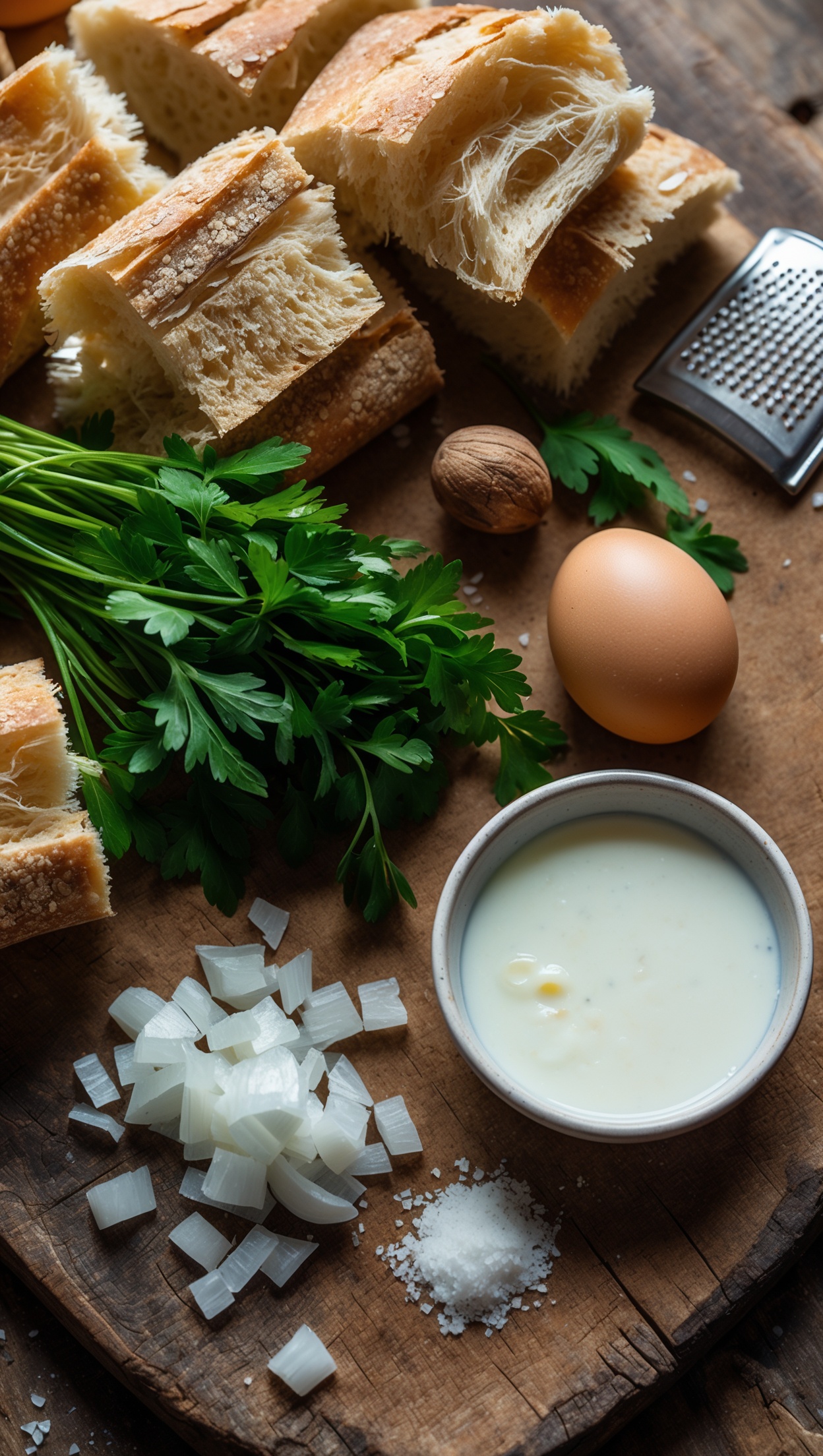
Authentic Bread Dumplings (Semmelknödel) — A Classic Central European Comfort Food
Few dishes capture the soul of German and Austrian home cooking quite like Semmelknödel — soft, pillowy bread dumplings that have graced family tables for generations. Whether served alongside a rich mushroom sauce, a hearty beef goulash, or simply with melted butter and parsley, these dumplings are the ultimate comfort side dish. And the best part? They are surprisingly easy to make from scratch, even on a weeknight.
What Are Semmelknödel?
Semmelknödel (literally "bread ball" in German) are traditional dumplings made from stale bread rolls, eggs, milk, onion, and fresh herbs. They originated in Bavaria and Austria as a clever way to use up leftover bread — a frugal, farmhouse staple that evolved into one of the most beloved dishes in Central European cuisine. Today, you'll find them on menus from Munich beer halls to Viennese restaurants, always proudly homemade.
Ingredients (Serves 4)
- 6–8 stale bread rolls (Brötchen or Semmeln), cut into 1 cm cubes
- 250 ml warm whole milk
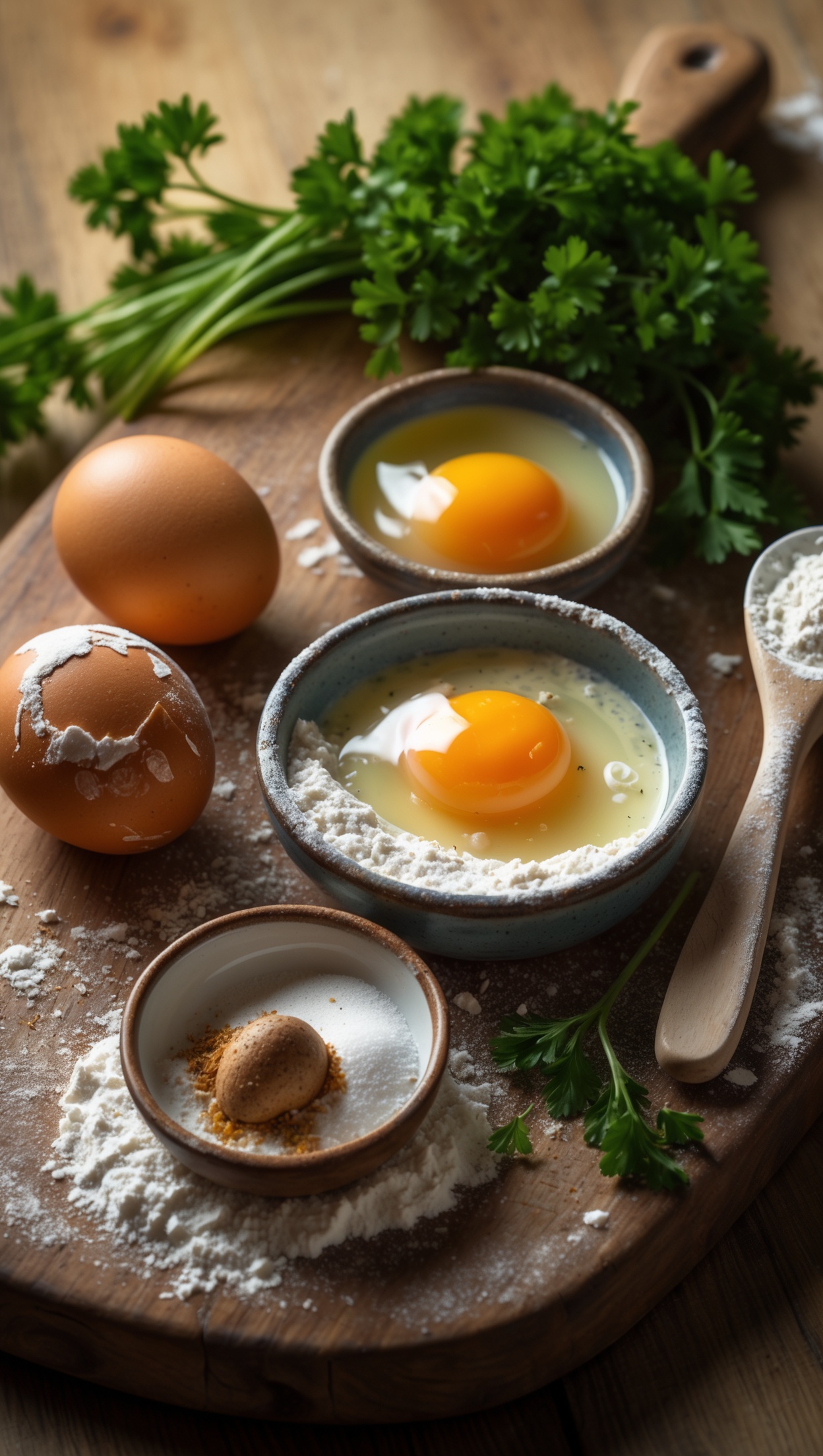
- 3 large eggs
- 1 medium onion, finely diced
- 2 tablespoons butter
- A generous handful of fresh flat-leaf parsley, finely chopped
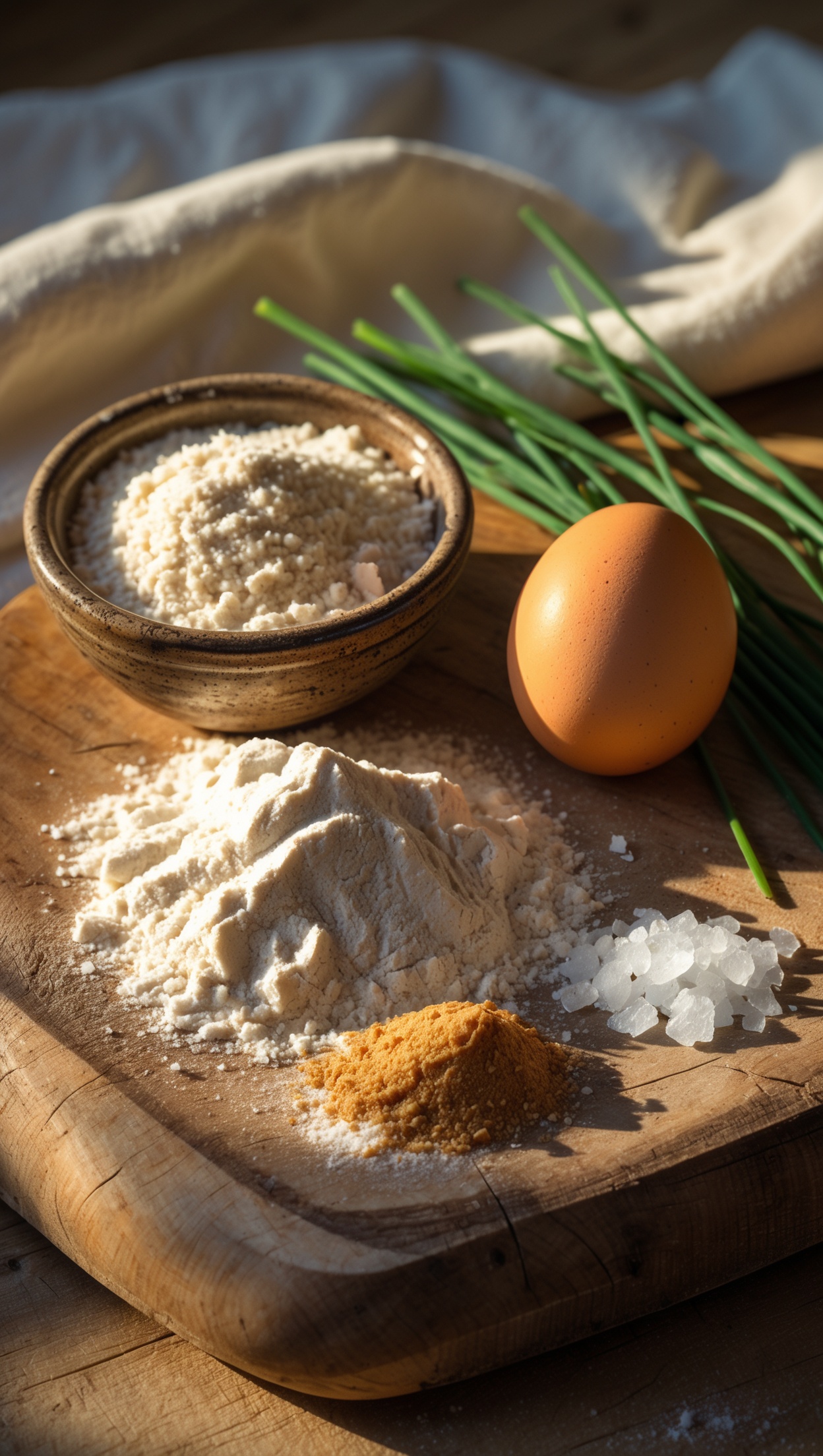
- 1 teaspoon salt
- A pinch of freshly grated nutmeg
- Freshly ground black pepper to taste
A Note on Spices
The nutmeg in this recipe is subtle but transformative — it adds a warm, slightly sweet depth that ties the whole dumpling together. Using freshly grated nutmeg rather than pre-ground makes a noticeable difference in flavour and aroma.
Step-by-Step Instructions
Step 1: Prepare the Bread
If your bread rolls are not already stale, spread the cubed pieces on a baking tray and leave them uncovered overnight, or dry them in the oven at 80°C (fan) for about 30 minutes. The bread must be completely dry so it absorbs the milk without becoming soggy.
Step 2: Make the Milk Mixture
Warm the milk gently in a small saucepan — it should be warm to the touch, not boiling. Pour it evenly over the dried bread cubes in a large mixing bowl. Let the bread soak for at least 15–20 minutes, turning gently once or twice.
Step 3: Sauté the Onions
Melt the butter in a small frying pan over medium heat. Add the finely diced onion and cook slowly until completely soft and just beginning to turn golden, about 8–10 minutes. Add the chopped parsley to the pan for the last minute of cooking and stir through. Set aside to cool slightly.
Step 4: Combine the Dough
Add the eggs, salt, pepper, and freshly grated nutmeg to the soaked bread. Add the cooled onion and parsley mixture. Using clean hands (the best tool for this job!), mix everything thoroughly until a soft, cohesive dough forms. If the mixture feels too wet and won't hold shape, add 1–2 tablespoons of plain breadcrumbs. If it feels too dry, add a small splash of warm milk.
Step 5: Shape the Dumplings
With damp hands, divide the dough into 8 equal portions and roll each one firmly into a smooth ball, roughly the size of a tennis ball. Wet hands prevent sticking and help achieve a smooth surface.
Step 6: Cook the Dumplings
Bring a large pot of salted water to a gentle simmer — not a rolling boil, which would cause the dumplings to fall apart. Carefully lower the dumplings into the water in batches and cook for 20 minutes, turning once halfway through. They are ready when they float steadily to the surface and feel firm when gently pressed.
Serving Suggestions
- With mushroom cream sauce: A classic Bavarian pairing. Sauté mixed wild mushrooms with shallots, deglaze with a splash of white wine, and finish with cream.
- With beef goulash or venison ragout: The dumplings soak up the rich, paprika-spiced sauce beautifully.
- Pan-fried leftovers: Slice cold leftover dumplings and fry in butter until golden on both sides — one of life's simple pleasures.
- With roasted vegetables and gravy: A fully plant-based and deeply satisfying option.
Tips for Perfect Semmelknödel Every Time
- Use genuinely stale bread. Fresh bread will make your dumplings gluey and heavy. Day-old or two-day-old rolls are ideal.
- Don't overwork the dough. Mix just until combined — overmixing develops gluten and creates a tough, dense texture.
- Always simmer, never boil. A vigorous boil is the enemy of any dumpling. Keep the water at a gentle, lazy simmer throughout.
- Test one first. Cook a single dumpling first. If it falls apart, mix in a little more breadcrumb. If it holds perfectly, proceed with the rest.
- Season generously. Stale bread has lost much of its flavour — don't be shy with the salt, pepper, and nutmeg.
Make-Ahead & Storage
Semmelknödel reheat beautifully. Store cooked dumplings in the refrigerator for up to 3 days. To reheat, place them in barely simmering salted water for 5–8 minutes, or slice and pan-fry in butter for a crispy, golden finish. You can also freeze raw, shaped dumplings on a tray, then transfer to a bag once solid — cook directly from frozen for 25–28 minutes in simmering water.
A Dish Worth Mastering
There is something deeply satisfying about making Semmelknödel from scratch. They require no special equipment, no exotic ingredients — just a little patience and good technique. Once you've made them once, they'll become a permanent fixture in your repertoire, the kind of recipe you'll hand down and make entirely by feel.
For the perfect wine pairing with this dish, Hawesko offers an outstanding selection of premium wines to complement every recipe. For the finest spices and seasonings to elevate your cooking, Gewürzland has everything you need.