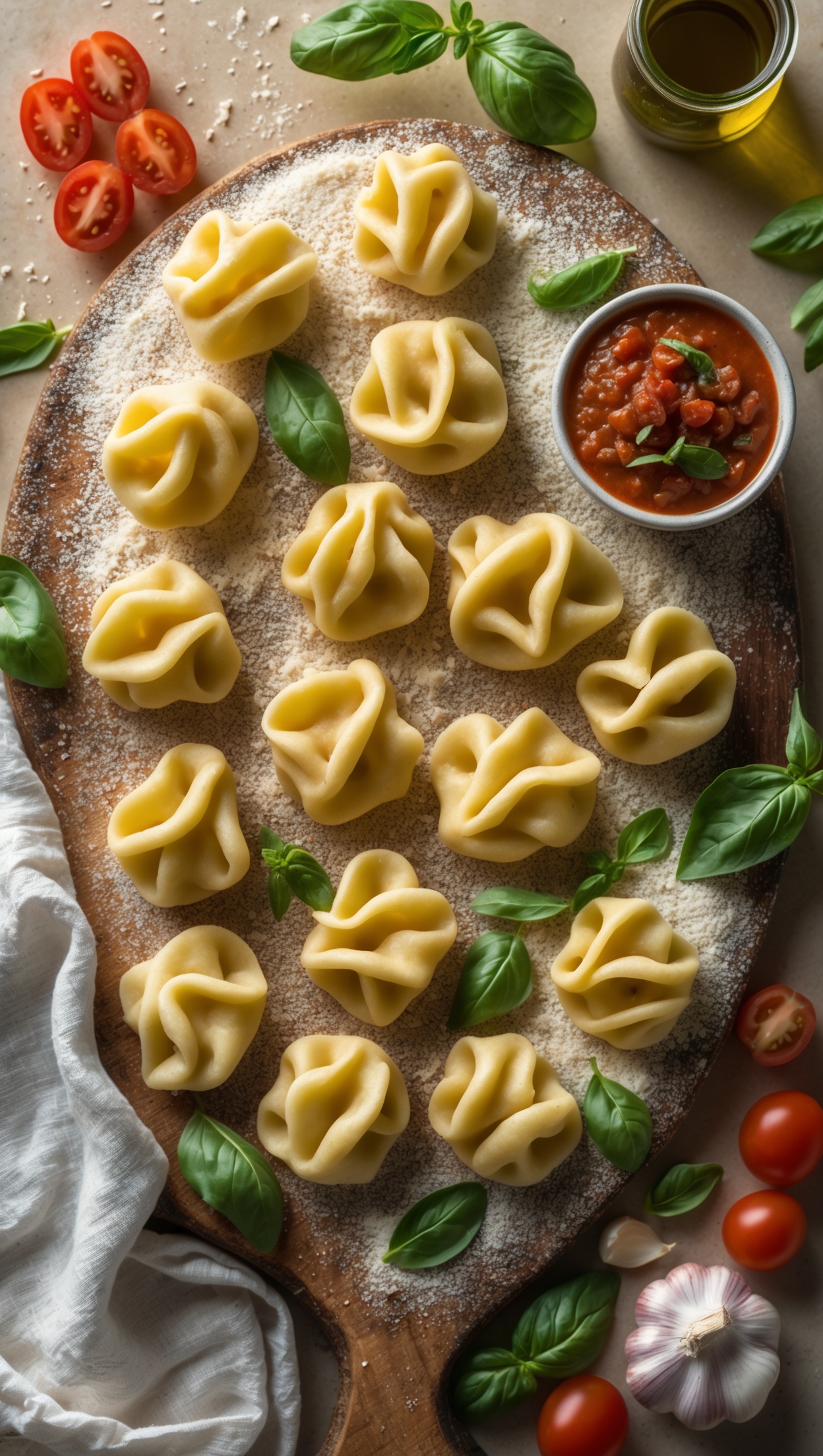
Authentic Cavatelli Recipe — Easy & Delicious
There is something deeply satisfying about making pasta from scratch. No machines, no complicated techniques — just your hands, a handful of ingredients, and a little patience. Cavatelli is one of Italy's most beloved rustic pastas, originating from Southern Italy, particularly Molise, Puglia, and Basilicata. Shaped like tiny curled shells with a hollow groove, cavatelli is perfect for catching thick sauces, making every single bite incredibly flavourful.
This recipe is as authentic as it gets. We use just two core ingredients for the traditional version — semolina flour and water — though a ricotta variation is equally popular and wonderfully creamy. Whether you are cooking for family on a weekday evening or hosting a dinner that deserves a little extra effort, cavatelli will never let you down.
What Is Cavatelli?
The word cavatelli comes from the Italian verb cavare, meaning "to hollow out" — which perfectly describes the shaping technique. You roll small pieces of dough with your fingertips, dragging them slightly to create a small ridged groove. This groove is not just decorative; it is functional, designed to scoop up and hold every drop of sauce.
Unlike egg-based pastas from Northern Italy, cavatelli is traditionally eggless — a reflection of the cucina povera (peasant kitchen) philosophy of Southern Italian cooking, where simple, humble ingredients are transformed into something truly extraordinary.
Ingredients
For the Classic Semolina Cavatelli (serves 4)
- 400g fine semolina flour (plus extra for dusting)
- 200ml warm water
- 1 tsp fine sea salt
Optional: Ricotta Cavatelli
- 300g all-purpose flour
- 250g full-fat ricotta
- 1 egg
- Pinch of salt
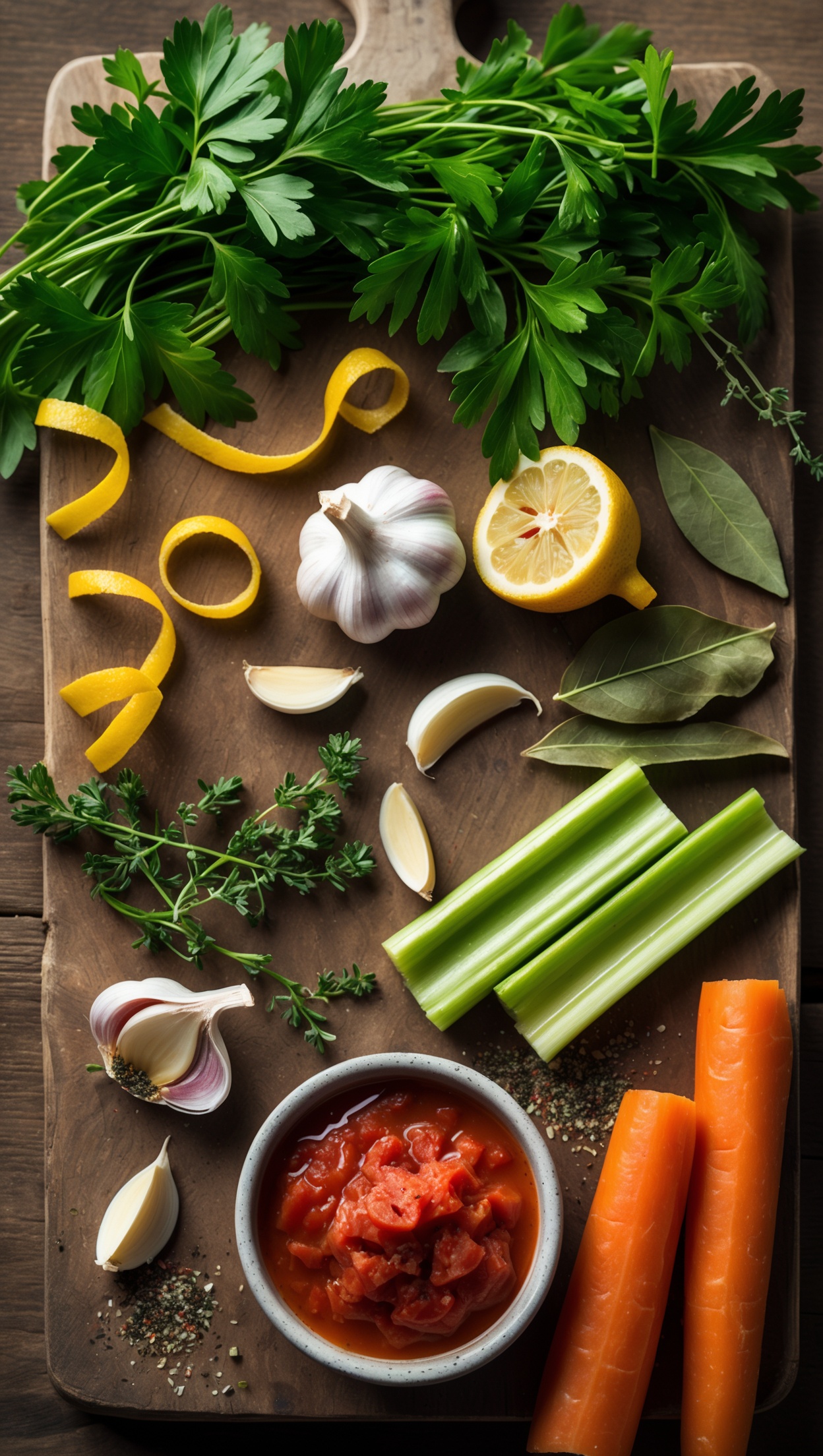
For the Simple Tomato & Basil Sauce
- 400g canned San Marzano tomatoes
- 3 cloves garlic, thinly sliced
- 4 tbsp extra-virgin olive oil
- 1 tsp dried oregano
- Fresh basil, a generous handful
- Salt & black pepper to taste
- Pecorino Romano or Parmigiano-Reggiano for serving
Step-by-Step Instructions
Step 1 — Make the Dough
Pour the semolina flour onto a clean work surface and make a well in the centre. Add the salt and gradually pour in the warm water. Begin mixing with a fork, then switch to your hands and knead the dough for approximately 8–10 minutes until smooth, firm, and slightly elastic. If using the ricotta version, combine all ingredients in a bowl, mix until a soft dough forms, then knead briefly.
Wrap the dough in plastic wrap and let it rest at room temperature for at least 30 minutes. This rest is important — it relaxes the gluten and makes shaping much easier.
Step 2 — Shape the Cavatelli
Dust your work surface lightly with semolina. Tear off a small piece of dough and roll it into a rope about the thickness of your little finger. Cut the rope into 1.5 cm pieces. Using your index and middle fingers, press gently on each piece and drag it toward you across the surface — the dough will curl and form the characteristic groove. Place the shaped cavatelli on a semolina-dusted tray and repeat with the remaining dough.
Do not rush this step. It becomes meditative once you find your rhythm, and the irregular, hand-crafted look is part of the charm.
Step 3 — Make the Sauce
Heat the olive oil in a wide pan over medium heat. Add the sliced garlic and let it gently sizzle for 1–2 minutes until fragrant and just golden — do not let it burn. Add the canned tomatoes, crushing them with a wooden spoon. Season with salt, black pepper, and dried oregano. Simmer on low heat for 15–20 minutes, stirring occasionally, until the sauce has reduced and deepened in flavour. Stir in fresh basil at the end.
Step 4 — Cook and Combine
Bring a large pot of well-salted water to a rolling boil. Add the cavatelli in batches if necessary and cook for 3–5 minutes (fresh cavatelli cook quickly). They are ready when they float to the surface and have a slight chew. Reserve a cup of pasta water before draining.
Toss the drained cavatelli directly into the tomato sauce over low heat. Add a splash of pasta water to help the sauce cling beautifully to each piece. Serve immediately, topped with freshly grated Pecorino Romano and a final drizzle of extra-virgin olive oil.
Tips for Perfect Cavatelli
- Use fine semolina, not coarse semolina, for a smooth, workable dough.
- Do not skip the resting time — it is essential for a pliable dough.
- Dust generously with semolina to prevent the shaped pasta from sticking together.
- Freeze any leftovers on a tray before storing in bags — frozen cavatelli can be cooked directly from frozen.
- Quality oregano makes a difference — for intensely aromatic dried oregano that brings your sauce to life, Dallmayr stocks a wonderful range of premium Italian herbs and pantry essentials worth exploring.
Serving Suggestions & Variations
Cavatelli pairs beautifully with more than just tomato sauce. Try them with a hearty broccoli rabe sauté, a rich mushroom ragù, or a classic Bolognese. In Puglia, cavatelli con le cime di rapa (with turnip greens) is a signature dish that celebrates simplicity at its finest.
For a celebratory version, toss cavatelli with a saffron cream sauce or a slow-cooked lamb ragù — both feel luxurious while still honouring the rustic spirit of the dish.
Why You Should Make Pasta by Hand
In an age of convenience, making pasta from scratch is a quiet act of joy. There is no special equipment required — just flour, water, a surface, and your hands. The texture of hand-made pasta is incomparably better than any dried alternative, and the experience of shaping each piece yourself connects you to centuries of Southern Italian culinary tradition.
Once you make cavatelli at home, it is very hard to go back to store-bought pasta. The dough is forgiving, the shaping is surprisingly fun, and the reward on the plate is enormous.
For the perfect wine pairing with this dish, Hawesko offers an outstanding selection of premium wines to complement every recipe. For the finest spices and seasonings to elevate your cooking, Gewürzland has everything you need.