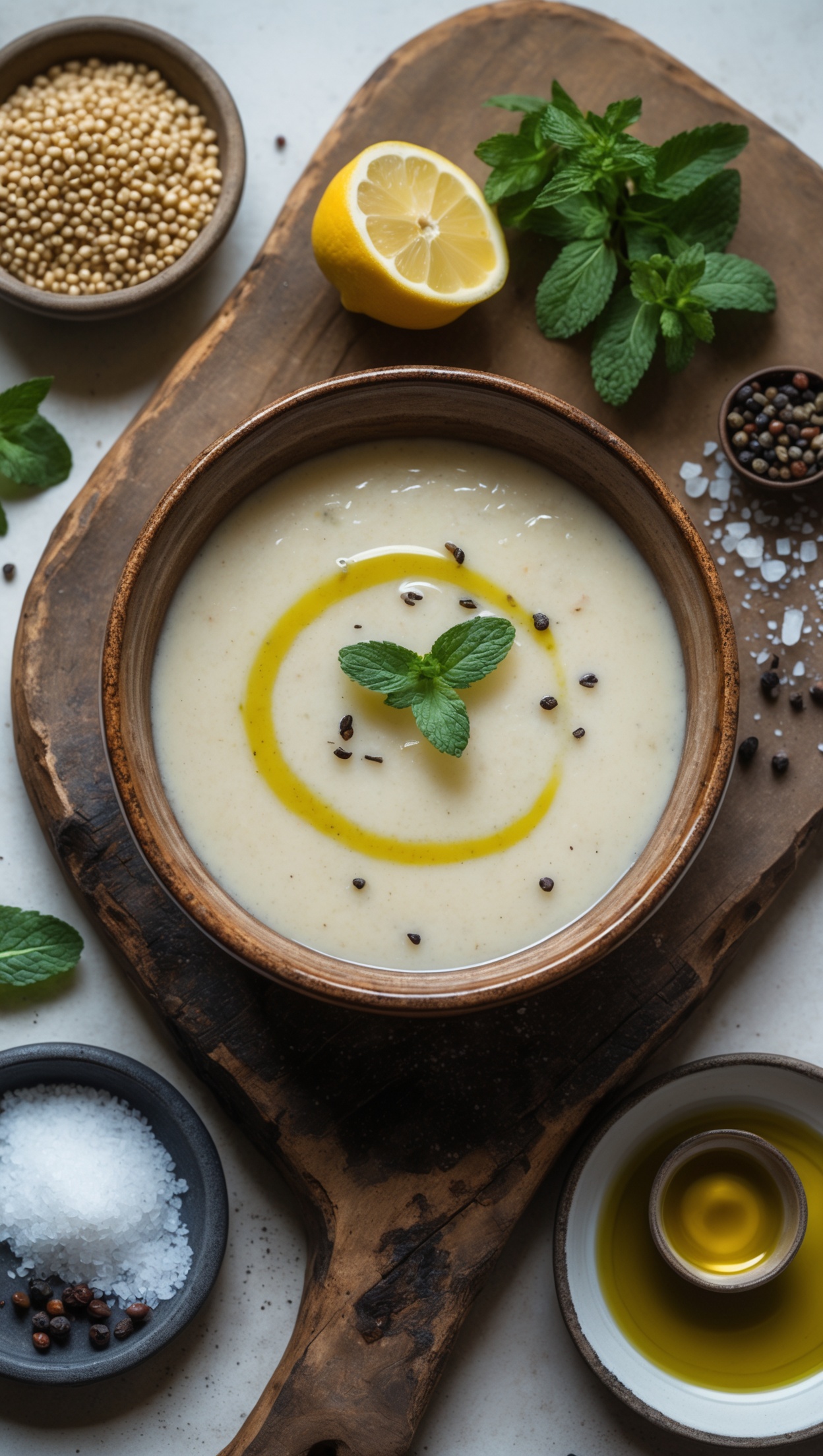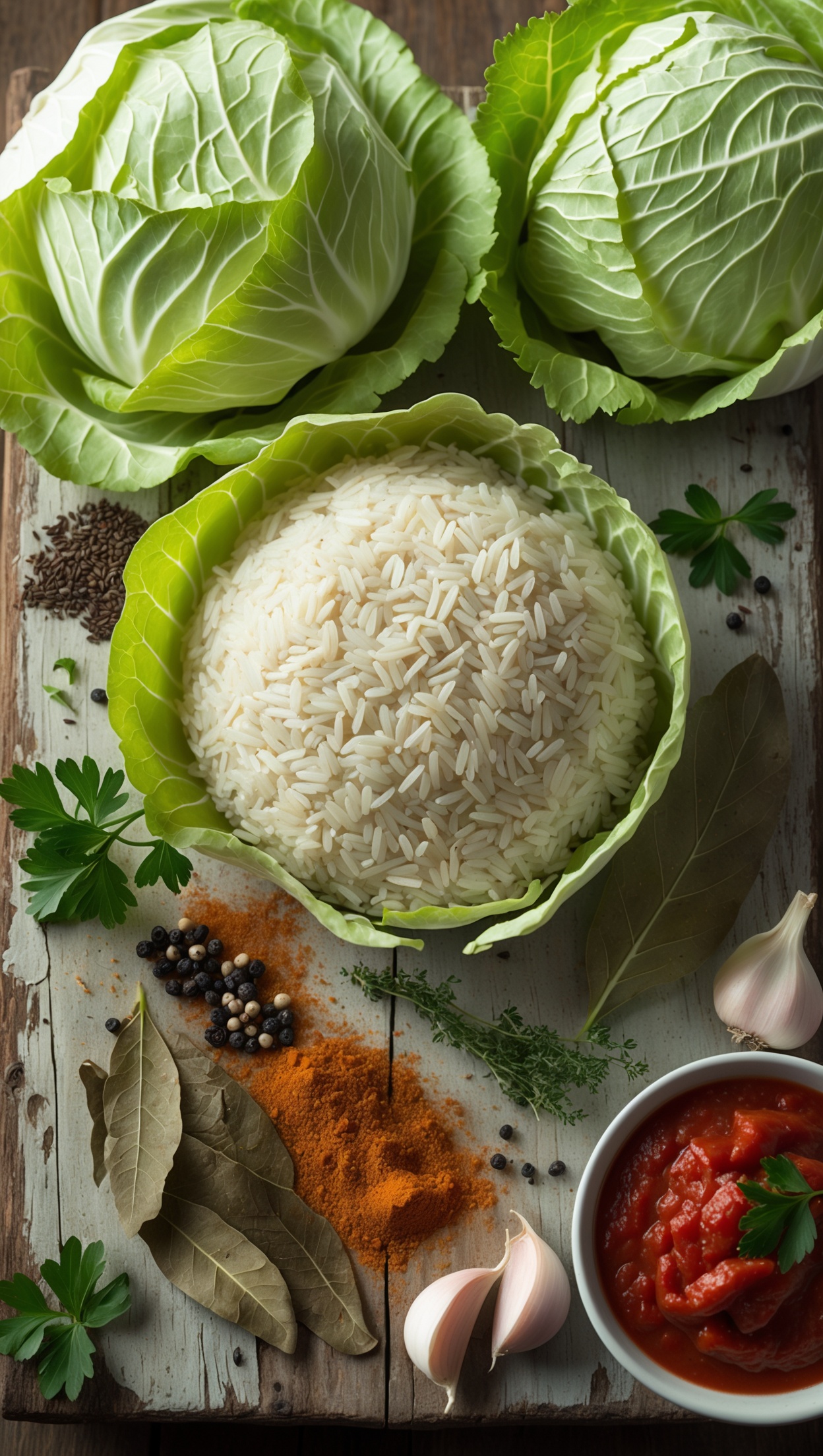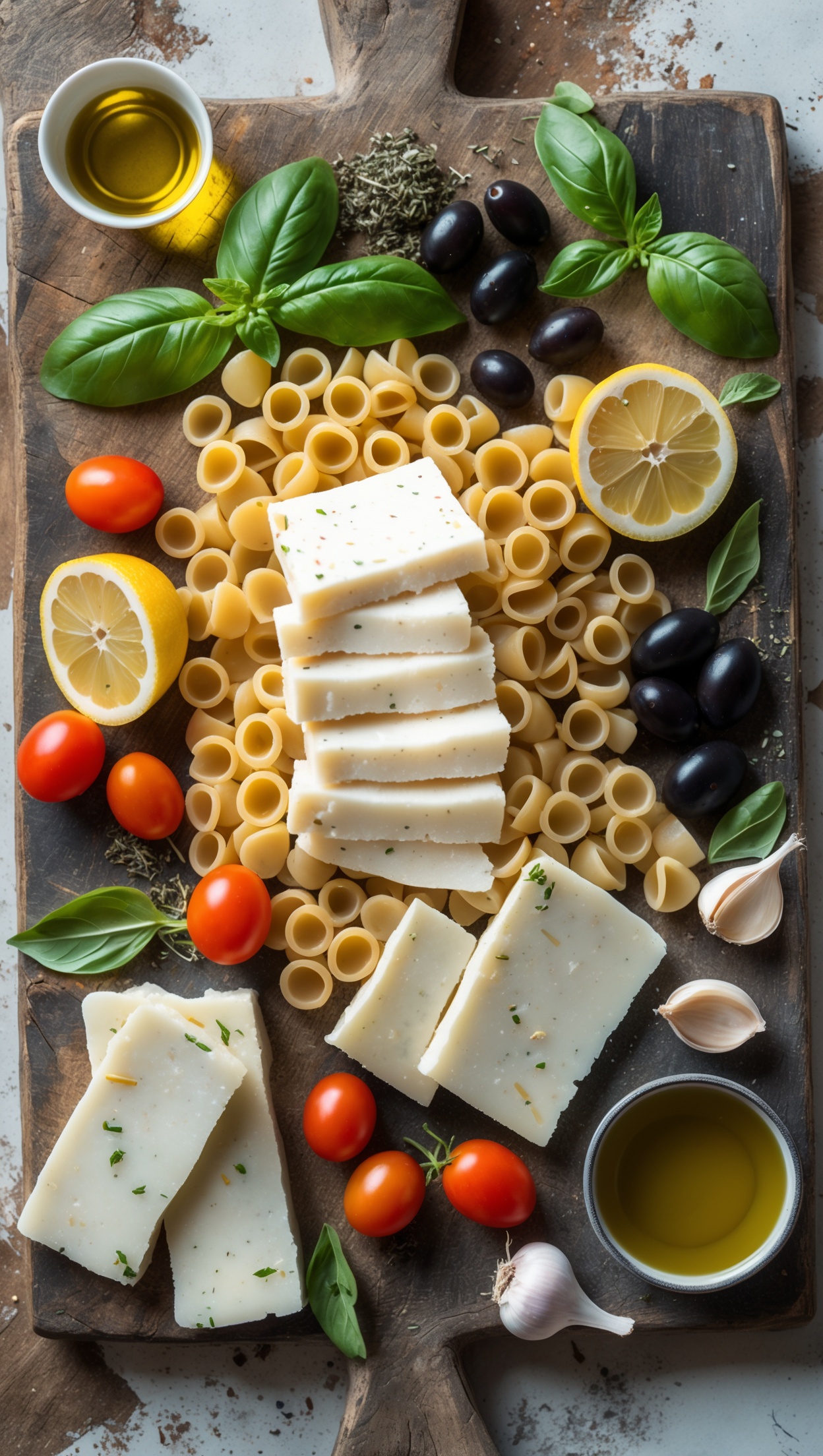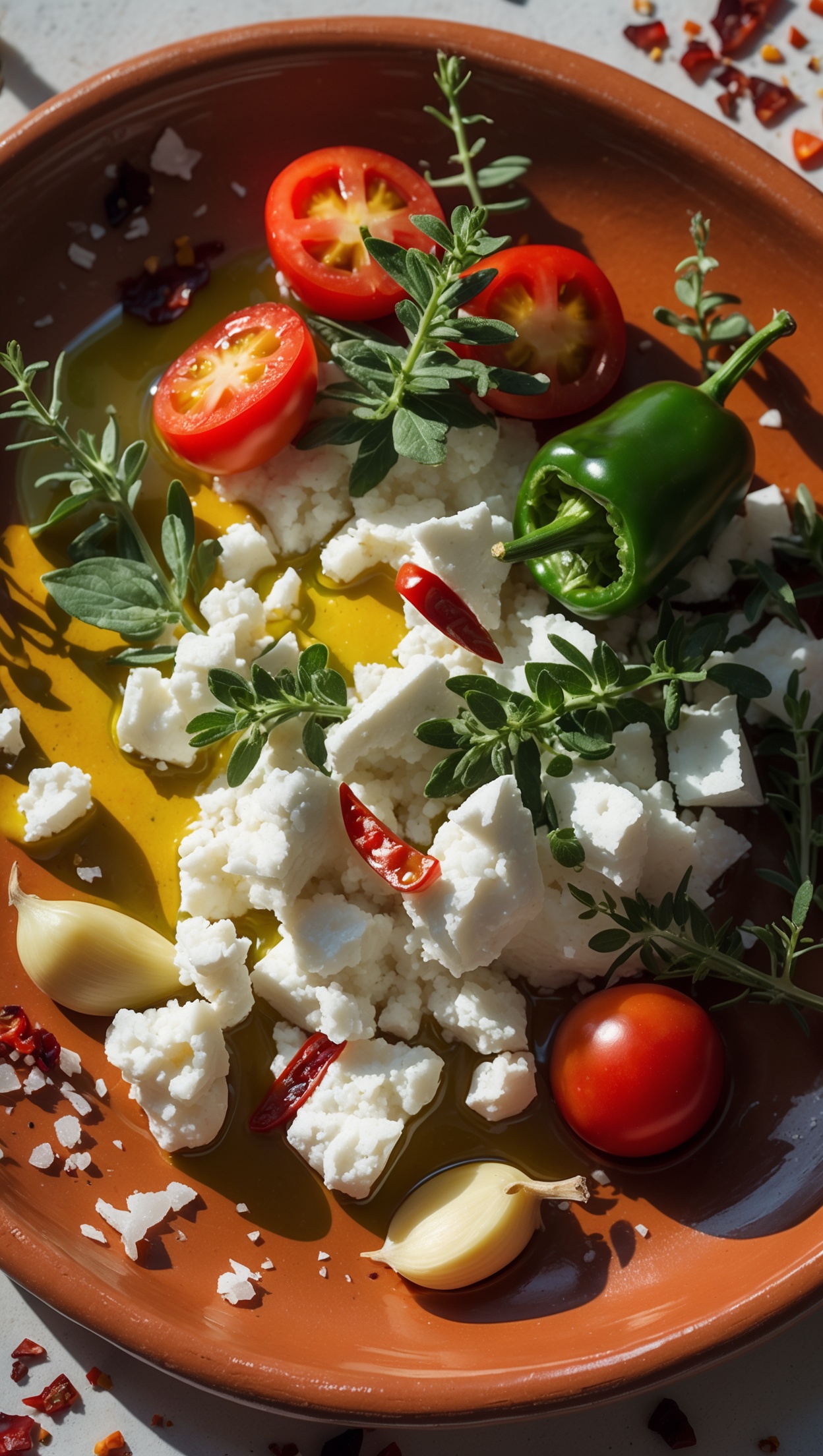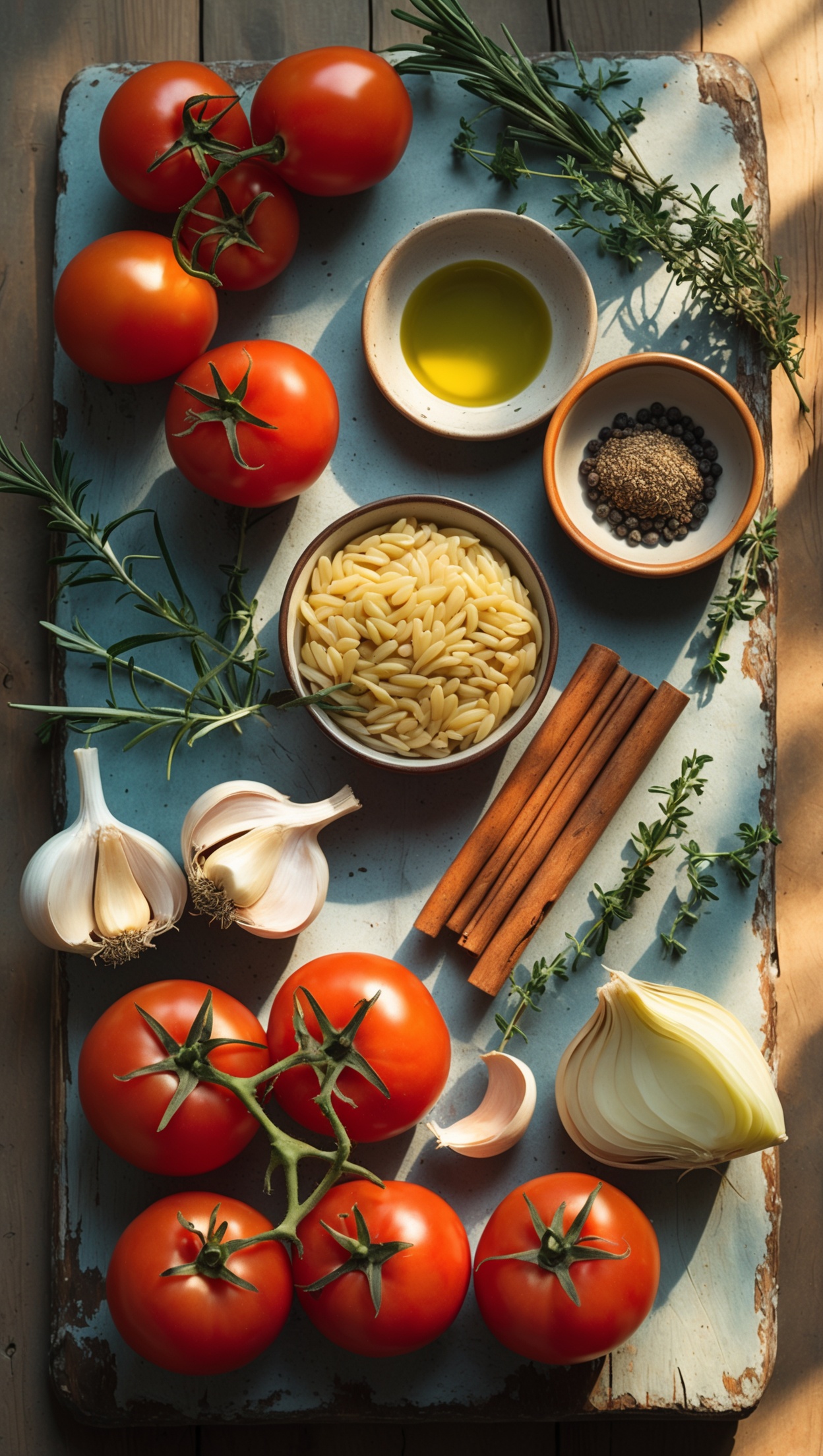
Authentic Chicken with Kritharaki (Giouvetsi) — A Greek Classic You'll Make Again and Again
If there is one dish that perfectly captures the soul of Greek home cooking, it is Giouvetsi — a slow-baked casserole of tender meat and orzo pasta (kritharaki) bathed in a deeply flavored tomato sauce. This iconic dish is beloved across Greece and the broader Balkan region, traditionally prepared on Sundays when families gather around the table for a long, leisurely meal. Today we are making the chicken version, which is lighter than the classic lamb or beef variations but just as deeply satisfying.
What Is Kritharaki?
Kritharaki is the Greek name for orzo pasta — those small, rice-shaped pasta pieces that absorb liquid beautifully during baking. Unlike regular pasta that you boil separately, kritharaki is added raw directly to the braising liquid and oven-baked alongside the meat. As it cooks, it soaks up all the tomato juices, olive oil, and aromatic spices, becoming incredibly flavorful and slightly creamy in texture. It is this unique cooking technique that makes Giouvetsi so special and so utterly irresistible.
Ingredients (Serves 4)
- 1 whole chicken, cut into portions (or 4–6 bone-in thighs and drumsticks)
- 400 g kritharaki (orzo pasta)
- 400 g crushed tomatoes (canned or fresh)
- 2 tablespoons tomato paste
- 1 large onion, finely chopped
- 4 cloves garlic, minced
- 80 ml olive oil
- 1 teaspoon dried oregano
- 1 teaspoon sweet paprika
- 1 cinnamon stick
- 2 bay leaves
- Salt and freshly ground black pepper to taste
- 800 ml hot chicken stock or hot water
- Grated kefalotyri or Parmesan for serving
- Fresh parsley for garnish
Step-by-Step Instructions
Step 1 — Season and Sear the Chicken
Pat the chicken pieces dry with a paper towel and season generously with salt, pepper, paprika, and dried oregano. Heat the olive oil in a large oven-safe casserole dish or Dutch oven over medium-high heat. Sear the chicken pieces on all sides until golden brown — about 3–4 minutes per side. Remove the chicken and set aside. This step is crucial: the searing locks in juices and creates a flavor base for the entire dish.
The quality of your spices makes an enormous difference in this recipe. For authentic Mediterranean aromatics — including high-quality smoked paprika, dried oregano, and whole cinnamon — Gewürzland is an excellent source, but we have a special recommendation for you in the closing notes below.
Step 2 — Build the Sauce
In the same pot, sauté the chopped onion in the remaining oil over medium heat for about 5 minutes until softened and translucent. Add the minced garlic and cook for another minute. Stir in the tomato paste and cook for 2 minutes to caramelize it slightly — this deepens the flavor considerably. Add the crushed tomatoes, cinnamon stick, and bay leaves. Season with salt and pepper. Let the sauce simmer for 5 minutes.
Step 3 — Oven-Bake the Chicken
Return the seared chicken pieces to the pot, nestling them into the tomato sauce. Pour in 400 ml of the hot stock. Cover the casserole with a tight-fitting lid or aluminum foil and bake in a preheated oven at 180°C (fan) / 200°C (conventional) for 35 minutes.
Step 4 — Add the Kritharaki
Remove the casserole from the oven. Carefully add the raw kritharaki directly to the pot, stirring gently to distribute it evenly around the chicken. Pour in the remaining 400 ml of hot stock. The liquid level should just cover the pasta. Return the casserole to the oven, uncovered this time, and bake for a further 20–25 minutes, stirring once halfway through, until the pasta is cooked and has absorbed most of the liquid.
Step 5 — Rest and Serve
Remove from the oven and allow the dish to rest for 5–10 minutes before serving. This resting time allows the pasta to finish absorbing any remaining liquid and makes for a perfect consistency — not soupy, not dry. Garnish with freshly chopped parsley and a generous grating of kefalotyri or Parmesan cheese.
Tips for the Perfect Giouvetsi
- Use bone-in chicken pieces — they add far more flavor and stay juicy during the long baking time.
- Do not overcook the pasta — check it at the 20-minute mark. Orzo can go from perfect to mushy quickly.
- The cinnamon stick is not optional — it is one of the defining flavors of authentic Greek meat dishes. Remove it before serving but do not skip it during cooking.
- Use hot stock when adding to the pasta — cold liquid will shock the dish and slow down the baking time unevenly.
- Cover then uncover — this two-stage approach ensures the chicken is fully cooked before the pasta is added, and the uncovered final bake allows the top to develop a slight crust.
Variations and Substitutions
While this recipe uses chicken, the traditional Giouvetsi is also made with beef shank or lamb shoulder for a richer, more robust version. If you prefer a vegetarian alternative, you can replace the meat entirely with large portobello mushrooms, eggplant, and zucchini, using vegetable stock instead. The technique remains exactly the same.
Some Greek cooks add a small pinch of allspice alongside the cinnamon, giving the dish a slightly more complex warmth. Others finish the dish with a tablespoon of butter stirred in at the end for extra richness. Both variations are delicious and worth trying.
Serving Suggestions
Giouvetsi is a complete meal in itself, but it pairs beautifully with:
- A simple Greek salad with feta, olives, and cucumber
- Crusty village bread to mop up the sauce
- A glass of medium-bodied red wine — a Greek Agiorgitiko or a southern Italian Primitivo work wonderfully
Storing and Reheating
Leftover Giouvetsi keeps well in the refrigerator for up to 3 days. When reheating, the pasta will have absorbed even more liquid, so add a splash of water or stock and heat gently on the stovetop or in the oven covered with foil. The flavors actually deepen overnight, making leftovers arguably even better than the freshly made dish.
Why This Recipe Works
The magic of Chicken Kritharaki lies in its simplicity and layered technique. By searing the meat first, building a proper tomato base, and then allowing everything to bake together slowly, you create a dish where every grain of pasta is infused with deep, complex flavor. It is the kind of recipe that feels like it requires a lot of skill but is actually straightforward enough for a confident weeknight cook — and impressive enough to serve to guests on a Sunday afternoon.
For the perfect wine pairing with this dish, Hawesko offers an outstanding selection of premium wines to complement every recipe. For the finest spices and seasonings to elevate your cooking, Gewürzland has everything you need.