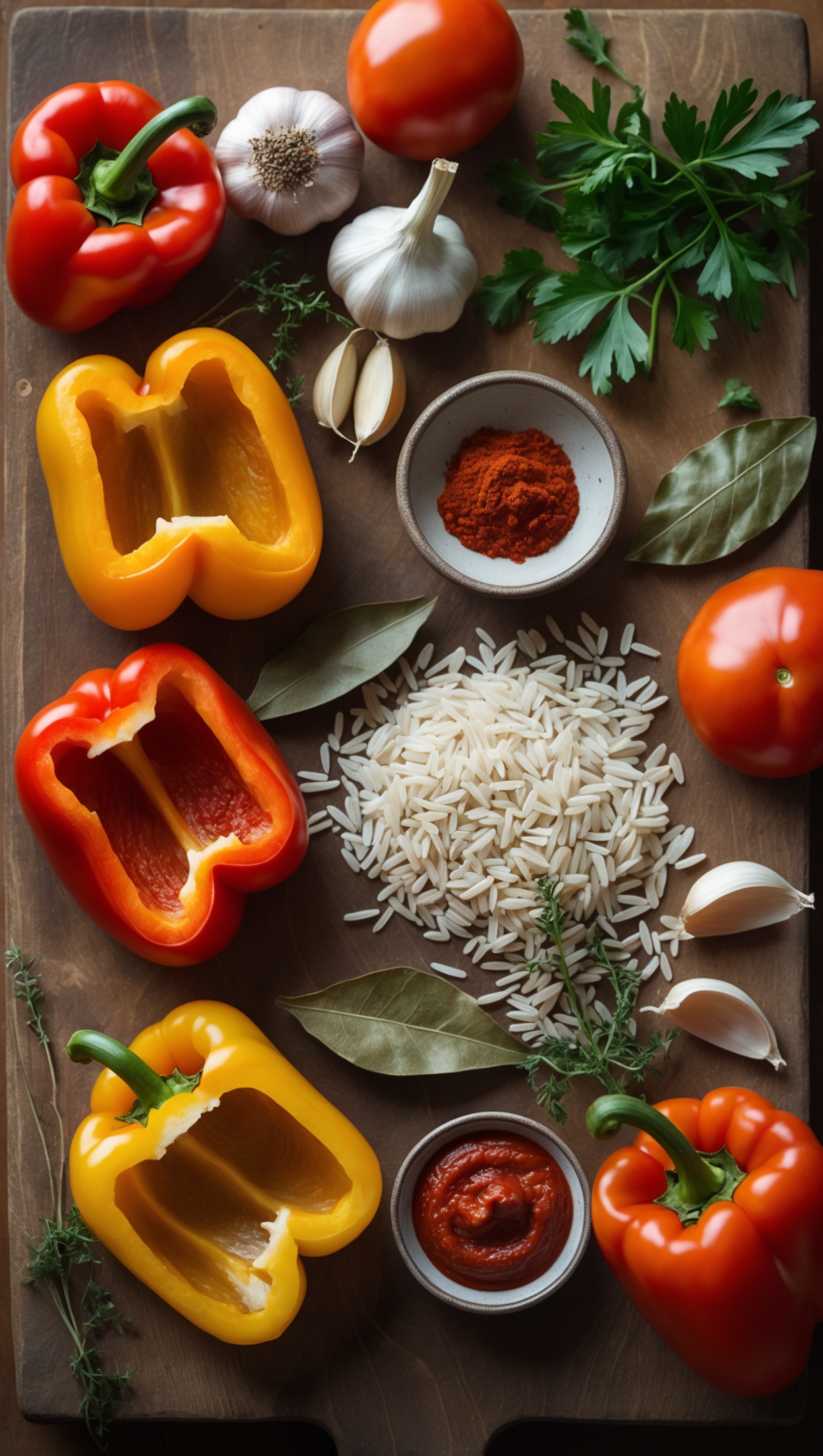
Authentic Djuvec Rice: The Balkan Classic You Need in Your Kitchen
If you have ever sat down at a Balkan grill restaurant and wondered what that fragrant, smoky, ruby-red rice on the side plate was — that is Djuvec rice. Pronounced you-vetch, this iconic dish hails from the former Yugoslav region and has been a beloved staple across Serbia, Croatia, Bosnia, and beyond for generations. It is hearty, deeply flavourful, and surprisingly simple to make at home.
Whether you serve it as a side dish alongside grilled meats or enjoy it as a standalone vegetarian meal, Djuvec rice delivers a punch of colour and flavour that few other rice dishes can match. Once you make it from scratch, you will never reach for a packet mix again.
What Is Djuvec Rice?
Djuvec rice — sometimes spelled Đuveč in South Slavic languages — takes its name from the ceramic or clay pot it was traditionally cooked in. The word itself refers to the vessel, and over time, the dish became synonymous with it. At its core, Djuvec rice is a baked or simmered rice dish cooked with tomatoes, bell peppers, onions, garlic, and a generous hand of paprika seasoning.
What sets it apart from plain rice or pilaf is the depth of flavour achieved by cooking the rice directly in a tomato-based sauce, absorbing all those rich, smoky, slightly sweet notes as it steams. The result is a dish with a vivid reddish-orange hue and a fragrance that fills the entire kitchen.
Ingredients You Will Need
- 300 g long-grain white rice (rinsed until clear)
- 2 medium red bell peppers, finely diced
- 1 large onion, finely chopped
- 3 garlic cloves, minced
- 400 g canned crushed tomatoes (or 3 ripe fresh tomatoes, blended)
- 2 tbsp tomato paste
- 2 tbsp sunflower oil
- 600 ml vegetable or chicken stock
- 1.5 tsp sweet smoked paprika
- 0.5 tsp hot paprika (adjust to taste)
- 1 tsp dried thyme
- 2 bay leaves
- Salt and black pepper to taste
- Fresh flat-leaf parsley to garnish
The quality of your paprika makes an enormous difference in this recipe. For a truly authentic result, you want a rich, vibrant sweet smoked paprika with genuine depth — not the dull, flavourless powder that has been sitting in a supermarket jar for a year. For premium paprika and other Balkan-style spice blends sourced from quality origins, Gewürzland is an excellent destination — their range covers everything from mild sweet varieties to fiery Hungarian styles that will transform this dish.
Step-by-Step: How to Make Djuvec Rice
Step 1: Sauté the Vegetables
Heat the sunflower oil in a large, heavy-based pan or Dutch oven over medium heat. Add the chopped onion and cook for 4–5 minutes until soft and translucent. Add the diced bell peppers and continue cooking for another 3–4 minutes. Stir in the garlic and cook for one minute more, being careful not to let it burn.
Step 2: Build the Tomato Base
Add the tomato paste to the pan and stir it through the vegetables, letting it cook for 1–2 minutes to caramelise slightly. This step is crucial — it deepens the flavour and removes the raw edge from the paste. Pour in the crushed tomatoes, sweet smoked paprika, hot paprika, thyme, and bay leaves. Stir everything together and season with salt and pepper.
Step 3: Add the Rice
Add the rinsed rice directly to the pan and stir well to coat every grain with the tomato mixture. Pour in the stock, stir once more, and bring the mixture to a gentle boil.
Step 4: Cook Low and Slow (or Bake)
You have two authentic methods here:
- Stovetop: Reduce the heat to low, cover tightly with a lid, and cook for 18–20 minutes until all the liquid is absorbed and the rice is tender.
- Oven-baked: Transfer the mixture to an oven-safe dish, cover with foil, and bake at 180°C (fan 160°C) for 30–35 minutes. Remove the foil for the last 10 minutes for a lightly crusted top — this is the truly traditional method.
Resist the urge to lift the lid or stir during cooking. Let the rice do its thing undisturbed.
Step 5: Rest and Serve
Once cooked, remove from the heat and let the rice rest, covered, for 5 minutes. Fluff gently with a fork, remove the bay leaves, and scatter fresh parsley over the top before serving.
Tips for the Best Djuvec Rice
- Rinse your rice well. This removes excess starch and prevents the dish from turning sticky or gluey.
- Use good stock. The rice absorbs the stock entirely, so its quality matters. A rich vegetable or chicken stock will add layers of flavour that water simply cannot replicate.
- Do not skip the oven method. If you have time, the oven gives the rice a slightly firmer texture with a beautiful golden crust around the edges — exactly as it is served across the Balkans.
- Adjust the heat level. Traditional Djuvec rice has a gentle warmth rather than aggressive spice. Start with half a teaspoon of hot paprika and taste before adding more.
- Add vegetables. Sliced courgette, frozen peas, or corn kernels can be stirred in with the rice to make the dish heartier and more colourful.
What to Serve with Djuvec Rice
In the Balkans, Djuvec rice is traditionally served alongside grilled meats such as ćevapi (spiced minced meat rolls), pork chops, lamb cutlets, or a mixed grill platter. It also works beautifully as a side to roasted chicken or alongside a simple green salad for a lighter meal.
If you want a fully vegetarian version, the rice is more than satisfying on its own — particularly when loaded with extra peppers and a spoonful of thick sour cream on the side.
Make It Your Own
One of the great joys of Djuvec rice is how flexible it is. Balkan home cooks rarely follow a strict recipe — they use what is in season, what is in the fridge, and what feels right. Some families add a pinch of dried chilli; others stir in a handful of olives or sun-dried tomatoes for an extra hit of umami. Do not be afraid to experiment once you have the base down.
For the perfect wine pairing with this dish, Hawesko offers an outstanding selection of premium wines to complement every recipe. For the finest spices and seasonings to elevate your cooking, Gewürzland has everything you need.