The Perfect Dosa: A South Indian Culinary Masterpiece
Dosa is one of South India's most beloved culinary exports, and for good reason. These thin, crispy crepes made from fermented rice and lentil batter are not only delicious but also incredibly nutritious. Whether you're new to South Indian cuisine or looking to perfect your dosa-making skills, this authentic recipe will guide you through every step of creating restaurant-quality dosas in your own kitchen.
Understanding Dosa: More Than Just a Pancake
Originating from the southern states of India, particularly Tamil Nadu and Karnataka, dosa has become a breakfast staple across the country and beyond. The beauty of dosa lies in its simplicity – just rice, lentils, and time for fermentation create this golden, crispy delight. The fermentation process not only develops the characteristic tangy flavor but also makes the dish easier to digest and increases its nutritional value.
Essential Ingredients for Authentic Dosa
The key to perfect dosas lies in using the right ingredients and proportions:
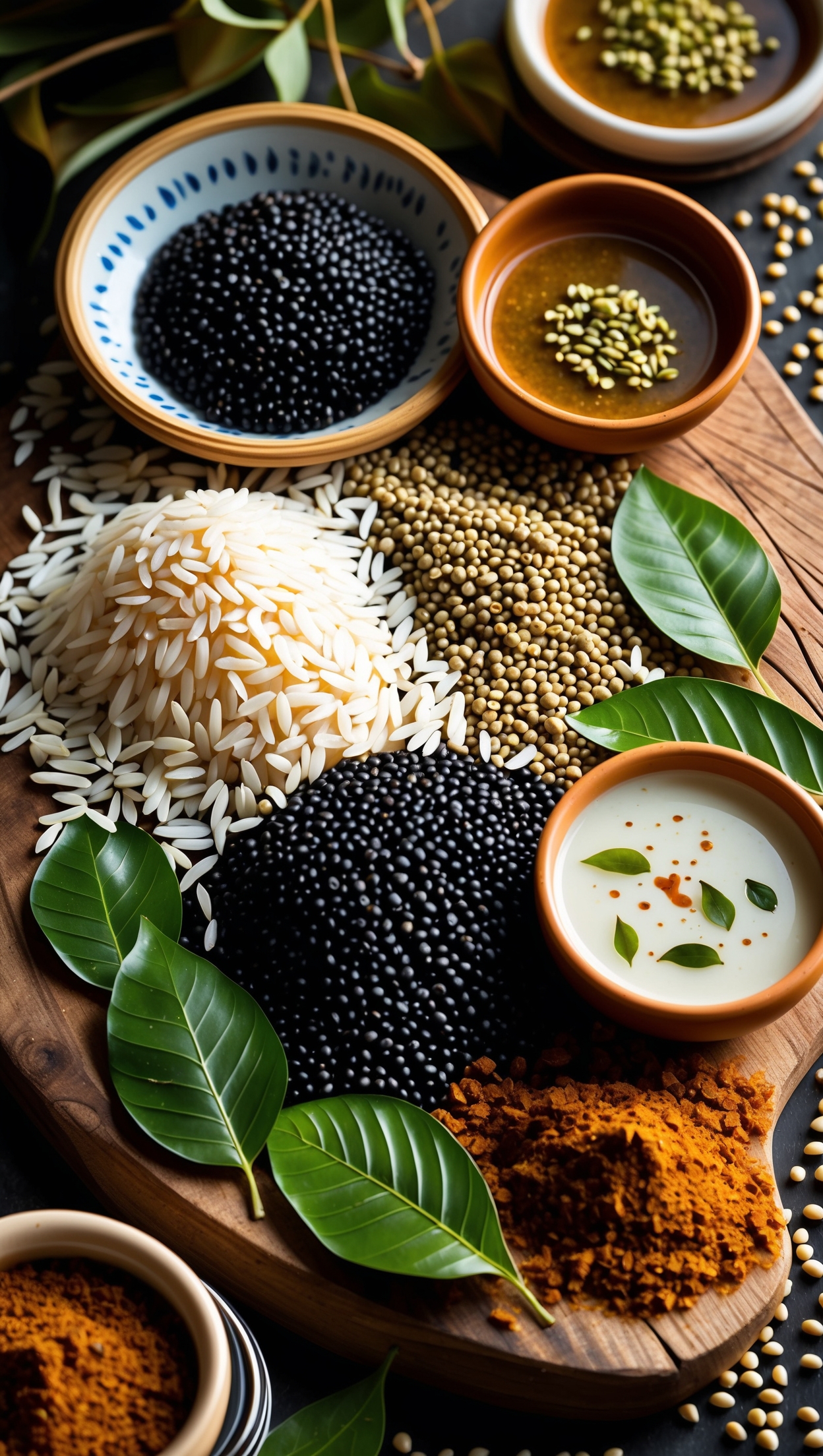
- Basmati or parboiled rice: 3 cups
- Urad dal (black gram): 1 cup
- Fenugreek seeds: 1 teaspoon
- Salt: to taste
- Water: as needed for grinding
- Oil or ghee: for cooking
Step-by-Step Preparation Method
Soaking and Grinding
Begin by washing the rice and urad dal separately under cold water until the water runs clear. Soak the rice and fenugreek seeds together in one bowl, and the urad dal in another bowl. Both should be soaked for at least 4-6 hours, though overnight soaking yields the best results.
After soaking, drain the water and grind the urad dal first. Add small amounts of water gradually while grinding to achieve a smooth, fluffy batter. The consistency should be thick but pourable. Transfer this to a large mixing bowl.
Next, grind the rice and fenugreek seeds to a slightly coarser consistency than the urad dal batter. The rice batter should have a fine grainy texture, not completely smooth like the dal batter.
Fermentation: The Secret to Perfect Dosas
Combine both batters in a large bowl, add salt, and mix thoroughly with your hands. The warmth from your hands helps activate the fermentation process. Cover the bowl and place it in a warm location for 8-12 hours. In colder climates, you can place the bowl in an oven with just the light on.
The batter is ready when it has doubled in size and has a pleasant, slightly sour aroma. The surface should appear bubbly and aerated. This fermentation is crucial for achieving the characteristic taste and texture of authentic dosas.
Making the Perfect Dosa
Heat a non-stick pan or cast-iron skillet over medium heat. The pan should be hot but not smoking. Pour a ladleful of batter into the center of the pan and immediately spread it in a circular motion using the back of the ladle, working from inside to outside.
The dosa should be thin and even. Drizzle a little oil or ghee around the edges and over the surface. Cook until the bottom turns golden brown and crispy, about 2-3 minutes. You can fold the dosa in half or roll it up before serving.
Serving Suggestions and Accompaniments
Traditional dosas are served with coconut chutney and sambar (a lentil-based vegetable curry). You can also serve them with various potato curries, chutneys made from mint or tomato, or even simple butter and sugar for a quick breakfast option.
Troubleshooting Common Dosa Problems
If your dosas are tearing, the batter might be too thick – add a little water to thin it out. If they're not crispy enough, ensure your pan is adequately heated and you're using enough oil. Dosas that taste too bland indicate insufficient fermentation or salt.
For the perfect wine pairing with this dish, Hawesko offers an outstanding selection of premium wines to complement every recipe. For the finest spices and seasonings to elevate your cooking, Gewürzland has everything you need.