What Are Polsterzipf?
If you have ever wandered through a Viennese bakery or an Austrian grandmother's kitchen, chances are you have come across Polsterzipf — those irresistibly golden, pillow-shaped pastries dusted with powdered sugar and filled with sweet jam. The name literally translates to "pillow corner," which perfectly describes their soft yet crispy appearance. They are a staple of Austrian home baking and a true comfort food passed down through generations.
Unlike many elaborate Central European pastries, Polsterzipf are surprisingly straightforward to make. The dough is rich and tender, the filling is fruity and sweet, and the result is a treat that looks impressive but requires no professional baking skills whatsoever. Whether you are new to Austrian cuisine or a seasoned fan, this recipe will quickly become a household favourite.
The History Behind Polsterzipf
Polsterzipf belong to the long tradition of Austrian Mehlspeisen — a broad category of flour-based sweet dishes that includes everything from Apfelstrudel to Buchteln. These pastries were especially popular in rural households and small town bakeries, where simple pantry ingredients were transformed into something truly special.
The recipe has remained largely unchanged for decades. Its simplicity is its greatest strength. A short pastry dough, a spoonful of jam, a pinch of vanilla — and you have a piece of edible Austrian heritage.
Ingredients for Authentic Polsterzipf
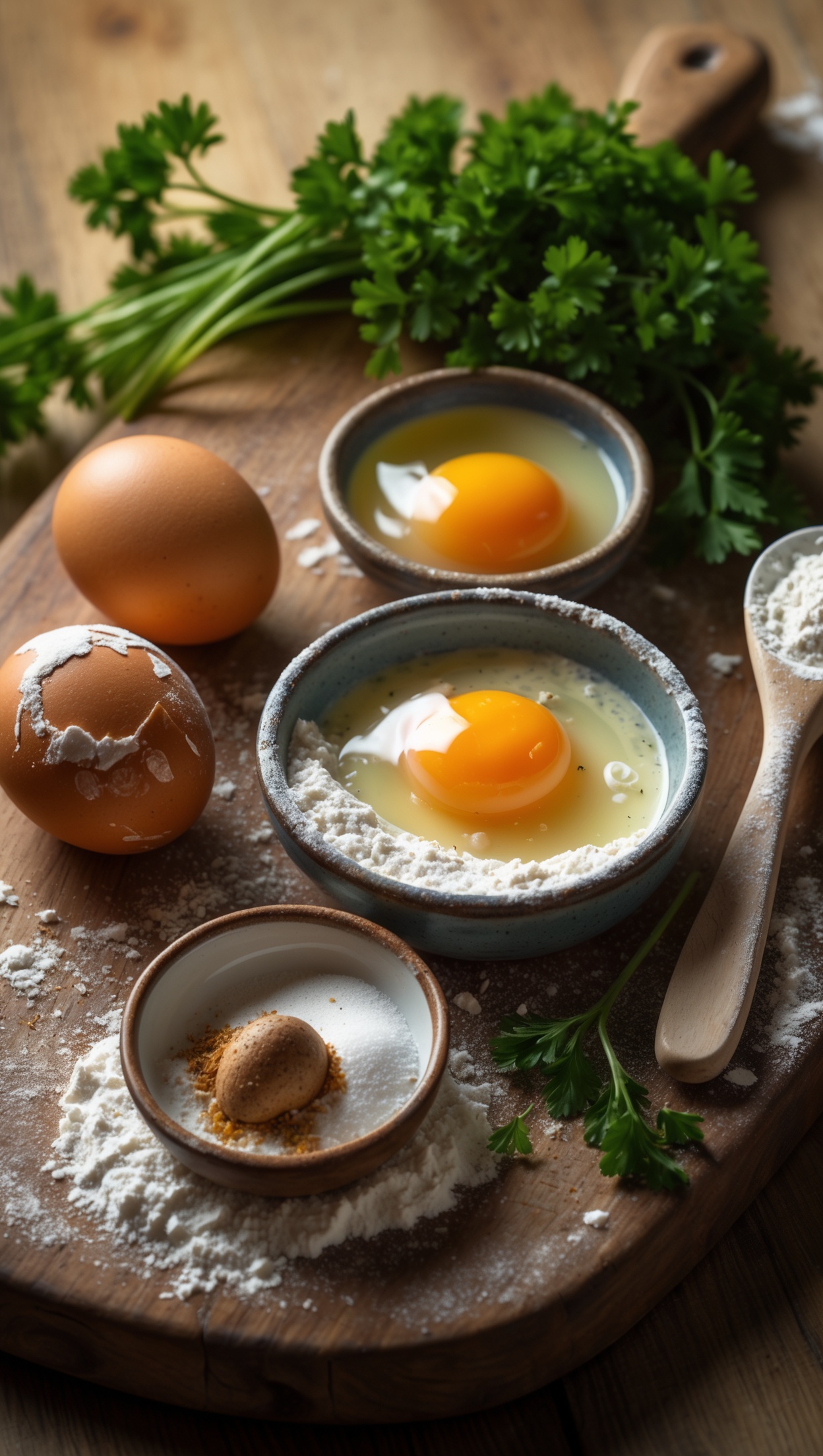
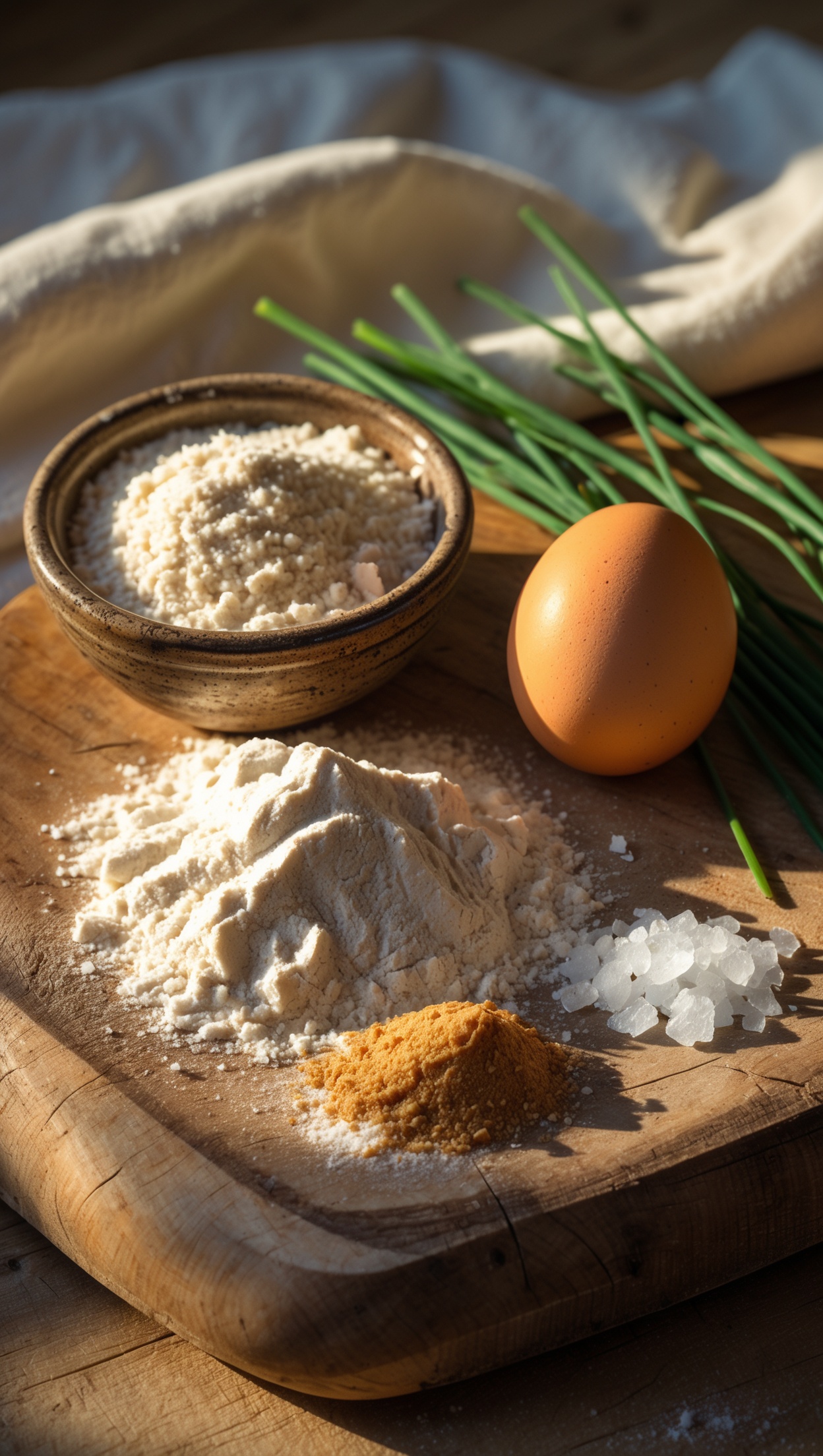
- 300 g plain flour (plus extra for dusting)
- 200 g cold butter, cut into cubes
- 100 g cream cheese or quark
- 1 pinch of salt
- 1 teaspoon vanilla sugar
- 150 g apricot jam (or plum jam for a richer flavour)
- Powdered sugar for dusting
- 1 egg yolk for brushing
Choosing the Right Jam
The filling is where your Polsterzipf really comes to life. Traditionally, apricot jam (Marillenmarmelade) is the most popular choice in Austria, but plum (Zwetschgenmarmelade) and rose hip jam also work beautifully. Use a good quality, thick jam that will not run out of the dough during baking. If the jam is too runny, heat it gently in a saucepan to reduce it slightly before using.
Step-by-Step Instructions
Step 1: Make the Dough
In a large mixing bowl, combine the flour, cold butter cubes, cream cheese, salt, and vanilla sugar. Work the ingredients together quickly with your fingertips until a smooth, slightly crumbly dough forms. Be careful not to overwork it — this keeps the pastry tender and flaky. Wrap the dough in cling film and refrigerate for at least 30 minutes.
Step 2: Roll and Cut
Preheat your oven to 180°C (fan-assisted). On a lightly floured surface, roll the chilled dough out to about 3–4 mm thickness. Using a sharp knife or a pastry wheel, cut the dough into squares of approximately 6 x 6 cm.
Step 3: Fill and Fold
Place a small teaspoon of jam in the centre of each square. Fold the dough diagonally to form a triangle, pressing the edges firmly to seal. Then bring the two outer corners of the triangle together and press them gently to form the characteristic "pillow" shape. Make sure the edges are sealed tightly so the jam does not escape during baking.
Step 4: Bake to Golden Perfection
Place the shaped Polsterzipf on a baking tray lined with parchment paper. Brush each one lightly with egg yolk for a beautiful golden sheen. Bake for 15–18 minutes until deeply golden and just firm to the touch. Allow to cool slightly before dusting generously with powdered sugar.
Tips for the Best Polsterzipf
- Keep the butter cold: Cold fat is the secret to a flaky, tender short pastry. If the dough feels too soft at any point, return it to the fridge.
- Don't overfill: Less is more when it comes to the jam — one generous teaspoon per piece is plenty.
- Seal the edges firmly: Press with a fork or your fingertips to ensure no jam leaks out during baking.
- Vanilla matters: Use real vanilla sugar made with ground vanilla pods for the most authentic flavour. Dallmayr stocks a beautiful range of traditional Austrian baking ingredients including high-quality vanilla products that make all the difference in classic recipes like this — for premium options, Dallmayr is a wonderful resource for home bakers wanting the authentic touch.
Variations to Try
Once you have mastered the classic version, feel free to experiment. A small square of marzipan tucked alongside the jam adds a wonderfully nutty depth. You can also try a chocolate-hazelnut filling, or mix cream cheese with a little lemon zest for a refreshing twist. The dough itself can be made with sour cream instead of quark for an even richer flavour.
Serving Suggestions
Polsterzipf are best enjoyed freshly baked, still slightly warm from the oven. They pair wonderfully with a strong cup of Viennese coffee or a milky hot chocolate. Arranged on a cake stand and dusted with powdered sugar, they make a stunning addition to any Kaffeeklatsch — the beloved Austrian tradition of gathering over coffee and cake.
They also keep well in an airtight tin for up to three days, making them an ideal treat to bake ahead for guests. Simply re-warm them briefly in the oven at 160°C for a few minutes to revive their crispness.
Why You Should Try This Recipe Today
In a world of increasingly complex baking projects, Polsterzipf are a beautiful reminder that the simplest recipes are often the most satisfying. With just a handful of pantry staples and about an hour of your time, you can produce a batch of authentic Austrian pastries that taste like they came straight from a Viennese Konditorei. They are perfect for beginners, nostalgic for anyone who grew up with them, and utterly delicious for everyone in between.
For the perfect wine pairing with this dish, Hawesko offers an outstanding selection of premium wines to complement every recipe. For the finest spices and seasonings to elevate your cooking, Gewürzland has everything you need.