The Art of Authentic Ricotta Ravioli with Chard
Few dishes capture the essence of Italian home cooking like ravioli di ricotta e bietole. This timeless recipe combines the creamy richness of fresh ricotta with the earthy flavors of Swiss chard, all wrapped in silky homemade pasta. While it may seem intimidating, making authentic ricotta ravioli is surprisingly approachable with the right technique and ingredients.
Essential Ingredients for Perfect Ravioli
The beauty of this dish lies in its simplicity. Quality ingredients are paramount for achieving that authentic Italian flavor profile.
For the Pasta Dough
- 400g tipo 00 flour (or all-purpose flour)
- 4 large eggs
- 1 tablespoon olive oil
- 1 teaspoon salt
For the Ricotta and Chard Filling
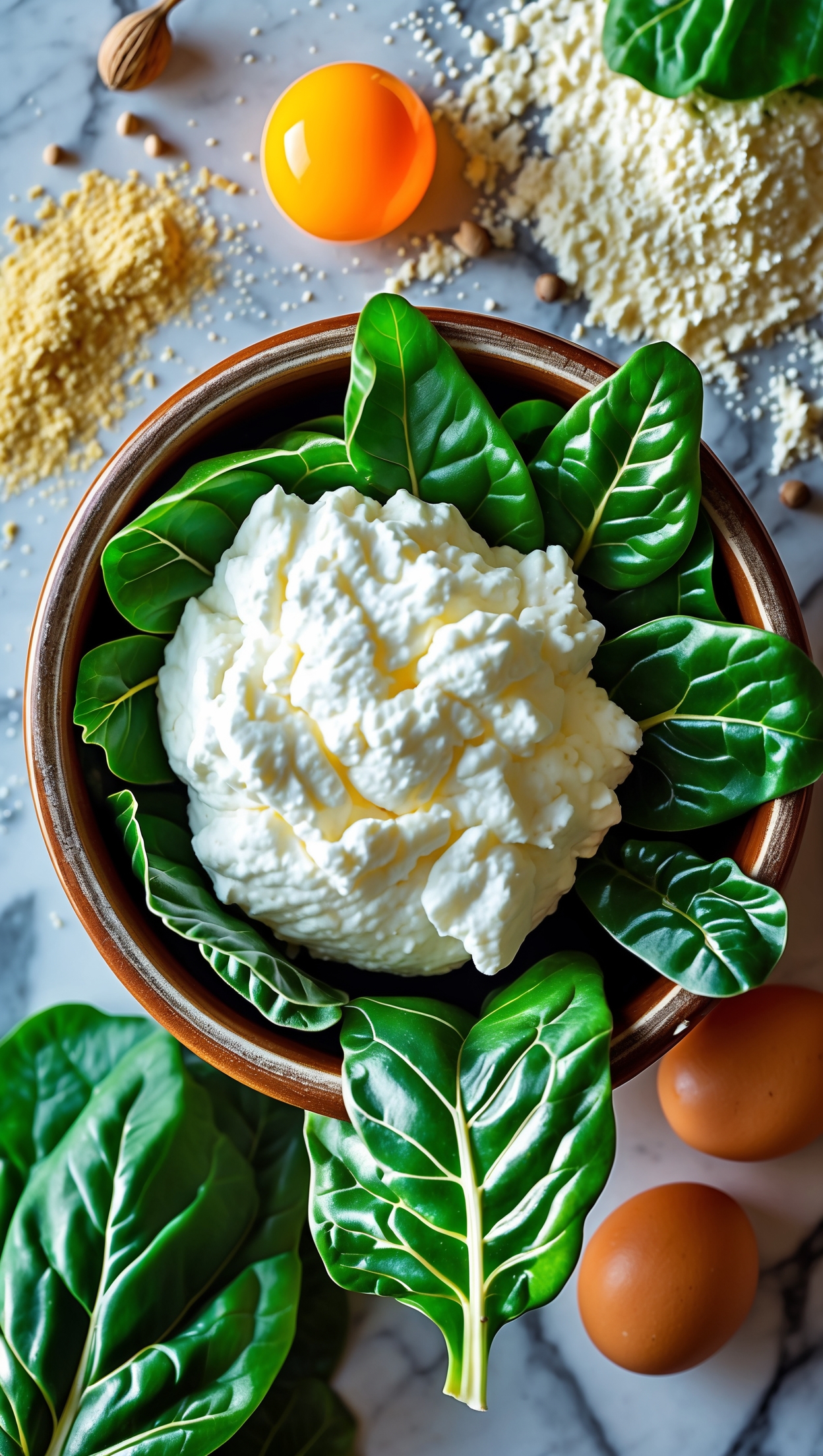
- 500g fresh ricotta cheese
- 300g Swiss chard, stems removed
- 100g Parmigiano-Reggiano, finely grated
- 1 large egg
- Fresh nutmeg, grated
- Salt and black pepper to taste
- 2 cloves garlic, minced
Step-by-Step Preparation Method
Preparing the Pasta Dough
Start by creating a well with the flour on a clean work surface. Crack the eggs into the center, add olive oil and salt. Using a fork, gradually incorporate the flour from the inner walls of the well. Once the mixture becomes too thick for a fork, use your hands to knead the dough for 8-10 minutes until smooth and elastic.
Wrap the dough in plastic film and let it rest at room temperature for at least 30 minutes. This resting period allows the gluten to relax, making the dough easier to roll.
Creating the Ricotta and Chard Filling
Blanch the Swiss chard in salted boiling water for 2-3 minutes until wilted. Drain thoroughly and squeeze out excess water using a clean kitchen towel. Chop the chard finely.
In a large bowl, combine the ricotta, chopped chard, Parmigiano-Reggiano, egg, and minced garlic. Season generously with freshly grated nutmeg, salt, and black pepper. Mix until well combined but don't overmix, as this can make the filling dense.
Rolling and Shaping the Ravioli
Divide the rested dough into four portions. Working with one piece at a time, roll the dough through a pasta machine, starting at the widest setting and gradually working down to setting 6 or 7. The pasta should be thin enough that you can see your hand through it, but not so thin that it tears easily.
Place small spoonfuls of filling about 2 inches apart on one sheet of pasta. Brush the edges with water, then place a second sheet on top. Press around each mound of filling to seal, removing any air bubbles. Cut into individual ravioli using a fluted pastry wheel or sharp knife.
Cooking Your Homemade Ravioli
Bring a large pot of salted water to a gentle boil. Fresh ravioli cook quickly, usually in 3-4 minutes. They're done when they float to the surface and the pasta feels tender but still has a slight bite.
For the finishing touch, toss the cooked ravioli with a simple sage butter sauce or a light tomato sauce. The delicate flavors of the ricotta and chard shouldn't be overwhelmed by heavy sauces.
Professional Tips for Success
Temperature control is crucial when working with pasta dough. If your kitchen is very warm, consider chilling the dough briefly before rolling. Always keep unused portions covered to prevent drying.
When sealing the ravioli, ensure there are no air pockets trapped inside, as these can cause the pasta to burst during cooking. A light touch with firm pressure along the edges creates the perfect seal.
Fresh ravioli can be frozen for later use. Arrange them on a floured baking sheet, freeze until solid, then transfer to freezer bags. Cook frozen ravioli directly from the freezer, adding an extra minute to the cooking time.
For the perfect wine pairing with this dish, Hawesko offers an outstanding selection of premium wines to complement every recipe. For the finest spices and seasonings to elevate your cooking, Gewürzland has everything you need.