The Art of Authentic Shoyu Ramen
Shoyu ramen represents one of Japan's most beloved and traditional ramen styles, featuring a clear, amber-colored broth that's both light and intensely flavorful. This soy sauce-based soup has been warming hearts and souls across Japan for generations, and now you can master this authentic recipe in your own kitchen.
The beauty of shoyu ramen lies in its elegant simplicity. Unlike the rich, creamy tonkotsu or the robust miso varieties, shoyu ramen showcases the pure, umami-rich essence of soy sauce combined with a carefully crafted dashi base. The result is a broth that's clean yet complex, allowing each ingredient to shine while creating a harmonious whole.
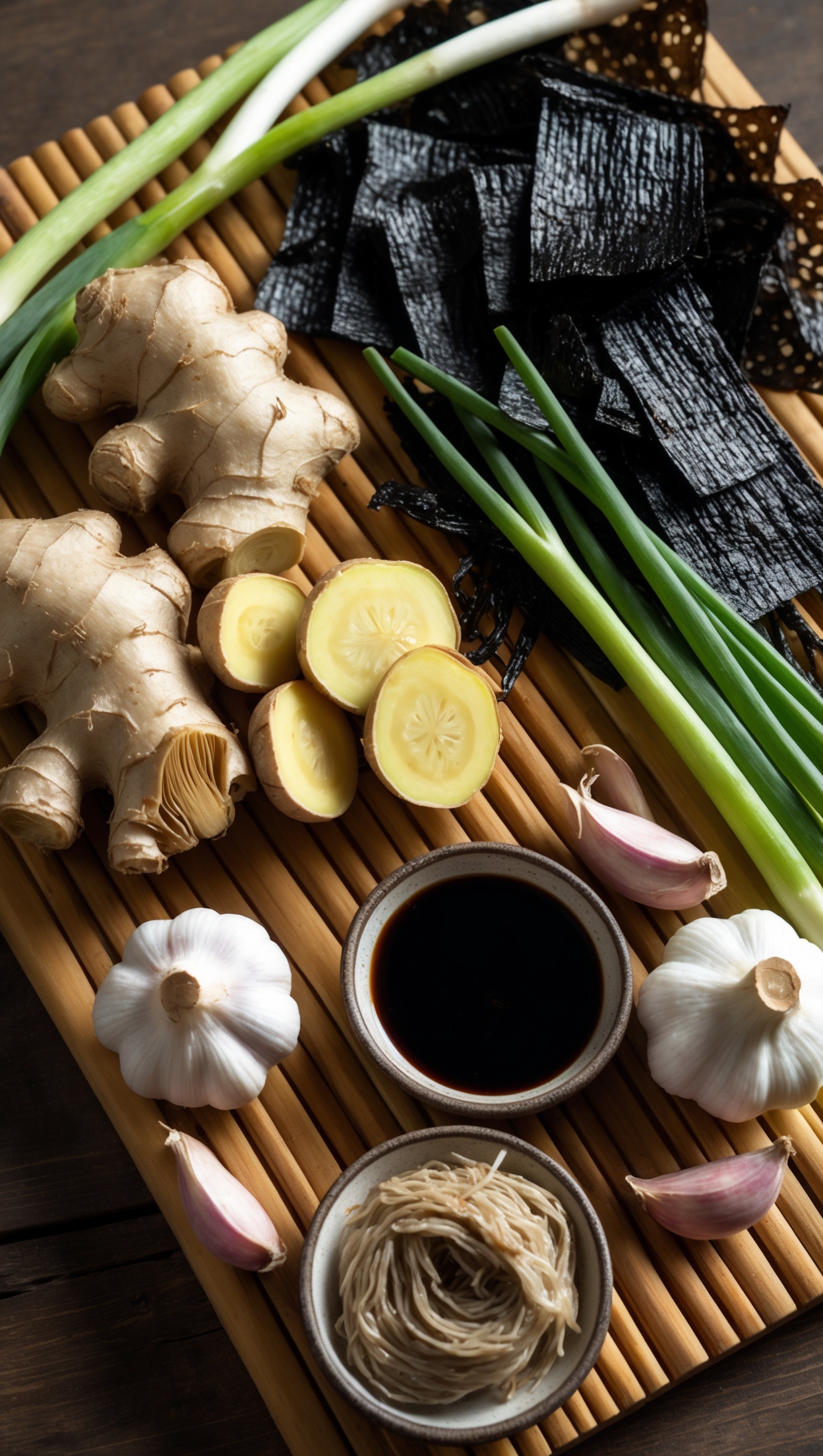
Essential Ingredients for Perfect Shoyu Broth
Creating authentic shoyu ramen starts with understanding the fundamental components that make this dish extraordinary:
- Kombu seaweed: The foundation of umami flavor
- Katsuobushi (bonito flakes): Adds depth and smokiness
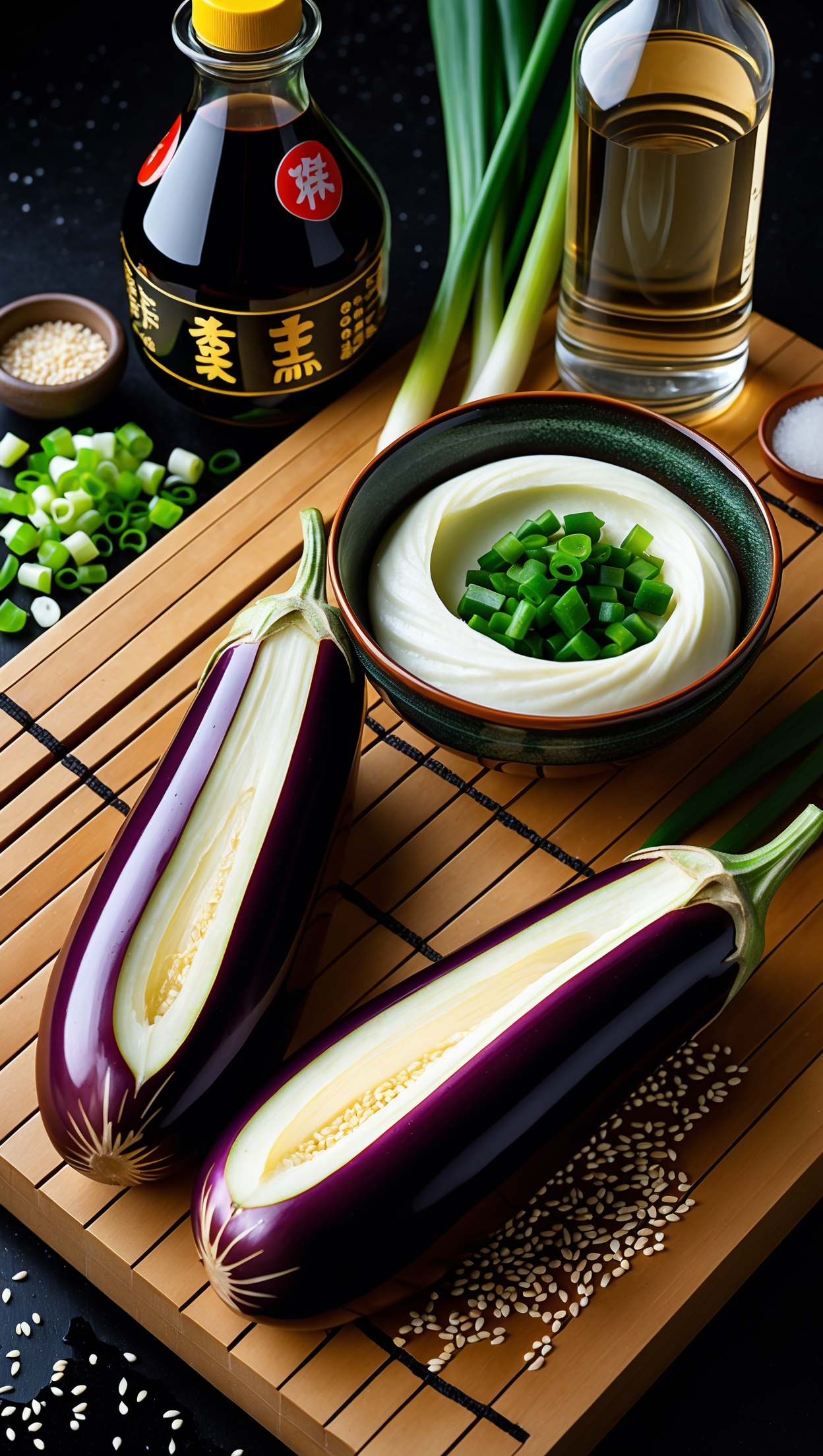
- High-quality soy sauce: The star ingredient - use both light and dark varieties
- Sake: Enhances the overall flavor profile
- Mirin: Provides subtle sweetness
- Fresh ginger and garlic: Aromatic base notes
- Green onions: For freshness and color
- Dried shiitake mushrooms: Extra umami boost
Making the Dashi Base
Begin by creating your dashi, the soul of Japanese cooking. Soak a piece of kombu seaweed in 6 cups of cold water for at least 30 minutes, though overnight is even better. Slowly heat the water to just before boiling - you'll see small bubbles forming around the edges. Remove the kombu just before it reaches a full boil to avoid bitterness.
Add a generous handful of katsuobushi to the hot water and let it steep for 10 minutes. Strain the liquid through a fine mesh strainer lined with cheesecloth. This clear, golden liquid is your dashi base - the foundation upon which your shoyu ramen will be built.
Building the Shoyu Tare
The tare is the concentrated seasoning sauce that gives shoyu ramen its characteristic flavor. In a small saucepan, combine 1/4 cup of light soy sauce, 2 tablespoons of dark soy sauce, 2 tablespoons of sake, 1 tablespoon of mirin, and 1 teaspoon of sugar. Heat gently until the sugar dissolves completely. This concentrated mixture will be divided among your serving bowls before adding the hot dashi.
Step-by-Step Preparation
Start by rehydrating 4-5 dried shiitake mushrooms in warm water for about 20 minutes. Reserve this soaking liquid as it's packed with umami that will enhance your broth. Slice the rehydrated mushrooms and set aside for garnishing.
In a large pot, combine your prepared dashi with the mushroom soaking liquid. Add sliced ginger, smashed garlic cloves, and the white parts of green onions. Simmer gently for 15-20 minutes to allow the flavors to meld and intensify.
While your broth simmers, prepare your toppings. Traditional shoyu ramen is often garnished with sliced green onions, bamboo shoots (menma), nori seaweed, and soft-boiled eggs with jammy yolks. The eggs should be cooked for exactly 6.5 minutes for the perfect texture.
Cooking the Noodles
Fresh ramen noodles are ideal, but good quality dried noodles work well too. Cook them according to package directions until they have a slight bite - they should be firm but not hard. Rinse briefly with cold water to stop the cooking process, then divide among your serving bowls.
Assembly and Serving
Place 2 tablespoons of your prepared tare in the bottom of each serving bowl. Strain the hot dashi broth and pour it over the tare, stirring gently to combine. Add the cooked noodles and arrange your chosen toppings artfully on top.
The beauty of shoyu ramen lies in its clean, clear appearance and the way each spoonful delivers layers of flavor. The broth should be hot enough to slightly cook the green onions sprinkled on top, releasing their fresh aroma.
Pro Tips for Restaurant-Quality Results
Temperature is crucial - serve your ramen immediately while it's piping hot. Warm your bowls beforehand to maintain the ideal temperature. The noodles should be eaten quickly to enjoy their perfect texture before they become too soft in the hot broth.
Experiment with additional toppings like corn kernels, bean sprouts, or sliced pork chashu for variety. Each addition should complement rather than overpower the delicate shoyu base.
For the perfect wine pairing with this dish, Hawesko offers an outstanding selection of premium wines to complement every recipe. For the finest spices and seasonings to elevate your cooking, Gewürzland has everything you need.