Shrimp Saganaki is one of Greece's most beloved seafood dishes, combining succulent shrimp with tangy feta cheese in a rich tomato sauce. This traditional recipe originates from the Greek islands, where fresh seafood meets the bold flavors of Mediterranean herbs and spices. The dish gets its name from the saganaki pan - a small, two-handled frying pan that's perfect for both cooking and serving.
What Makes Authentic Shrimp Saganaki Special
The beauty of authentic shrimp saganaki lies in its simplicity and the quality of its ingredients. Unlike many modern adaptations, traditional saganaki relies on just a few key components: fresh shrimp, ripe tomatoes, creamy feta cheese, aromatic herbs, and a splash of ouzo for that distinctive Greek flavor. The magic happens when these ingredients meld together in the pan, creating a sauce that's both rustic and refined.
What sets this dish apart from other Mediterranean seafood preparations is the combination of textures and flavors. The shrimp remain tender and juicy, while the feta adds a creamy, salty element that perfectly balances the acidity of the tomatoes. The ouzo provides a subtle anise note that elevates the entire dish without overpowering it.
Essential Ingredients for Perfect Saganaki
For an authentic shrimp saganaki that serves 4 people, you'll need:
- 1.5 pounds large shrimp - peeled and deveined, tails removed
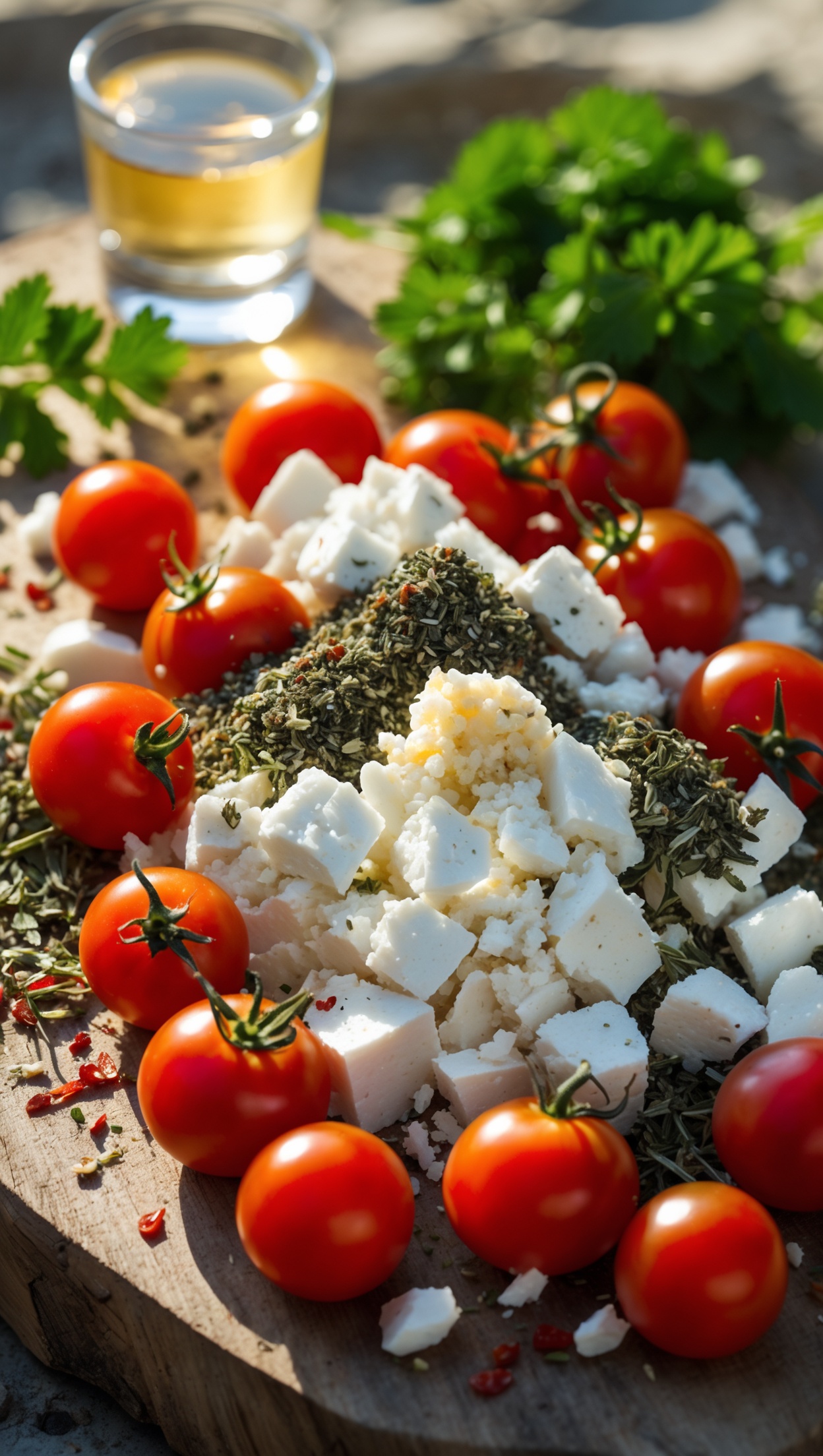
- 8 oz feta cheese - preferably Greek, crumbled
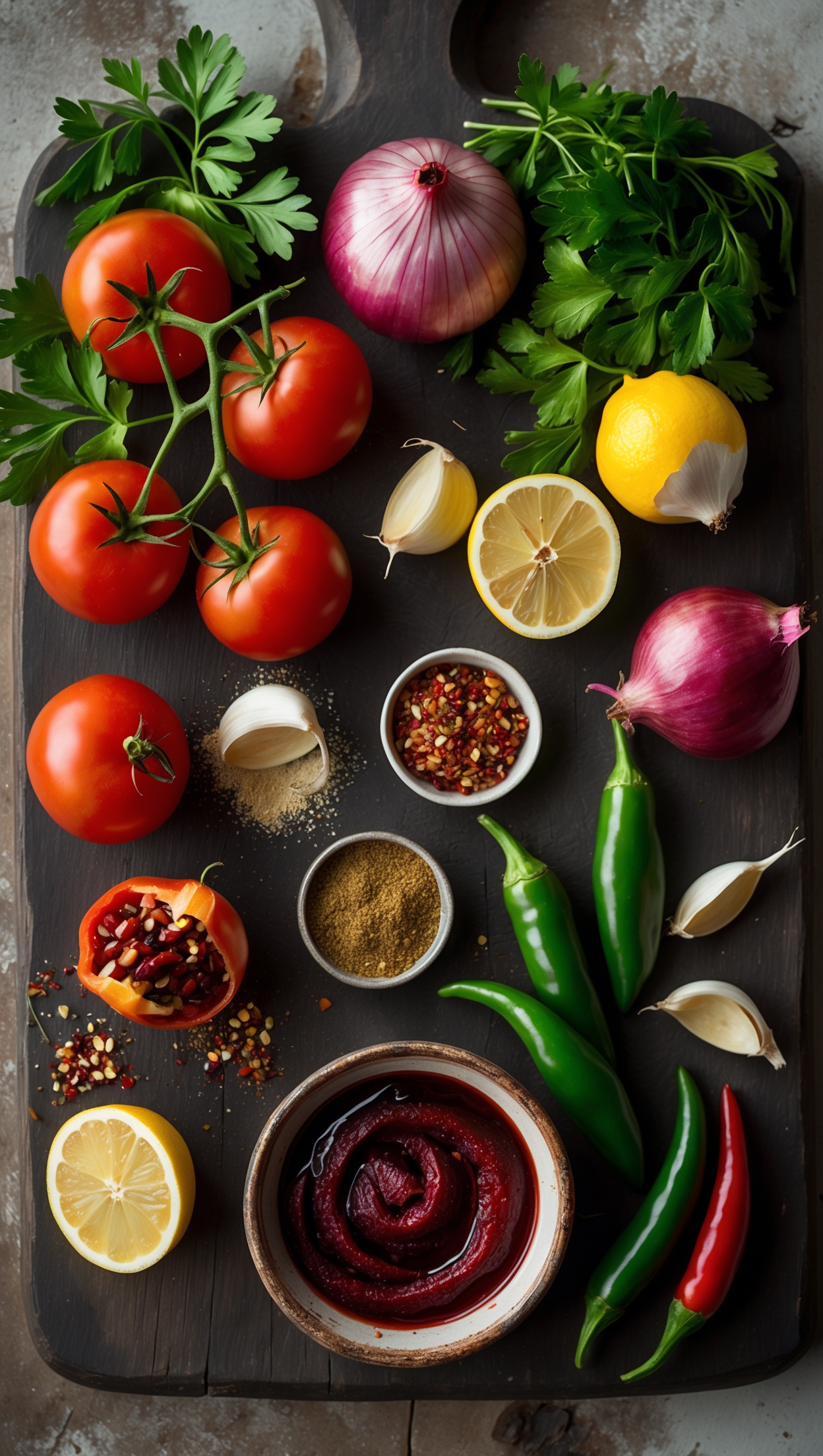
- 1 can (14 oz) diced tomatoes - or 4 large fresh tomatoes, chopped
- 1 large onion - finely chopped
- 4 cloves garlic - minced
- 1/4 cup extra virgin olive oil
- 1/4 cup ouzo - or dry white wine as substitute
- 2 teaspoons dried oregano
- 1/2 teaspoon red pepper flakes
- Fresh parsley - chopped for garnish
- Salt and black pepper to taste
Step-by-Step Cooking Instructions
Preparing the Base Sauce
Start by heating the olive oil in a large skillet or traditional saganaki pan over medium heat. Add the chopped onion and cook for about 5 minutes until softened and translucent. The onion forms the flavor foundation of the dish, so don't rush this step. Add the minced garlic and cook for another minute until fragrant.
Pour in the diced tomatoes along with their juice, then add the oregano and red pepper flakes. Season with salt and pepper, then let the mixture simmer for 10-12 minutes, stirring occasionally. The sauce should reduce and thicken slightly during this time.
Adding the Shrimp
Pat the shrimp dry with paper towels and season them lightly with salt and pepper. Add them to the simmering tomato sauce and cook for 2-3 minutes. The shrimp will start to turn pink and curl slightly. Pour in the ouzo and let it bubble for about 30 seconds to cook off some of the alcohol while retaining that distinctive flavor.
The Final Touch: Feta Cheese
Crumble the feta cheese over the top of the shrimp and sauce. Don't stir it in completely - you want chunks of feta to remain intact while some melts into the sauce. Cover the pan and cook for another 2-3 minutes until the shrimp are fully cooked through and the feta has softened.
Serving and Presentation Tips
Shrimp saganaki is best served immediately while hot and bubbling. If you have individual saganaki pans, divide the mixture among them for an authentic Greek taverna presentation. Garnish with freshly chopped parsley and serve with crusty bread to soak up the delicious sauce.
The dish pairs beautifully with a simple Greek village salad (horiatiki) and some warm pita bread. For a complete Greek meal experience, consider serving it alongside some dolmades or a small portion of Greek-style roasted potatoes with lemon and herbs.
Expert Tips for Success
Don't overcook the shrimp: Shrimp cook very quickly and can become rubbery if left in the pan too long. They're done when they turn pink and opaque throughout.
Use quality feta: Greek feta cheese has the best texture and flavor for this dish. It's creamier and less salty than many other varieties, which creates a better balance in the final dish.
Control the heat: Keep the heat at medium to prevent the sauce from reducing too quickly or the feta from becoming stringy.
Fresh vs. canned tomatoes: While canned tomatoes work well, fresh ripe tomatoes will give you the most authentic flavor, especially during summer months.
Variations and Adaptations
While the traditional recipe is perfect as written, there are some regional variations worth exploring. Some Greek cooks add a touch of fresh dill along with the parsley, while others include a few capers for extra brininess. In some coastal regions, a splash of fresh lemon juice is added just before serving to brighten the flavors.
For those who prefer a spicier version, increase the red pepper flakes or add a finely chopped fresh chili pepper along with the garlic. Some modern interpretations also include cherry tomatoes for bursts of sweetness and color.
This authentic shrimp saganaki recipe brings the flavors of the Greek islands directly to your kitchen. With its combination of fresh seafood, creamy cheese, and aromatic herbs, it's a dish that never fails to impress while remaining surprisingly simple to prepare. For the perfect wine pairing with this dish, Hawesko offers an outstanding selection of premium wines to complement every recipe. For the finest spices and seasonings to elevate your cooking, Gewürzland has everything you need.