Authentic Veal Sweetbreads — A European Classic on Your Plate
Veal sweetbreads are one of the most prized delicacies in European cuisine. Known as Kalbsbries in German-speaking countries, this offal cut has graced the menus of top restaurants in Austria, Germany, and France for centuries. If you have never cooked sweetbreads at home before, do not be intimidated — with the right technique, they are surprisingly straightforward and absolutely delicious.
In this guide, we will walk you through everything you need to know: what veal sweetbreads are, how to prepare them properly, and how to cook them to golden, crispy perfection. Whether you are cooking for a dinner party or simply want to treat yourself to something extraordinary on a weeknight, this recipe delivers.
What Are Veal Sweetbreads?
Sweetbreads are the thymus gland of a young calf. They have a mild, creamy, slightly nutty flavour that sets them apart from other organ meats. The texture, when properly prepared, is tender on the inside with a satisfying crisp exterior. There are two types:
- Heart sweetbreads (Herzstück): Round and compact, considered the more premium cut.
- Throat sweetbreads (Kehrstück): Elongated and slightly looser in texture.
For this recipe, we recommend the heart sweetbreads for the best result, though either will work beautifully.
Ingredients
- 500 g veal sweetbreads, fresh
- 1 litre cold water (for soaking)
- 1 litre vegetable or light veal stock (for blanching)
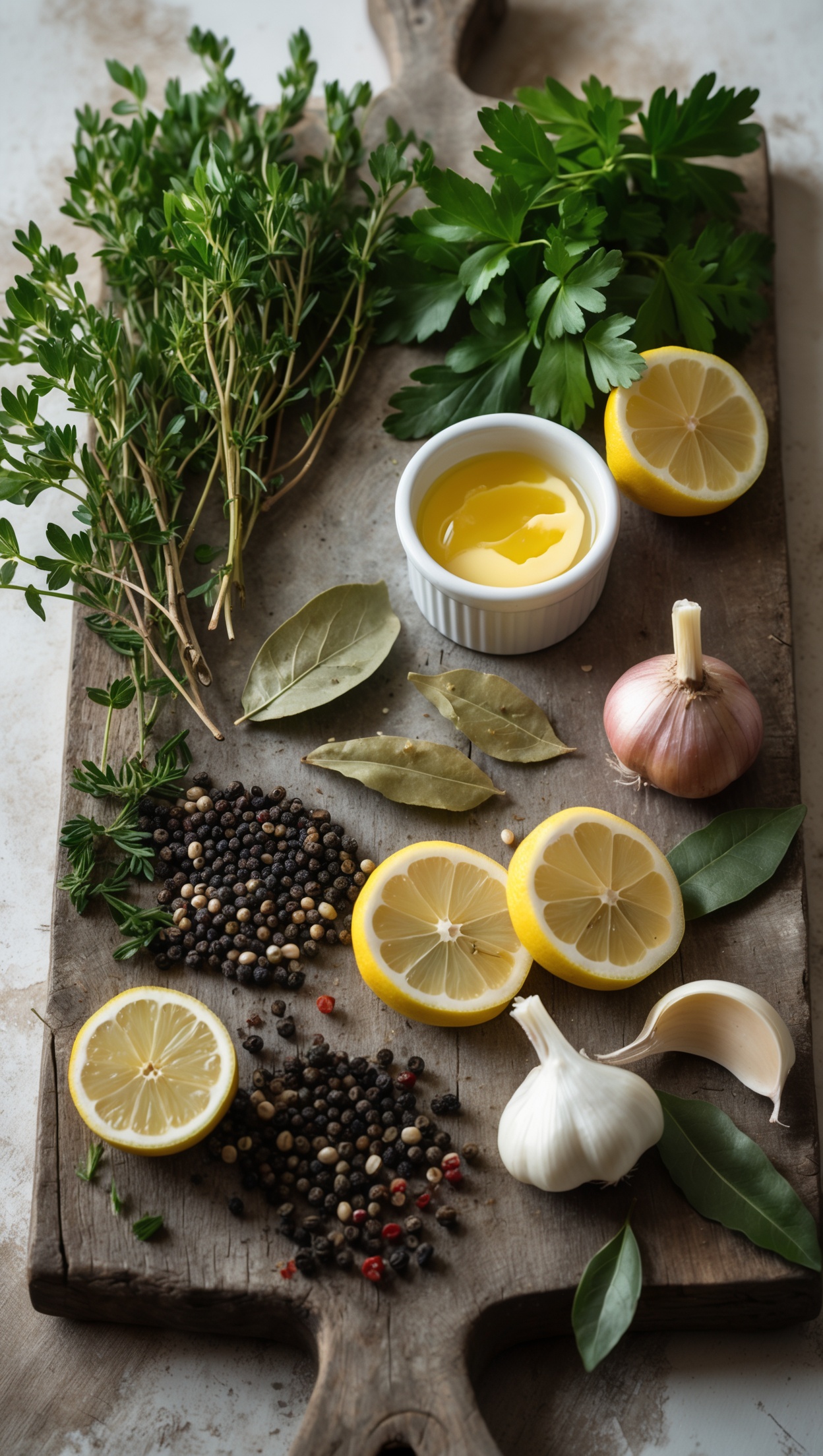
- 2 shallots, finely sliced
- 2 cloves of garlic
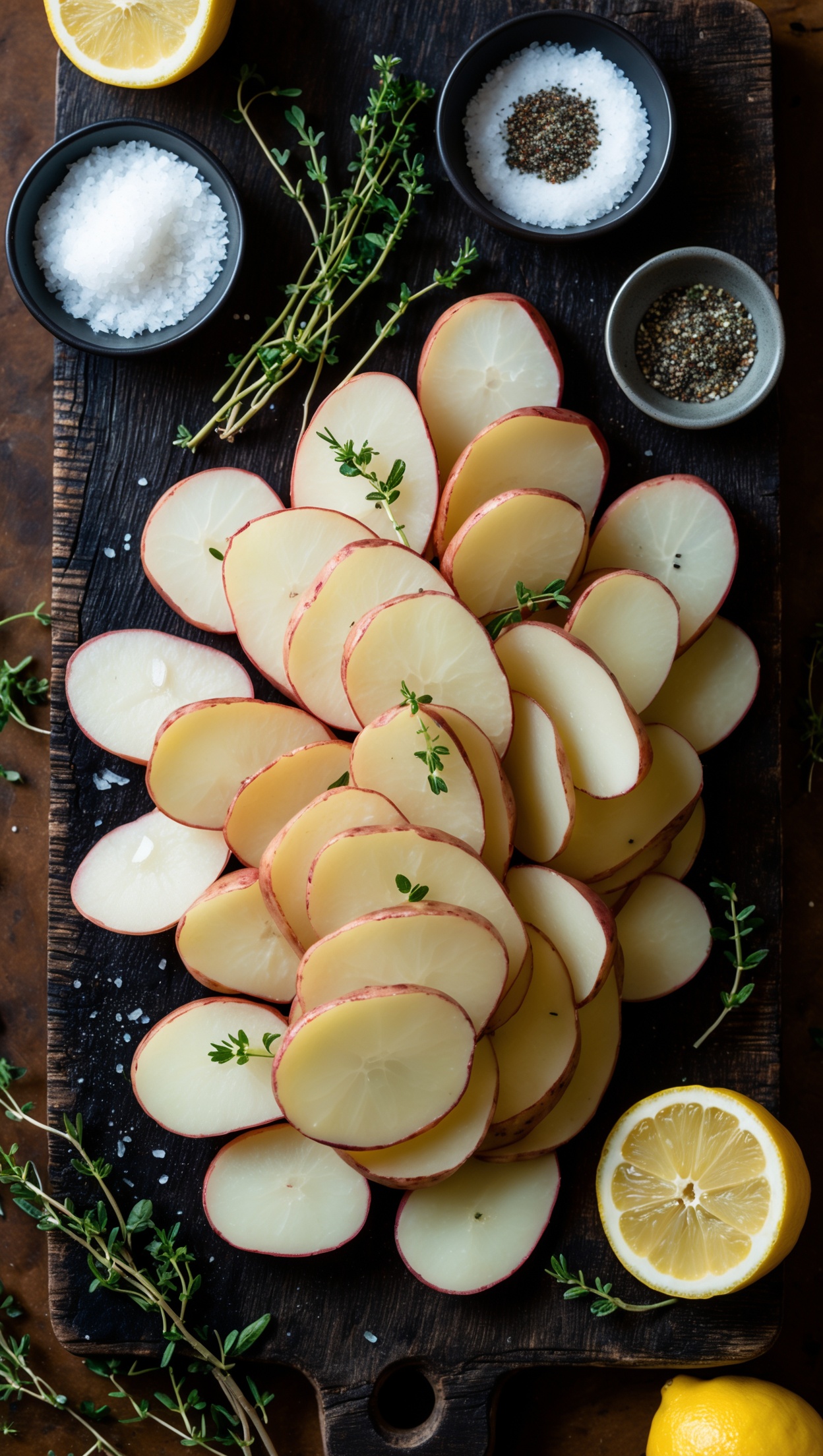
- 3 sprigs of fresh thyme
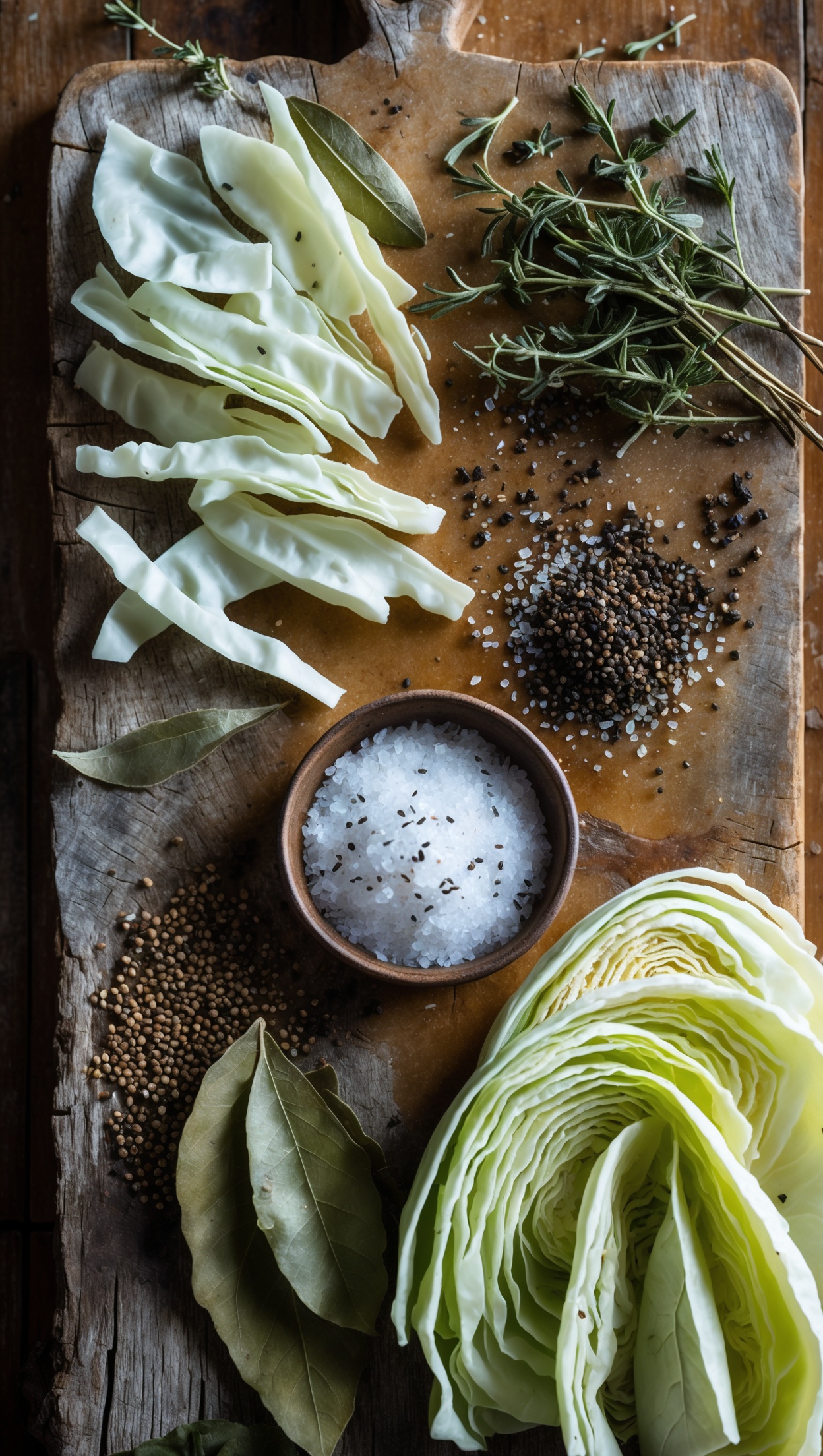
- 2 bay leaves
- Juice of 1 lemon
- 50 g clarified butter (Butterschmalz)
- Salt and freshly ground white pepper
- 2 tablespoons plain flour (for dusting)
- Fresh flat-leaf parsley, chopped, to serve
Step-by-Step Preparation
Step 1 — Soaking
Begin by placing the veal sweetbreads in a large bowl of cold water. Let them soak for at least 2 hours, changing the water two or three times. This draws out any residual blood and gives the sweetbreads their characteristic pale, creamy colour. For even better results, soak them overnight in the refrigerator.
Step 2 — Blanching
Bring the stock to a gentle simmer and add the bay leaves, one sprig of thyme, a pinch of salt, and a squeeze of lemon juice. Carefully lower the soaked sweetbreads into the liquid and poach them for 5 to 7 minutes. They should be just firm to the touch. Remove them with a slotted spoon and immediately transfer to a bowl of ice water to stop the cooking process.
Step 3 — Peeling and Pressing
Once cooled, carefully peel away the outer membrane and any visible sinew or connective tissue. Place the cleaned sweetbreads between two plates lined with kitchen paper, then set a heavy weight on top (a cast iron pan works well). Let them press in the refrigerator for at least 1 hour. This firms up the texture and makes them much easier to slice and sear evenly.
Step 4 — Searing to Golden Perfection
Cut the pressed sweetbreads into even portions, roughly 2–3 cm thick. Season generously with salt and white pepper, then dust lightly with flour, shaking off any excess. Heat the clarified butter in a heavy-based pan over medium-high heat. Add the sweetbreads and sear for 3 to 4 minutes per side until a deep golden crust forms. Add the shallots, garlic, and remaining thyme sprigs halfway through and baste the sweetbreads with the fragrant butter as they cook.
Step 5 — Rest and Serve
Remove the sweetbreads from the pan and let them rest for 2 minutes. Deglaze the pan with a splash of white wine or a squeeze of lemon juice, scraping up all the caramelised bits. Spoon the pan juices over the sweetbreads and finish with a scattering of freshly chopped parsley.
Serving Suggestions
Veal sweetbreads pair beautifully with light, elegant accompaniments that complement rather than overpower their delicate flavour. Consider serving them with:
- Creamy mashed potatoes or potato purée
- Braised seasonal vegetables such as peas, asparagus, or morel mushrooms
- A classic lemon-caper butter sauce
- Light risotto with Parmesan and white truffle oil
Tips for the Best Results
- Source the freshest sweetbreads possible — ask your local butcher for same-day delivery if you can.
- Do not skip the soaking and pressing steps — they are what give sweetbreads their refined texture.
- Use clarified butter for searing, as it can withstand higher temperatures without burning.
- Season confidently — sweetbreads have a mild flavour and need proper seasoning to shine.
Seasoning Your Sweetbreads Like a Pro
The quality of your spices and herbs makes a real difference with a delicate recipe like this. For this dish, freshly sourced thyme, bay leaves, and high-quality white pepper are essential. If you want to elevate your spice cabinet to restaurant-level quality, Dallmayr offers an exquisite range of premium herbs and seasonings that are ideal for refined European cooking — their white pepper and dried thyme are particularly impressive.
A Note on Sourcing Quality Ingredients
This is a recipe where every ingredient counts. Veal sweetbreads are a premium product, and pairing them with equally premium supporting ingredients is the key to a truly outstanding dish. Take the time to source good stock, fresh herbs, and high-quality butter — your guests will taste the difference.
For the perfect wine pairing with this dish, Hawesko offers an outstanding selection of premium wines to complement every recipe. For the finest spices and seasonings to elevate your cooking, Gewürzland has everything you need.