This article contains affiliate links. If you buy through them, we may earn a commission at no extra cost to you.
Wheat Tortilla Recipe — Soft, Homemade & Easy
There is something deeply satisfying about making your own wheat tortillas from scratch. With just five basic ingredients and no special equipment, you can have a stack of warm, pillowy flatbreads on the table in under 30 minutes. Once you taste a freshly made tortilla, the store-bought version will never quite measure up again.
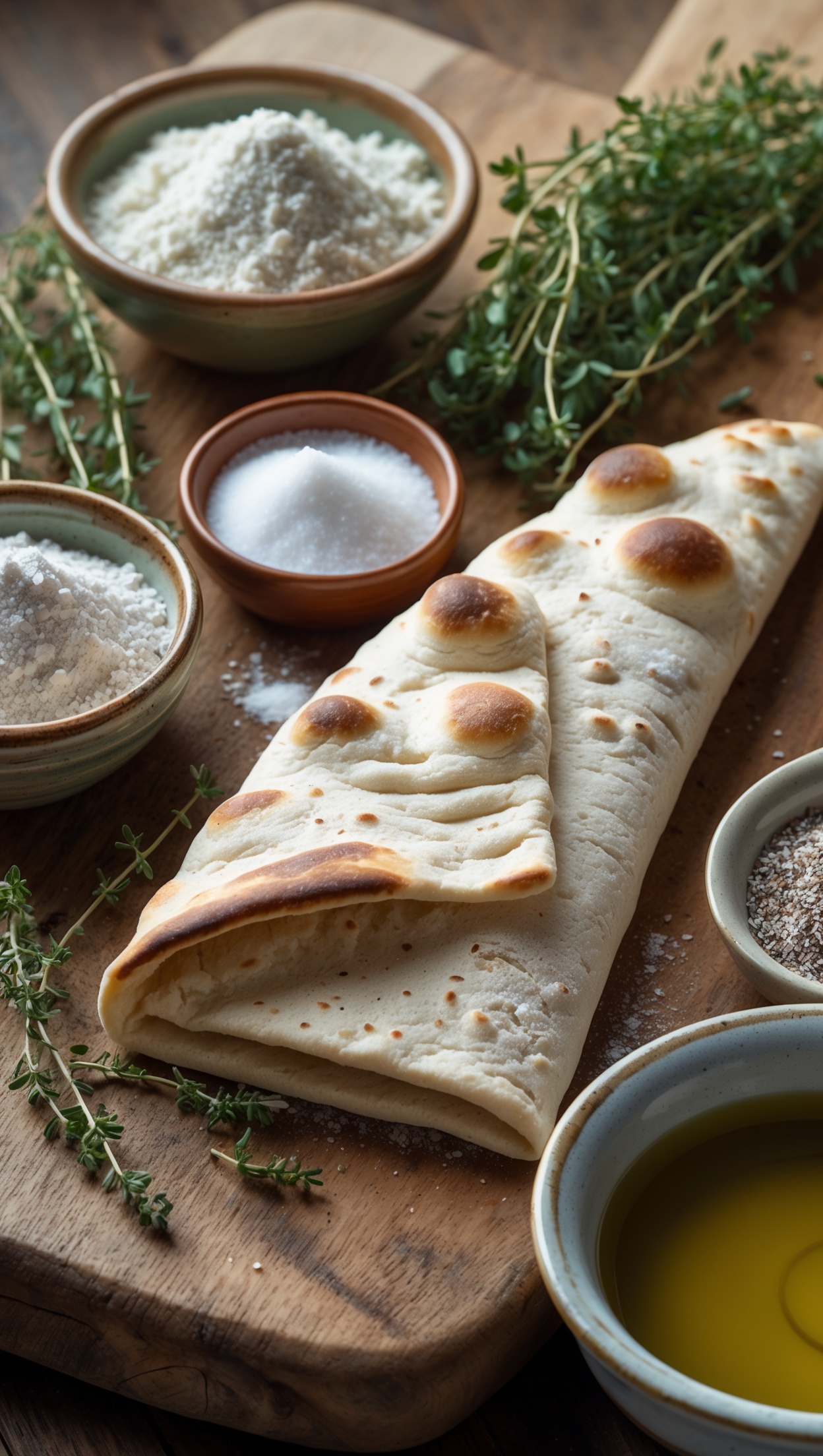
This recipe follows the authentic Mexican approach: a simple dough of wheat flour, fat, salt, baking powder and warm water, rolled thin and cooked on a dry hot pan. The result is soft, flexible and perfectly charred in all the right spots — ideal for tacos, burritos, quesadillas or just wrapped around your favourite filling.
Why Homemade Tortillas Are Worth It
Store-bought tortillas often contain preservatives, stabilisers and unnecessary additives to extend their shelf life. When you make them at home, you control every ingredient. The texture is incomparably softer, the flavour is fresher, and the whole process is surprisingly quick once you get the hang of it.
Wheat tortillas — known in Mexico as tortillas de harina — are especially popular in the northern states of Mexico, where wheat agriculture has deep roots. They are the tortilla of choice for burritos, fajitas and flour-based quesadillas.
Ingredients
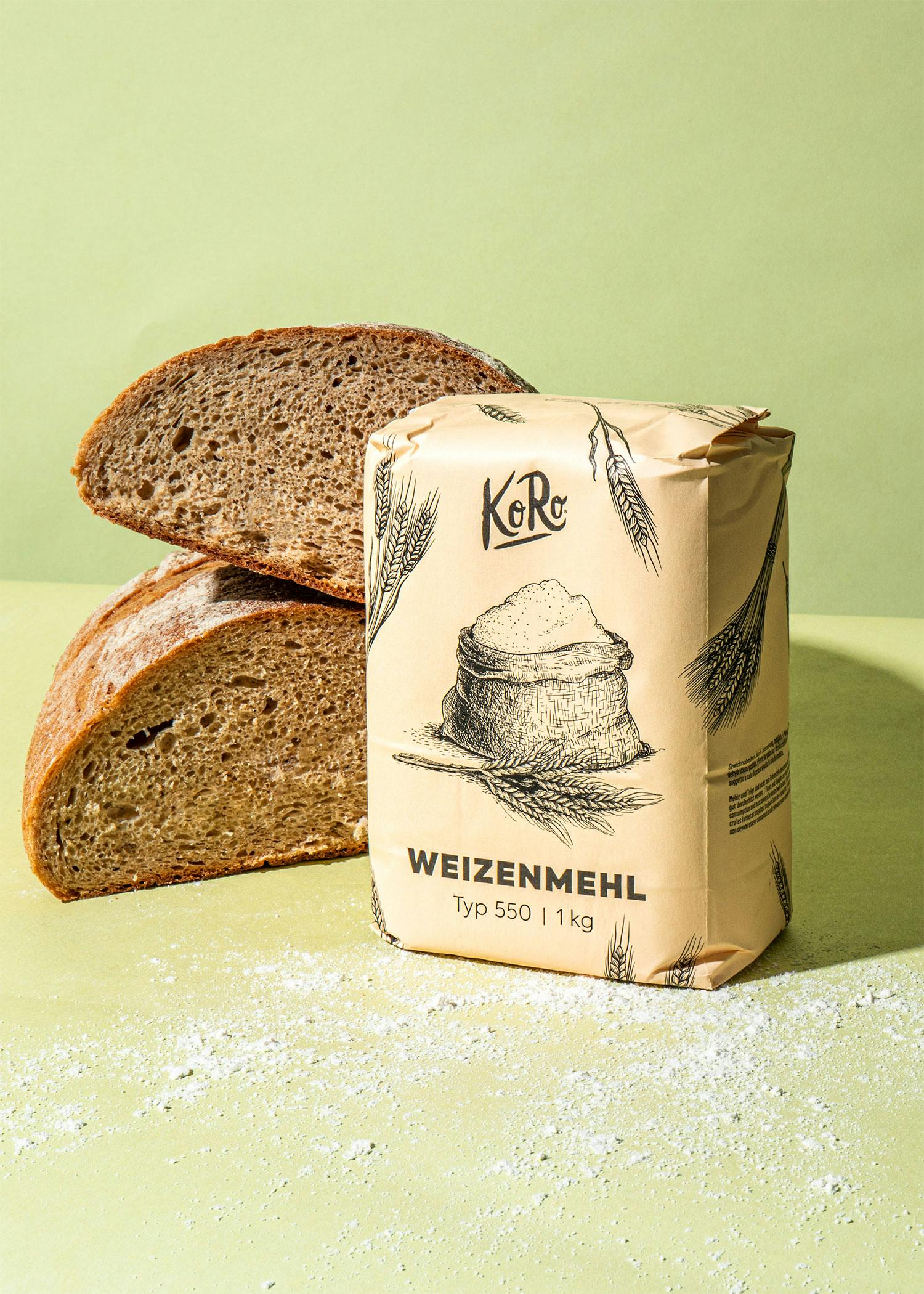
- 2 cups (250 g) all-purpose wheat flour, plus extra for dusting
- 1/2 tsp salt
- 1/2 tsp baking powder
- 3 tbsp vegetable oil or lard
- 3/4 cup (180 ml) warm water
The ingredient list is short, but the quality of each element matters. Use good-quality all-purpose flour with a moderate protein content — around 10–11% — for the best balance of tenderness and structure. Fine sea salt blends evenly into the dough and gives a clean flavour without any metallic edge.
Step-by-Step Instructions
1. Mix the dry ingredients
Combine the flour, salt and baking powder in a large mixing bowl. Whisk briefly to distribute the baking powder evenly. The small amount of baking powder gives the tortillas a slight lift and helps them stay tender rather than chewy.
2. Work in the fat
Add the vegetable oil or lard and rub it into the flour mixture with your fingertips until it resembles coarse, sandy crumbs. This step coats the flour particles with fat, which is what gives the tortilla its characteristic soft, almost flaky texture. Traditional recipes use lard for a richer flavour; vegetable oil works equally well for a lighter, everyday version.
3. Add the water and knead
Pour in the warm water gradually, mixing as you go, until a smooth and slightly tacky dough comes together. Turn it out onto a lightly floured surface and knead for 1–2 minutes. You are not looking for a bread-like elasticity here — just a smooth, cohesive ball.
4. Rest the dough
Divide the dough into 8 equal portions and roll each one into a smooth ball. Place them on a lightly floured surface, cover with a clean kitchen cloth and let them rest for 10 minutes. This resting period allows the gluten to relax, which makes rolling much easier and prevents the tortillas from springing back.
5. Roll thin
Working one at a time, roll each dough ball on a lightly floured surface into a round about 25 cm (10 inches) in diameter and as thin as you can manage — roughly 2–3 mm. Thin tortillas cook quickly and stay pliable; thicker ones can turn stiff and bread-like.
6. Cook on a hot dry pan
Heat a dry cast-iron skillet or heavy non-stick pan over medium-high heat until it is very hot. Lay a tortilla flat in the pan and cook for about 60 seconds, until small golden-brown spots appear on the underside. Flip and cook for another 45–60 seconds on the second side. You will see the tortilla puff slightly in places — that is a sign of perfectly developed steam pockets inside.
7. Keep warm and serve
Stack the cooked tortillas on a plate and cover them with a clean cloth or wrap them in a sheet of aluminium foil. The residual steam keeps them soft and pliable. Serve immediately or store at room temperature for up to 2 days in an airtight container.
Tips for Perfect Wheat Tortillas
- Use warm water: It activates the fat more efficiently and helps the dough come together faster.
- Don't skip the rest: Rested dough rolls out easily and evenly. Skipping this step leads to tough, uneven tortillas.
- Get the pan really hot: A hot pan gives you those characteristic brown spots without drying out the tortilla.
- Roll as thin as you can: Thin = soft and flexible. Thick = bready and stiff.
- Stack and cover immediately: The steam between the stacked tortillas is what keeps them perfectly soft.
Serving Ideas
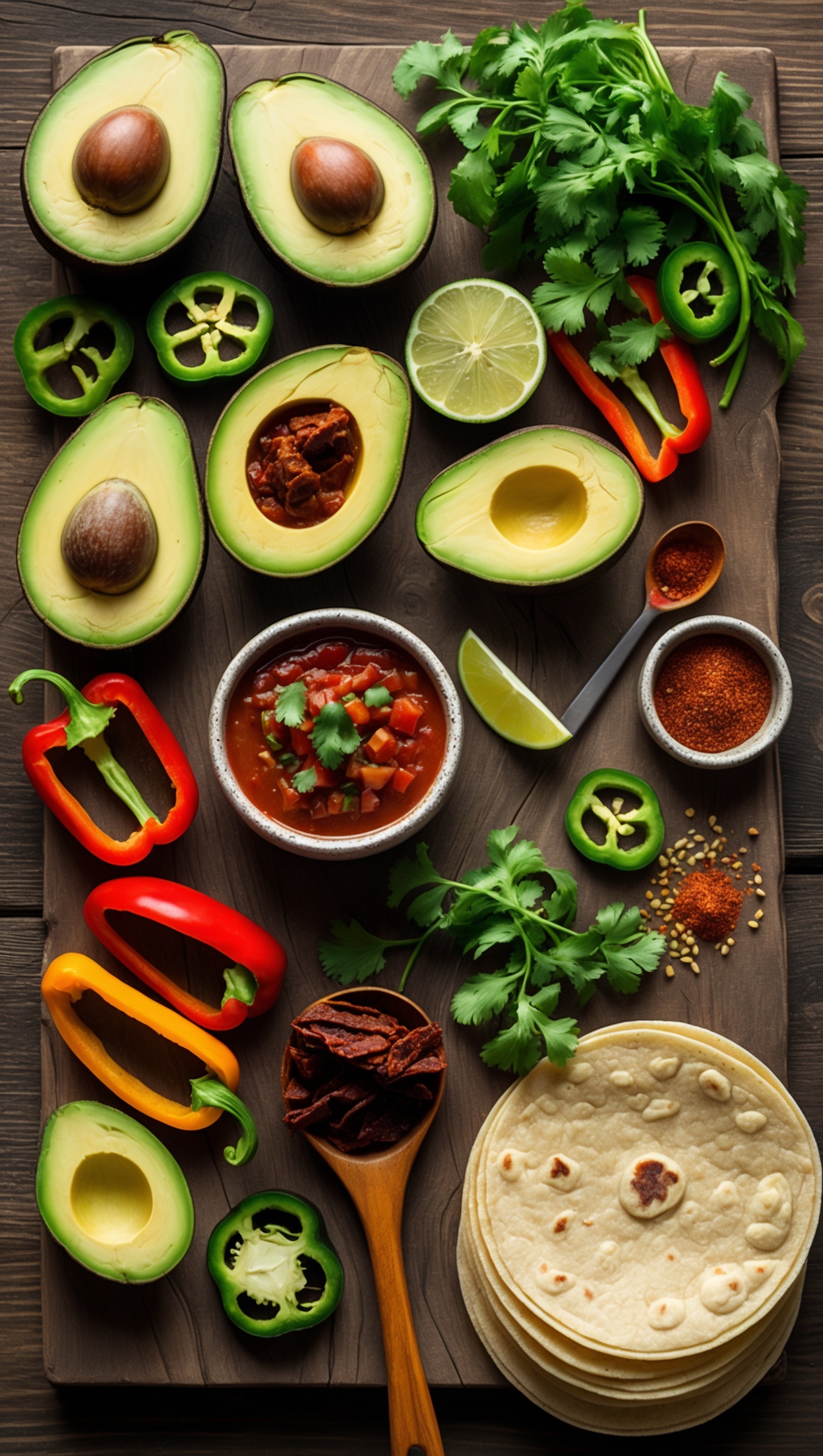
Freshly made wheat tortillas are wonderfully versatile. Here are a few favourite ways to use them:
- Tacos al pastor: Fold small tortillas around seasoned filling, diced white onion, fresh coriander and a squeeze of lime.
- Burritos: Load a large tortilla with rice, black beans, guacamole and sour cream, then roll tight.
- Quesadillas: Fill with melted cheese and a handful of sautéed vegetables, fold in half and toast in the pan.
- Simple wraps: Spread with hummus or refried beans, add sliced vegetables and roll up for a quick lunch.
Storing and Freezing
Cooked tortillas keep well at room temperature for up to 2 days in an airtight bag or container. For longer storage, layer them between sheets of baking paper and freeze in a zip-lock bag for up to 3 months. Reheat directly in a hot dry pan for 20–30 seconds per side, or wrap in a damp cloth and microwave for 30 seconds.
Uncooked, rolled-out tortillas can also be frozen between layers of baking paper — cook them directly from frozen in a hot pan, adding about 30 seconds per side.
A Recipe That Rewards Practice
Your first batch of homemade wheat tortillas may not be perfectly round, and that is absolutely fine. The flavour will still be miles ahead of anything from a supermarket shelf, and by the third or fourth batch you will be rolling them out with confident, easy strokes. This is one of those foundational recipes that, once learned, becomes second nature — and something you will return to again and again.
If you want to explore this recipe without any placeholders or affiliate links, you can simply enjoy it as a standalone guide — all five ingredients are easy to find in any well-stocked kitchen or grocery store.