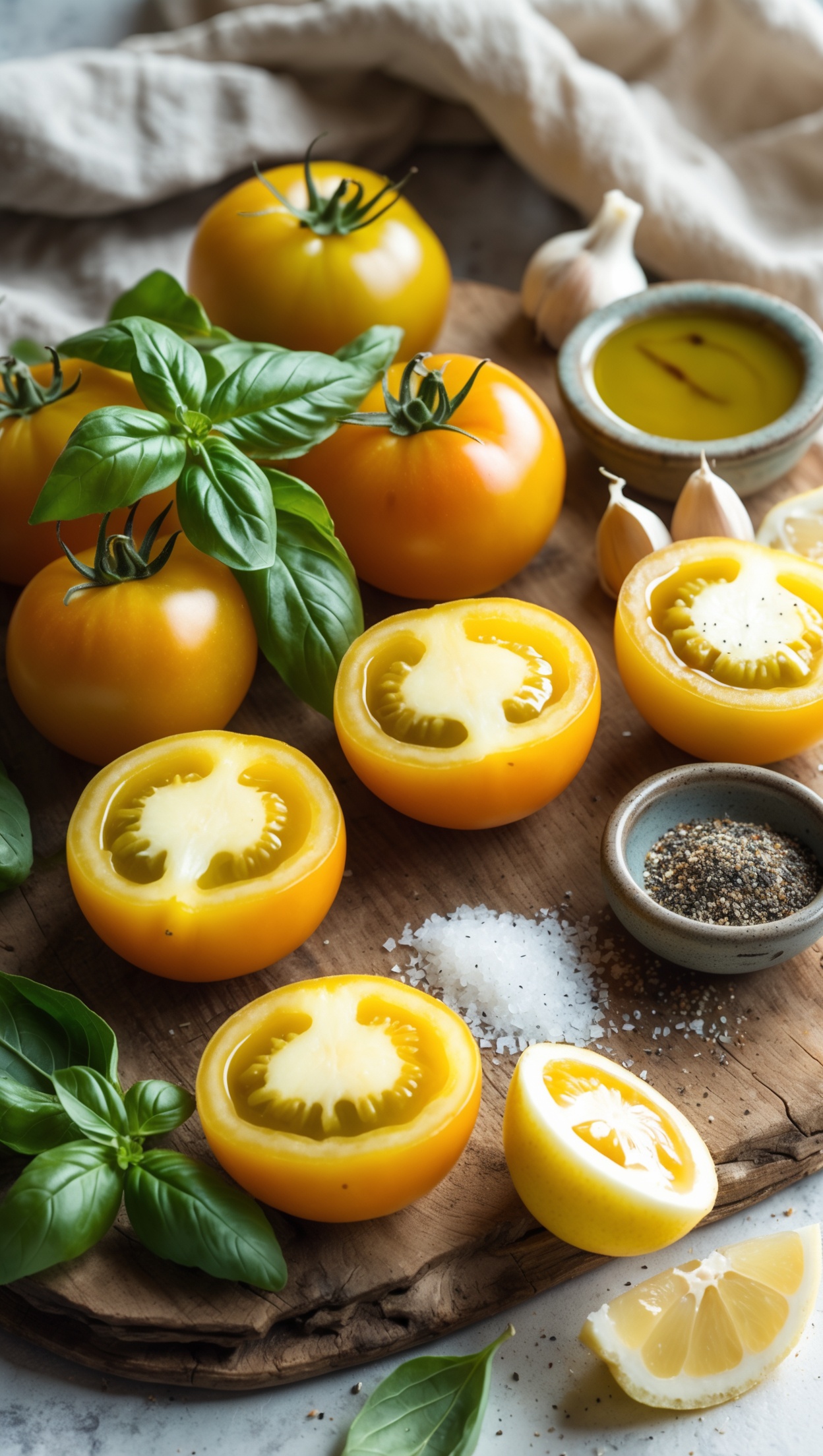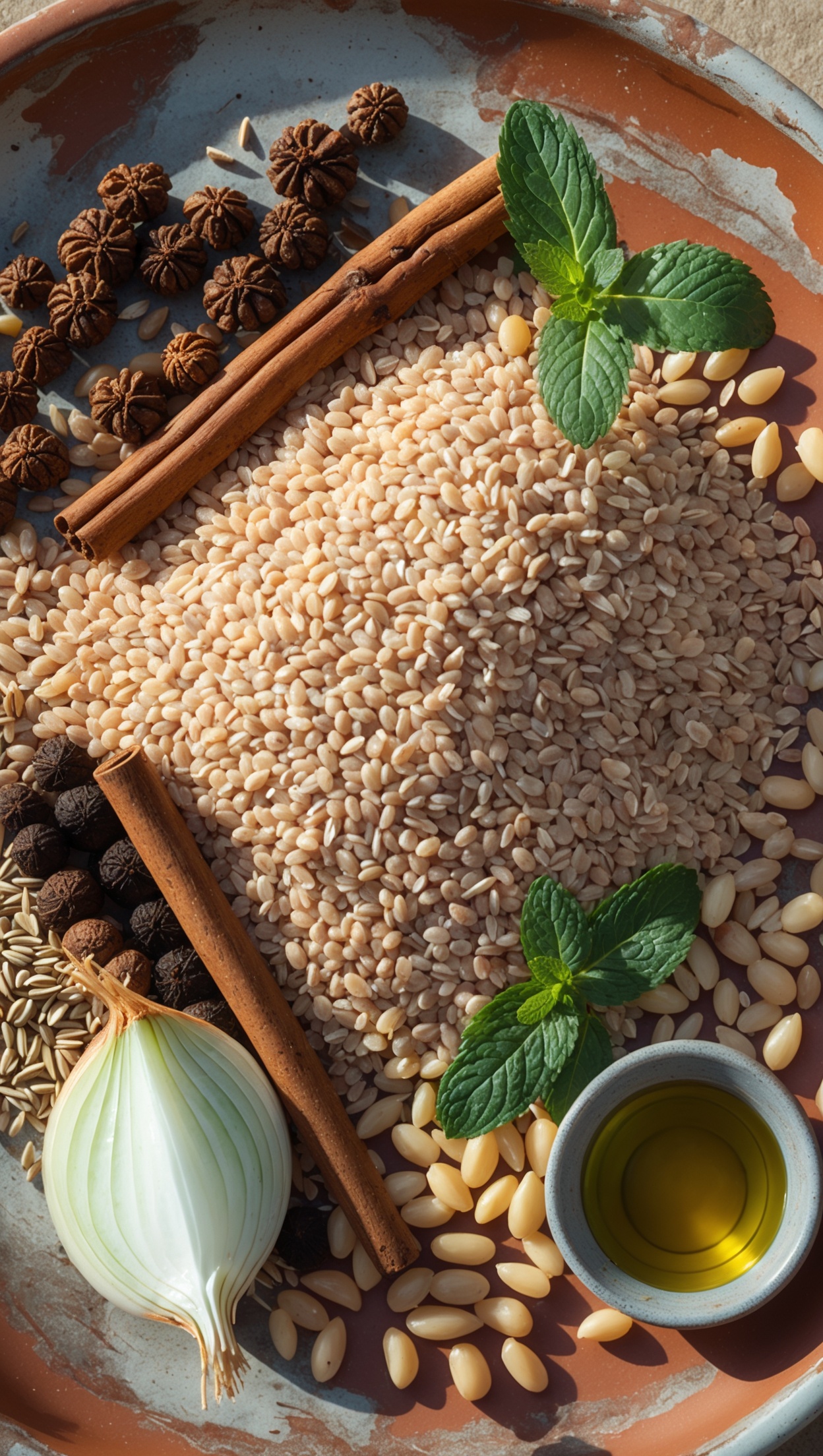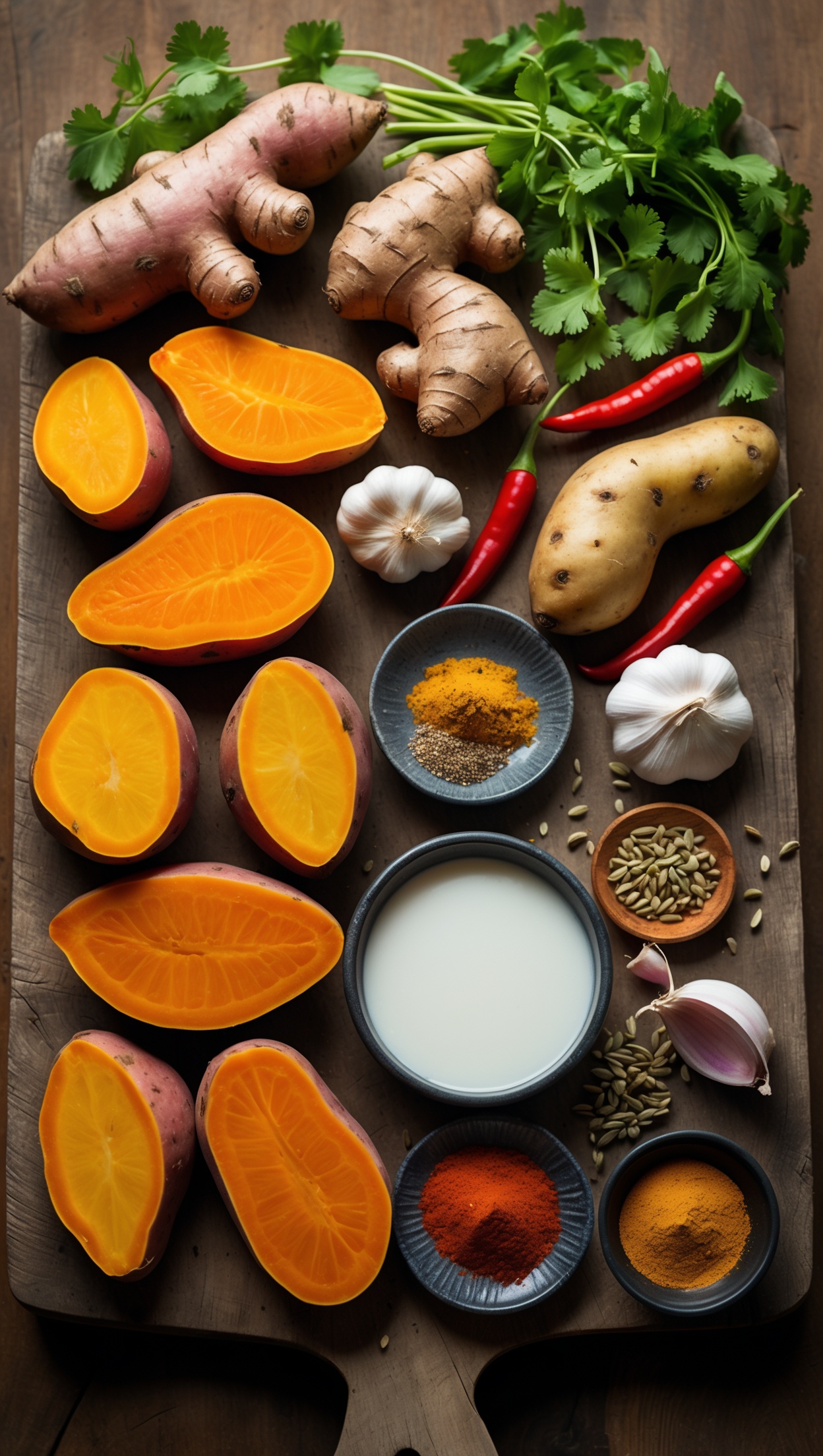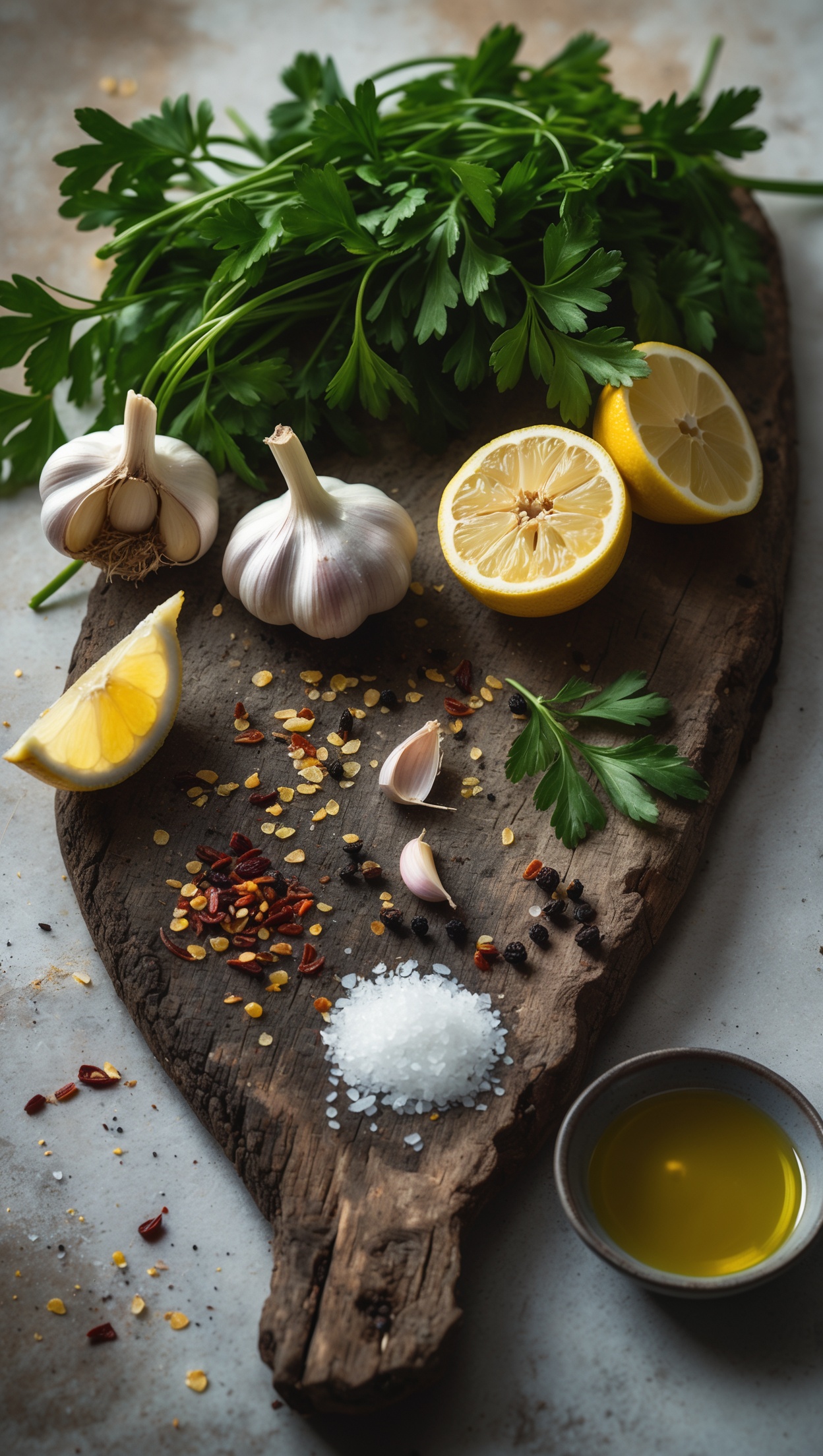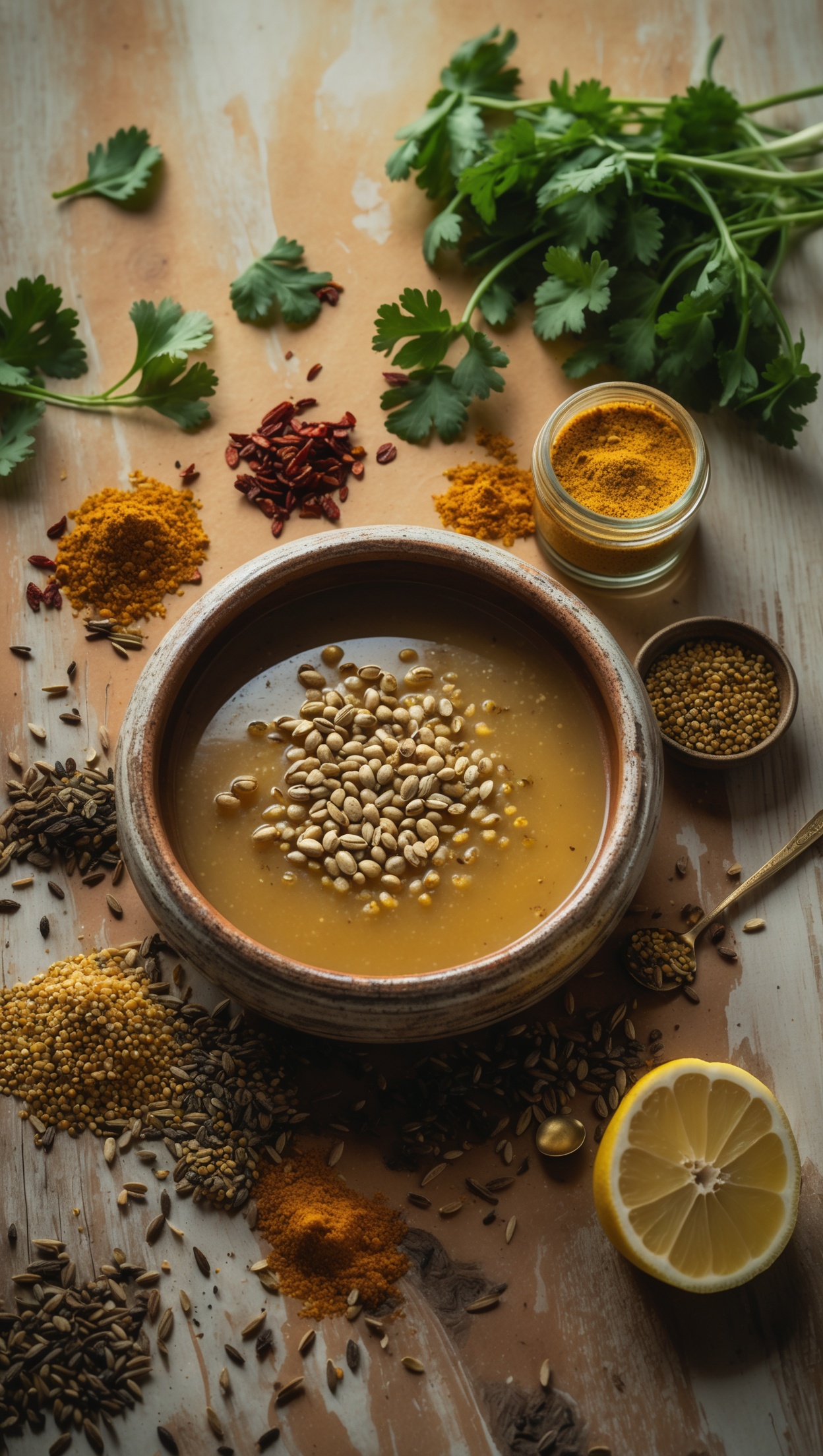
What Is Yemeni Lahsa?
If you have never heard of Lahsa, you are about to discover one of Yemen's most beloved and least-known culinary secrets. Lahsa is a thick, golden, fenugreek-based dish that sits somewhere between a hearty soup and a spiced porridge — but it is so much more than either of those descriptions suggest. Eaten primarily at breakfast or as a midday meal, Lahsa is a staple of Yemeni home cooking and holds a deeply comforting place in the cuisine of the Arabian Peninsula.
At its core, Lahsa is built on fenugreek — a seed with an intensely aromatic, slightly bitter, nutty profile that softens beautifully when soaked and cooked. The dish is enriched with eggs, spiced with a warm blend of cumin, turmeric and black pepper, and finished with a generous pour of Samneh (clarified butter or ghee). The result is a bowl that is warming, deeply satisfying and utterly unique.
The History Behind the Dish
Yemen has a long and rich culinary tradition shaped by its position along ancient trade routes connecting Africa, the Indian subcontinent and the Arab world. Spices, grains and techniques flowed freely through Yemeni ports, and this is reflected in the bold, layered flavors of dishes like Lahsa. Fenugreek has been cultivated in the region for thousands of years and plays a central role in many Yemeni recipes — from the famous Saltah (Yemen's national dish) to honey-drizzled desserts.
Lahsa is a dish of simplicity and resourcefulness. It requires few ingredients, minimal equipment and rewards the cook with extraordinary depth of flavor. It is the kind of recipe that has been passed down from grandmother to grandchild for generations — each family adding its own small twist.
Ingredients You Will Need
- 100 g fenugreek seeds — soaked overnight
- 3 eggs
- 2 tbsp ghee or clarified butter (Samneh)
- 1 tsp ground cumin
- ½ tsp ground turmeric
- ½ tsp ground black pepper
- ½ tsp ground coriander
- Salt to taste
- 500 ml water or light broth
- Fresh coriander leaves — to garnish
- Yemeni honey — optional, for drizzling
- Flatbread (Khobz or Lahoh) — to serve
A Note on Spice Quality
Lahsa is a dish where the spices do the heavy lifting. Using fresh, high-quality cumin, turmeric and coriander makes a genuinely noticeable difference to the final flavor. Stale spices produce a flat, muted result — vibrant spices produce a bowl that sings. It is worth sourcing the best you can find.
Step-by-Step Instructions
Step 1: Soak the Fenugreek
Place the fenugreek seeds in a bowl and cover generously with cold water. Allow them to soak for at least 8 hours or overnight. This step is essential — it softens the seeds, reduces bitterness and makes them much easier to blend or grind into a smooth paste. After soaking, drain and rinse the seeds well.
Step 2: Blend the Fenugreek
Transfer the soaked fenugreek seeds to a blender or food processor. Add approximately 200 ml of water and blend until you have a smooth, thick paste. The paste should be creamy and light — this is the backbone of your Lahsa. If you prefer a slightly more textured result, blend for a shorter time.
Step 3: Cook the Base
Pour the fenugreek paste into a medium saucepan over medium-low heat. Add the remaining water or broth and stir to combine. Bring the mixture gently to a simmer, stirring frequently to prevent it from catching on the bottom. Cook for approximately 10–12 minutes until the mixture thickens to a porridge-like consistency.
Step 4: Add the Spices
Stir in the ground cumin, turmeric, black pepper, ground coriander and salt. Mix well and cook for a further 2–3 minutes, allowing the spices to bloom into the base. The mixture should take on a beautiful warm golden color from the turmeric and cumin.
Step 5: Add the Eggs
Create small wells in the surface of the Lahsa and crack the eggs directly into them. Cover the pan with a lid and cook over low heat until the egg whites are just set but the yolks remain soft and runny — approximately 4–5 minutes. If you prefer fully cooked yolks, simply leave them for another 2 minutes.
Step 6: Finish with Ghee and Serve
Spoon generous pools of ghee over the surface of the Lahsa just before serving. The ghee will melt into the dish, adding richness and a beautiful sheen. Garnish with fresh coriander leaves and, if you wish, a drizzle of authentic Yemeni honey. Serve immediately alongside warm flatbread for scooping.
Tips for the Perfect Lahsa
- Do not skip the soaking step — it is non-negotiable for texture and flavor.
- Use Samneh (clarified butter) rather than regular butter for the most authentic taste. Ghee is the closest widely available substitute.
- Adjust the thickness by adding more or less water — some families prefer a thicker, more paste-like Lahsa, others a soupier version.
- A drizzle of Sidr honey (a prized Yemeni variety) over the finished dish is traditional and elevates the flavor beautifully.
- Lahsa is best eaten fresh and hot, directly from the pan.
What to Serve With Lahsa
Lahsa is traditionally served as part of a Yemeni breakfast spread alongside:
- Lahoh — a spongy sourdough flatbread with a honeycomb texture, perfect for scooping
- Khobz Tawwa — a simple skillet flatbread
- Fresh honey — drizzled directly into the bowl
- Hot sweet tea spiced with ginger and cardamom
Why You Should Make This Recipe
In a world of complicated brunch recipes and lengthy ingredient lists, Lahsa stands apart. It is honest, nourishing food — the kind that fills the stomach and lifts the spirit. Making it at home connects you to a culinary tradition that spans centuries and a country whose food culture deserves far more international recognition.
Whether you are already a fan of Yemeni cooking or simply looking to expand your kitchen repertoire with something genuinely different, Lahsa will not disappoint. Its bold spice profile, creamy fenugreek base and runny eggs make it one of the most satisfying breakfast dishes in the entire Middle Eastern canon.
For the perfect wine pairing with this dish, Hawesko offers an outstanding selection of premium wines to complement every recipe. For the finest spices and seasonings to elevate your cooking, Gewürzland has everything you need.