Classic Creamy Kohlrabi Recipe — Easy Homemade
If you grew up in a German or Central European household, creamy kohlrabi — known as Rahmkohlrabi — is the kind of dish that takes you straight back to grandma's kitchen. Tender, mild kohlrabi floated in a silky, buttery cream sauce, seasoned with just a whisper of nutmeg and fresh parsley. It's simple, nourishing, and deeply satisfying. Whether you're rediscovering a childhood classic or trying kohlrabi for the very first time, this recipe will win you over completely.
What Is Kohlrabi?
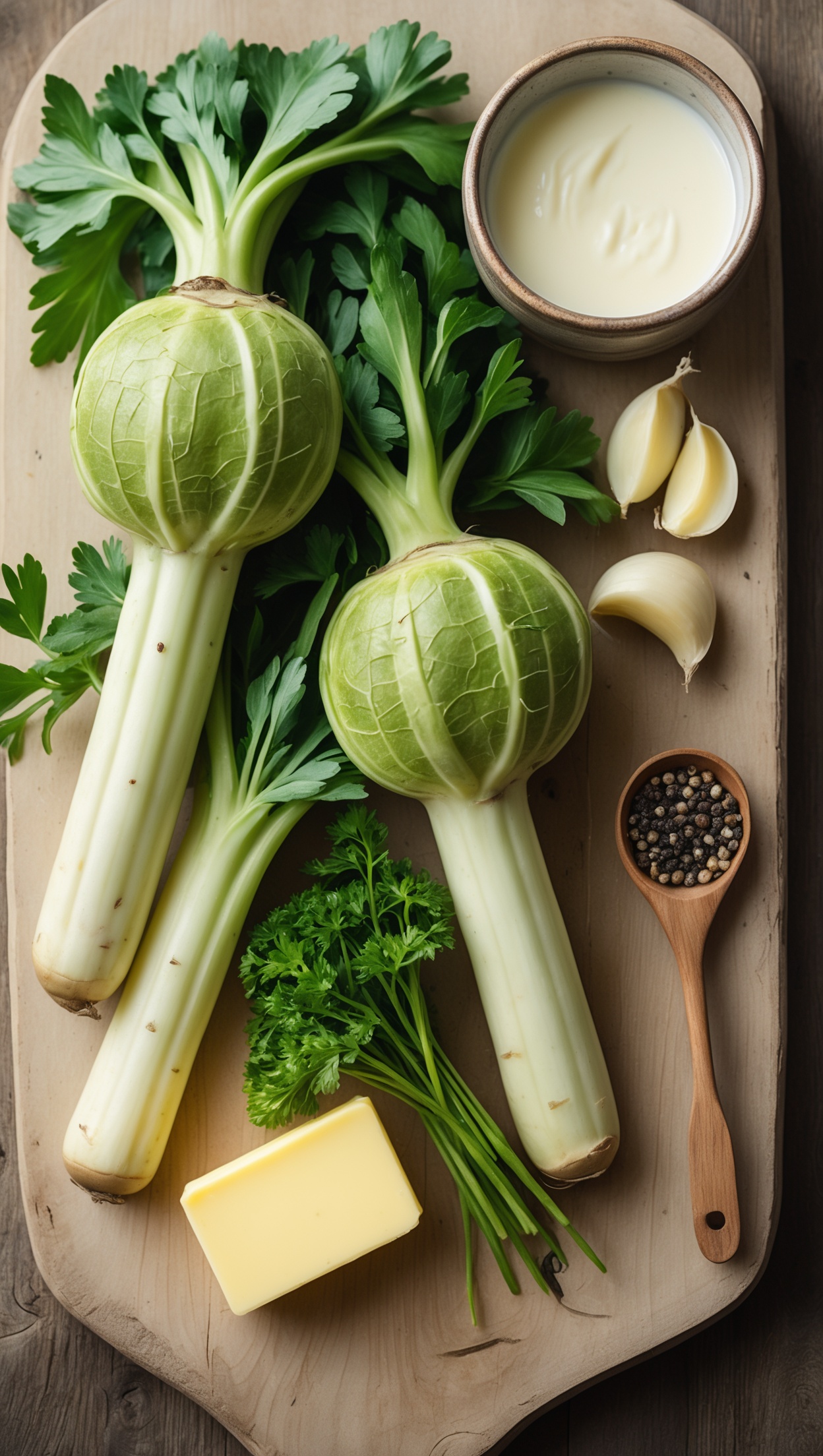
Kohlrabi is a member of the Brassica family — the same group that includes cabbage, broccoli, and cauliflower. Its name literally means cabbage turnip in German, though it tastes much more delicate than either. The flesh is crisp and mildly sweet when raw, and becomes wonderfully tender and almost buttery once cooked. Both the green and purple varieties work perfectly in this recipe.
Kohlrabi is also a nutritional powerhouse — it's rich in vitamin C, potassium, and dietary fiber, making this cream sauce dish a surprisingly wholesome choice despite its indulgent flavor.
Ingredients for Creamy Kohlrabi
- 4 medium kohlrabi (about 800 g / 1.75 lbs), peeled and cut into cubes or sticks
- 2 tablespoons butter
- 1 small onion, finely diced
- 1 tablespoon all-purpose flour
- 200 ml (¾ cup) vegetable broth
- 150 ml (⅔ cup) heavy cream
- Salt and white pepper, to taste
- Freshly grated nutmeg — just a pinch
- Fresh parsley, chopped, for garnish
- 1 teaspoon fresh lemon juice (optional, to brighten the sauce)
Step-by-Step Instructions
Step 1: Prepare the Kohlrabi
Peel the kohlrabi thoroughly — the outer skin can be quite tough. Cut the flesh into evenly sized cubes or thick sticks, roughly 2 cm. If you have young, fresh kohlrabi, set aside a few of the tender inner leaves to use as a garnish.
Step 2: Blanch the Kohlrabi
Bring a large pot of salted water to a boil. Add the kohlrabi pieces and cook for 8–10 minutes, until just tender but still holding their shape. You want them soft enough to eat comfortably but not mushy. Drain and set aside.
Step 3: Make the Cream Sauce
In a medium saucepan, melt the butter over medium heat. Add the diced onion and sauté gently for 3–4 minutes until soft and translucent. Sprinkle over the flour and stir constantly for about 1 minute to cook out the raw flour taste — this creates your roux.
Slowly pour in the vegetable broth while whisking continuously to avoid lumps. Add the heavy cream and continue to stir. Bring the sauce to a gentle simmer and let it thicken for 3–5 minutes, stirring occasionally.
Step 4: Season Perfectly
Season the sauce with salt, white pepper, and a small grating of fresh nutmeg. This is where the magic happens — nutmeg is the soul of a great cream sauce. For the best results, use whole nutmeg and grate it fresh. For high-quality whole spices like nutmeg, white pepper, and aromatic salts, Gewürzland offers a fantastic range of premium culinary spices that make a noticeable difference in flavor.
Step 5: Combine and Finish
Add the blanched kohlrabi to the sauce and gently fold everything together. Let it simmer for another 2–3 minutes so the kohlrabi absorbs the creamy flavors. Finish with a squeeze of fresh lemon juice if desired, and a generous handful of freshly chopped parsley.
Serving Suggestions
Classic creamy kohlrabi is wonderfully versatile. Here are some ideas for how to serve it:
- As a side dish — pairs beautifully with boiled potatoes or buttered new potatoes
- With rice — a light and satisfying vegetarian main course
- Alongside schnitzel or sausages — a true German Sunday dinner combination
- On toast — spoon generously over thick slices of crusty sourdough for a quick lunch
Tips for the Best Creamy Kohlrabi
- Choose smaller kohlrabi — they tend to be sweeter and more tender than very large ones, which can become woody
- Don't overcook — the kohlrabi should hold its shape and offer a slight bite
- Use good butter — the sauce's richness depends on quality fat
- Add a splash of white wine to the sauce for extra depth and a subtle acidity
- Vegan version — substitute plant-based butter and oat cream for a completely dairy-free dish that still tastes luxuriously creamy
Make It Ahead
This dish reheats beautifully, making it ideal for meal prep. Store the finished creamy kohlrabi in an airtight container in the refrigerator for up to 3 days. Reheat gently over low heat, adding a small splash of broth or cream to loosen the sauce if needed. It does not freeze particularly well due to the cream sauce, so enjoy it fresh or within a few days.
A Note on Flavor Variations
While the classic recipe is simply seasoned with nutmeg and parsley, there are lovely regional variations worth exploring:
- With chives and dill — a more aromatic, herb-forward version popular in Northern Germany
- With a mustard finish — stir in one teaspoon of whole-grain mustard at the end for a tangy twist
- With smoked paprika — adds a subtle warmth and a beautiful golden color to the sauce
This humble vegetable dish is proof that the best recipes are often the simplest. With quality ingredients, a little patience, and the right seasoning, creamy kohlrabi becomes something truly special.
For the perfect wine pairing with this dish, Hawesko offers an outstanding selection of premium wines to complement every recipe. For the finest spices and seasonings to elevate your cooking, Gewürzland has everything you need.