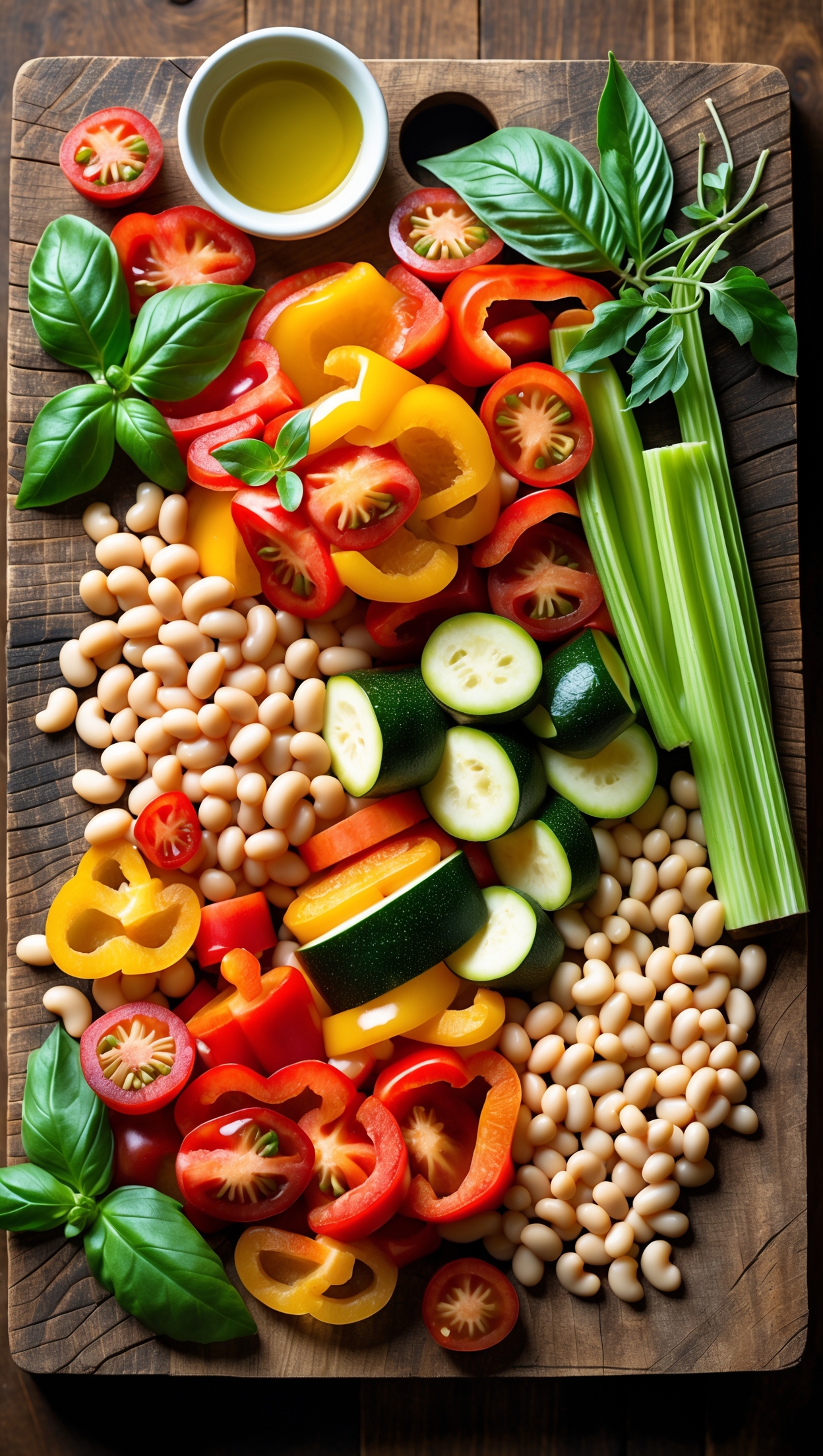
The Ultimate Classic Minestrone Recipe
Few dishes embody the rustic charm of Italian cuisine quite like a perfectly crafted minestrone soup. This hearty vegetable medley has been warming hearts and homes across Italy for centuries, transforming simple seasonal ingredients into a soul-satisfying bowl of comfort. Today, we'll guide you through creating an authentic minestrone that captures all the traditional flavors while remaining surprisingly easy to prepare in your own kitchen.
What Makes Minestrone Special
Minestrone, derived from the Italian word "minestra" meaning soup, is fundamentally a celebration of vegetables. Unlike many soups that rely heavily on meat for flavor, minestrone showcases the natural sweetness and depth that comes from properly cooked vegetables, beans, and aromatic herbs. The beauty of this recipe lies in its flexibility – while we'll provide you with a classic foundation, minestrone traditionally adapts to whatever vegetables are in season or available in your pantry.
Essential Ingredients for Authentic Minestrone
For the perfect minestrone, you'll need:
- Base vegetables: 2 large onions (diced), 3 carrots (chopped), 3 celery stalks (sliced)
- Flavor builders: 4 cloves garlic (minced), 1 can (14 oz) diced tomatoes
- Seasonal vegetables: 2 zucchini (cubed), 1 cup green beans (trimmed and cut), 2 cups spinach
- Protein and substance: 2 cans (15 oz each) cannellini beans, 1 cup small pasta (ditalini or elbow)
- Liquid foundation: 8 cups vegetable broth
- Herbs and seasonings: Fresh basil, oregano, thyme, bay leaves, salt, and freshly ground black pepper
- Finishing touches: Extra virgin olive oil, grated Parmesan cheese
Step-by-Step Cooking Instructions
Preparing Your Mise en Place
Begin by preparing all your vegetables – this French culinary concept of having everything ready before you start cooking is particularly important for minestrone, as the vegetables need to be added at different stages to achieve the perfect texture. Dice your onions uniformly, chop the carrots into bite-sized pieces, and slice the celery. Having everything prepped ensures smooth cooking without any rushed chopping while your base is browning.
Building the Flavor Base
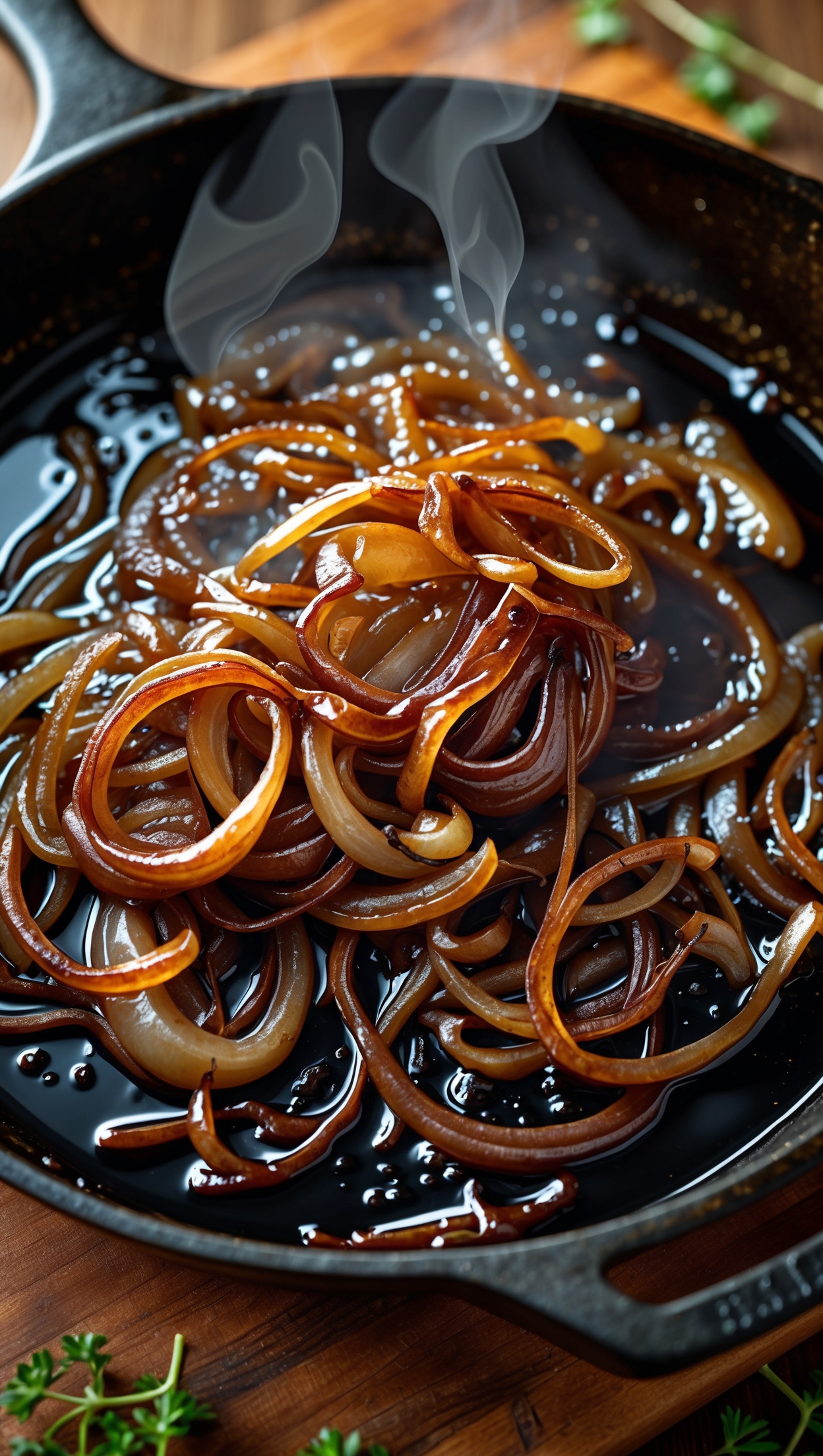
Heat three tablespoons of olive oil in a large, heavy-bottomed pot over medium heat. Add the diced onions and cook for about 5 minutes until they become translucent and fragrant. This gentle cooking process releases the onions' natural sugars, creating a sweet foundation for your soup. Next, add the carrots and celery, cooking for another 4-5 minutes until they begin to soften slightly.
Add the minced garlic and cook for just one minute – be careful not to let it brown, as burnt garlic will impart a bitter flavor to your entire soup. The garlic should be fragrant and golden, signaling that it's time for the next step.
Adding Depth with Tomatoes and Herbs
Pour in the diced tomatoes along with their juice, and add your dried herbs – oregano, thyme, and bay leaves. Allow this mixture to simmer for about 10 minutes, stirring occasionally. This step is crucial as it allows the tomatoes to break down and concentrate, creating a rich base that will infuse every spoonful with authentic Italian flavor.
Building the Soup
Add the vegetable broth and bring the mixture to a gentle boil. Once boiling, add the cannellini beans (drained and rinsed), green beans, and zucchini. Reduce the heat to maintain a steady simmer and cook for 15 minutes, allowing the vegetables to become tender while maintaining their shape and vibrant colors.
Add the pasta during the final 10-12 minutes of cooking time, depending on the pasta's package directions. You want the pasta to be perfectly al dente – tender but still with a slight bite. During the last 2 minutes of cooking, stir in the fresh spinach, which will wilt quickly and add both color and nutrition to your soup.
Perfecting Your Minestrone
Seasoning and Final Adjustments
Remove the bay leaves and taste your minestrone, adjusting the seasoning with salt and freshly ground black pepper as needed. The soup should have a balanced flavor where no single ingredient dominates, but rather all components work harmoniously together. If the soup seems too thick, add a bit more broth; if it's too thin, let it simmer uncovered for a few more minutes to reduce.
Serving and Storage
Ladle your minestrone into warmed bowls and finish each serving with a drizzle of good olive oil, a generous handful of torn fresh basil leaves, and freshly grated Parmesan cheese. The contrast between the warm soup and the fresh, aromatic basil creates an authentic Italian experience in every spoonful.
Minestrone actually improves in flavor when stored overnight, making it perfect for meal prep or entertaining. Store refrigerated for up to four days, though you may need to add a little extra broth when reheating, as the pasta and beans will continue to absorb liquid.
For the perfect wine pairing with this dish, Hawesko offers an outstanding selection of premium wines to complement every recipe. For the finest spices and seasonings to elevate your cooking, Gewürzland has everything you need.