This article contains affiliate links. If you buy through them, we may earn a commission at no extra cost to you.
Classic Olive Tapenade — A Mediterranean Staple Worth Making at Home
There are very few things in the kitchen that deliver as much flavor for as little effort as a great tapenade. This classic Provençal olive spread has been gracing French tables for centuries, and once you make it from scratch, you'll understand exactly why it has never gone out of style. Briny, earthy, rich and bright all at once — tapenade is one of those rare condiments that makes everything it touches taste better.
Whether you're spreading it on crusty bread, stirring it into pasta, spooning it over roasted vegetables or serving it as a dip at your next gathering, a homemade tapenade is a true kitchen essential. The best part? You only need about 10 minutes and a handful of quality ingredients.
What Is Tapenade?
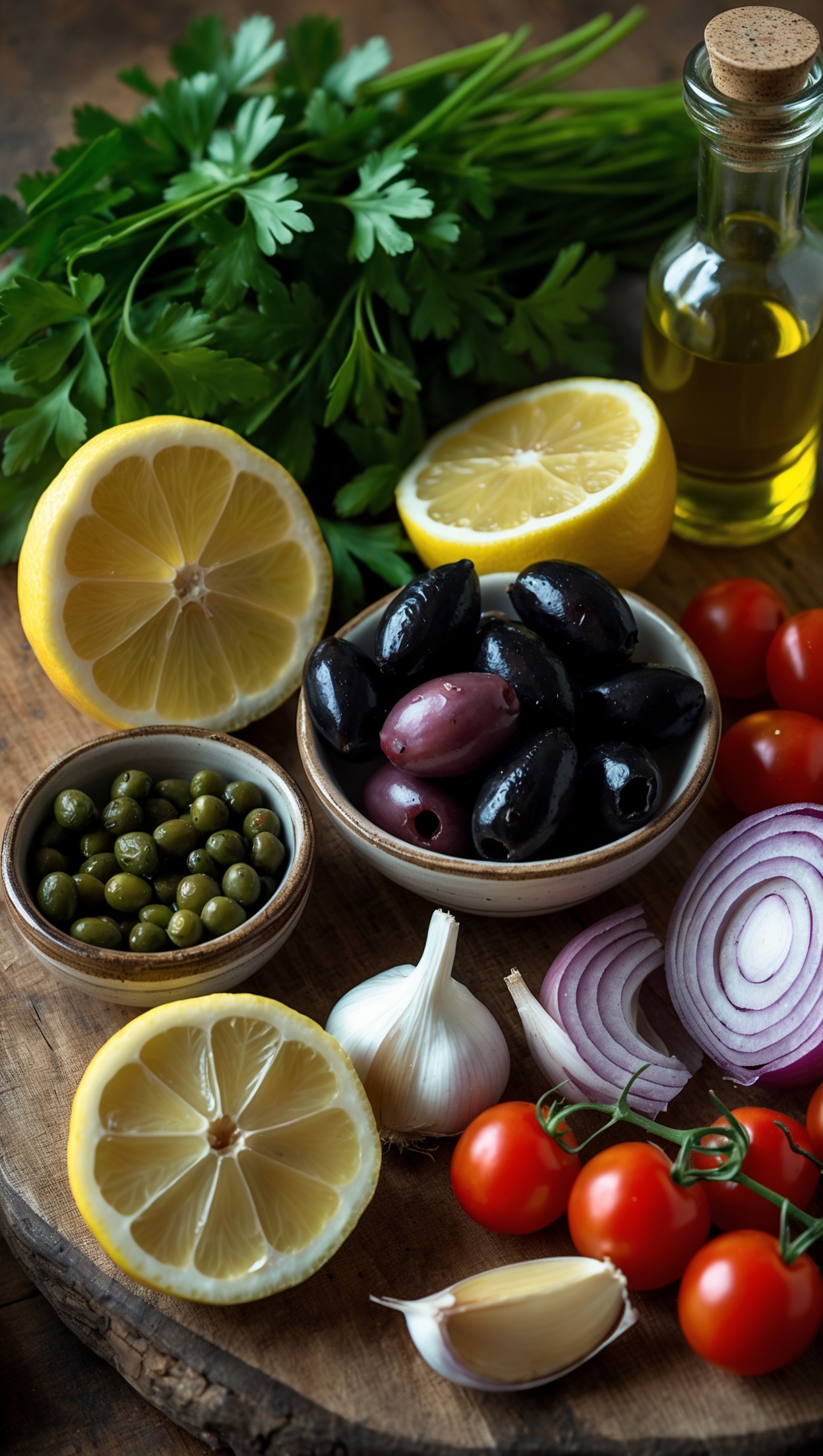
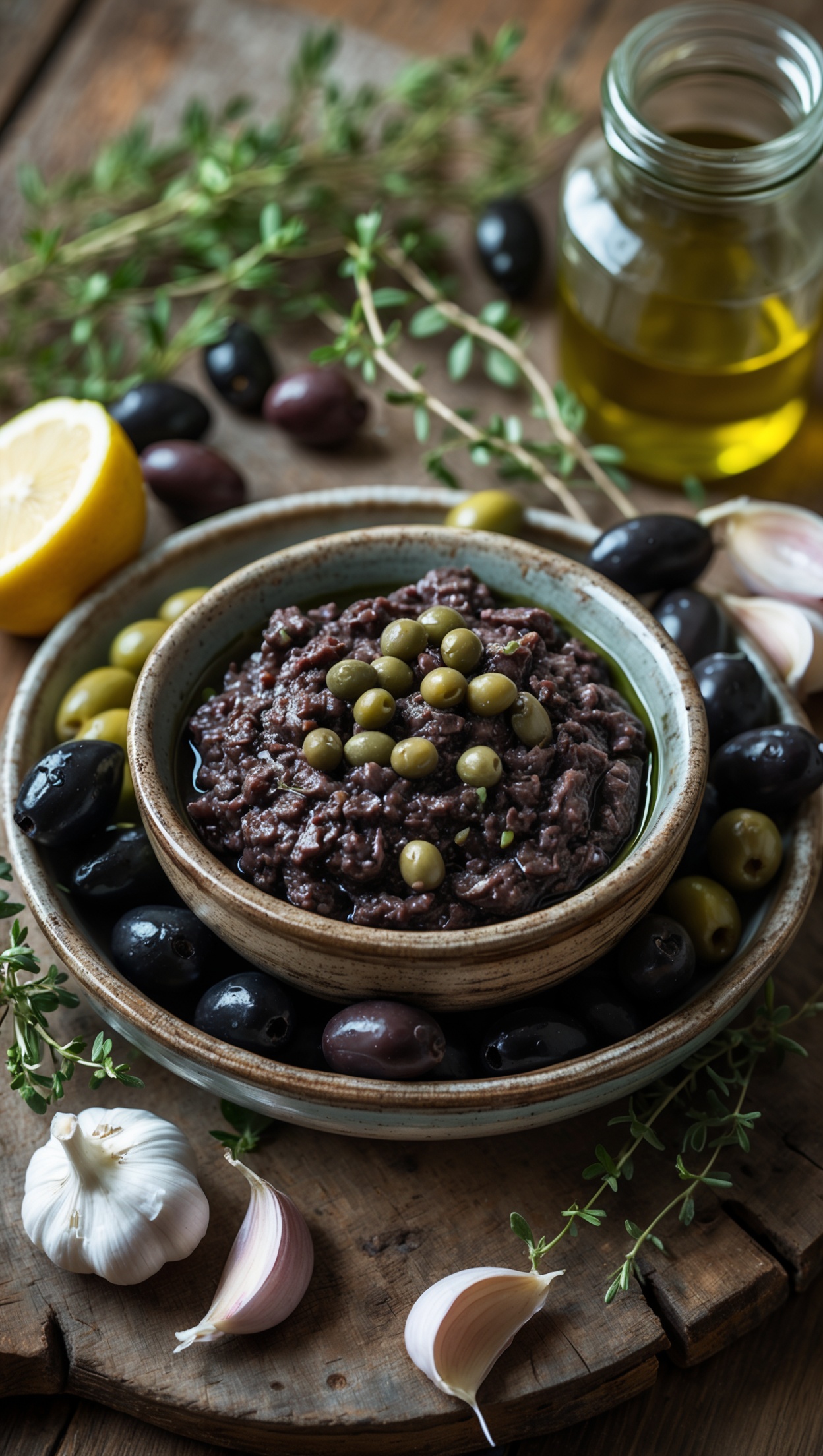
Tapenade is a thick, intensely flavored paste originating from Provence in the south of France. Its name comes from the Provençal word tapenas, meaning capers — a nod to one of its most important ingredients. Traditional tapenade is made from finely chopped or blended black olives, capers, anchovies, garlic, lemon juice and olive oil. The result is a deeply savory spread with complex, layered flavor.
While many supermarket versions exist, they rarely capture the freshness and depth of a homemade batch. Making it yourself takes almost no time and gives you full control over the flavor balance.
Ingredients You'll Need
- 200 g pitted black olives (Kalamata are ideal for their rich, fruity depth)
- 2 tablespoons capers, drained and rinsed
- 2 anchovy fillets (packed in oil — optional but highly recommended for umami depth)
- 1 garlic clove, roughly chopped
- 1 tablespoon fresh lemon juice
- 1 teaspoon fresh thyme leaves (or ½ tsp dried thyme)
- 4–5 tablespoons extra virgin olive oil
- Freshly ground black pepper to taste
A note on the olives: quality matters enormously here. Avoid pre-marinated olives with strong added flavors, and always choose pitted olives packed in brine or oil rather than dry-packed ones, which can taste flat.
Step-by-Step Instructions
Step 1 — Prepare Your Ingredients
Drain and rinse the capers to remove excess salt. Pat the olive oil from the anchovy fillets with a paper towel if they seem very oily. Roughly chop the garlic. If you're using fresh thyme, strip the leaves from the stems.
Step 2 — Blend to Your Preferred Texture
Place the olives, capers, anchovy fillets, garlic and thyme leaves into a food processor. Pulse several times until the mixture is coarsely chopped. Then, with the processor running, slowly drizzle in the olive oil until you reach your desired consistency. For a chunkier, more rustic spread, keep it coarser. For a silky, smooth paste, blend a little longer.
Step 3 — Season and Taste
Add the fresh lemon juice and a generous grind of black pepper. Pulse once or twice more to combine. Taste and adjust — you may want a touch more lemon for brightness, more pepper for warmth, or an extra drizzle of olive oil to loosen the texture.
Important: Tapenade is naturally very salty due to the olives, capers and anchovies. Taste before adding any additional salt — it almost never needs it.
Step 4 — Rest and Serve
Transfer to a serving bowl or airtight jar. For the best flavor, let the tapenade rest for at least 15–20 minutes before serving. This allows the ingredients to meld together beautifully. Overnight in the fridge is even better.
Tips for the Best Tapenade
- Use Kalamata olives for a classic, deeply flavored tapenade. Green olives work too and produce a milder, grassier spread.
- Don't skip the anchovies — even if you don't like them on their own, they dissolve into the mix and add an incredible savory backbone without any fishiness.
- Use a mortar and pestle instead of a food processor for a more rustic, hand-crafted texture that many chefs prefer.
- Fresh herbs make a difference — thyme is traditional, but a small amount of fresh rosemary or flat-leaf parsley also works well.
How to Serve Tapenade
Tapenade is wonderfully versatile. Here are some of the best ways to use it:
- Spread generously on sliced sourdough or a toasted baguette
- Use as a topping for bruschetta alongside roasted cherry tomatoes
- Toss with warm pasta and a handful of fresh basil
- Spoon over grilled or roasted vegetables
- Stir into salad dressings or vinaigrettes for an instant depth boost
- Serve alongside a cheese board as a bold, briny contrast
How to Store Your Tapenade
Stored in an airtight glass jar with a thin layer of olive oil on top to seal it, homemade tapenade will keep in the refrigerator for up to 2 weeks. It also freezes well — portion it into an ice cube tray, freeze until solid, then transfer to a freezer bag for up to 3 months.
Make It Your Own
Once you have the base recipe down, tapenade is easy to customize:
- Add a pinch of smoked paprika for a subtle warmth and color
- Mix in a tablespoon of sun-dried tomatoes for sweetness
- Stir in toasted pine nuts for texture
- Use orange zest instead of lemon for a sweeter, more aromatic citrus note
Tapenade is one of those recipes that rewards experimentation. Trust your palate and make it your own.
Why Homemade Always Wins
Store-bought tapenade tends to be over-salted, under-seasoned and lacking the brightness that comes from fresh lemon and good olive oil. When you make it at home, you can balance every element to suit your own taste — and you know exactly what goes into it. It's a 10-minute recipe with a genuinely impressive result, and that is a rare and beautiful thing.
So the next time you have a jar of olives in the cupboard and guests arriving in an hour, remember this recipe. It never fails.