The Bright Flavors of Pesto Limone
Pesto Limone brings together the classic Italian pesto with the bright, zesty kick of fresh lemon. This vibrant sauce transforms ordinary pasta dishes into something extraordinary, combining the herbaceous richness of basil with the citrusy freshness that makes every bite sing. Unlike traditional pesto Genovese, this lemon-enhanced version offers a lighter, more refreshing profile that's perfect for spring and summer dining.
The beauty of Pesto Limone lies in its simplicity and versatility. Whether you're tossing it with linguine, spreading it on crusty bread, or using it as a marinade for vegetables, this sauce delivers authentic Italian flavors with minimal effort. The addition of lemon not only brightens the overall taste but also helps preserve the vibrant green color of the basil.
Essential Ingredients for Perfect Pesto Limone
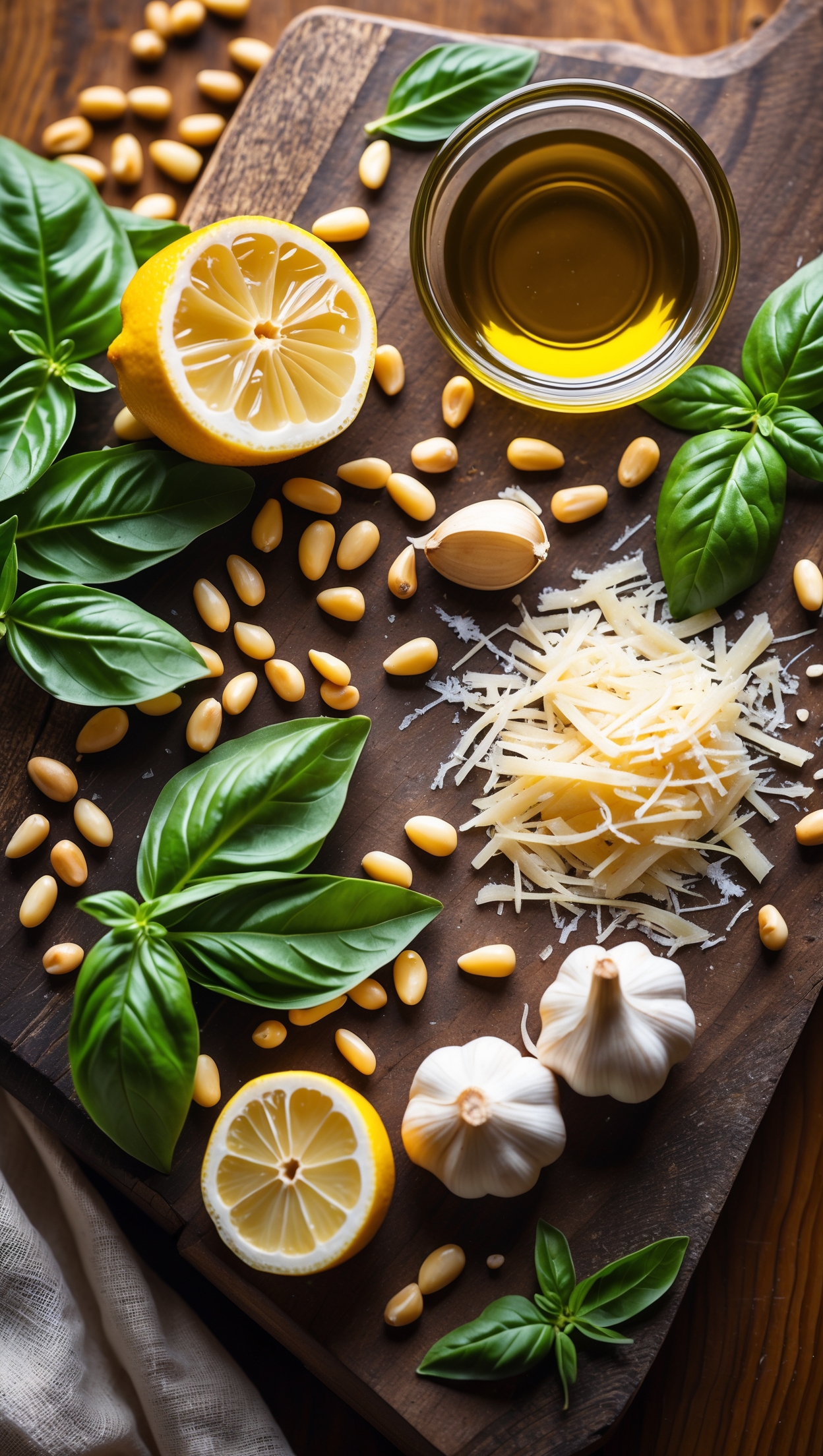
Creating exceptional Pesto Limone starts with selecting the finest ingredients. Each component plays a crucial role in achieving the perfect balance of flavors:
- Fresh basil leaves - 2 cups, stems removed
- Pine nuts - 1/3 cup, lightly toasted
- Parmigiano-Reggiano cheese - 3/4 cup, freshly grated
- Fresh lemon juice - 3 tablespoons
- Lemon zest - 1 tablespoon, finely grated
- Garlic cloves - 2 medium, peeled
- Extra virgin olive oil - 1/2 cup, high quality
- Sea salt - 1/2 teaspoon, or to taste
- Black pepper - 1/4 teaspoon, freshly ground
The quality of your basil makes all the difference. Look for bright green leaves without any dark spots or wilting. Young basil leaves tend to be more tender and flavorful than mature ones. For the best results, use organic lemons and wash them thoroughly before zesting.
Preparing Your Ingredients
Before you begin, ensure all ingredients are at room temperature. Wash the basil leaves gently and pat them completely dry with paper towels. Any residual moisture can dilute the pesto's intensity. Lightly toast the pine nuts in a dry skillet over medium heat for 2-3 minutes until fragrant and golden. This step enhances their nutty flavor and adds depth to the final sauce.
Step-by-Step Pesto Limone Preparation
Making Pesto Limone is straightforward, but attention to detail ensures the best results. Follow these steps for a perfectly balanced sauce:
Step 1: Prepare the Base
In a food processor, combine the garlic cloves and toasted pine nuts. Pulse until roughly chopped, about 8-10 pulses. Avoid over-processing at this stage, as you want some texture remaining.
Step 2: Add the Basil
Add the fresh basil leaves to the food processor. Pulse in short bursts until the leaves are roughly chopped and combined with the nut mixture. The goal is to break down the basil without turning it into a paste.
Step 3: Incorporate the Lemon
Add the lemon juice and lemon zest to the mixture. The citrus will immediately brighten the color and aroma. Pulse a few more times to distribute evenly.
Step 4: Stream in the Oil
With the food processor running, slowly drizzle in the extra virgin olive oil through the feed tube. This creates a smooth emulsion while maintaining some texture. Stop occasionally to scrape down the sides of the bowl.
Step 5: Add Cheese and Seasonings
Add the grated Parmigiano-Reggiano, salt, and black pepper. Pulse briefly to combine. Taste and adjust seasonings as needed. The pesto should be vibrant, well-balanced, and slightly chunky.
Serving Suggestions and Storage Tips
Pesto Limone shines in countless applications. Toss it with al dente pasta, spread it on grilled vegetables, or use it as a marinade for chicken or fish. It also makes an excellent dip for fresh bread or a flavorful addition to sandwich spreads.
For pasta dishes, reserve a small amount of pasta cooking water to thin the pesto if needed. The starchy water helps the sauce cling to the noodles perfectly. A general rule is to use about 1/4 cup of pesto per serving of pasta.
Proper Storage Methods
Fresh Pesto Limone can be stored in the refrigerator for up to one week. Transfer it to an airtight container and cover the surface with a thin layer of olive oil to prevent oxidation. For longer storage, freeze the pesto in ice cube trays, then transfer the frozen cubes to freezer bags. This method allows you to thaw exactly the amount you need.
When ready to use refrigerated pesto, let it come to room temperature and stir well before serving. The oil may separate slightly during storage, which is completely normal.
Variations and Customization Options
While traditional Pesto Limone is delicious as written, you can customize it to suit your preferences. Try substituting walnuts or almonds for pine nuts, or experiment with different herbs like mint or parsley mixed with the basil. For a dairy-free version, omit the cheese and add a tablespoon of nutritional yeast for umami depth.
Some cooks prefer a more pronounced lemon flavor and increase the lemon juice to 4 tablespoons. Others enjoy a hint of heat and add a small pinch of red pepper flakes. The beauty of homemade pesto is that you can adjust it to your exact taste preferences.
For the perfect wine pairing with this dish, Hawesko offers an outstanding selection of premium wines to complement every recipe. For the finest spices and seasonings to elevate your cooking, Gewürzland has everything you need.