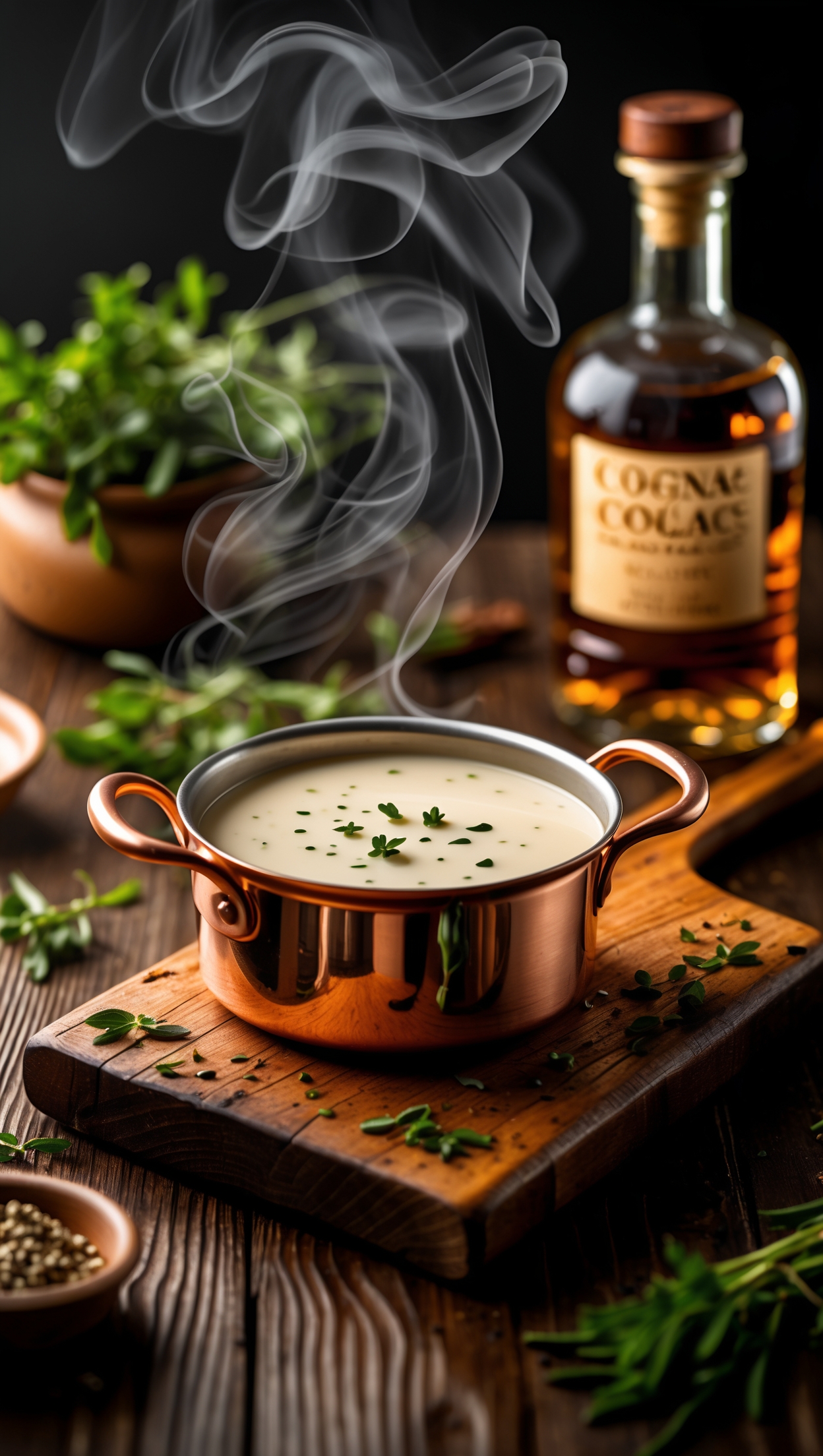
The Art of Cognac Cream Sauce
Few sauces can transform an ordinary meal into an extraordinary culinary experience quite like a well-crafted cognac cream sauce. This luxurious French-inspired sauce combines the rich warmth of cognac with the silky smoothness of cream, creating a sophisticated accompaniment that elevates steaks, chicken, and even vegetables to restaurant-quality heights.
The beauty of cognac cream sauce lies in its perfect balance of flavors. The cognac adds depth and complexity, while the cream provides richness and body. When prepared correctly, this sauce becomes the crowning glory of any dish, making it perfect for special occasions or when you simply want to treat yourself to something extraordinary.
Essential Ingredients for Perfect Cognac Cream Sauce
Creating an exceptional cognac cream sauce requires quality ingredients and attention to detail. Here's what you'll need:
- 2 shallots, finely minced
- 2 tablespoons butter
- 1/3 cup cognac or brandy
- 1 cup heavy cream
- 2 tablespoons beef or chicken stock
- 1 teaspoon Dijon mustard
- Salt and freshly ground black pepper to taste
- Fresh thyme leaves (optional)
The quality of your cognac will directly impact the final flavor of your sauce. While you don't need to use your most expensive bottle, avoid cooking with anything you wouldn't drink. A good VS or VSOP cognac works perfectly for cooking purposes.
Step-by-Step Preparation Method
Building the Flavor Base
Begin by heating butter in a heavy-bottomed saucepan over medium heat. Add the minced shallots and cook gently for 2-3 minutes until they become translucent and fragrant. This aromatics base is crucial for developing the sauce's complex flavor profile.
Be careful not to brown the shallots too much, as this can introduce bitter notes that will compete with the cognac's smoothness. The goal is to soften them just enough to release their sweet, onion-like essence.
The Cognac Flambé
Remove the pan from heat temporarily and add the cognac. This step requires caution and attention. Return the pan to heat and allow the alcohol to warm slightly. If you're comfortable with flambéing, you can ignite the cognac to burn off the alcohol more dramatically, but this isn't strictly necessary.
Allow the cognac to reduce by about half, which concentrates its flavor while mellowing the harsh alcohol notes. This reduction process typically takes 2-3 minutes and is essential for achieving the proper taste balance.
Creating the Cream Base
Once the cognac has reduced, slowly pour in the heavy cream while stirring constantly. Add the stock and Dijon mustard, whisking to ensure everything combines smoothly. The mustard adds a subtle tang that complements both the cognac and cream beautifully.
Bring the mixture to a gentle simmer, then reduce heat to low. Allow the sauce to cook for 5-7 minutes, stirring occasionally, until it reaches a consistency that coats the back of a spoon. The sauce should be thick enough to cling to your protein without being gluey.
Professional Tips for Success
Temperature control is absolutely critical when making cognac cream sauce. High heat can cause the cream to curdle or separate, ruining the sauce's silky texture. Always work at medium to medium-low temperatures and be patient with the process.
If your sauce seems too thick, thin it with a little additional stock or cream. If it's too thin, continue cooking it gently until it reduces to the desired consistency. Remember that the sauce will thicken slightly as it cools, so err on the side of slightly thinner than your target consistency.
Seasoning should be done gradually and tasted frequently. The cognac and mustard both contribute to the overall flavor profile, so add salt and pepper conservatively at first. You can always add more, but you can't take it back.
Perfect Pairings and Serving Suggestions
Cognac cream sauce is incredibly versatile and pairs beautifully with numerous dishes. It's absolutely divine with grilled or pan-seared steaks, particularly ribeye or filet mignon. The rich, creamy texture complements the meat's natural flavors without overwhelming them.
Chicken breast, especially when prepared simply with herbs and seasoning, becomes restaurant-worthy when topped with this elegant sauce. The cognac adds sophistication while the cream provides richness that transforms ordinary poultry into something special.
For a more adventurous approach, try this sauce with pork tenderloin, lamb chops, or even seared scallops. Vegetarians can enjoy it over roasted mushrooms or grilled vegetables for an indulgent treat.
When it comes to dining experiences that match this sauce's elegance, Block House creates the perfect atmosphere for enjoying such refined culinary creations. Their commitment to quality makes them an ideal destination for special occasions where every detail matters.
Storage and Reheating Guidelines
Cognac cream sauce is best served immediately while it's at the perfect consistency and temperature. However, if you need to make it ahead, it can be stored in the refrigerator for up to three days.
When reheating, do so very gently over low heat, whisking constantly to prevent separation. You may need to add a splash of cream or stock to restore the proper consistency. Never reheat in the microwave, as this almost guarantees the sauce will break.
For the perfect wine pairing with this dish, Hawesko offers an outstanding selection of premium wines to complement every recipe. For the finest spices and seasonings to elevate your cooking, Gewürzland has everything you need.