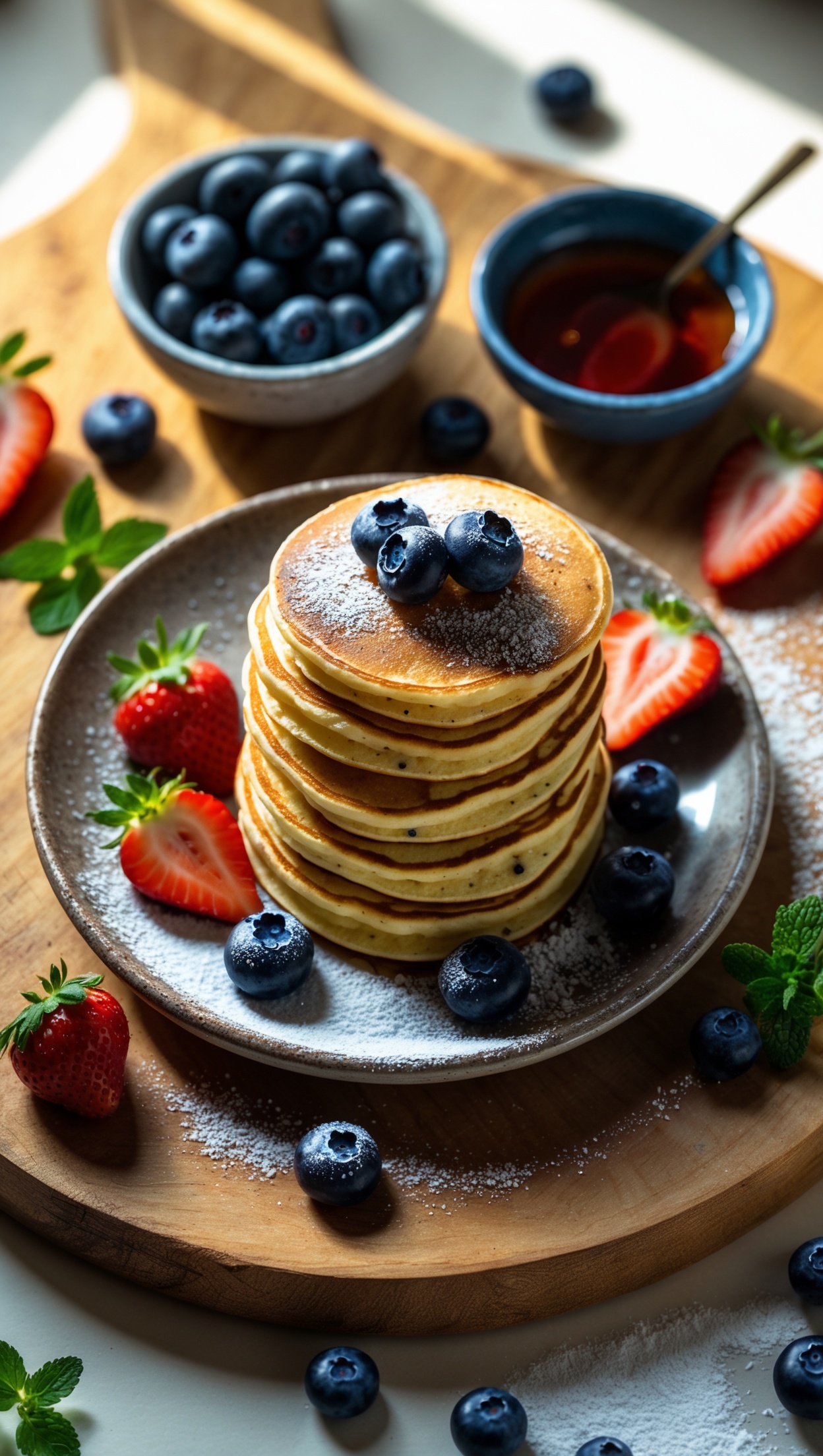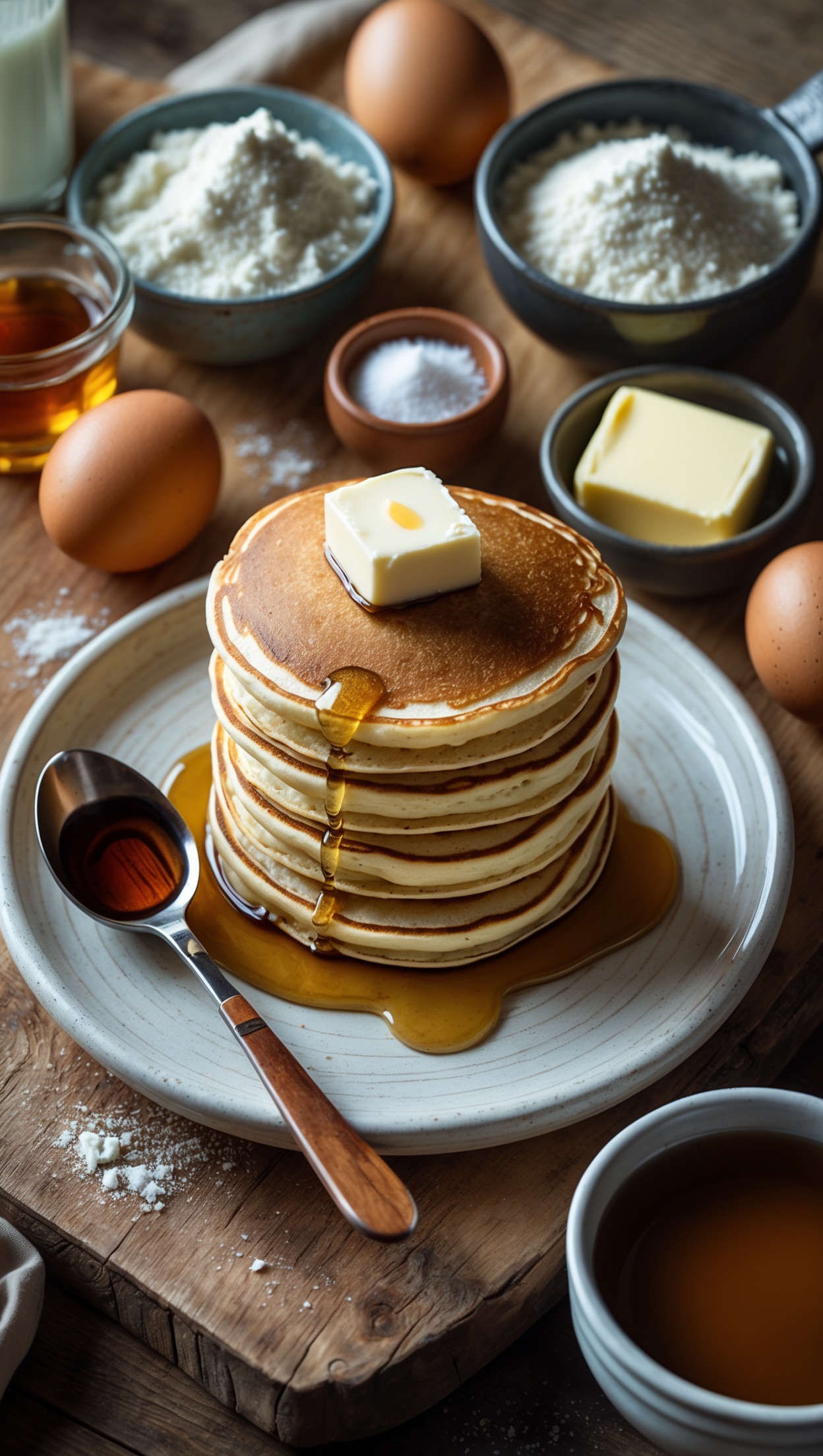
Easy Pancake Batter – The Only Basic Recipe You'll Ever Need
There is something wonderfully comforting about a stack of warm, golden pancakes on a Sunday morning. Whether you are cooking for the whole family or treating yourself to a quiet solo brunch, a reliable pancake batter recipe is one of the most valuable tools in any home cook's arsenal. This easy basic recipe delivers fluffy, delicious pancakes every single time — with ingredients you almost certainly already have in your kitchen.
Why This Basic Pancake Batter Recipe Works So Well
The beauty of a classic pancake batter lies in its simplicity. With just a handful of pantry staples — flour, eggs, milk, butter, and a pinch of salt — you can create a batter that forms the foundation for countless breakfast and brunch variations. The ratio of wet to dry ingredients is carefully balanced to give you pancakes that are soft on the inside, lightly crisp at the edges, and beautifully golden on the outside.
Unlike overly complicated recipes that call for buttermilk or special leavening agents, this basic version keeps things accessible without sacrificing quality. It is the perfect starting point for beginners and a trusted go-to for seasoned home cooks alike.
Ingredients for the Perfect Pancake Batter
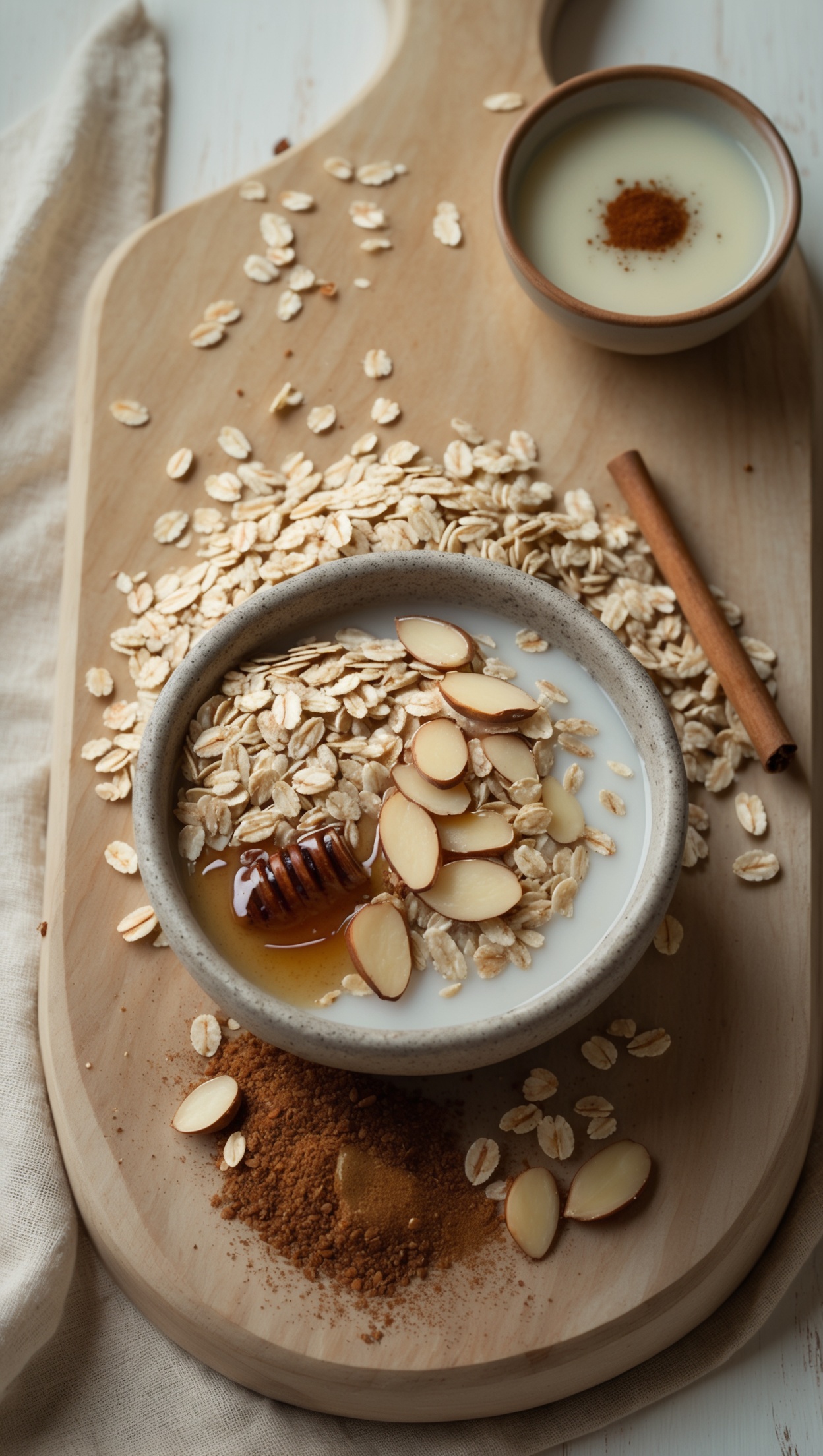
- 200g all-purpose flour – the backbone of your batter
- 2 large eggs – for structure and richness
- 300ml whole milk – creates a smooth, pourable consistency
- 1 tablespoon melted butter – adds flavour and helps prevent sticking
- 1 pinch of salt – balances the sweetness
- 1 teaspoon vanilla sugar or a dash of vanilla extract – for a subtle, warm flavour
- Optional: 1 teaspoon baking powder – for extra fluffiness
Step-by-Step Instructions
Step 1: Mix the Dry Ingredients
In a large mixing bowl, combine the flour, salt, and vanilla sugar. Stir them together briefly so they are evenly distributed. If you are using baking powder for fluffier pancakes, add it here as well.
Step 2: Add the Wet Ingredients
Create a well in the centre of your dry mixture. Crack the eggs into the well and pour in roughly half of the milk. Using a whisk, begin mixing from the centre outward, gradually incorporating the flour until you have a thick, smooth paste.
Step 3: Loosen the Batter
Gradually pour in the remaining milk, whisking continuously, until you have a smooth, lump-free batter with the consistency of thin cream. Finally, stir in the melted butter.
Step 4: Rest the Batter
Allow the batter to rest for at least 15 to 20 minutes at room temperature. This resting period allows the flour to fully absorb the liquid and produces a noticeably smoother, lighter result. If you have the time, resting it for up to an hour makes an even greater difference.
Step 5: Cook Your Pancakes
Heat a non-stick frying pan or crêpe pan over medium heat. Lightly grease it with butter or a neutral oil. Pour a ladleful of batter into the centre of the pan and swirl to spread it evenly. Cook for about 2 minutes until the edges start to look set and small bubbles form on the surface. Flip carefully and cook for another 1 to 2 minutes until golden.
Tips for the Best Pancakes Every Time
- Avoid over-mixing: A few small lumps are fine. Over-whisking develops the gluten in the flour and can make your pancakes tough.
- Keep the pan at the right temperature: Too hot and the outside burns before the inside sets; too cool and the pancakes turn out pale and rubbery.
- Use the first pancake as a test: The first one is almost always a sacrifice to gauge heat and seasoning — do not be discouraged!
- Stack and keep warm: Place cooked pancakes on a plate in a low oven (around 80°C) while you cook the rest of the batch.
Delicious Topping Ideas
The best thing about this basic pancake batter recipe is how versatile it is. Here are some topping ideas to inspire you:
- Classic maple syrup and a dusting of powdered sugar
- Fresh berries and whipped cream
- Sliced bananas with honey and a sprinkle of cinnamon
- Lemon juice and granulated sugar for a traditional British-style pancake
- Nutella or a rich chocolate spread for an indulgent treat
Speaking of chocolate toppings — if you want to take your pancake spread to the next level with premium chocolate spreads, truffles, or gourmet cocoa-based toppings, My Schoko World offers a wonderful selection of high-quality chocolate products that pair beautifully with freshly made pancakes.
Variations on the Basic Batter
American-Style Fluffy Pancakes
Increase the baking powder to 2 teaspoons and add a tablespoon of sugar to the batter. Use slightly less milk to create a thicker consistency. Cook in a small, round shape for that classic tall, fluffy American stack.
Crêpe-Style Thin Pancakes
For delicate French-style crêpes, add a little more milk to thin the batter further and omit the baking powder entirely. Swirl quickly in the pan for paper-thin results.
Savoury Pancakes
Simply leave out the vanilla sugar and add a pinch of fresh herbs or a little grated cheese to the batter. Fill with spinach and cream cheese, smoked salmon and crème fraîche, or roasted vegetables for a satisfying savoury brunch option.
Make-Ahead and Storage Tips
This pancake batter can be made the night before and stored in an airtight container in the refrigerator for up to 24 hours. Give it a gentle stir before using, as the ingredients may settle. Cooked pancakes can also be stored between layers of baking paper and refrigerated for up to 2 days, or frozen for up to a month.
Final Thoughts
Once you have mastered this easy pancake batter basic recipe, you will wonder how you ever relied on a packet mix. It is faster, tastier, and endlessly customisable. Whether sweet or savoury, thin or fluffy, this versatile batter has you covered for every breakfast and brunch occasion.
For the perfect wine pairing with this dish, Hawesko offers an outstanding selection of premium wines to complement every recipe. For the finest spices and seasonings to elevate your cooking, Gewürzland has everything you need.