This article contains affiliate links. If you buy through them, we may earn a commission at no extra cost to you.
D'Artagnan Cocktail — Classic Recipe for Home
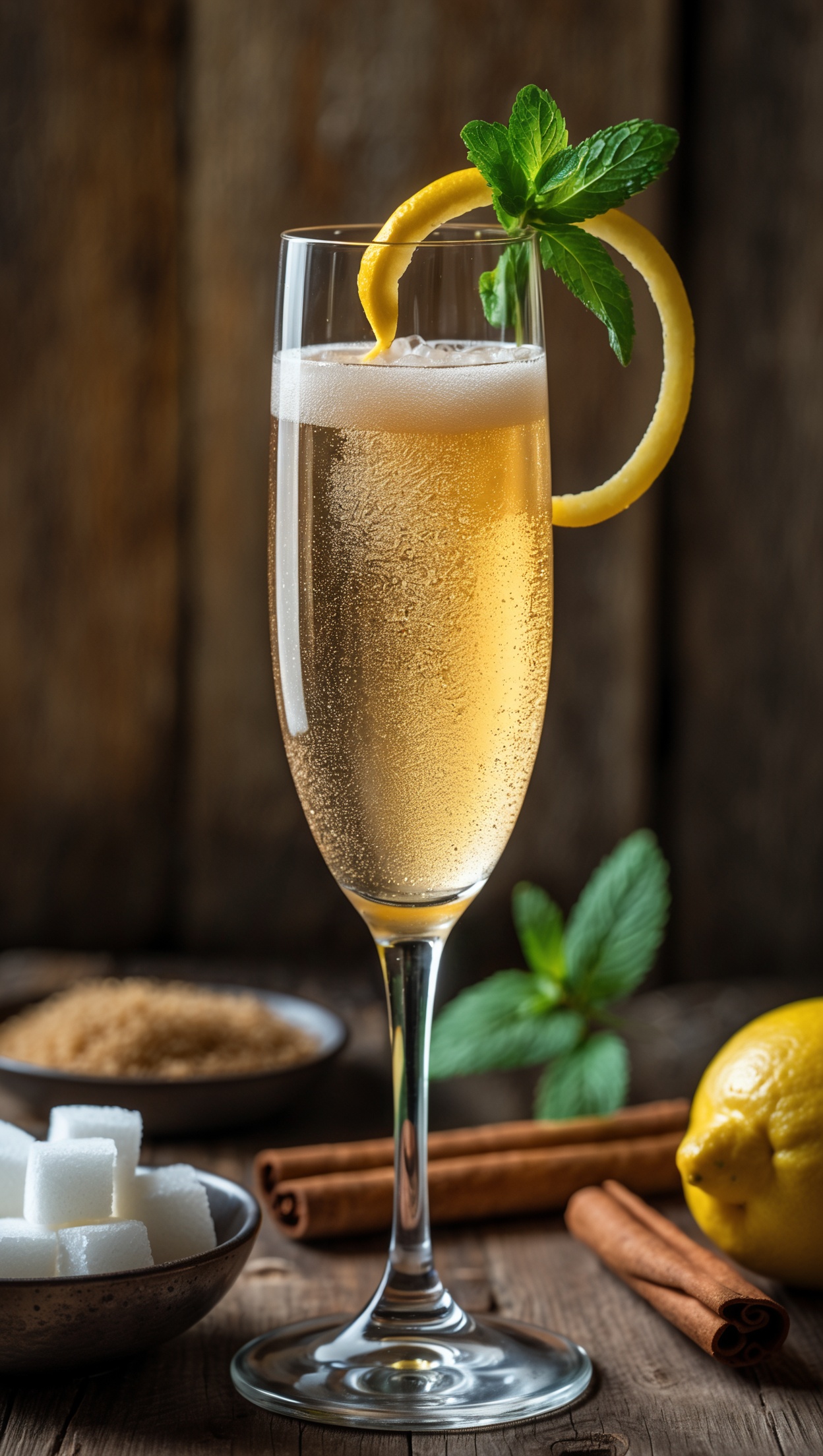
The D'Artagnan cocktail is a sophisticated, French-inspired drink that brings together the bold warmth of Armagnac, the brightness of orange liqueur, and the celebratory sparkle of dry Champagne. Named after the legendary Gascon musketeer, this cocktail carries the spirit of adventure and elegance in every sip. Whether you are hosting a dinner party, celebrating a special occasion, or simply want to treat yourself to something refined on a quiet evening, D'Artagnan delivers a memorable experience that feels both classic and festive.
In this guide, you will learn exactly how to make the D'Artagnan cocktail at home, with step-by-step instructions, tips on ingredient selection, and variations to suit your taste.
What Is the D'Artagnan Cocktail?
D'Artagnan is a French-style Champagne cocktail built on a base of Armagnac — the oldest brandy in France, produced in the Gascony region. Armagnac is richer and more rustic than Cognac, offering deep notes of dried fruit, vanilla, oak and spice. Combined with the citrus brightness of an orange liqueur and lifted by the effervescence of Champagne, the result is a drink that is complex yet approachable, warming yet refreshing.
Unlike many modern cocktails that rely on multiple flavoured syrups, D'Artagnan keeps things beautifully simple. A few quality ingredients, properly balanced, are all you need.
Ingredients for D'Artagnan (1 Serving)
- 45 ml Armagnac
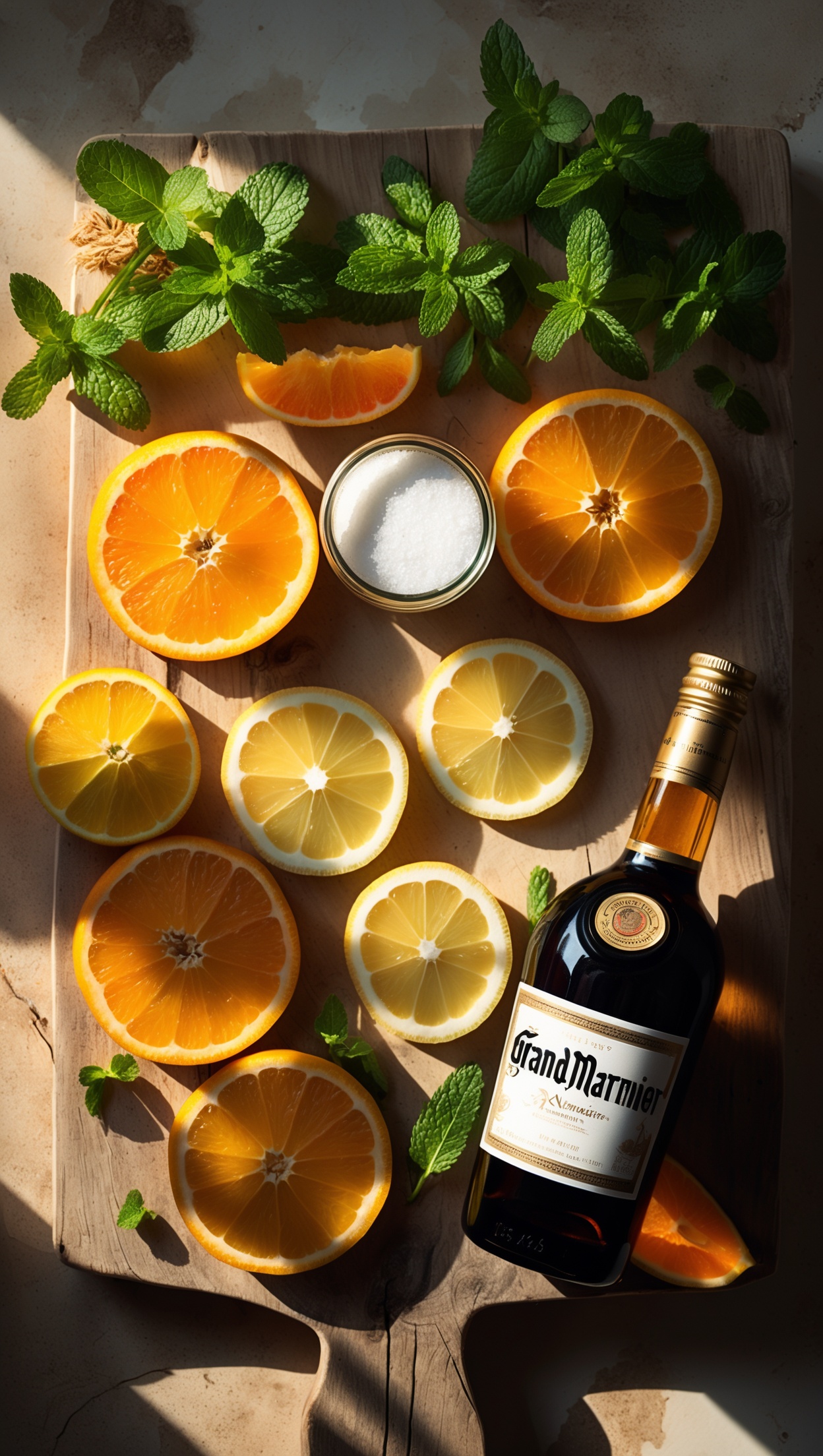
- 15 ml orange liqueur (e.g. Cointreau or Grand Marnier)
- 90 ml chilled dry Champagne or sparkling wine
- 1 tsp raw cane sugar (or simple syrup)
- 2 dashes Angostura bitters
- 1 lemon twist (for garnish)
- 1 fresh mint sprig (for garnish)
- Ice cubes (for stirring)
A Note on Ingredient Quality
Because D'Artagnan has so few components, the quality of each ingredient matters. Choose a VSOP or XO Armagnac if your budget allows — the additional aging adds complexity that truly elevates the cocktail. For the sparkling element, a dry Brut Champagne or a good Crémant d'Alsace work beautifully. If Champagne feels extravagant for a weeknight drink, a quality dry Cava or Prosecco Brut is a perfectly reasonable substitute.
How to Make D'Artagnan — Step-by-Step
Step 1 — Chill Your Glass
Place a Champagne flute in the freezer for at least 5 minutes before you begin. A cold glass keeps your cocktail at the right temperature longer and ensures the Champagne stays effervescent.
Step 2 — Stir the Base
Add the Armagnac, orange liqueur, raw cane sugar and Angostura bitters into a mixing glass filled with ice. Stir gently but steadily for about 20 seconds. You want the mixture well chilled and slightly diluted — this softens the alcohol and integrates the flavours beautifully.
Step 3 — Strain Into the Flute
Using a Hawthorne or julep strainer, strain the chilled mixture into your prepared Champagne flute. Leave enough room at the top for the Champagne.
Step 4 — Top With Champagne
Pour the cold Champagne slowly down the side of the glass. This preserves the bubbles and prevents excessive foaming. The carbonation gently lifts and integrates all the flavours in the glass.
Step 5 — Garnish and Serve
Take a strip of lemon peel and express it over the glass by bending it gently over the drink — the oils will mist the surface and add a bright citrus aroma. Lay the twist on the rim. Add a fresh mint sprig for a visual flourish and a gentle herbal note. Serve immediately.
Tips for the Best D'Artagnan Cocktail
- Do not shake — always stir cocktails that contain sparkling wine. Shaking will destroy the bubbles and result in a flat drink.
- Use fresh ice for stirring. Old or odorous ice cubes can negatively affect the taste of a delicate cocktail like this.
- Balance the sweetness — if your orange liqueur is already quite sweet (as Grand Marnier tends to be), reduce or omit the raw cane sugar.
- Serve immediately — Champagne cocktails lose their sparkle quickly. Prepare each drink to order rather than in advance.
Variations to Try
D'Artagnan Rosé
Replace the dry Champagne with a Brut Rosé Champagne or a rosé Crémant. The result is a softer, slightly fruitier cocktail with a beautiful pink hue — perfect for Valentine's Day or a romantic dinner.
Non-Alcoholic Version
Substitute the Armagnac with a high-quality non-alcoholic spirit (such as one in the brandy or whisky style), replace the orange liqueur with fresh orange juice and a dash of orange blossom water, and use a non-alcoholic sparkling wine. The result is lighter but still layered and elegant.
Spiced D'Artagnan
Add a small pinch of ground cinnamon or a single clove to the mixing glass when stirring. The warm spice note pairs wonderfully with the dried-fruit character of aged Armagnac and makes this variation ideal for autumn and winter entertaining.
Food Pairings
D'Artagnan pairs exceptionally well with light, elegant starters. Consider serving it alongside:
- Smoked salmon blinis with crème fraîche
- Goat's cheese and fig crostini
- Foie gras mousse on brioche toast
- Dark chocolate truffles dusted with cocoa powder
The cocktail's warmth and structure stand up to rich, flavourful bites, while the Champagne effervescence cleanses the palate between each one.
Make It a Signature Celebration Drink
D'Artagnan is one of those rare cocktails that works as a welcome drink at a formal dinner, a toast at a birthday or anniversary, or simply a well-deserved end to a long week. Its French origins give it instant elegance, and its simple four-ingredient base means you can scale it up for a crowd without losing control of the balance.
For a larger gathering, pre-stir the Armagnac, orange liqueur, bitters and sugar in a chilled pitcher, then top each individual glass with Champagne just before serving.
Frequently Asked Questions
Can I use Cognac instead of Armagnac?
Yes. Cognac will give you a cleaner, slightly lighter result. Armagnac is the more authentic choice for a D'Artagnan cocktail, but a good VSOP Cognac works very well if that is what you have available.
Can I use Prosecco or Cava instead of Champagne?
Absolutely. Choose a dry (Brut) style for either. Avoid extra-dry or sweet sparkling wines, as they will make the cocktail too sugary and unbalanced.
How strong is D'Artagnan?
With 45 ml of Armagnac and 15 ml of orange liqueur, this is a moderately strong cocktail. The Champagne dilutes and lifts it, making it feel lighter than the alcohol content suggests — but it is still a drink to be sipped and savoured.