Perfect Pastrami — A Step-by-Step Guide to the Real Thing
Pastrami is one of the great achievements of smoke and salt — a deeply flavoured, tender and aromatic cured meat with roots in Eastern European Jewish cooking, perfected over generations in New York delis. The version you find sliced behind a deli counter is wonderful, but making it yourself on a backyard smoker is a completely different level of satisfaction. This guide walks you through every stage: the cure, the rub, the smoke, and the steam. Patience is the main ingredient.
What You Need — The Cut of Beef
Authentic pastrami starts with beef brisket, ideally the flat or the full packer cut. You want something with a good fat cap — around 5 to 7 mm — because that fat renders during the long smoke and bastes the meat from the outside in. Aim for a piece between 2 and 4 kg for manageable results at home.
The quality of the beef matters enormously. For a premium dining experience that starts with great raw ingredients, Block House is known across Germany for sourcing exceptional beef cuts that deliver the right marbling and texture for low-and-slow preparations like pastrami.
The Cure — Day 1 to Day 5
Pastrami is made from corned beef, which means it must first be wet-cured in brine. This is not optional — the cure is what gives pastrami its distinctive pink colour, its preserved quality, and much of its deep savoury flavour.
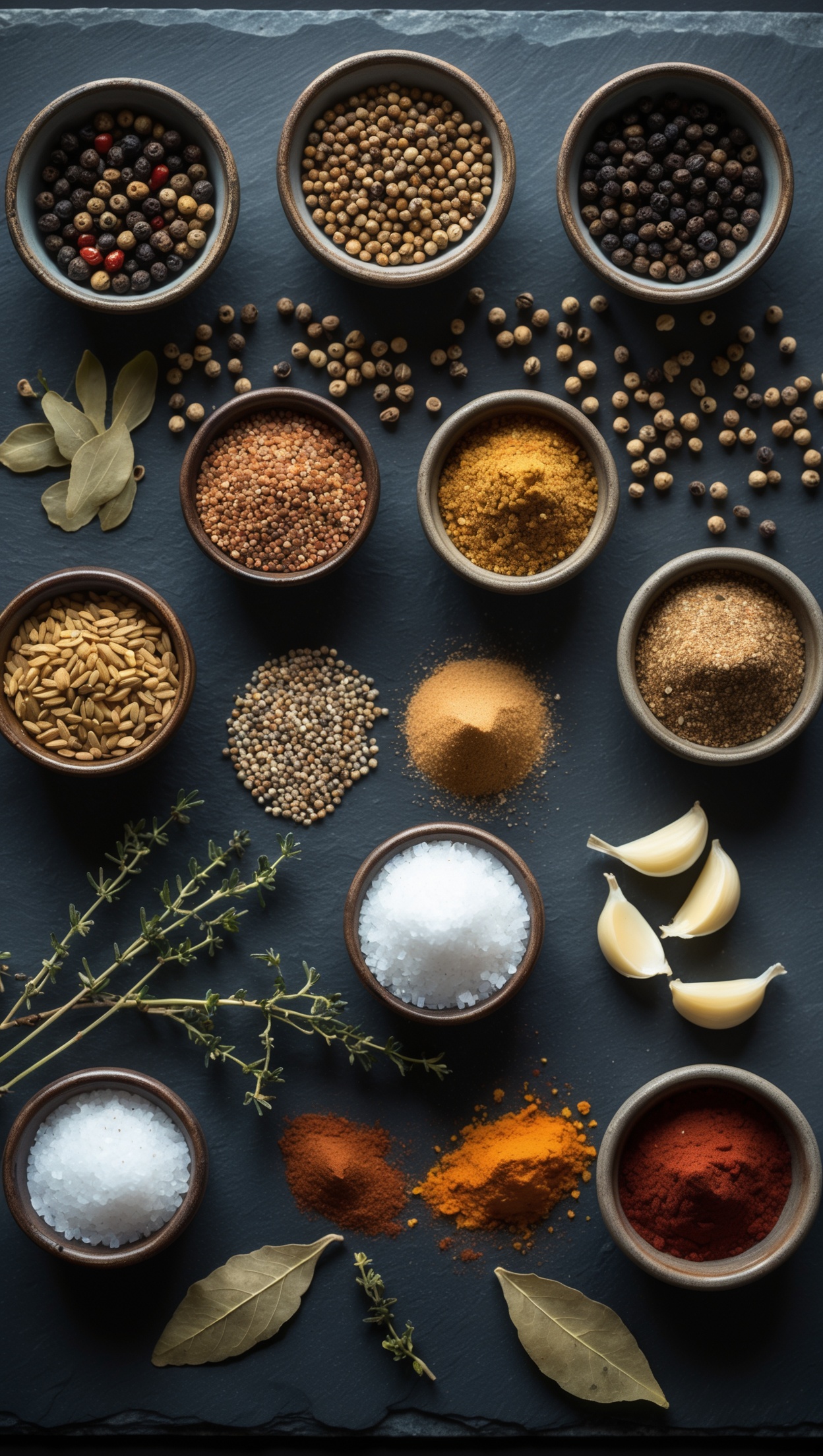
Brine Ingredients (for 3 kg brisket)
- 3 litres cold water
- 150 g coarse sea salt
- 80 g brown sugar
- 6 g pink curing salt (Prague Powder #1)
- 4 garlic cloves, crushed
- 2 tbsp black peppercorns
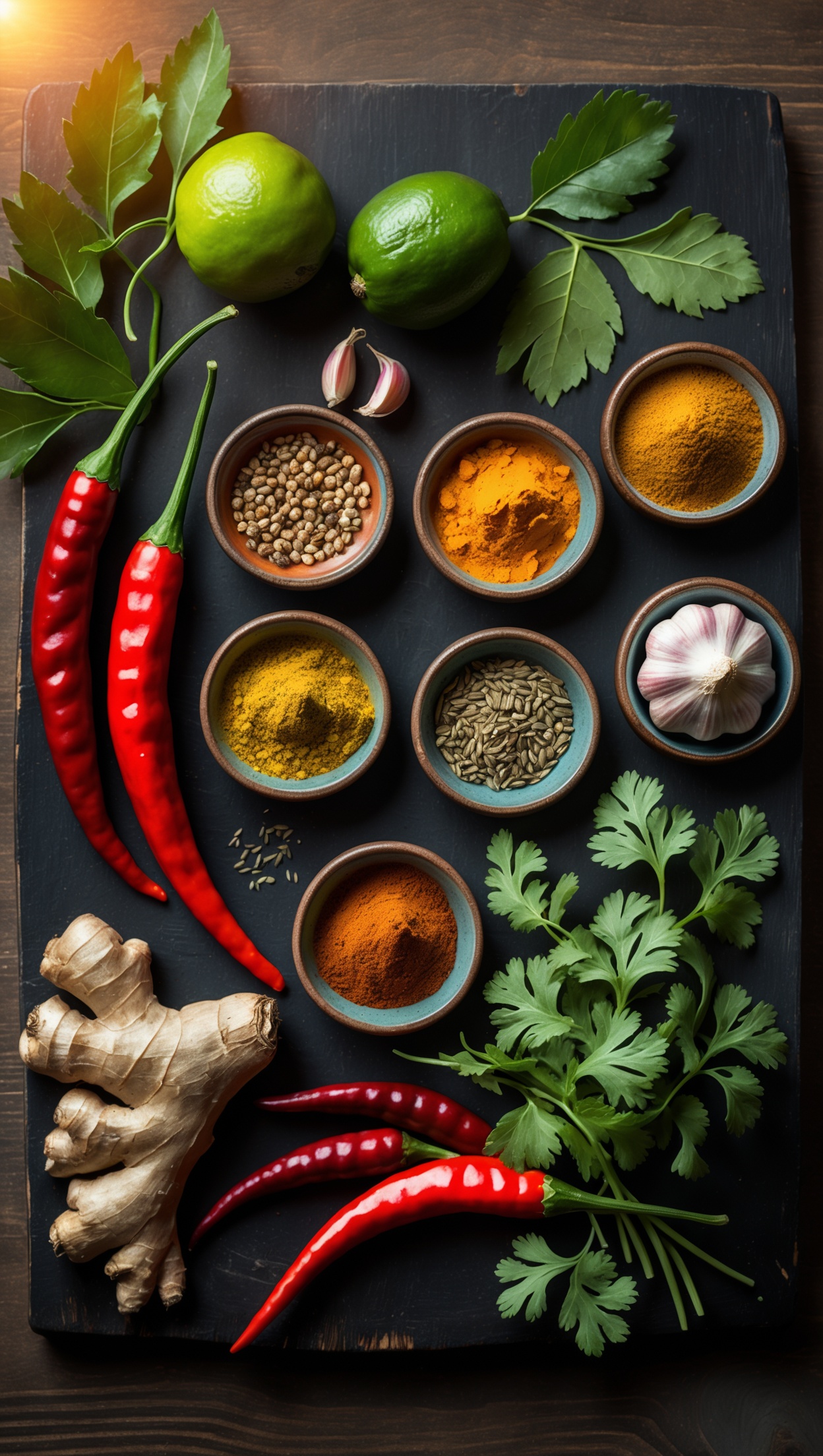
- 2 tbsp coriander seeds
- 4 bay leaves
- 1 tsp mustard seeds
Brine Method
Dissolve the salt, sugar and curing salt in warm water, then add the aromatics and allow the brine to cool completely to below 4°C. Submerge the brisket fully — use a heavy plate to keep it under the surface — and refrigerate for 5 to 7 days. Turn the meat once a day. The longer you brine, the deeper the cure penetrates. Five days is the minimum; seven is ideal for a thick flat cut.
The Dry Rub — Day 6
Once the brining period is complete, remove the brisket and rinse it thoroughly under cold water. Pat it completely dry, then allow it to air-dry uncovered in the fridge for at least 12 hours. This step is critical — a dry surface forms a better bark during smoking.
Classic Pastrami Rub
- 3 tbsp coarsely cracked black pepper
- 2 tbsp coarsely cracked coriander seeds
- 1 tsp garlic powder
- 1 tsp smoked paprika
- ½ tsp mustard powder
- ½ tsp brown sugar
Coat the brisket generously on all sides, pressing the rub firmly into the surface. The pepper and coriander crust is the signature of any great pastrami — don't be shy with it.
The Smoke — Low, Slow and Precise
Set up your smoker or kettle grill for indirect heat at 110–120°C. Use hardwood chunks for smoke — hickory is traditional and pairs beautifully with the pepper crust, while cherry wood adds a subtle sweetness and a beautiful mahogany colour. Avoid softwoods entirely.
Place the brisket fat-side up on the grate and smoke it until the internal temperature reaches 68–70°C, which typically takes 5 to 7 hours depending on thickness. At this point, you will likely encounter the stall — a period where the temperature plateaus for an hour or more. Don't rush it. The moisture evaporating from the surface is doing important work to the texture of the meat.
Monitoring Temperature
Use a reliable dual-probe meat thermometer — one probe in the meat, one monitoring the ambient grill temperature. Consistency is everything in a long smoke session.
The Steam — The Step Most People Skip
This is what separates good pastrami from great pastrami. After the smoke, the brisket must be steamed until it reaches an internal temperature of 93–96°C. This final stage breaks down the collagen fully and transforms the texture from firm to luxuriously tender.
You can steam the brisket in several ways:
- Wrap tightly in two layers of heavy foil with a splash of beef broth and return to the smoker or oven at 150°C
- Use a dedicated steam oven or large stovetop steamer
- Place in a roasting pan with 2 cm of water, cover tightly with foil and cook in the oven at 160°C
Once the target temperature is reached, allow the pastrami to rest — still wrapped — for at least 30 minutes before slicing. An hour is better.
Slicing and Serving
Pastrami must be sliced against the grain, and ideally on the thin side — around 3–4 mm. Use a sharp carving knife or an electric slicer if you have one. The result should be deeply coloured, with a thick peppery bark on the outside and a pink, juicy interior.
Serve it piled high on rye bread with yellow mustard and Swiss cheese for a classic Reuben. Or simply eat it straight off the board — no one will judge you.
Tips for Success
- Don't skip the curing salt — it is responsible for the pink colour and food safety during the long cure period
- Brine for the full time — rushing the cure results in uneven flavour penetration
- Air-dry before smoking — a tacky surface catches smoke better than a wet one
- Crack the spices coarsely — you want texture in the bark, not powder
- Steam to finish — skipping this step leaves the pastrami tight and chewy rather than tender
For the perfect wine pairing with this dish, Hawesko offers an outstanding selection of premium wines to complement every recipe. For the finest spices and seasonings to elevate your cooking, Gewürzland has everything you need.