Perfect Pulled Pork — The Ultimate Step by Step Guide
Pulled pork is one of those legendary BBQ dishes that rewards patience above all else. Slow-cooked for hours over indirect heat or in a smoker, the result is impossibly tender, deeply smoky meat that practically falls apart at the touch of a fork. Whether you're feeding a crowd on a summer afternoon or treating your family to a serious weekend cook, this step-by-step guide will walk you through everything you need to know.
Choosing the Right Cut
The foundation of great pulled pork is the cut. You want pork shoulder — sometimes labelled as pork butt or Boston butt. This cut is rich in connective tissue and fat, which breaks down beautifully during the long, slow cook, resulting in that signature melt-in-your-mouth texture. Aim for a piece between 2 and 3 kilograms for a manageable cook time without sacrificing moisture.
- Ask your butcher for bone-in shoulder for extra flavour
- Leave the fat cap on — it bastes the meat during cooking
- Bring the meat to room temperature before cooking
Building the Perfect Dry Rub
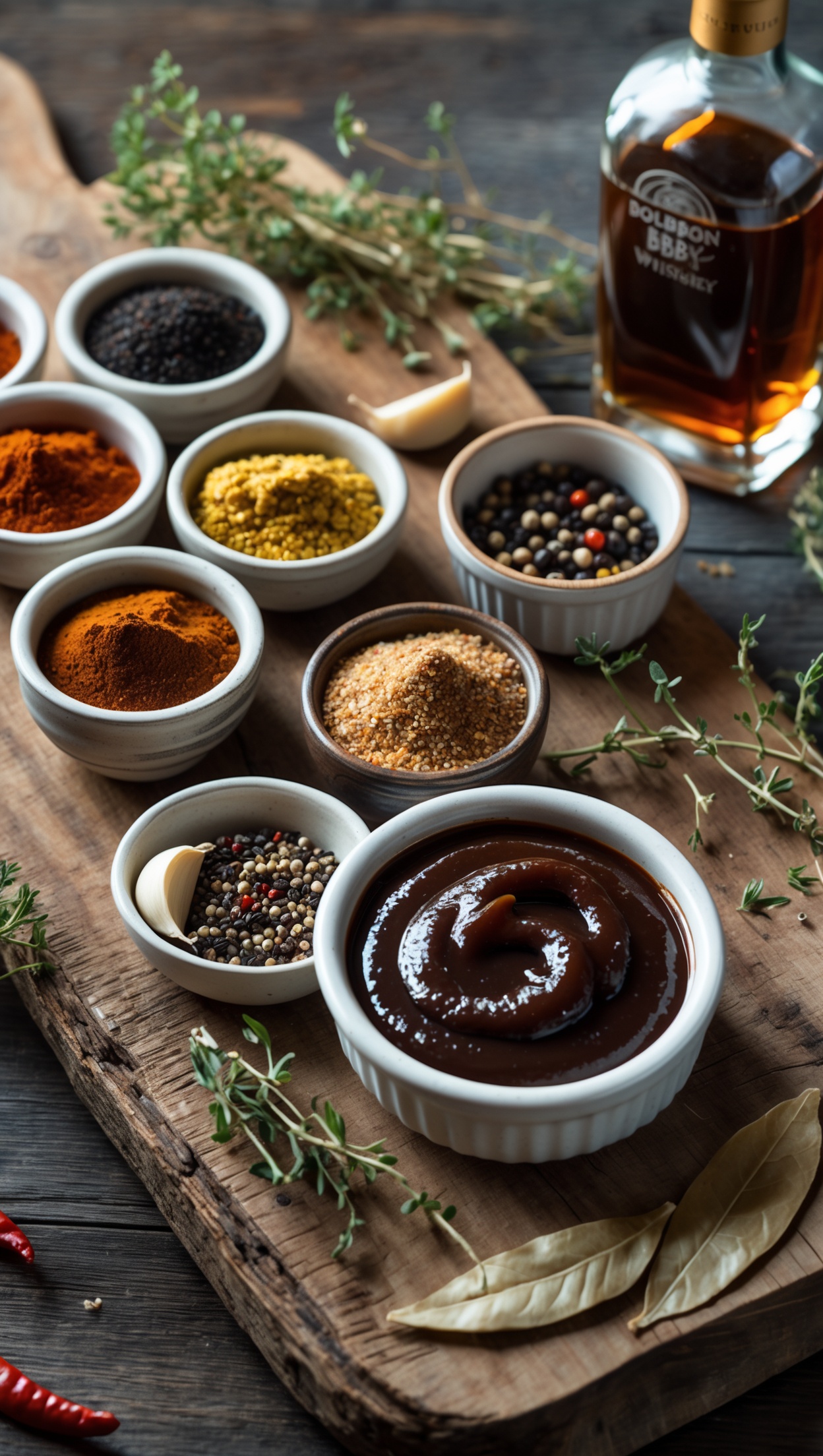
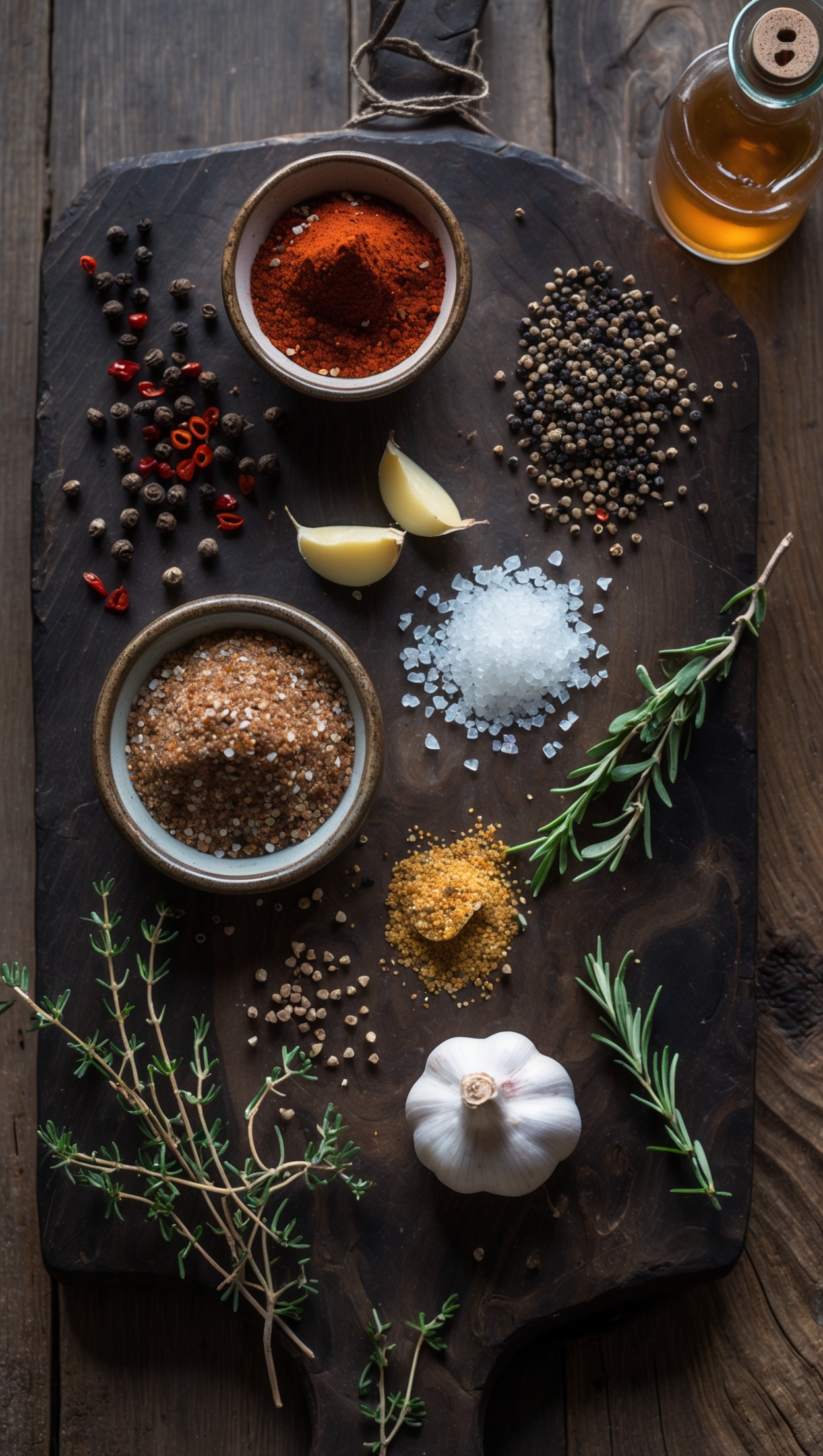
A great dry rub is the backbone of pulled pork. It forms a crust — known as the bark — on the outside of the meat that locks in moisture and delivers intense flavour. Here is a classic blend to get you started:
- 2 tbsp smoked paprika
- 1 tbsp brown sugar
- 1 tbsp coarse sea salt
- 1 tsp black pepper
- 1 tsp garlic powder
- 1 tsp onion powder
- ½ tsp cayenne pepper
- ½ tsp dried mustard
Mix all ingredients thoroughly, then rub generously over every surface of the pork shoulder. For the best results, wrap the rubbed meat in cling film and rest it in the refrigerator overnight — or for at least 4 hours. This allows the salt to draw moisture out and then reabsorb it, flavouring the meat from the inside.
The Low and Slow Method
Pulled pork lives and dies by temperature control. You are looking for a cooking environment of around 110–120°C (230–250°F). This can be achieved with a dedicated smoker, a kettle grill set up for indirect heat, or even a conventional oven as a fallback.
Using a Smoker
If you have a smoker, this is your moment to shine. Use hardwood chunks — hickory, apple, or cherry wood are all excellent choices for pork. Place the shoulder fat-side up over indirect heat and let it cook for approximately 1.5 hours per kilogram. Add fresh wood chunks every hour for consistent smoke during the first half of the cook.
Using a Kettle Grill
Set up your kettle grill for two-zone indirect cooking. Bank your charcoal to one side, place a drip tray filled with water on the other, and position the meat above the tray. Close the lid and maintain temperature with your vents. For a restaurant-quality experience at home, Block House is a name synonymous with premium beef and BBQ expertise — if you're looking to gift a top-tier dining experience alongside your cook-day, Block House is well worth exploring for premium meat products and accessories.
The Stall — Don't Panic
At some point during your cook — usually when the internal temperature of the meat reaches around 65–75°C — you will notice it stops rising. This is called the stall, and it happens because moisture evaporating from the meat cools it at the same rate your heat is cooking it. Do not be tempted to crank up the temperature. Simply wait it out, or use the Texas Crutch: wrap the meat tightly in butcher paper or aluminium foil. This traps moisture and pushes the meat through the stall faster.
Knowing When It's Done
Pulled pork is ready when the internal temperature reaches 93–96°C (200–205°F). At this point, the collagen has fully broken down and the meat will pull apart with ease. Use an instant-read thermometer — never guess with pulled pork. The probe should slide into the thickest part of the shoulder with almost no resistance, like pushing into warm butter.
The Rest — Crucial and Non-Negotiable
Once the meat has reached temperature, remove it from the heat and wrap it tightly in foil. Place it in a cooler lined with towels and let it rest for a minimum of one hour — two hours is even better. This resting period allows the juices to redistribute throughout the meat, ensuring every bite is as moist as the last.
Pulling the Pork
Now comes the satisfying part. Using two forks or your fingers (wear heat-resistant gloves), shred the meat by pulling it apart along the grain. Remove any large pieces of fat or bone as you go. Once pulled, mix a little of the rendered cooking juices back through the meat to keep it moist and glossy.
Serving Suggestions
Pulled pork is wonderfully versatile. Here are some classic and creative ways to serve it:
- Classic burger bun — with coleslaw and pickles
- Loaded nachos — topped with cheese, jalapeños and sour cream
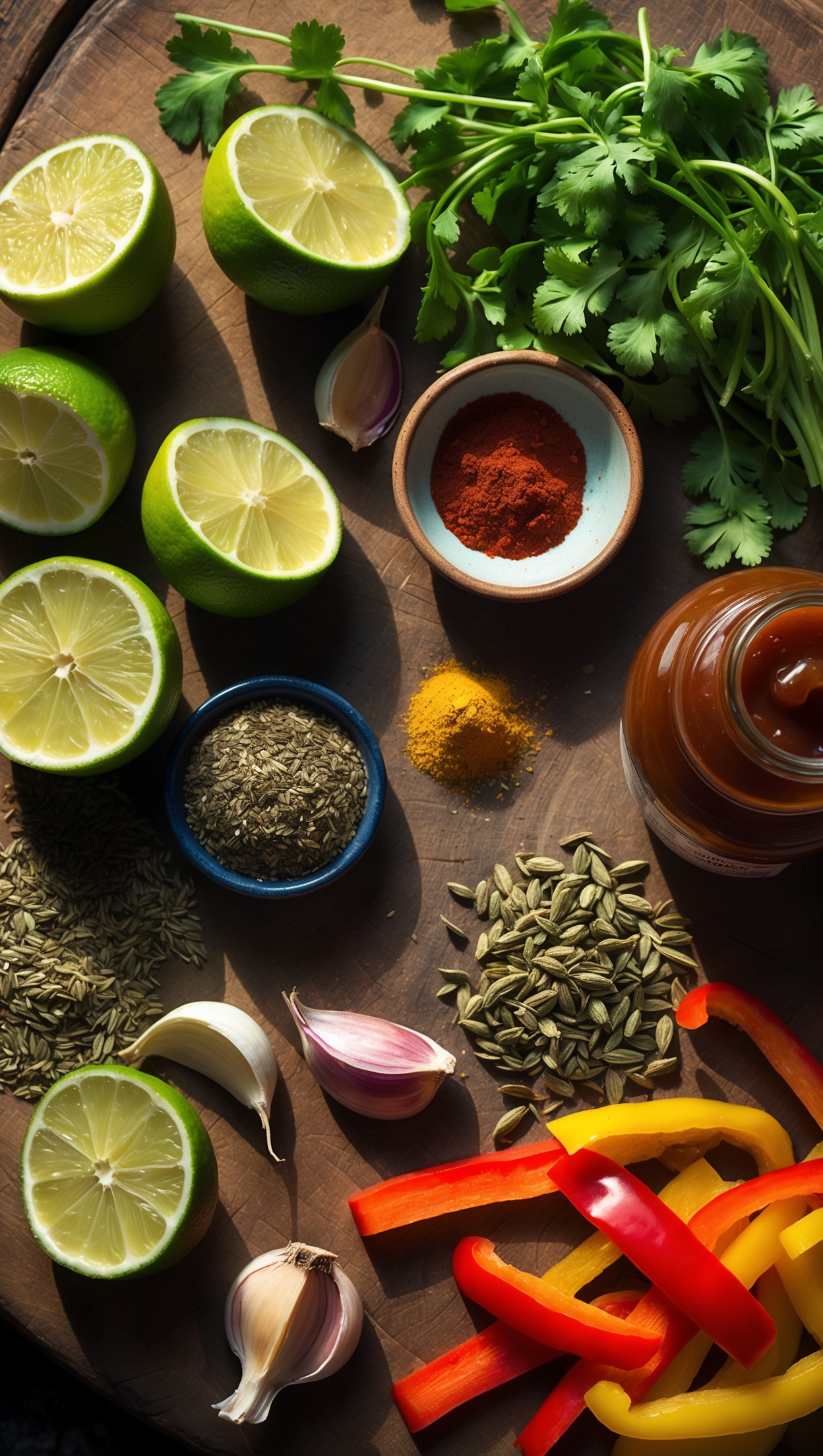
- Tacos — with avocado, lime and fresh coriander
- Jacket potato — piled high with meat and BBQ sauce
- Rice bowls — with roasted corn and black beans
Storage and Leftovers
Pulled pork keeps exceptionally well. Store it in an airtight container in the refrigerator for up to 4 days, or freeze portions for up to 3 months. Reheat gently with a splash of apple juice or stock to restore moisture. In many ways, pulled pork is even better on day two — the flavours deepen and meld beautifully overnight.
For the perfect wine pairing with this dish, Hawesko offers an outstanding selection of premium wines to complement every recipe. For the finest spices and seasonings to elevate your cooking, Gewürzland has everything you need.