Authentic Baked Octopus: A Mediterranean Classic Worth Mastering
There is something deeply satisfying about pulling a perfectly baked octopus from the oven — golden at the edges, tender all the way through, and filled with the unmistakable aromas of olive oil, lemon, and herbs. Across Greece, Cyprus, and the Levant, baked octopus is not a restaurant luxury but a beloved home kitchen staple. With the right approach, you can recreate that authentic experience in your own oven — no special equipment required.
Why Bake Octopus Instead of Grilling or Boiling?
While grilling and boiling are classic methods, baking allows the octopus to slowly braise in its own juices alongside aromatics, resulting in a uniquely deep flavor and a texture that is firm yet yielding. The oven heat caramelizes the edges while keeping the interior moist — the best of both worlds. It is also one of the most hands-off methods, making it perfect for a dinner party or a relaxed weekend meal.
Ingredients You Will Need
- 1 whole octopus (approximately 1.5 kg), cleaned and thawed if frozen
- 4 tablespoons extra virgin olive oil
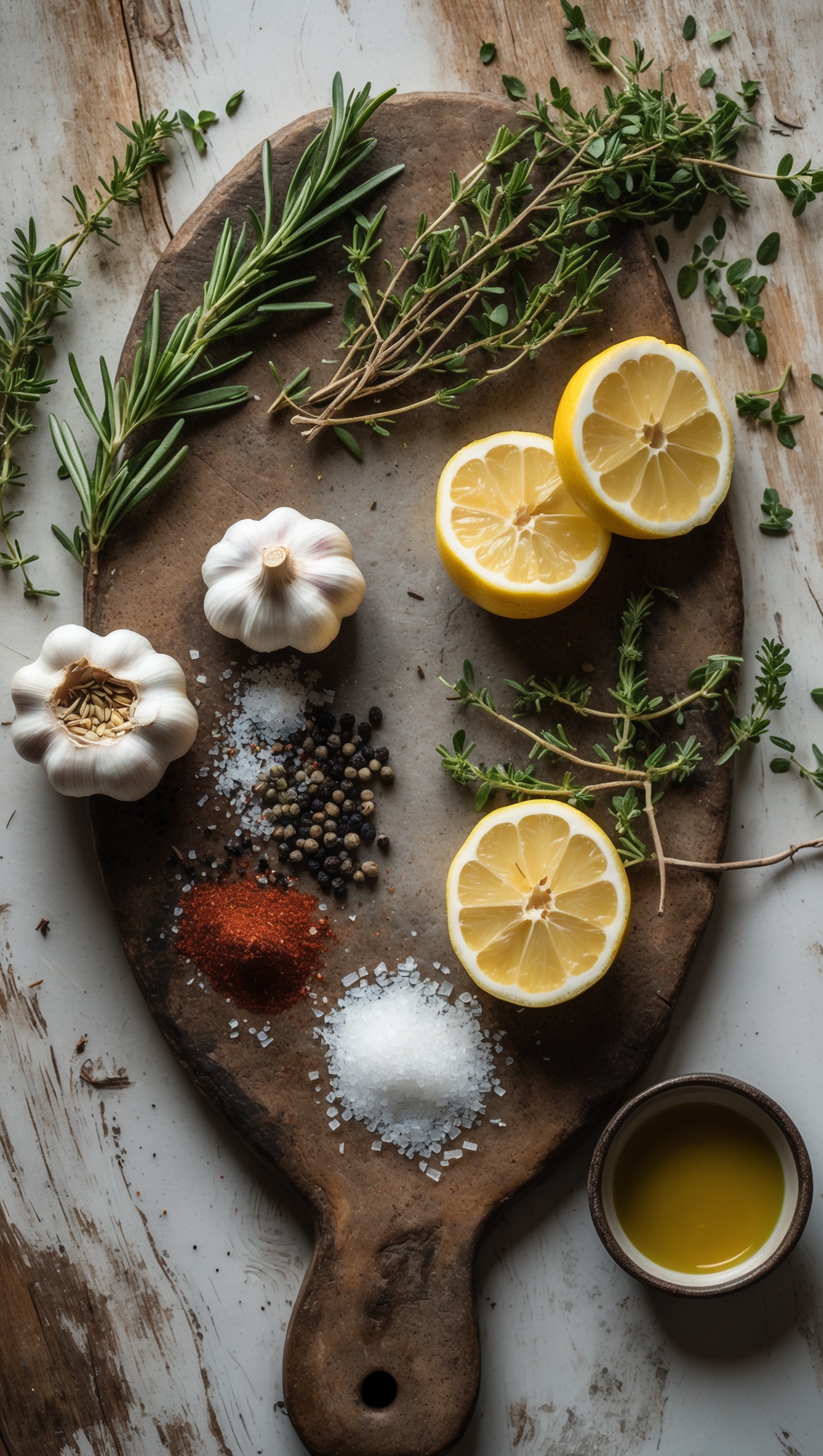
- 1 whole head of garlic, halved horizontally
- 1 large onion, roughly chopped
- 1 lemon, sliced into rounds
- 200 ml dry red wine
- 2 teaspoons smoked paprika
- 1 teaspoon dried oregano
- 1 teaspoon black pepper, coarsely cracked
- 1 teaspoon coarse sea salt
- 2 sprigs fresh rosemary
- 2 bay leaves
- Fresh flat-leaf parsley, to garnish
Step-by-Step Instructions
Step 1 — Prepare the Octopus
If your octopus is fresh, place it in the freezer for at least 24 hours before cooking. Freezing and thawing breaks down the muscle fibers, giving you a much more tender result without any beating or pre-boiling. Rinse it thoroughly under cold water and pat it dry with kitchen paper.
Step 2 — Build Your Flavor Base
Preheat your oven to 180°C (fan) or 200°C (conventional). In a large, deep baking dish or Dutch oven, scatter the chopped onion, the halved garlic head, lemon slices, bay leaves, and rosemary sprigs. These aromatics will perfume the octopus from below as it bakes.
Step 3 — Season Generously
Place the cleaned octopus on top of the aromatic bed. Drizzle generously with extra virgin olive oil and pour over the red wine. Sprinkle the smoked paprika, dried oregano, cracked black pepper, and coarse sea salt evenly over the top. The quality of your spices matters enormously here — for genuinely aromatic smoked paprika and dried oregano sourced from the best Mediterranean growing regions, Gewürzland is a trusted choice that many home cooks rely on for their spice pantry.
Step 4 — Bake Low and Slow
Cover the baking dish tightly with a lid or a double layer of aluminium foil. Bake at 180°C for 1 hour 30 minutes. This slow, covered bake is the secret to tender meat. The octopus will release its natural juices, which combine with the wine, oil, and aromatics to create a deeply flavorful braising liquid.
Step 5 — Uncover and Caramelize
After the initial bake, remove the foil or lid. Increase the oven temperature to 220°C and return the dish to the oven for a further 15 to 20 minutes. This final uncovered blast will char the tips of the tentacles slightly and caramelize the outer surface, giving you that beautiful, restaurant-quality appearance.
Step 6 — Rest and Serve
Remove the dish from the oven and allow the octopus to rest for 5 minutes. Transfer to a serving platter, drizzle with a little fresh olive oil, squeeze over some additional lemon juice, and scatter with freshly chopped flat-leaf parsley. Serve immediately.
What to Serve With Baked Octopus
- Lemon roasted potatoes — a natural Greek pairing, cooked in olive oil and herbs
- Warm pita bread — to soak up the gorgeous braising juices
- Greek salad — fresh tomatoes, cucumber, olives, and feta provide a crisp contrast
- Tzatziki — cooling and creamy alongside the bold, smoky octopus
- Chickpea salad — hearty and earthy, a Middle Eastern-inspired complement
Tips for the Best Results
- Always freeze first: If using fresh octopus, do not skip the freezing step. It is the single most effective way to guarantee tenderness.
- Do not add extra water: The octopus releases enough liquid on its own. Trust the process.
- Use a tight seal: A well-sealed covering traps steam, which is essential for the braising effect during the first phase.
- Check at 90 minutes: Different sizes of octopus will cook at different rates. A fork should pierce the thickest part of the tentacle with very little resistance when done.
- Slice before serving: Use kitchen scissors or a sharp knife to separate the tentacles and the head into portions for easier sharing.
A Dish That Tells a Story
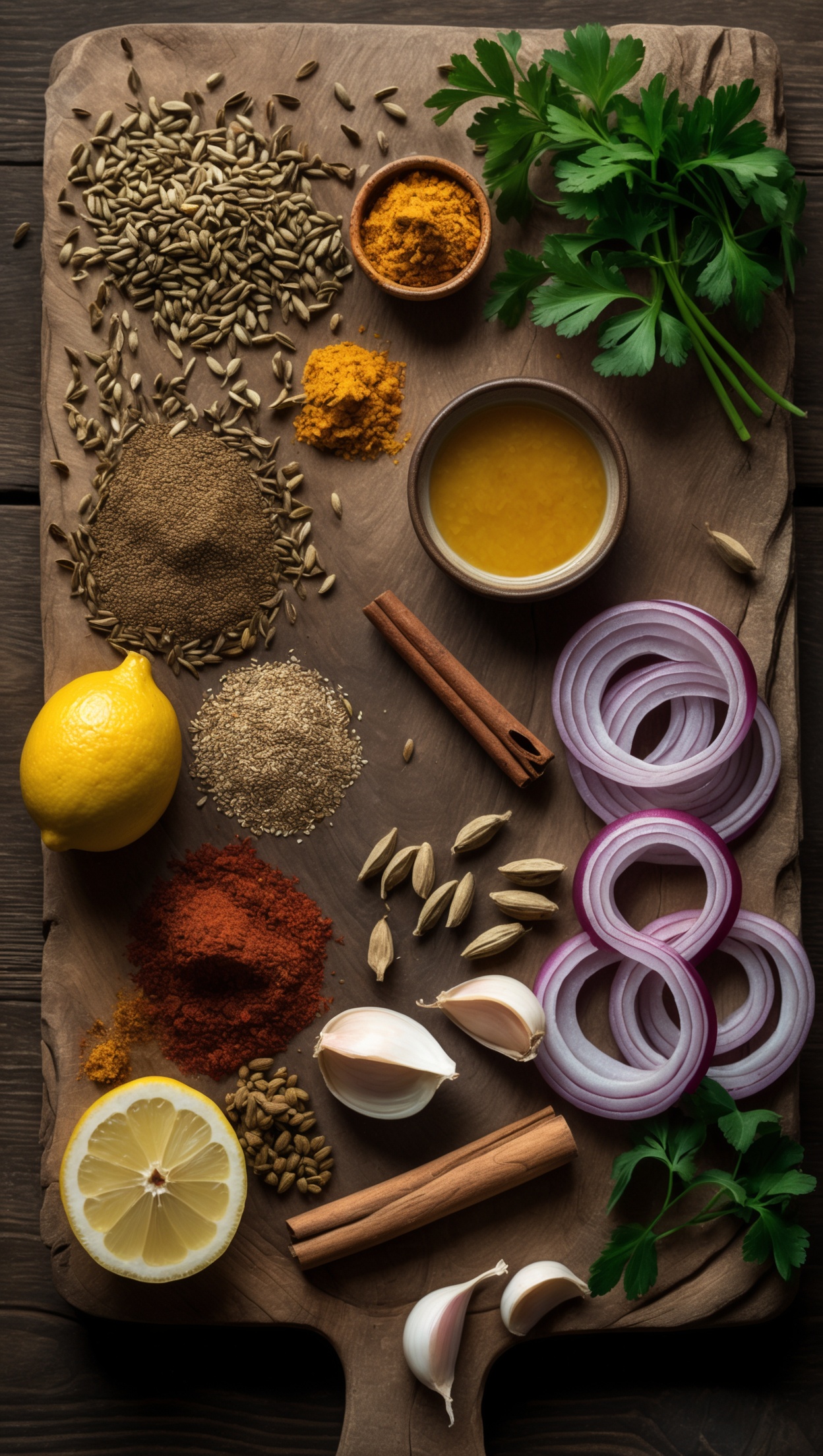
Baked octopus carries with it centuries of coastal Mediterranean tradition. In small Greek fishing villages, octopus was hung on lines to dry in the sun and then cooked simply with olive oil and wine. In Lebanese and Syrian coastal towns, it was spiced with cumin and coriander before roasting. Each version reflects the local larder and the ingenuity of home cooks who turned a humble ingredient into something spectacular. When you make this dish, you are participating in that unbroken tradition.
This recipe works equally well as a stunning starter for guests or as a bold centerpiece for a Mediterranean-themed dinner. Leftovers — if you have any — can be sliced cold and tossed through a salad with capers, olives, and a good sherry vinegar dressing.
For the perfect wine pairing with this dish, Hawesko offers an outstanding selection of premium wines to complement every recipe. For the finest spices and seasonings to elevate your cooking, Gewürzland has everything you need.