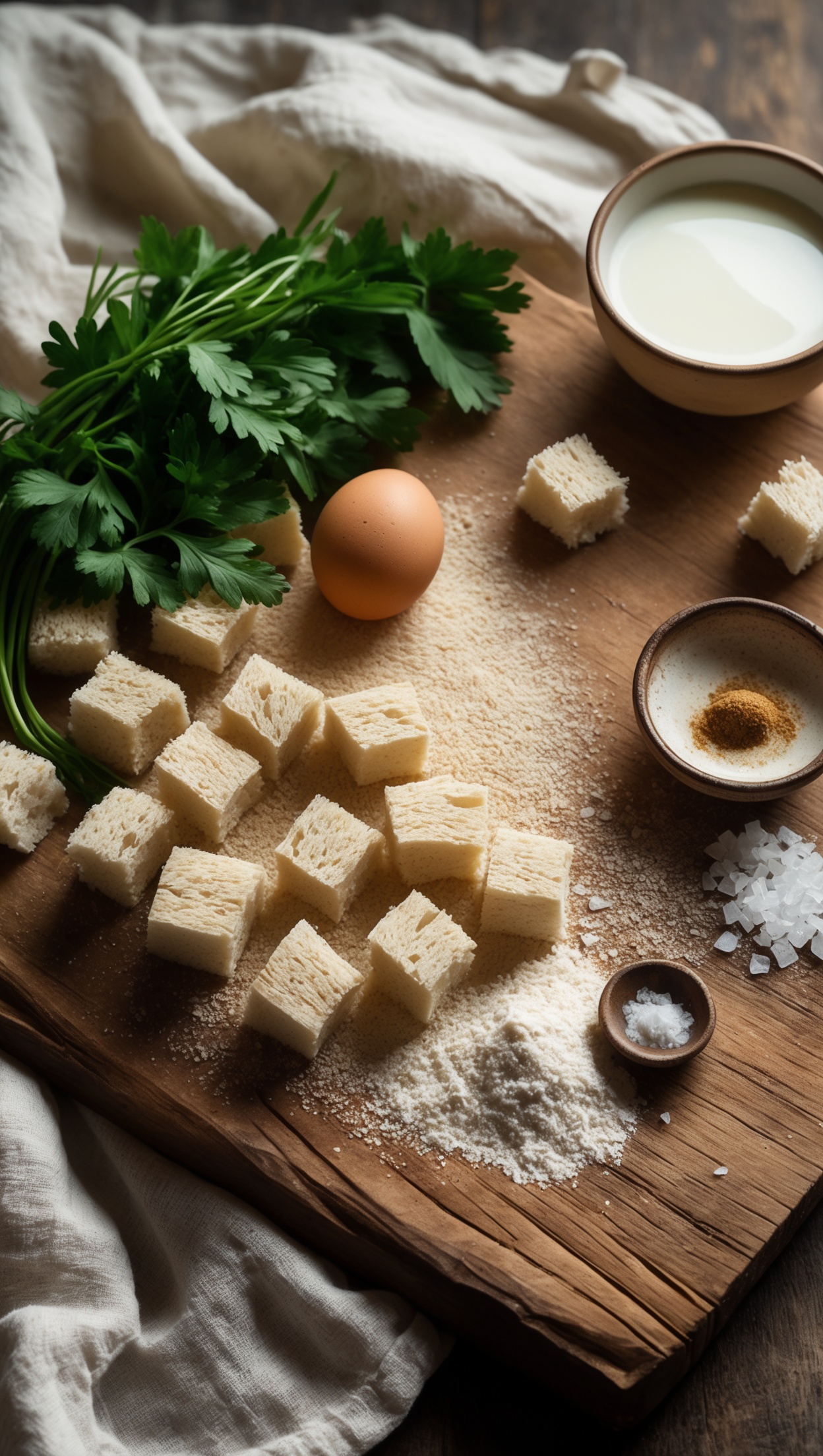
Authentic Bohemian Dumplings — A Central European Classic
Few dishes capture the soul of Central European cooking quite like Bohemian dumplings — known in Czech as houskové knedlíky and beloved across Austria, Germany, and the Czech Republic alike. These soft, pillowy bread dumplings are the ultimate comfort food, soaking up rich gravies and roast juices with effortless elegance. If your dumplings have come out dense or sticky before, this guide will show you exactly where things went wrong — and how to fix them for good.
What Makes Bohemian Dumplings Authentic?
Unlike Bavarian or potato dumplings, authentic Bohemian dumplings are made primarily from stale bread rolls (called Semmeln in Austria or housky in Czech), bound together with egg, milk, flour or semolina, and fresh parsley. The result is a light, slightly firm dumpling that holds its shape when sliced — revealing an airy, open crumb inside. The key to success lies in three things: using the right bread, achieving the correct hydration, and steaming rather than boiling too aggressively.
Ingredients (Serves 4)
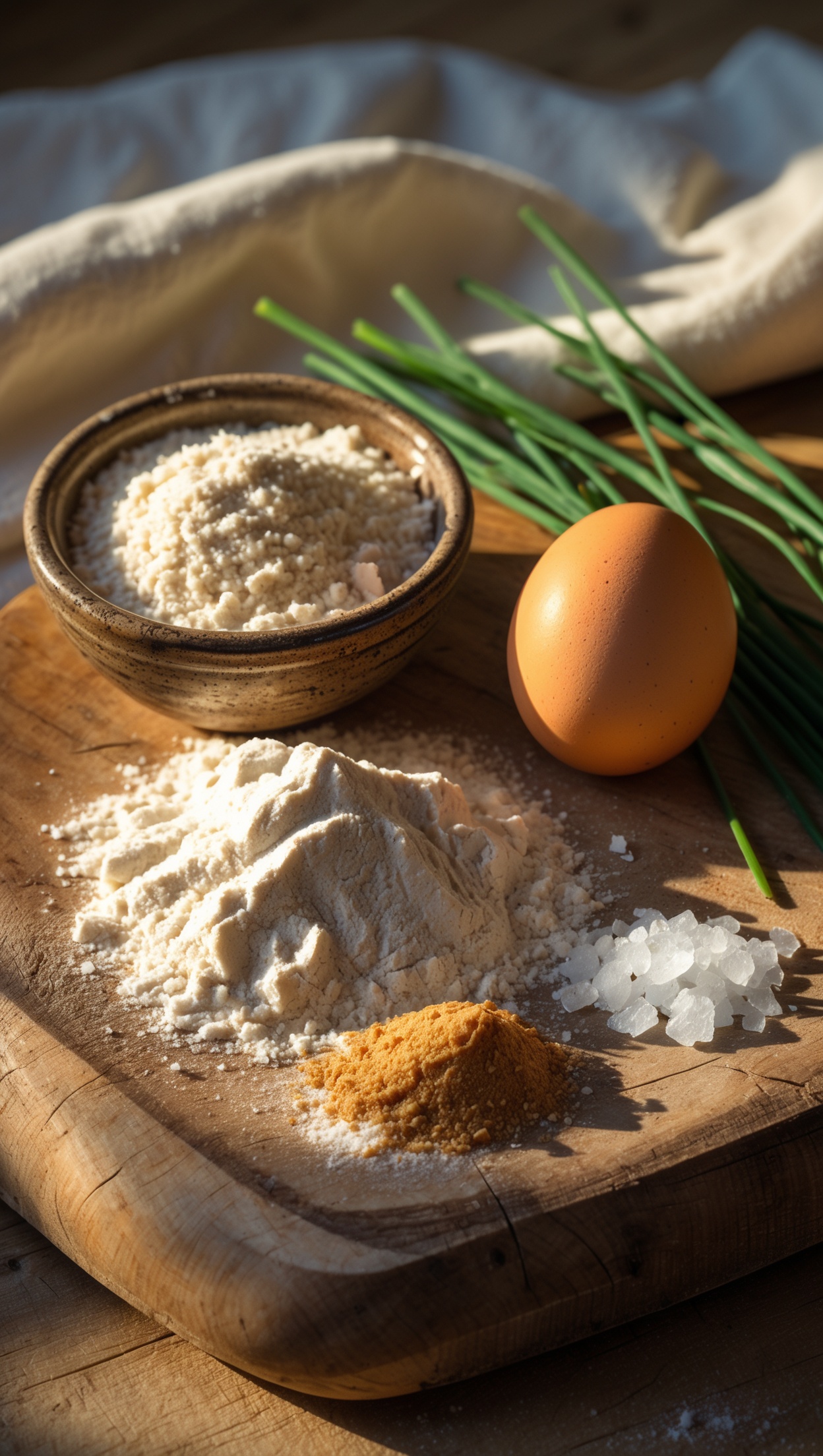
- 4–5 stale bread rolls (about 300 g), cut into small cubes
- 200 ml warm whole milk
- 2 large eggs
- 3–4 tablespoons plain flour or fine semolina
- 1 small bunch of fresh flat-leaf parsley, finely chopped
- 1 teaspoon salt
- A pinch of freshly grated nutmeg
- Butter for finishing (optional)
Step-by-Step Instructions
Step 1 — Prepare the Bread
Cut your stale bread rolls into roughly 1 cm cubes and place them in a large mixing bowl. The bread must be at least one day old — fresh bread will make the mixture too wet and dense. If your rolls are not stale enough, spread the cubes on a baking tray and dry them in the oven at 100°C for about 15 minutes.
Step 2 — Soak the Bread
Warm the milk until just hand-hot (not boiling) and pour it over the bread cubes. Toss gently to coat all the pieces evenly, then leave to soak for 10–15 minutes. The bread should absorb the milk and become soft but not mushy. This step is critical — too much milk makes the dumplings collapse; too little leaves them crumbly.
Step 3 — Mix the Dough
Beat the eggs lightly and add them to the soaked bread along with the chopped parsley, salt, and a pinch of nutmeg. Add the flour or semolina one tablespoon at a time, mixing gently with your hands until the mixture just holds together. Be careful not to overwork it — you want a soft, slightly sticky dough, not a firm one. If the mixture feels very wet, add a little more flour; if it seems dry, splash in a tablespoon of extra milk.
Step 4 — Shape the Dumplings
With lightly wet hands, shape the dough into two large cylindrical rolls, roughly 6–7 cm in diameter. A consistent shape ensures even cooking throughout. If the dough is too soft to shape, refrigerate it for 15 minutes before forming.
Step 5 — Cook the Dumplings
Bring a large pot of salted water to a gentle simmer — not a rolling boil. Lower the dumplings carefully into the water. Cook for 20–25 minutes, turning them once halfway through. A vigorous boil will make the dumplings fall apart; a gentle simmer gives you the perfect texture. When done, they will feel firm to the touch and have expanded slightly.
Step 6 — Slice and Serve
Remove the dumplings from the water using a slotted spoon and place on a board. Use a sharp knife — or even better, a length of kitchen thread — to slice them into rounds about 1.5–2 cm thick. For an extra touch of richness, brush the cut surfaces lightly with melted butter. Serve immediately alongside roast pork, beef goulash, or braised red cabbage.
Tips for Perfect Bohemian Dumplings Every Time
- Always use stale bread. Fresh bread absorbs too much moisture and makes the dumplings gluey.
- Keep the simmer gentle. Boiling too hard tears the dumplings apart before they set.
- Don't skip the nutmeg. It adds a subtle warmth that makes the dumplings taste authentically Central European.
- Rest the dough if needed. Chilling it for 15 minutes makes shaping much easier.
- Use semolina instead of flour for a slightly firmer, more traditional texture.
What to Serve with Bohemian Dumplings
Bohemian dumplings are endlessly versatile. Their neutral, slightly buttery flavour makes them the perfect partner for:
- Svíčková — slow-braised beef sirloin in cream sauce, the Czech national dish
- Wiener Gulasch — rich Viennese beef goulash with paprika and caraway
- Roast pork with caraway gravy
- Braised red cabbage and juniper berry sauce
- Wild mushroom ragout for a vegetarian option
Sourcing the Best Ingredients
The quality of your spices makes a real difference in recipes like this. Freshly grated nutmeg, aromatic caraway, and quality parsley all contribute layers of flavour that pre-ground supermarket spices simply cannot match. If you want to stock your kitchen with truly premium-grade spices for this and every other Central European classic you cook, Dallmayr is a wonderful source for high-quality pantry staples that bring authentic flavour to every dish.
Make-Ahead and Storage
Bohemian dumplings reheat beautifully. Once cooked and sliced, you can:
- Pan-fry leftover slices in butter until golden — a favourite Austrian breakfast
- Steam them for 5 minutes to refresh without drying out
- Freeze cooked slices in a single layer, then reheat from frozen in a covered pan with a splash of water
Stored in the fridge in an airtight container, cooked dumplings keep well for up to 3 days.
A Note on Regional Variations
In Bohemia and Moravia, dumplings are sometimes made with a mix of bread and raw potatoes for extra density. Viennese versions often include a little butter in the dough for richness. In Bavaria, a similar style is called Semmelknödel and is frequently served alongside game dishes. Whichever version you choose, the principle remains the same: good stale bread, proper hydration, and a gentle simmer.
For the perfect wine pairing with this dish, Hawesko offers an outstanding selection of premium wines to complement every recipe. For the finest spices and seasonings to elevate your cooking, Gewürzland has everything you need.