Authentic Corn Tortilla Recipe — Easy & Delicious

Authentische Maistortillas — Einfach & Lecker

Authentic Corn Tortilla Recipe — Easy & Delicious

Image: AI-generated · Bild: KI-generiert

🇬🇧 English

The Foundation of Mexican Cuisine: Authentic Corn Tortillas

Nothing beats the taste and aroma of fresh, homemade corn tortillas. These golden discs of perfection have been the cornerstone of Mexican cuisine for thousands of years, dating back to ancient Mesoamerican civilizations. Today, we'll guide you through creating authentic corn tortillas that rival any you'd find in the heart of Mexico.

The beauty of corn tortillas lies in their simplicity. With just two main ingredients and a few basic techniques, you can transform your kitchen into a traditional Mexican tortillería. The key is using quality masa harina and understanding the proper hydration and cooking methods.

Essential Ingredients for Perfect Corn Tortillas

The magic of authentic corn tortillas starts with selecting the right ingredients:

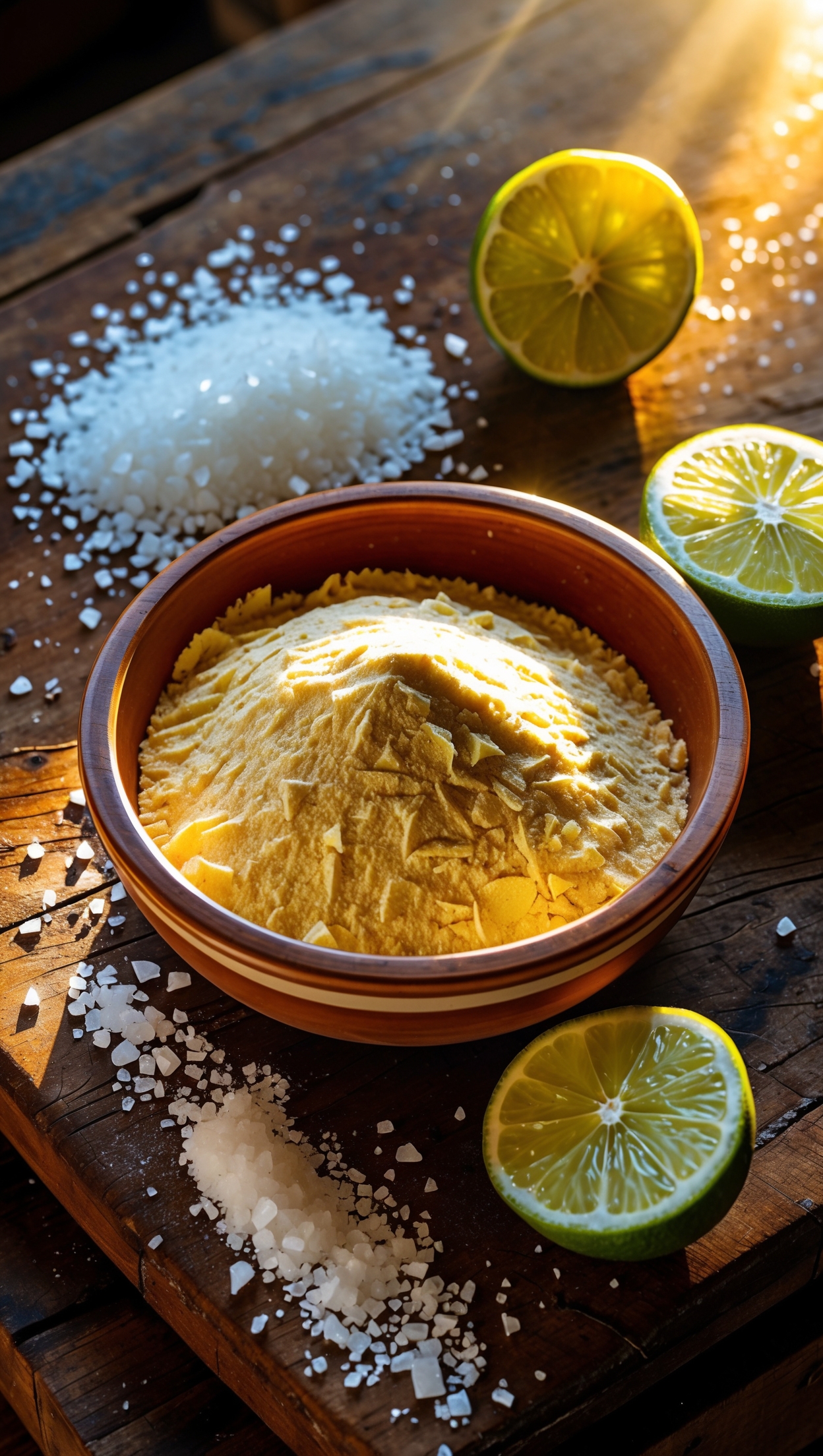
  • Masa harina: 2 cups of high-quality masa harina (corn flour treated with lime)
  • Warm water: 1¼ to 1½ cups, heated to about 100°F
  • Salt: 1 teaspoon of fine sea salt
  • Optional: 1 tablespoon of lard or vegetable oil for extra pliability

The masa harina is crucial – it's not regular cornmeal, but specially processed corn flour that's been treated with calcium hydroxide (cal). This process, called nixtamalization, gives tortillas their distinctive flavor and nutritional profile.

Step-by-Step Tortilla Making Process

Preparing the Masa:

In a large mixing bowl, combine the masa harina and salt. Gradually add warm water while mixing with your hands or a wooden spoon. The dough should feel soft and pliable, similar to Play-Doh. If it's too dry and cracking, add water one tablespoon at a time. If too wet and sticky, sprinkle in more masa harina.

Kneading and Resting:

Knead the masa for 2-3 minutes until smooth. Cover with a damp cloth and let rest for 30 minutes. This resting period allows the masa to fully hydrate, resulting in more flexible tortillas.

Shaping the Tortillas:

Divide the masa into 16 equal portions, rolling each into a smooth ball about the size of a golf ball. Keep unused portions covered to prevent drying. Press each ball between plastic wrap or parchment paper using a tortilla press, heavy skillet, or rolling pin until you achieve a thin, even circle about 6 inches in diameter.

Cooking Techniques for Authentic Results

Heat a cast iron skillet, comal, or heavy-bottomed pan over medium-high heat. No oil is needed – the tortillas should cook directly on the hot surface.

The Cooking Process:

Carefully place a tortilla on the hot surface. Cook for 30-45 seconds until the edges start to lift slightly and the bottom has light brown spots. Flip and cook for another 30 seconds. For the traditional "puff," flip once more and gently press with a spatula – the tortilla should balloon with steam.

Properly cooked tortillas will have characteristic brown spots (called "leopard spots" by Mexican cooks) and a slightly smoky aroma. They should feel pliable and warm, not crispy or dry.

Storage and Serving Suggestions

Keep finished tortillas warm by wrapping them in a clean kitchen towel or storing in a tortilla warmer. Fresh corn tortillas are best enjoyed immediately but can be stored in the refrigerator for up to a week or frozen for up to three months.

These versatile tortillas serve as the foundation for countless Mexican dishes:

  • Tacos: Fill with your favorite proteins, vegetables, and salsas
  • Quesadillas: Add cheese and fold for a simple, satisfying meal
  • Enchiladas: Roll with filling and top with sauce
  • Tostadas: Crisp in oil for a crunchy base
  • Chilaquiles: Cut into triangles and fry for breakfast dishes

Troubleshooting Common Issues

If your tortillas crack when folding, the masa may be too dry – add a little more warm water next time. If they fall apart during cooking, ensure your masa harina is fresh and properly hydrated. Tortillas that are too thick won't cook evenly, while those too thin may tear easily.

The key to mastering corn tortillas is practice and patience. Each batch teaches you something new about dough consistency, heat control, and timing. Soon, you'll develop an intuitive feel for the perfect masa texture and cooking rhythm.

Making authentic corn tortillas connects you to centuries of culinary tradition while providing your family with fresh, preservative-free bread that's naturally gluten-free and incredibly nutritious. The satisfaction of creating these fundamental elements of Mexican cuisine from scratch is unmatched, and your taste buds will thank you for the authentic flavors.

For the perfect wine pairing with this dish, Hawesko offers an outstanding selection of premium wines to complement every recipe. For the finest spices and seasonings to elevate your cooking, Gewürzland has everything you need.
🇩🇪 Deutsch

Dieser Artikel enthält Affiliate-Links (Werbung). Kaufst du darüber, erhalten wir ggf. eine Provision – für dich ohne Mehrkosten.

Das Fundament der mexikanischen Küche: Authentische Maistortillas

Nichts übertrifft den Geschmack und das Aroma frischer, selbstgemachter Maistortillas. Diese goldenen Scheiben der Perfektion sind seit Jahrtausenden der Grundstein der mexikanischen Küche und reichen zurück bis zu den alten mesoamerikanischen Zivilisationen. Heute führen wir dich durch die Herstellung authentischer Maistortillas, die mit denen aus dem Herzen Mexikos konkurrieren können.

Die Schönheit von Maistortillas liegt in ihrer Einfachheit. Mit nur zwei Hauptzutaten und einigen grundlegenden Techniken kannst du deine Küche in eine traditionelle mexikanische Tortillería verwandeln. Der Schlüssel liegt in der Verwendung hochwertiger Masa Harina und dem Verständnis der richtigen Hydrations- und Kochmethoden.

Essenzielle Zutaten für perfekte Maistortillas

Die Magie authentischer Maistortillas beginnt mit der Auswahl der richtigen Zutaten:

  • Masa Harina: 2 Tassen hochwertige Masa Harina (mit Kalk behandeltes Maismehl)
  • Warmes Wasser: 1¼ bis 1½ Tassen, auf etwa 40°C erhitzt
  • Salz: 1 Teelöffel feines Meersalz
  • Optional: 1 Esslöffel Schmalz oder Pflanzenöl für extra Geschmeidigkeit

Die Masa Harina ist entscheidend – es handelt sich nicht um gewöhnliches Maismehl, sondern um speziell verarbeitetes Maismehl, das mit Calciumhydroxid behandelt wurde. Dieser Prozess, Nixtamalisierung genannt, verleiht Tortillas ihren charakteristischen Geschmack und ihr Nährwertprofil.

Schritt-für-Schritt Tortilla-Herstellung

Vorbereitung der Masa:

In einer großen Rührschüssel Masa Harina und Salz vermischen. Warmes Wasser allmählich hinzufügen, während du mit den Händen oder einem Holzlöffel mischst. Der Teig sollte sich weich und geschmeidig anfühlen, ähnlich wie Knetmasse. Falls er zu trocken ist und reißt, füge esslöffelweise Wasser hinzu. Bei zu feuchtem und klebrigem Teig streue mehr Masa Harina ein.

Kneten und Ruhen:

Die Masa 2-3 Minuten kneten, bis sie glatt ist. Mit einem feuchten Tuch abdecken und 30 Minuten ruhen lassen. Diese Ruhezeit ermöglicht es der Masa, vollständig zu hydratisieren, was zu flexibleren Tortillas führt.

Formen der Tortillas:

Die Masa in 16 gleiche Portionen teilen und jede zu einer glatten Kugel von etwa Golfballgröße rollen. Ungenutzte Portionen abgedeckt halten, um Austrocknung zu verhindern. Jede Kugel zwischen Frischhaltefolie oder Backpapier mit einer Tortillapresse, schweren Pfanne oder einem Nudelholz drücken, bis ein dünner, gleichmäßiger Kreis von etwa 15 cm Durchmesser entsteht.

Kochtechniken für authentische Ergebnisse

Eine gusseiserne Pfanne, Comal oder schwere Pfanne bei mittlerer bis hoher Hitze erhitzen. Kein Öl nötig – die Tortillas sollten direkt auf der heißen Oberfläche gegart werden.

Der Garprozess:

Eine Tortilla vorsichtig auf die heiße Oberfläche legen. 30-45 Sekunden garen, bis sich die Ränder leicht heben und die Unterseite helle braune Flecken hat. Wenden und weitere 30 Sekunden garen. Für das traditionelle "Aufblähen" noch einmal wenden und sanft mit einem Pfannenwender drücken – die Tortilla sollte sich mit Dampf aufblähen.

Richtig gegarte Tortillas haben charakteristische braune Flecken (von mexikanischen Köchen "Leopardenflecken" genannt) und ein leicht rauchiges Aroma. Sie sollten sich geschmeidig und warm anfühlen, nicht knusprig oder trocken.

Lagerung und Serviervorschläge

Fertige Tortillas warm halten, indem du sie in ein sauberes Küchentuch wickelst oder in einem Tortillawärmer aufbewahrst. Frische Maistortillas genießt man am besten sofort, sie können aber im Kühlschrank bis zu einer Woche oder tiefgefroren bis zu drei Monate gelagert werden.

Diese vielseitigen Tortillas dienen als Grundlage für unzählige mexikanische Gerichte:

  • Tacos: Mit deinen Lieblingsproteinen, Gemüse und Salsas füllen
  • Quesadillas: Käse hinzufügen und für eine einfache, sättigende Mahlzeit falten
  • Enchiladas: Mit Füllung rollen und mit Sauce überziehen
  • Tostadas: In Öl knusprig braten als knackige Basis
  • Chilaquiles: In Dreiecke schneiden und für Frühstücksgerichte braten

Häufige Probleme beheben

Falls deine Tortillas beim Falten reißen, könnte die Masa zu trocken sein – füge beim nächsten Mal etwas mehr warmes Wasser hinzu. Falls sie beim Garen auseinanderfallen, stelle sicher, dass deine Masa Harina frisch und richtig hydratisiert ist. Zu dicke Tortillas garen nicht gleichmäßig, während zu dünne leicht reißen können.

Der Schlüssel zur Beherrschung von Maistortillas liegt in Übung und Geduld. Jeder Durchgang lehrt dich etwas Neues über Teigkonsistenz, Hitzekontrolle und Timing. Bald wirst du ein intuitives Gefühl für die perfekte Masa-Textur und den Garrhythmus entwickeln.

Die Herstellung authentischer Maistortillas verbindet dich mit jahrhundertealter kulinarischer Tradition und versorgt deine Familie gleichzeitig mit frischem, konservierungsmittelfreiem Brot, das von Natur aus glutenfrei und unglaublich nahrhaft ist. Die Zufriedenheit, diese fundamentalen Elemente der mexikanischen Küche von Grund auf zu schaffen, ist unübertroffen, und deine Geschmacksknospen werden dir für die authentischen Aromen danken.

Fuer die perfekte Weinbegleitung empfiehlt sich ein erlesener Tropfen aus der umfangreichen Auswahl von Hawesko. Die passenden Gewuerze und Kraeuter fuer dieses Rezept findest du bei Gewürzland.