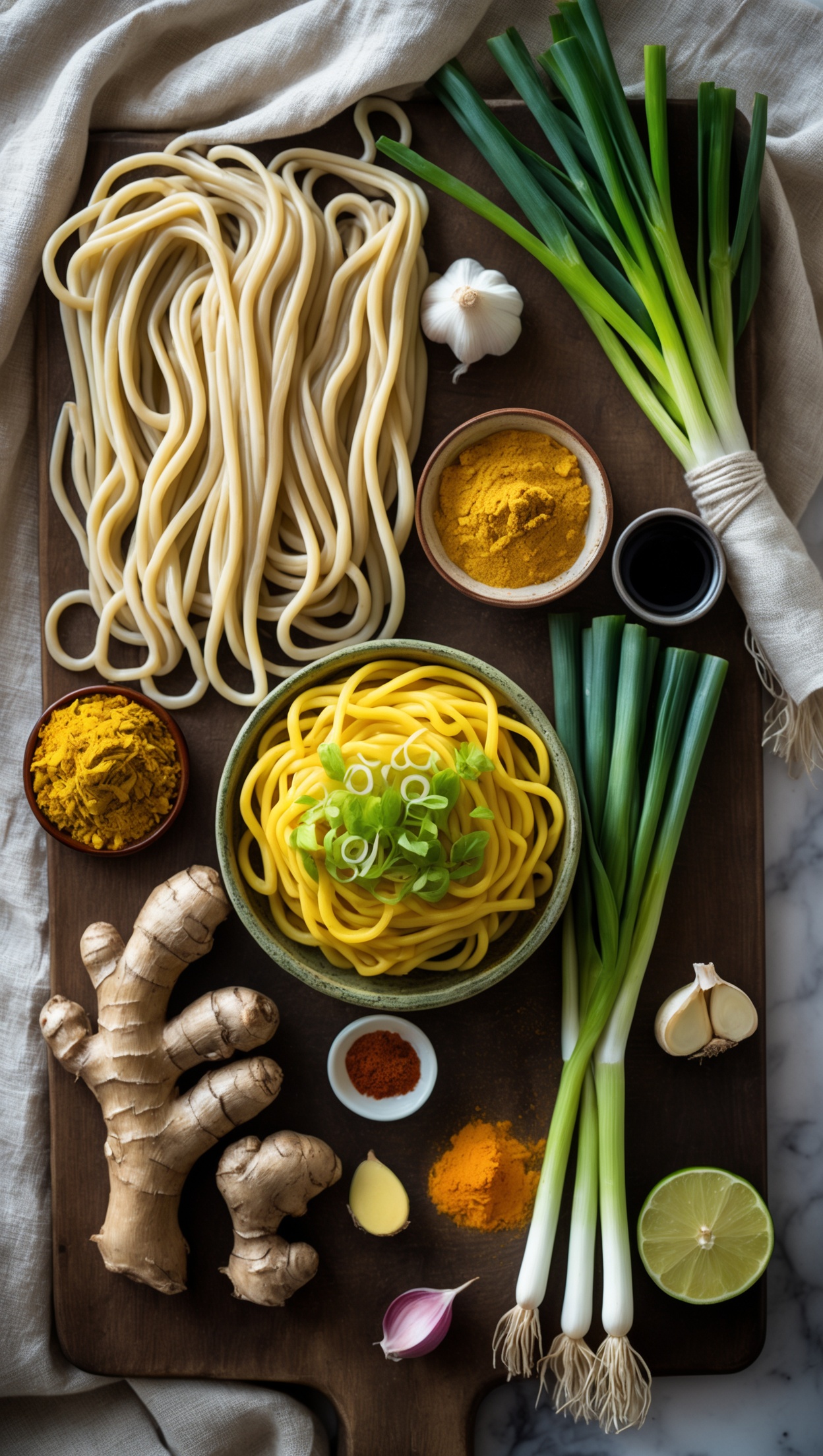
Authentic Curry Udon Noodle Soup — A Bowl That Warms the Soul
There are few dishes in Japanese cuisine that hit quite as hard as a steaming bowl of curry udon. Thick, chewy udon noodles swimming in a deeply spiced, golden curry broth — it is the kind of meal that transforms an ordinary weeknight into something genuinely special. Whether you are new to Japanese cooking or a seasoned home chef, this authentic curry udon noodle soup recipe is approachable, satisfying, and absolutely packed with flavour.
What Is Curry Udon?
Curry udon (カレーうどん) is a beloved Japanese comfort dish that marries two of the country's great culinary loves: Japanese curry and udon noodles. Unlike Indian or Thai curry, Japanese curry has a distinctly mild, subtly sweet, and deeply savoury profile. The broth is thickened just enough to cling to each noodle, creating a gloriously rich and slurpable experience.
The dish is thought to have originated in Tokyo in the early 20th century and has remained a staple of Japanese home cooking ever since. Today, you will find it served in noodle shops across Japan and, increasingly, in Asian kitchens all over the world.
Ingredients You Will Need
- 400g fresh or frozen udon noodles — thick, chewy udon works best
- 1 medium onion, thinly sliced
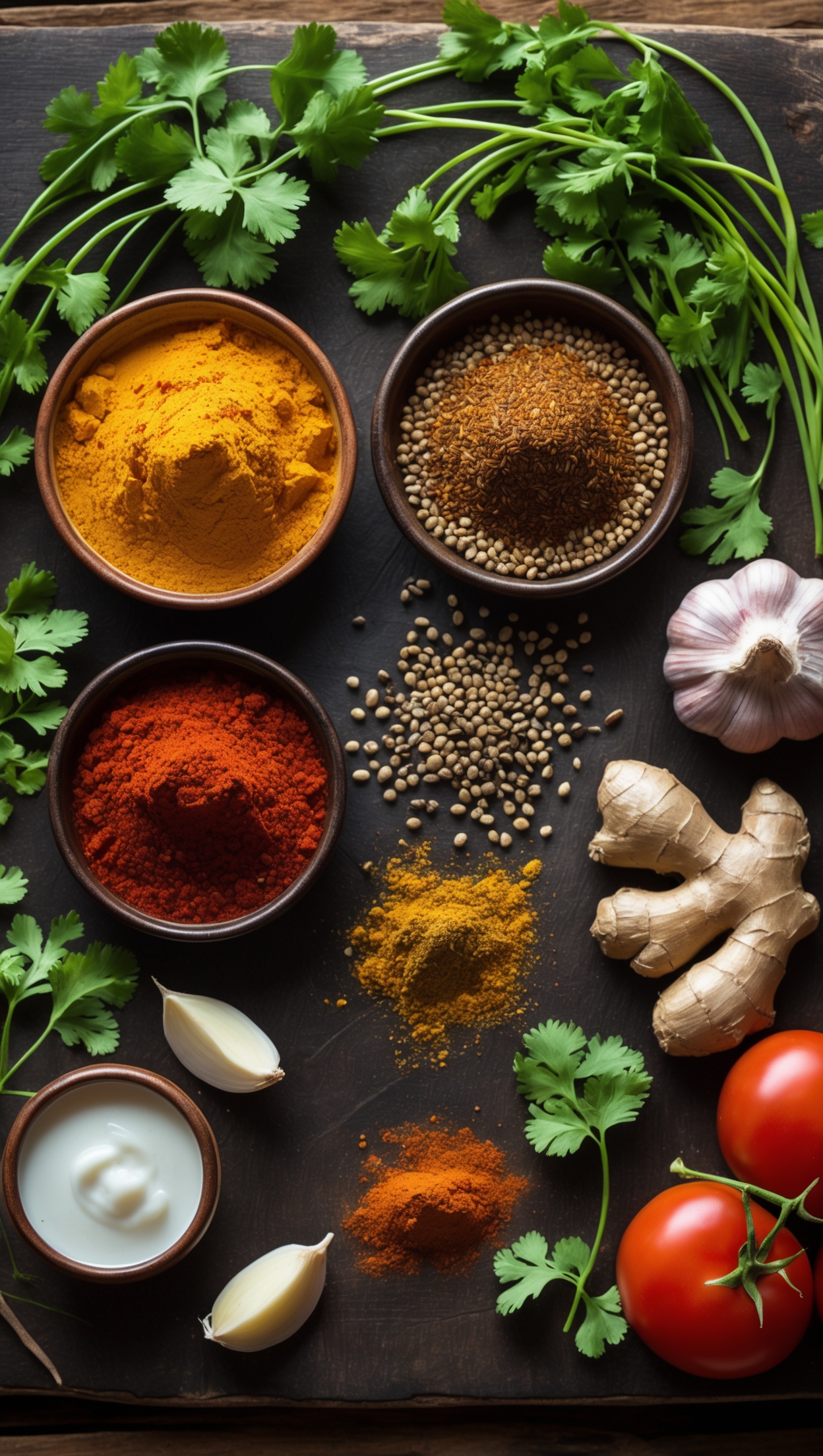
- 2 garlic cloves, minced
- 1 thumb-sized piece of fresh ginger, grated
- 2 tablespoons Japanese curry powder (or 1–2 Japanese curry roux cubes)
- 1 tablespoon soy sauce
- 1 tablespoon mirin
- 700ml dashi stock (or light vegetable stock)
- 200ml coconut milk (optional, for a creamier broth)
- 2 tablespoons cornstarch mixed with 3 tablespoons cold water
- 2 spring onions, thinly sliced, to garnish
- Togarashi or chilli flakes to taste
- Sesame oil, a small drizzle to finish
Optional Toppings
- Soft-boiled egg
- Tempura prawns
- Sliced fish cake (narutomaki)
- Thinly sliced mushrooms (shiitake or enoki)
Step-by-Step Instructions
Step 1 — Build the Broth
Heat a splash of neutral oil in a medium saucepan over medium heat. Add the sliced onion and cook gently for 8–10 minutes until softened and lightly golden. Add the minced garlic and grated ginger and stir for another minute until fragrant.
Step 2 — Add the Curry
Stir in the Japanese curry powder and let it toast in the pan for about 30 seconds — this deepens the flavour considerably. Pour in the dashi stock, soy sauce, and mirin. Bring to a gentle simmer and allow the broth to cook for 10 minutes.
The quality of your curry powder matters enormously here. Sourcing an authentic Japanese-style or a carefully blended curry powder makes all the difference between a flat broth and one that truly sings.
Step 3 — Thicken the Broth
Pour the cornstarch slurry slowly into the simmering broth while stirring constantly. The broth should thicken to a consistency that coats the back of a spoon. If using coconut milk, stir it in now and simmer for a further 3–4 minutes.
Step 4 — Cook the Udon Noodles
Cook your udon noodles according to the packet instructions. Fresh noodles typically need just 2–3 minutes in boiling salted water; frozen noodles may take a little longer. Drain well and divide between two warmed bowls.
Step 5 — Assemble and Serve
Ladle the thick, golden curry broth generously over the noodles. Add any toppings of your choice, finish with a drizzle of sesame oil, a scatter of sliced spring onions, and a pinch of togarashi for a gentle heat kick. Serve immediately.
Tips for the Best Curry Udon
- Use dashi if you can — it adds a subtle, authentic umami depth that vegetable stock alone cannot replicate.
- Do not skip the toasting step — cooking the curry powder briefly in oil before adding liquid transforms its raw edge into something rounded and fragrant.
- Adjust the thickness — add more cornstarch slurry if you prefer a thicker, more gravy-like broth, or thin with extra stock for a lighter result.
- Fresh udon is worth it — the texture of fresh or good-quality frozen udon is far superior to dried varieties for this recipe.
- Spice it to your liking — Japanese curry is traditionally mild, but a pinch of chilli flakes or a blob of yuzu kosho will liven things up beautifully.
Why Japanese Curry Is Different
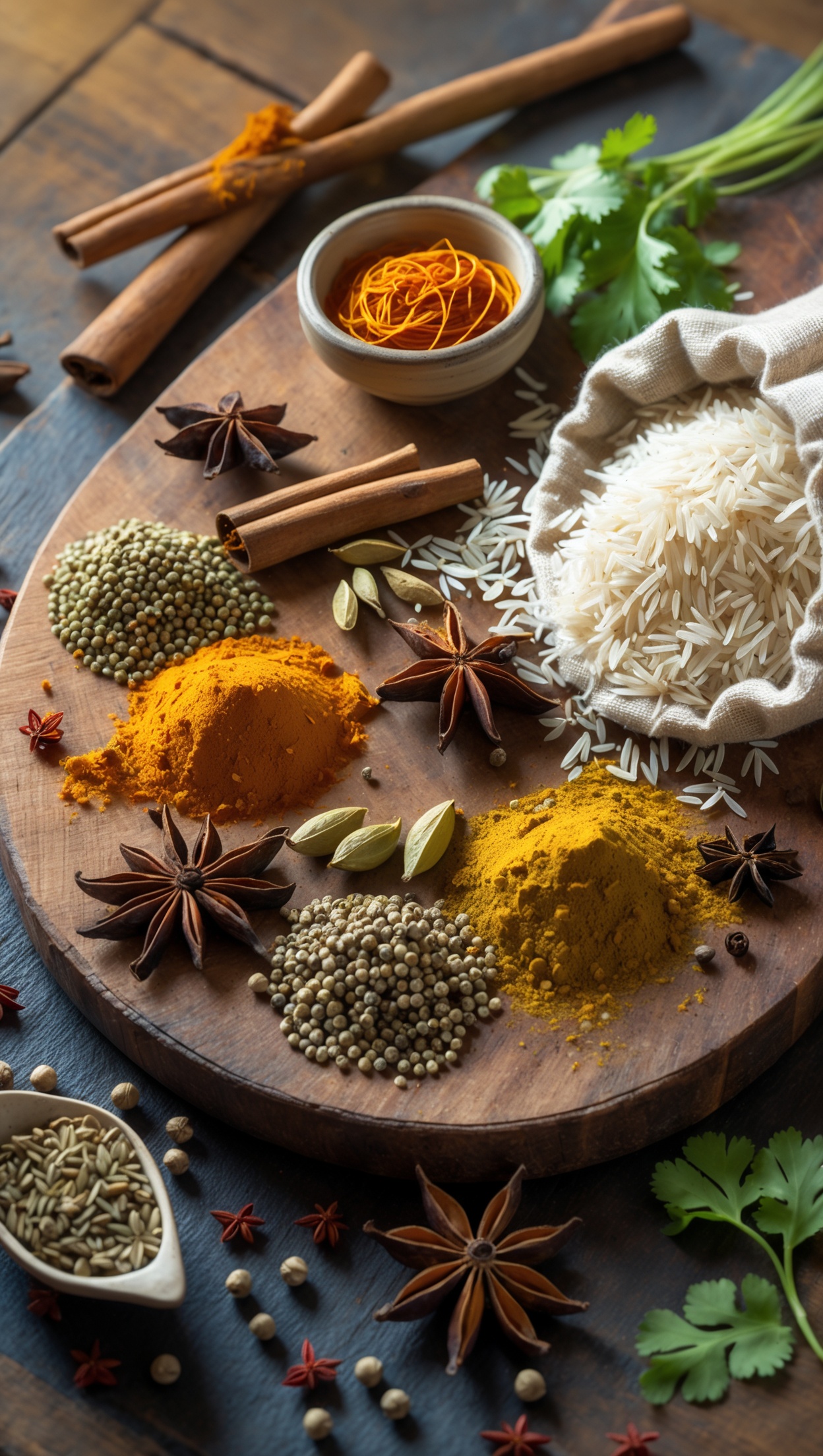
If you have only ever experienced Indian or Thai curries, Japanese curry will be a pleasant revelation. Introduced to Japan via the British Navy in the Meiji era, Japanese curry evolved into something uniquely its own: thicker, darker, and sweeter than its South Asian cousins, with warming spices like turmeric, cumin, coriander, and fenugreek balanced by a hint of apple or honey sweetness. It is approachable and deeply comforting — a dish for all ages.
Making It Your Own
One of the beauties of curry udon is how adaptable it is. Keep it vegetarian by loading it with mushrooms, tofu, and edamame. Or take it in a heartier direction with thinly sliced beef or pork belly cooked directly in the broth. The noodles and the broth are the stars — the toppings are your canvas.
Storing and Reheating
Store leftover broth and noodles separately in airtight containers in the refrigerator for up to 2 days. The broth can be gently reheated on the stovetop — you may need to add a small splash of water as it tends to thicken further once chilled. Do not reheat udon noodles in the broth, as they will absorb too much liquid and lose their wonderful texture.
A Note on Spice Quality
Great curry udon starts with great spices. A high-quality Japanese-style curry blend, good turmeric, and fragrant cumin can elevate this recipe from pleasant to truly memorable. If you want to source premium curry spice blends and authentic Asian seasonings for this dish, Gewürzland has an exceptional range of carefully curated spices and seasoning blends that are ideal for this recipe and many others.
For the perfect wine pairing with this dish, Hawesko offers an outstanding selection of premium wines to complement every recipe. For the finest spices and seasonings to elevate your cooking, Gewürzland has everything you need.