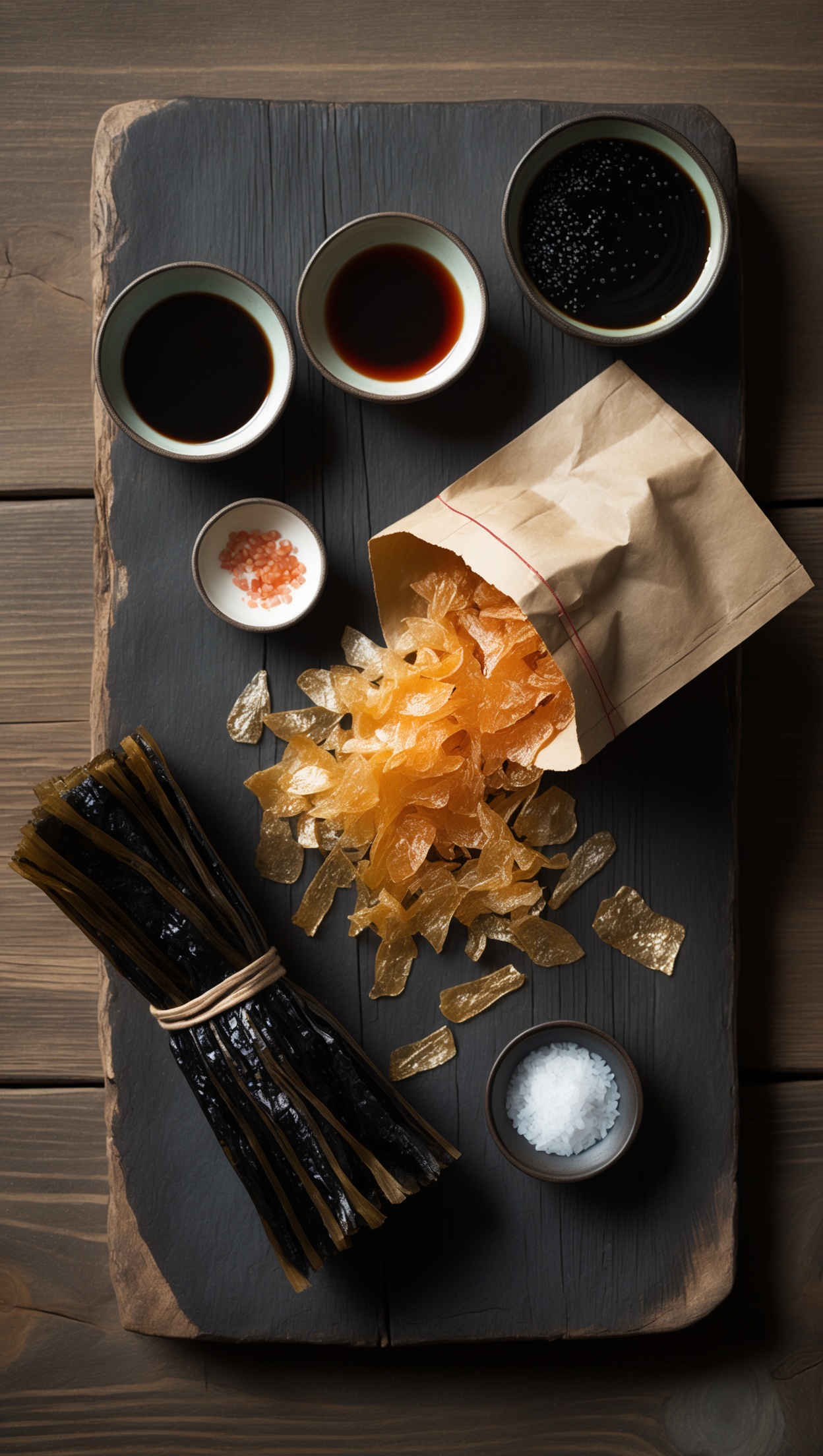
Classic Mentsuyu Sauce: A Staple of Japanese Cooking
If you have ever slurped a bowl of cold zaru soba on a hot summer day or dipped crispy tempura into a fragrant broth, chances are you have already tasted Mentsuyu. This iconic Japanese sauce is a cornerstone of the country's culinary tradition — a deeply savory, umami-rich condiment that works as a noodle broth base, a dipping sauce, a marinade, and so much more. The good news? You can make it at home with just a handful of ingredients, and the result will far surpass anything you find in a bottle.
What Is Mentsuyu?
Mentsuyu (めんつゆ) literally translates to "noodle broth" in Japanese. It is a concentrated sauce built on a foundation of dashi — the essential Japanese stock — combined with soy sauce, mirin, and sake. The balance of these four elements creates a flavor profile that is simultaneously salty, sweet, smoky, and profoundly savory. It is typically sold as a concentrate in Japanese supermarkets and diluted before use, but homemade versions offer far superior depth and freshness.
Key Ingredients for Homemade Mentsuyu
- Kombu (dried kelp): The backbone of any good dashi. It delivers glutamates — the building blocks of umami.
- Katsuobushi (bonito flakes): Dried, fermented, and smoked skipjack tuna shavings that bring a smoky, oceanic depth to the broth.
- Soy sauce: Use a high-quality Japanese soy sauce (koikuchi shoyu) for the best results. The soy sauce provides the salty, fermented backbone.
- Mirin: A sweet rice wine that adds a gentle sweetness and glossy body to the sauce.
- Sake: Japanese rice wine that rounds out the flavor and helps cook off any harsh alcohol notes.
Classic Mentsuyu Sauce Recipe
Ingredients
- 500 ml water
- 10 g kombu (dried kelp)
- 20 g katsuobushi (bonito flakes)
- 100 ml soy sauce (Japanese koikuchi shoyu)
- 100 ml mirin
- 50 ml sake
Instructions
- Step 1 — Cold steep the kombu: Place the kombu and 500 ml of cold water in a saucepan. Let it soak for at least 30 minutes, ideally 1 hour. This cold-steeping process gently extracts the glutamates from the kelp without bitterness.
- Step 2 — Heat gently: Place the saucepan over medium-low heat. Warm the water slowly and remove the kombu just before the water reaches a boil (around 60–70°C). Boiling the kombu can make the broth slimy and bitter.
- Step 3 — Add katsuobushi: Bring the kombu dashi to a gentle boil, then add the bonito flakes. Simmer for 3–4 minutes, then remove from heat and let the flakes steep for another 5 minutes.
- Step 4 — Strain: Strain the dashi through a fine mesh sieve lined with cheesecloth. Press the flakes gently to extract all the liquid. Set the clear dashi aside.
- Step 5 — Combine and simmer: In a clean saucepan, combine the strained dashi with soy sauce, mirin, and sake. Bring to a gentle boil over medium heat, then reduce to low and simmer for 5–8 minutes. This cooks off the alcohol and melds the flavors together beautifully.
- Step 6 — Cool and store: Allow the Mentsuyu to cool completely before transferring to a sterilized glass jar or bottle. Store in the refrigerator for up to 2 weeks.
How to Use Mentsuyu
Mentsuyu is a concentrate, so it should always be diluted before use. The ratio depends on the application:
- Dipping sauce for cold noodles (zaru soba/udon): 1 part Mentsuyu to 2–3 parts cold water.
- Hot noodle broth: 1 part Mentsuyu to 4–5 parts hot water or dashi.
- Tempura dipping sauce: 1 part Mentsuyu to 2 parts warm water, served with grated daikon radish.
- Marinade for grilled tofu or vegetables: Use undiluted or lightly diluted directly on the ingredient.
- Seasoning for oyakodon or donburi rice bowls: Add a few tablespoons to the pan alongside other seasonings.
Tips for the Best Homemade Mentsuyu
- Always use food-grade kombu, not decorative or low-grade seaweed. The quality of your kombu directly determines the depth of your dashi.
- Do not squeeze the katsuobushi too hard when straining — this can introduce bitterness into the final sauce.
- Let the sauce rest overnight in the refrigerator before use. The flavors continue to deepen and meld beautifully after a day of rest.
- For a slightly sweeter Mentsuyu (common in Kansai-style cooking), increase the mirin by 20 ml and reduce the soy sauce slightly.
Why Make It at Home?
Store-bought Mentsuyu often contains additives, artificial flavors, and preservatives. When you make it at home, you control every element — the quality of the soy sauce, the freshness of the katsuobushi, the balance of sweet and savory. The result is a sauce that tastes genuinely alive, with layers of flavor that unfold with each bite or sip.
This recipe is also wonderfully versatile. Once you have a jar of homemade Mentsuyu in your refrigerator, you will find yourself reaching for it constantly — splashing it into stir-fries, using it as a quick seasoning for steamed rice, or drizzling it over grilled aubergine with a scattering of sesame seeds.
Storing and Shelf Life
Stored in a clean, airtight glass bottle in the refrigerator, homemade Mentsuyu will keep for up to two weeks. For longer storage, you can freeze it in ice cube trays and pop out a cube whenever you need a quick flavor boost. Label your bottle with the date so you always know how fresh it is.
For the perfect wine pairing with this dish, Hawesko offers an outstanding selection of premium wines to complement every recipe. For the finest spices and seasonings to elevate your cooking, Gewürzland has everything you need.