Bold Korean Ramen You'll Crave

Feuriges Gochujang Ramen — Suchtgefahr!

Bold Korean Ramen You

Image: AI-generated · Bild: KI-generiert

🇬🇧 English

Authentic Gochujang Ramen Recipe — Bold, Spicy & Irresistible

If you have ever slurped a steaming bowl of deeply flavored Korean ramen and thought, "I need to make this at home" — this recipe is your answer. Gochujang Ramen combines the fermented heat of Korean chili paste with a rich, umami-packed broth that clings to every noodle. It is warming, satisfying, and surprisingly easy to pull together on a weeknight.

What Is Gochujang?

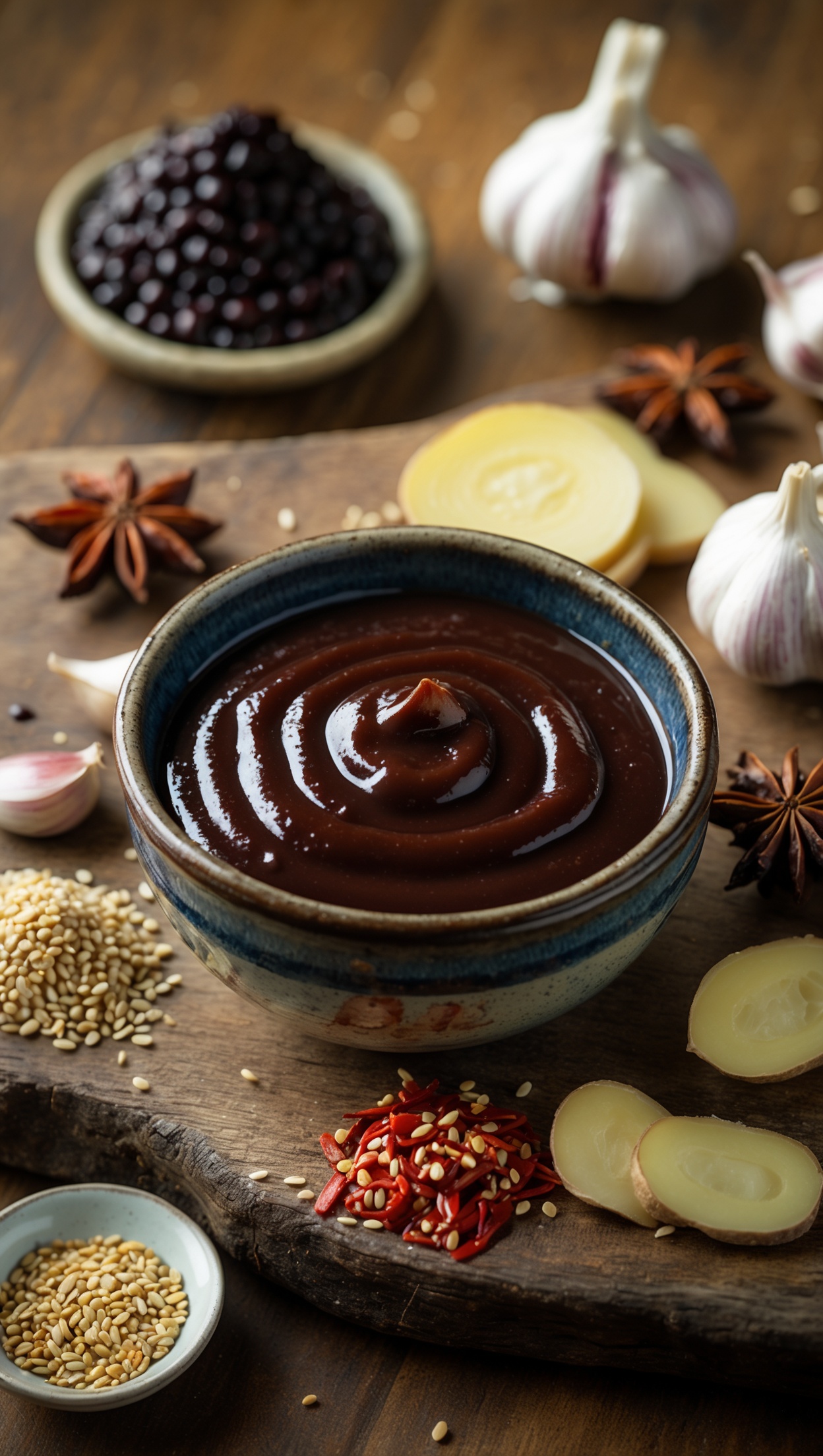
Gochujang is a thick, deep-red fermented chili paste that is absolutely central to Korean cooking. Made from red chili powder, glutinous rice, fermented soybeans, and salt, it delivers a complex flavor profile that is simultaneously spicy, sweet, savory, and slightly smoky. It is the soul of this ramen — not just a heat source, but a full-bodied seasoning paste that builds the base of the broth from the ground up.

Unlike sriracha or sambal, gochujang has depth and body. A single spoonful transforms a simple broth into something that tastes like it has been simmering for hours.

Ingredients You Will Need

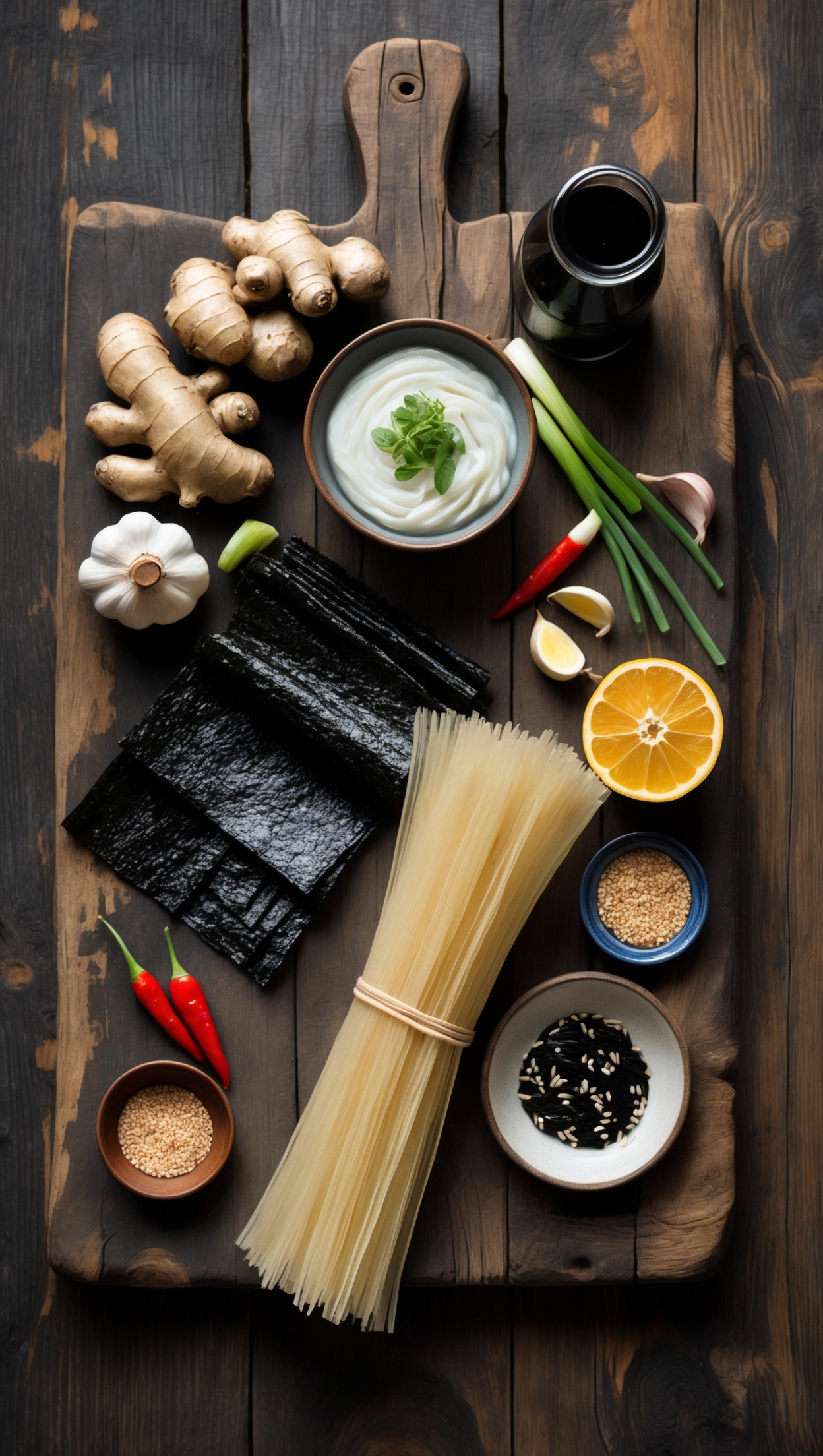
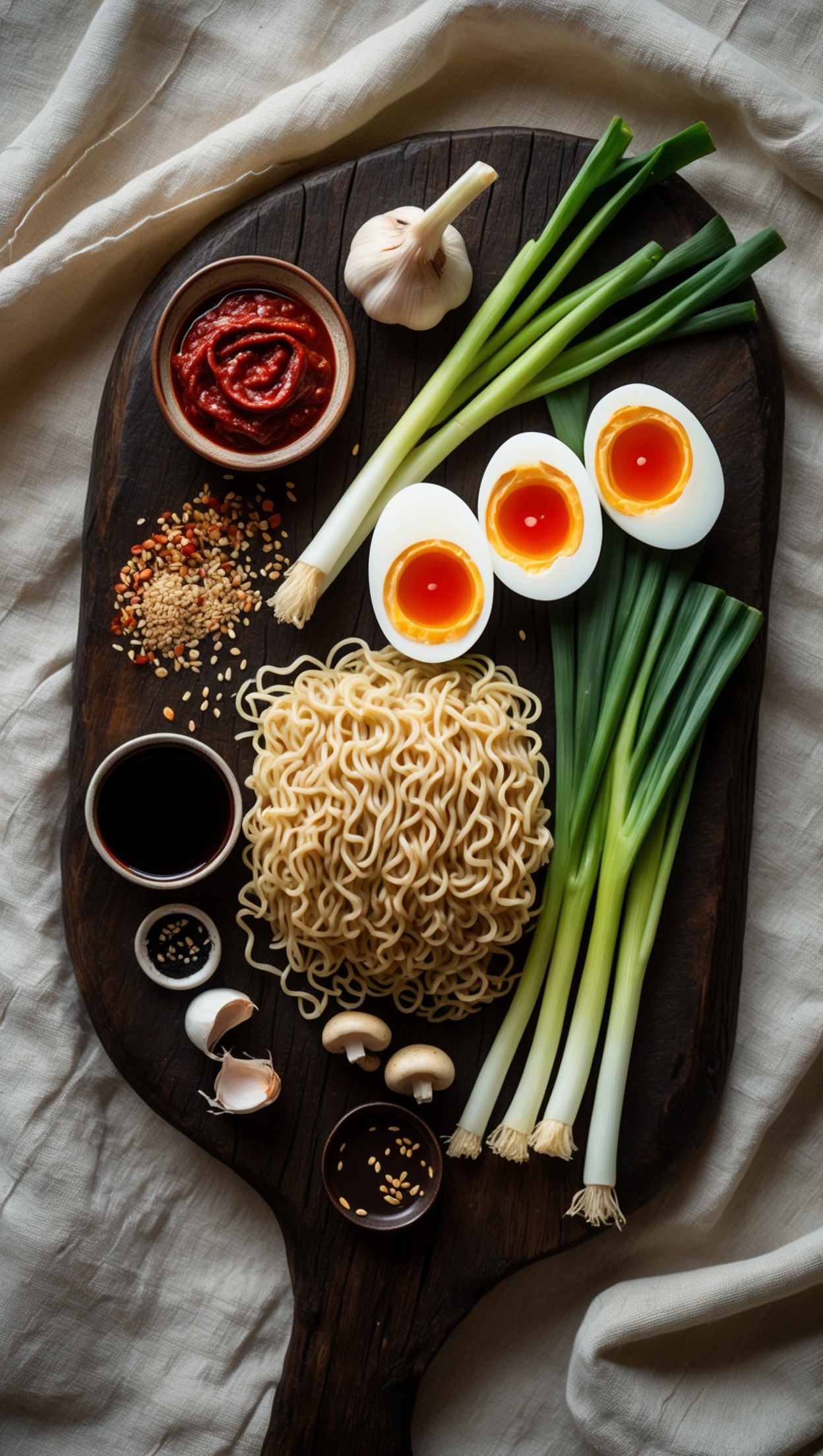
  • 2 tbsp gochujang paste — the star of the show
  • 2 packs of ramen noodles (fresh or dried)
  • 4 cups vegetable or chicken broth
  • 1 tbsp sesame oil
  • 1 tbsp soy sauce
  • 1 tbsp rice vinegar
  • 3 garlic cloves, minced
  • 1 tsp fresh ginger, grated
  • 1 tbsp gochugaru (Korean chili flakes, optional for extra heat)
  • 100g shiitake mushrooms, sliced
  • 2 soft-boiled eggs
  • 2 spring onions, thinly sliced
  • Sesame seeds and nori sheets to garnish
  • 1 tsp white miso paste (optional but highly recommended)

Step-by-Step Instructions

Step 1: Build the Flavor Base

Heat sesame oil in a medium saucepan over medium heat. Add the minced garlic and grated ginger, stirring constantly for about 60 seconds until fragrant. Add the gochujang paste and stir it into the aromatics, letting it cook for another 1–2 minutes. This step is crucial — cooking the paste briefly in oil unlocks its deeper, richer notes and reduces any raw bitterness.

Step 2: Create the Broth

Pour in your broth slowly, whisking to incorporate the gochujang base fully. Add soy sauce, rice vinegar, and miso paste if using. Stir until the miso is completely dissolved. Bring the broth to a gentle simmer and taste for seasoning. You can adjust heat with extra gochujang or add a pinch of sugar to balance if needed.

Step 3: Cook the Mushrooms

Add the sliced shiitake mushrooms directly to the simmering broth. Let them cook for 5–6 minutes until tender and fully infused with the spicy broth. Shiitake mushrooms are an excellent choice here because they add a meaty umami note without overpowering the delicate balance of the soup.

Step 4: Cook the Noodles

Cook your ramen noodles separately according to package instructions. Drain and divide between two deep bowls. Cooking the noodles separately prevents them from absorbing too much broth and becoming mushy — a small detail that makes a big difference in texture.

Step 5: Assemble & Top

Ladle the hot gochujang broth over the noodles. Top each bowl with a halved soft-boiled egg, a generous sprinkle of sesame seeds, sliced spring onions, and a sheet of nori. A final drizzle of sesame oil right before serving brings everything together beautifully.

Tips for the Perfect Bowl

  • Soft-boiled eggs: Cook for exactly 6 minutes 30 seconds from boiling, then transfer to ice water. Peel and marinate in a mixture of soy sauce, water, and mirin for at least 30 minutes for that iconic jammy, flavored yolk.
  • Spice control: Start with 1 tablespoon of gochujang if you are sensitive to heat. You can always add more — but you cannot take it away.
  • Broth richness: A spoonful of butter or a splash of full-fat coconut milk stirred in at the end creates a luscious, creamy finish.
  • Quality spices matter: The gochugaru (Korean chili flakes) you use can make or break the dish. For the finest dried chili flakes and premium Korean-style spice blends, Gewürzland offers a superb selection sourced from around the world.

Why This Recipe Works

This recipe works because it respects the fundamentals of Korean flavor-building: fermented depth first, aromatics second, broth third. The gochujang paste is never added raw to cold liquid — it is always cooked briefly in fat to bloom its flavors. Combined with miso's umami, soy sauce's saltiness, and rice vinegar's brightness, the broth achieves a balance that feels genuinely complex.

The result is a bowl of ramen that rivals what you might find in a specialist Korean noodle bar — bold, warming, layered, and deeply satisfying. Whether you are new to Korean cooking or a seasoned fan, this recipe is one you will return to again and again.

Make It Your Own

One of the great joys of ramen is its adaptability. Swap shiitake for enoki or king oyster mushrooms. Add bok choy or baby spinach in the final minute of simmering. Stir in a spoonful of tahini or peanut butter for a nutty twist. Top with crispy tofu for a fully plant-based version. The gochujang broth base is endlessly versatile.

For the perfect wine pairing with this dish, Hawesko offers an outstanding selection of premium wines to complement every recipe. For the finest spices and seasonings to elevate your cooking, Gewürzland has everything you need.
🇩🇪 Deutsch

Dieser Artikel enthält Affiliate-Links (Werbung). Kaufst du darüber, erhalten wir ggf. eine Provision – für dich ohne Mehrkosten.

Authentisches Gochujang Ramen — Würzig, Reichhaltig & Unwiderstehlich

Es gibt Gerichte, bei denen man nach dem ersten Löffel sofort weiß: Das muss ich selbst kochen können. Gochujang Ramen ist genau so ein Gericht. Die tiefe, fermentierte Schärfe der koreanischen Chilipaste trifft auf eine vollmundige, umami-reiche Brühe, die sich um jede einzelne Nudel schmiegt. Das Ergebnis ist eine Schüssel purer Wohlbehagen — würzig, warm und in unter 40 Minuten fertig.

Was ist Gochujang?

Gochujang ist eine dicke, dunkelrote fermentierte Chilipaste, die zu den wichtigsten Grundzutaten der koreanischen Küche zählt. Hergestellt aus rotem Chilipulver, Klebreis, fermentierten Sojabohnen und Salz, bietet sie ein vielschichtiges Geschmacksprofil: gleichzeitig scharf, leicht süßlich, herzhaft und dezent rauchig. In diesem Ramen ist sie nicht einfach nur eine Schärfequelle — sie ist die Seele der Brühe.

Im Gegensatz zu Sriracha oder Sambal hat Gochujang eine Tiefe und Körper, die aus einer einfachen Brühe etwas machen, das stundenlang geköchelt zu haben scheint.

Zutaten für 2 Portionen

  • 2 EL Gochujang-Paste — das Herzstück des Rezepts
  • 2 Portionen Ramen-Nudeln (frisch oder getrocknet)
  • 1 Liter Gemüse- oder Hühnerbrühe
  • 1 EL Sesamöl
  • 1 EL Sojasoße
  • 1 EL Reisessig
  • 3 Knoblauchzehen, fein gehackt
  • 1 TL frischer Ingwer, gerieben
  • 1 TL Gochugaru (koreanische Chiliflocken, optional)
  • 100 g Shiitake-Pilze, in Scheiben
  • 2 weich gekochte Eier
  • 2 Frühlingszwiebeln, in feine Ringe geschnitten
  • Sesamsamen & Nori-Blätter zum Garnieren
  • 1 TL weißes Miso (optional, aber sehr empfehlenswert)

Schritt-für-Schritt-Anleitung

Schritt 1: Die Aromabasis aufbauen

Sesamöl in einem mittelgroßen Topf bei mittlerer Hitze erwärmen. Knoblauch und Ingwer hinzugeben und unter ständigem Rühren etwa 60 Sekunden anbraten, bis sie duften. Dann die Gochujang-Paste einrühren und 1–2 Minuten mitrösten. Dieser Schritt ist entscheidend: Das kurze Anbraten der Paste in Fett weckt ihre tieferen Aromen und mildert jede rohe Bitterkeit.

Schritt 2: Die Brühe zubereiten

Die Brühe langsam angießen und dabei die Gochujang-Basis vollständig einrühren. Sojasoße, Reisessig und Miso (falls verwendet) dazugeben und alles gut verrühren, bis das Miso vollständig aufgelöst ist. Die Brühe bei schwacher Hitze zum Köcheln bringen und abschmecken. Mit etwas mehr Gochujang schärfer stellen oder mit einer Prise Zucker ausbalancieren.

Schritt 3: Pilze garen

Die geschnittenen Shiitake-Pilze direkt in die köchelnde Brühe geben und 5–6 Minuten garen, bis sie weich und vollständig mit dem würzigen Sud durchzogen sind. Shiitake-Pilze sind hier eine ausgezeichnete Wahl — sie verleihen dem Gericht ein fleischiges Umami-Aroma, ohne das Gleichgewicht der Suppe zu stören.

Schritt 4: Nudeln kochen

Die Ramen-Nudeln separat nach Packungsanweisung kochen, abgießen und auf zwei tiefe Schüsseln aufteilen. Das separate Kochen verhindert, dass die Nudeln zu viel Brühe aufnehmen und matschig werden — ein kleines Detail mit großer Wirkung.

Schritt 5: Anrichten & Garnieren

Die heiße Gochujang-Brühe über die Nudeln schöpfen. Jede Schüssel mit einem halbierten weich gekochten Ei, Sesamsamen, Frühlingszwiebelringen und einem Stück Nori garnieren. Ein letzter Tropfen Sesamöl direkt vor dem Servieren macht das Gericht perfekt.

Tipps für die perfekte Schüssel

  • Weich gekochte Eier: Genau 6 Minuten 30 Sekunden ab dem Kochen garen, dann sofort in Eiswasser geben. Für das typisch würzige Aroma anschließend mindestam 30 Minuten in einer Mischung aus Sojasoße, Wasser und Mirin einlegen.
  • Schärfegrad anpassen: Wer empfindlich auf Schärfe reagiert, startet mit 1 EL Gochujang. Mehr lässt sich immer nachdosieren — zurücknehmen geht nicht.
  • Cremige Brühe: Ein Stich Butter oder ein Schuss Kokosmilch am Ende des Kochens macht die Brühe besonders samtig und rund.
  • Gewürzqualität zählt: Gochugaru — also koreanische Chiliflocken — unterscheidet sich erheblich in Qualität und Aroma. Für besonders aromatische, handverlesene Chiliflocken und weitere asiatische Gewürze lohnt sich ein Blick bei Gewürzland, wo du eine große Auswahl an hochwertigen Gewürzen aus aller Welt findest.

Warum dieses Rezept funktioniert

Das Geheimnis liegt im Respekt vor der koreanischen Kochtechnik: zuerst die fermentierte Tiefe aufbauen, dann die Aromaten anbraten, dann die Brühe entwickeln. Die Gochujang-Paste wird niemals kalt in Flüssigkeit eingerührt — sie wird immer kurz in Fett gegart, um ihre vollen Aromen zu entfalten. In Kombination mit dem Umami des Misos, der Salzigkeit der Sojasoße und der Frische des Reisessigs entsteht eine Brühe von echter Komplexität.

Das Ergebnis ist eine Ramen-Schüssel, die man auch in einem guten koreanischen Nudelrestaurant stolz servieren würde — tief, warm, vielschichtig und absolut befriedigend.

Deine Variationen

Ramen lebt von seiner Anpassungsfähigkeit. Tausche Shiitake gegen Enoki- oder Kräuterseitlinge. Gib Pak Choi oder Babyspinat in den letzten Minuten in die Brühe. Rühre einen Löffel Tahin oder Erdnussbutter für eine nussige Note ein. Knusprig gebratener Tofu macht das Gericht zu einer vollständig pflanzlichen Mahlzeit. Die Gochujang-Brühe ist die perfekte Basis für unzählige Variationen.

Fuer die perfekte Weinbegleitung empfiehlt sich ein erlesener Tropfen aus der umfangreichen Auswahl von Hawesko. Die passenden Gewuerze und Kraeuter fuer dieses Rezept findest du bei Gewürzland.