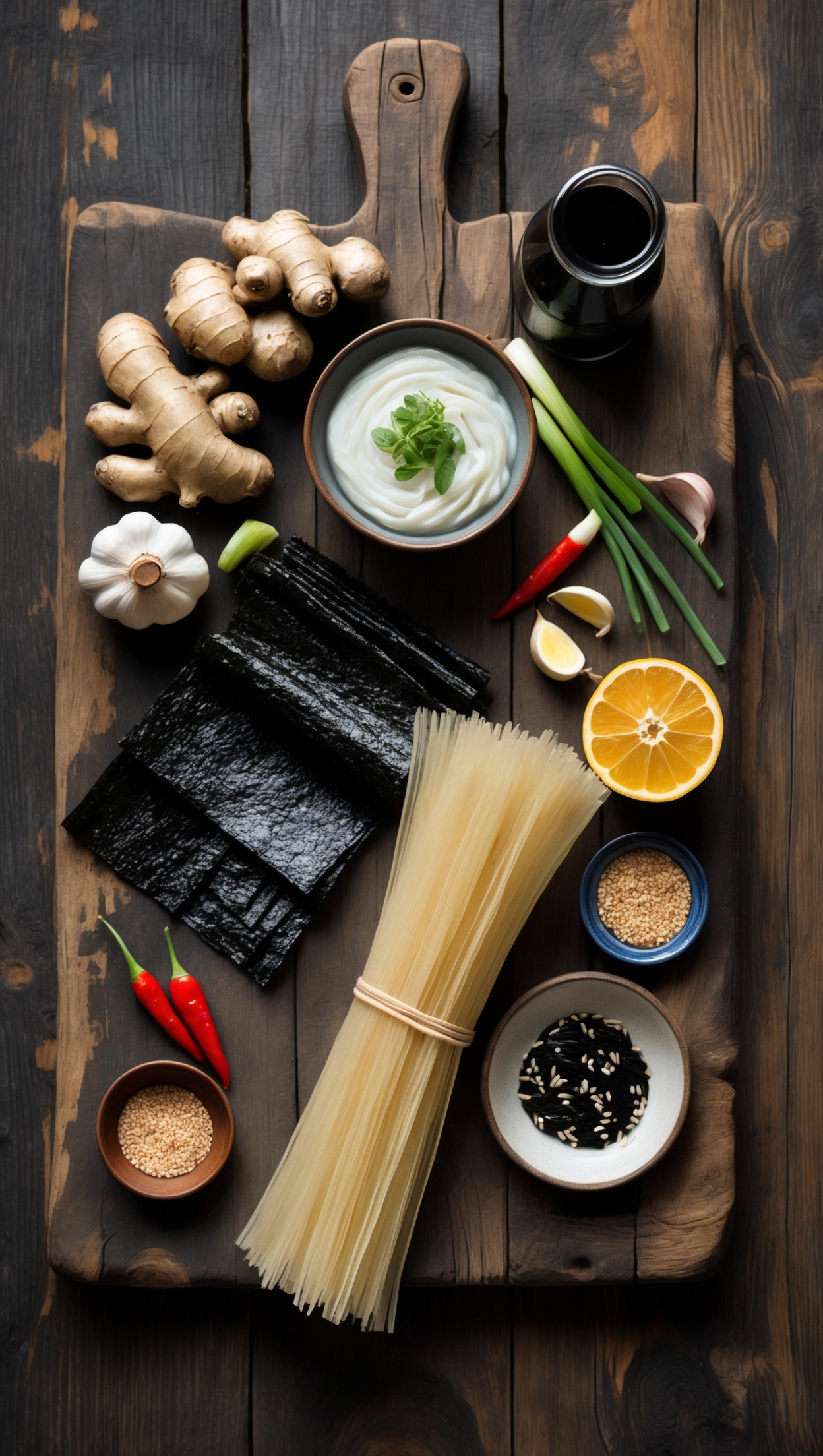
Authentic Seafood Ramen Recipe — Easy & Delicious
There is something deeply comforting about a steaming bowl of ramen. The rich, layered broth, the perfectly chewy noodles, the carefully arranged toppings — it is a dish that feels like both art and soul food at once. This authentic seafood ramen recipe brings the spirit of a Japanese ramen shop straight to your kitchen, and it is far more approachable than you might think.
What Makes Seafood Ramen Special?
Traditional ramen comes in many regional styles — tonkotsu, shoyu, shio, and miso being the most celebrated. Seafood ramen, often rooted in the shio (salt) and shoyu (soy sauce) tradition, draws its extraordinary depth from the ocean. The broth is built on a base of kombu (dried kelp), dried shiitake mushrooms, and a dashi stock that is subtle, clean, and intensely umami. It is lighter than pork-based versions but no less complex or satisfying.
Ingredients You Will Need
For the Broth
- 2 large pieces of dried kombu (about 15 g)
- 6–8 dried shiitake mushrooms
- 1.5 litres of cold water
- 3 tablespoons soy sauce (preferably Japanese shoyu)
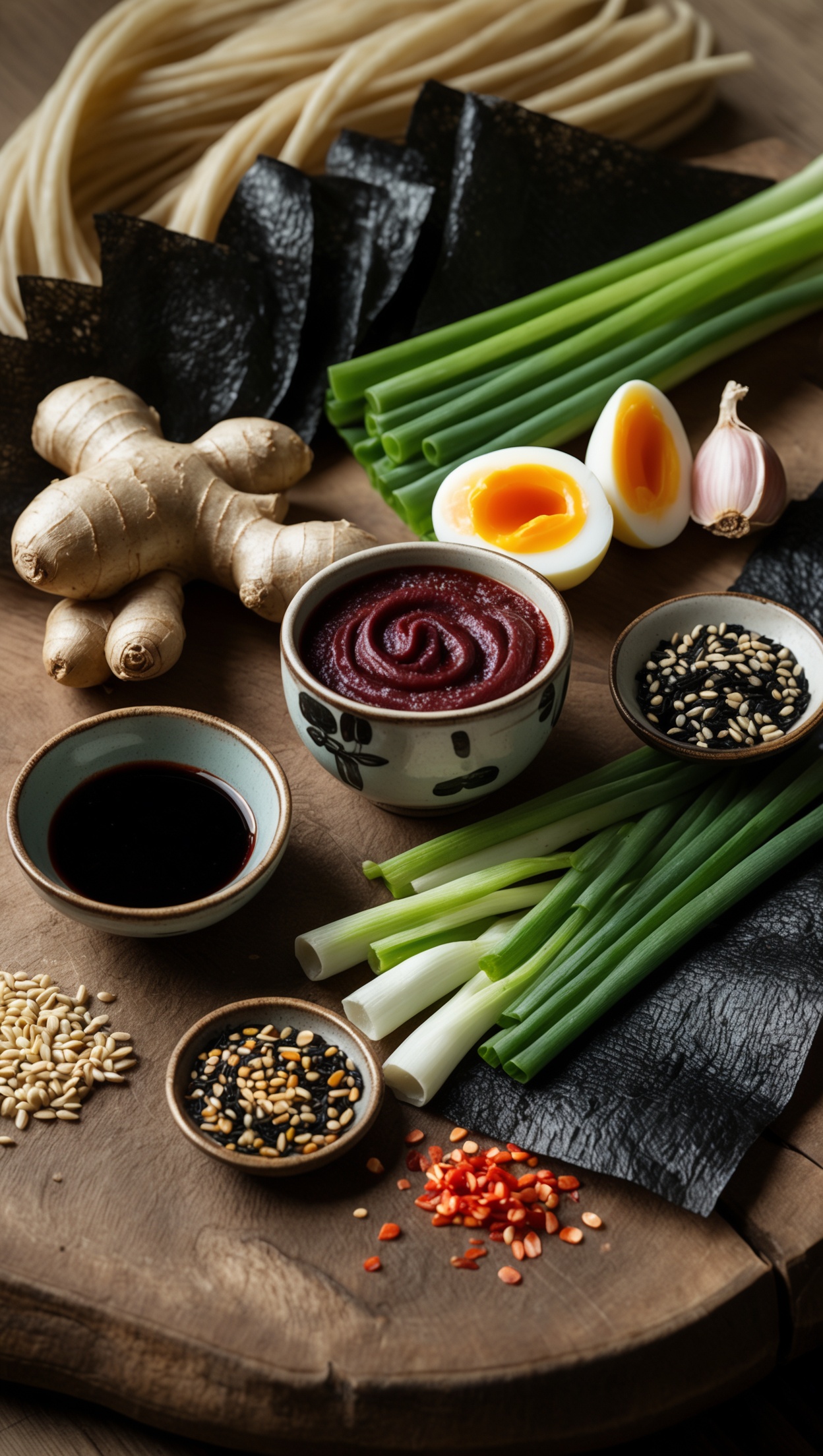
- 2 tablespoons white miso paste
- 1 tablespoon mirin
- 1 teaspoon sesame oil
- Salt to taste
For the Toppings
- Mixed seafood of your choice (clams, mussels, squid rings — about 400 g total)
- 2 soft-boiled ramen eggs (marinated in soy and mirin)
- 2 sheets of nori, halved
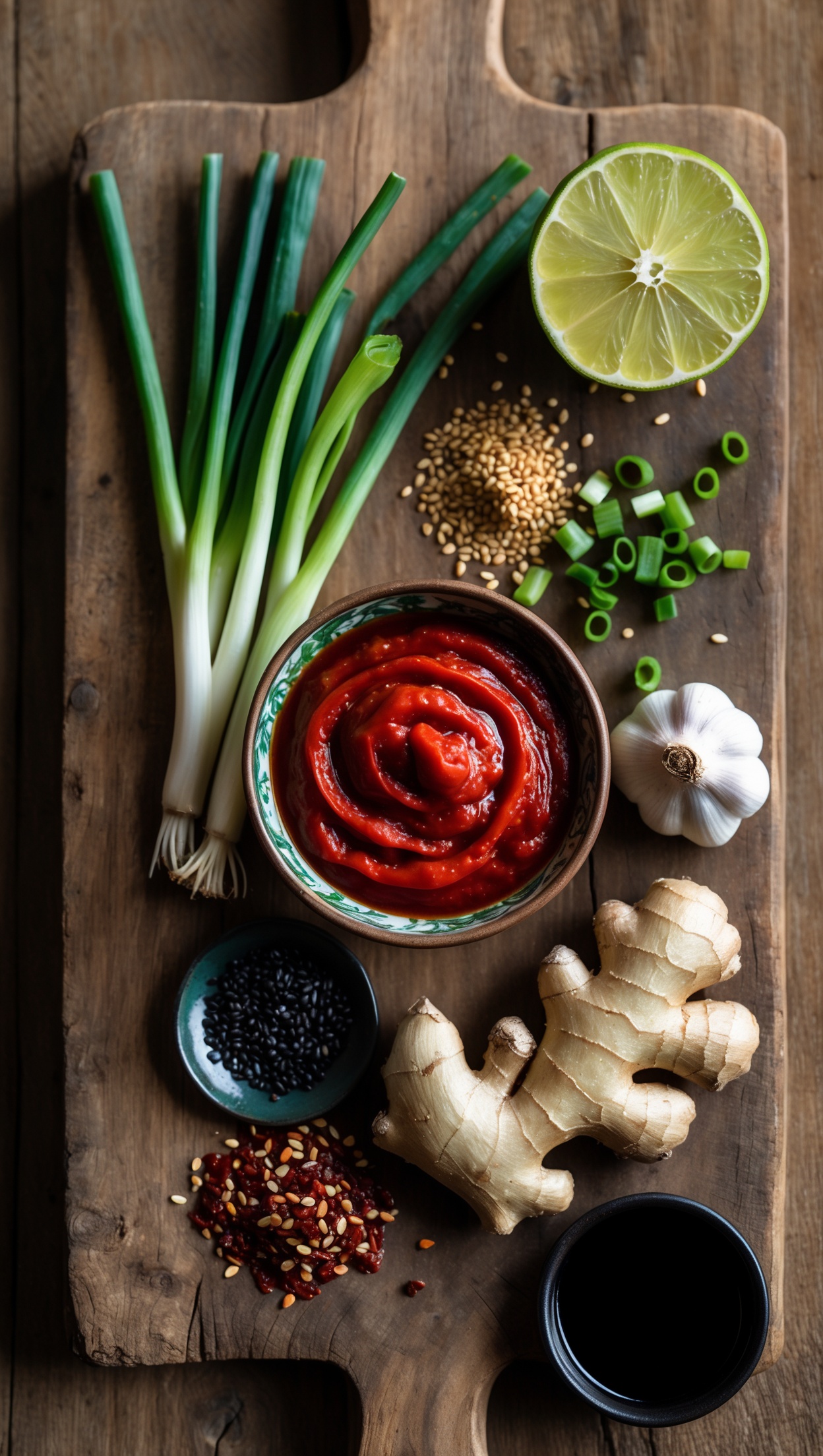
- 4 spring onions, thinly sliced
- A handful of bean sprouts, briefly blanched
- 1 red chili, sliced
- Sesame seeds for garnish
For the Noodles
- 300 g fresh or dried ramen noodles
Step-by-Step Instructions
Step 1 — Build the Dashi Base
Place the kombu and dried shiitake mushrooms in a large pot with the cold water. Let them soak for at least 30 minutes — overnight in the fridge gives the best results. Then, gently heat the pot over medium-low heat. Remove the kombu just before the water begins to boil (boiling kombu makes the stock bitter). Continue simmering the mushrooms for another 15 minutes, then strain the liquid. This is your dashi base — the golden foundation of your ramen.
Step 2 — Season the Broth
Return the dashi to the pot over low heat. Whisk in the white miso paste, soy sauce, mirin, and sesame oil. Taste and adjust with a little salt if needed. Keep the broth warm but do not let it boil vigorously — you want it gently steaming and full of aroma.
Step 3 — Prepare Your Seafood
In a separate pan, sauté your mixed seafood briefly in a little sesame oil over high heat. Season with a splash of soy sauce and a pinch of white pepper. Cook just until done — overcooked seafood turns rubbery, and ramen deserves better. Set aside and keep warm.
Step 4 — Cook the Noodles
Cook ramen noodles according to the package instructions. Fresh noodles take just 1–2 minutes; dried noodles typically 3–4 minutes. Drain and divide between your serving bowls immediately.
Step 5 — Assemble Your Bowl
Ladle the hot broth generously over the noodles. Arrange the seafood on top. Add a halved marinated egg, a sheet of nori tucked against the side of the bowl, a handful of bean sprouts, sliced spring onions, and a few rings of red chili. Finish with a sprinkle of sesame seeds and a tiny drizzle of sesame oil.
Tips for the Best Seafood Ramen
- Quality kombu matters. Look for thick, dark-green kombu with a natural white powder coating — that powder is glutamic acid, which delivers umami.
- Do not rush the dashi. A slow, cold-start soak extracts cleaner, sweeter flavours than a quick boil.
- Marinate your eggs the night before. A simple marinade of soy sauce, mirin, and a little water transforms soft-boiled eggs into something remarkable.
- Use fresh noodles when possible. Many Asian grocery stores carry fresh ramen noodles with a springy texture that dried versions simply cannot replicate.
- Season boldly but carefully. Japanese cuisine is built on balance — taste your broth at every stage and adjust gradually.
Why This Recipe Works
Authentic Japanese ramen is not about shortcuts — it is about understanding how layers of flavour interact. The kombu brings a clean ocean depth, the shiitake adds earthiness, and the miso introduces a gentle, fermented richness that ties everything together. When you combine that broth with perfectly cooked seafood and fresh toppings, you are not just making dinner — you are creating an experience.
This recipe is also wonderfully flexible. Swap the mixed seafood for a single variety if you prefer. Use a richer red miso instead of white for a deeper, more robust broth. Add a spoonful of yuzu kosho or a dash of togarashi for heat. The base recipe is a canvas — make it your own.
Serving Suggestions
Seafood ramen is best enjoyed immediately after assembly — the noodles absorb the broth quickly and the toppings are most vibrant when fresh. Serve it as a complete meal on its own, or alongside a small plate of gyoza for a proper Japanese-inspired spread.
For the perfect wine pairing with this dish, Hawesko offers an outstanding selection of premium wines to complement every recipe. For the finest spices and seasonings to elevate your cooking, Gewürzland has everything you need.