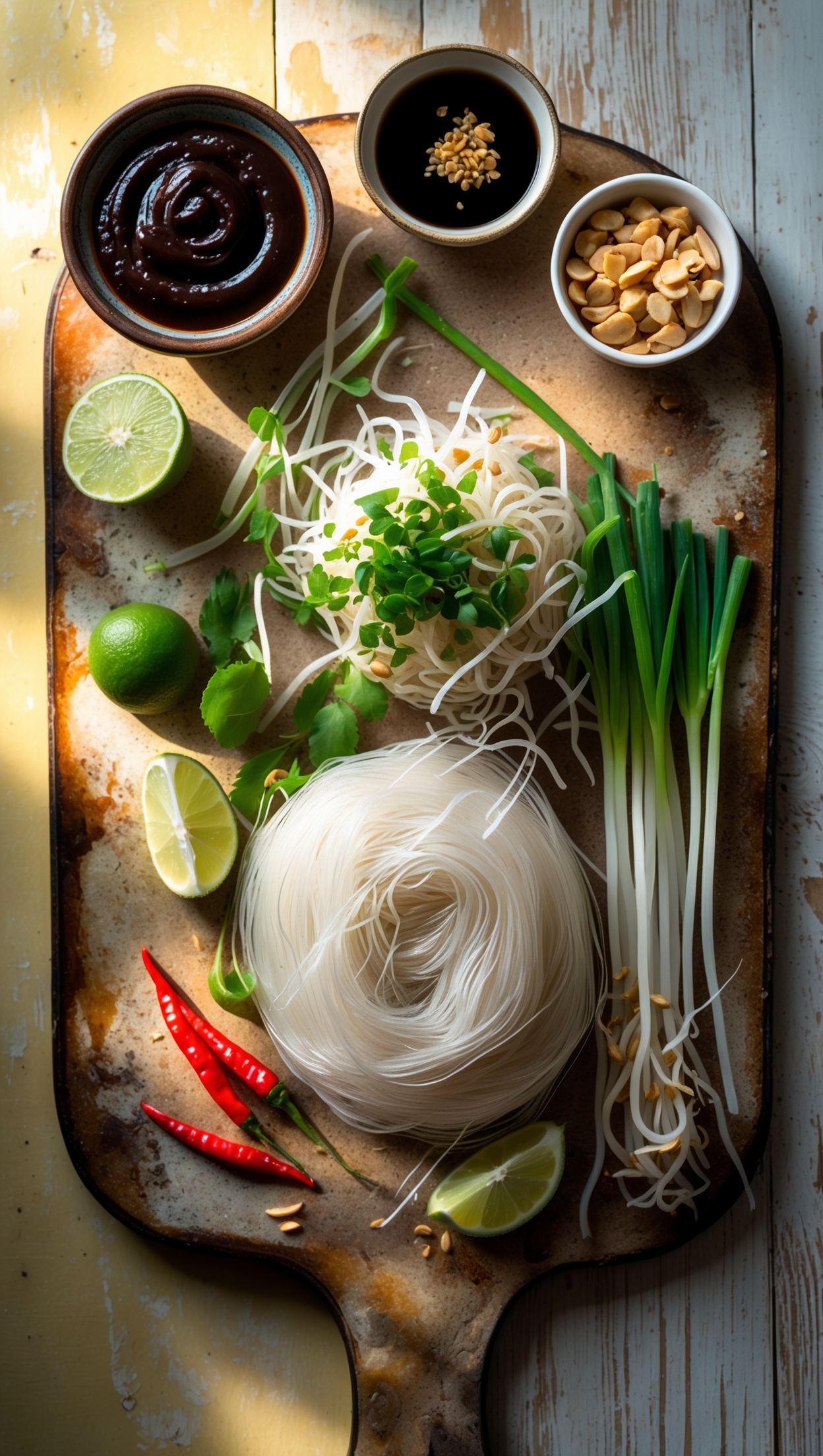
Authentic Pad Thai Recipe — Easy & Delicious
Few dishes capture the soul of Thai street food quite like Pad Thai. The moment those flat rice noodles hit a blazing-hot wok, the air fills with a smoky, caramelised aroma that is unmistakably Bangkok. Whether you have eaten it from a roadside cart on Khao San Road or simply dreamed of doing so, this authentic Pad Thai recipe brings every layer of that experience directly into your kitchen.
What Makes Pad Thai Authentic?
Authenticity in Pad Thai comes down to three non-negotiable elements: tamarind paste, fish sauce, and high wok heat. Many Western versions substitute ketchup for tamarind, producing a sweet, flat result. Real Pad Thai is a careful balance of sour, salty, sweet and umami — a balance that only the correct ingredients can achieve.
- Tamarind paste — provides the defining sour backbone
- Fish sauce — delivers deep, savoury saltiness
- Palm sugar — adds gentle, rounded sweetness
- Dried shrimp — a subtle layer of umami often skipped outside Thailand
- Bean sprouts — essential for crunch and freshness
Ingredients (Serves 2)
The Noodles & Protein
- 200 g dried flat rice noodles (3–5 mm wide)
- 200 g firm tofu, diced — or substitute with your preferred protein
- 2 eggs
The Pad Thai Sauce
- 3 tbsp tamarind paste (not concentrate)
- 2 tbsp fish sauce
- 1 tbsp palm sugar (or light brown sugar)
- 1 tsp oyster sauce
The Aromatics & Garnishes
- 3 cloves garlic, minced
- 2 shallots, finely sliced
- 1 tbsp dried shrimp (optional but recommended)
- 80 g fresh bean sprouts
- 3 spring onions, cut into 3 cm pieces
- 2 tbsp roasted peanuts, roughly crushed
- 1–2 bird's eye chillies, sliced (to taste)
- 1 lime, cut into wedges
- 3 tbsp neutral cooking oil
Step-by-Step Instructions
Step 1 — Soak the Noodles
Place the dried rice noodles in a large bowl and cover with room-temperature water. Soak for 30 minutes until pliable but still with a slight bite — they will finish cooking in the wok. Do not use boiling water, as this makes them mushy before they even hit the pan.
Step 2 — Mix the Sauce
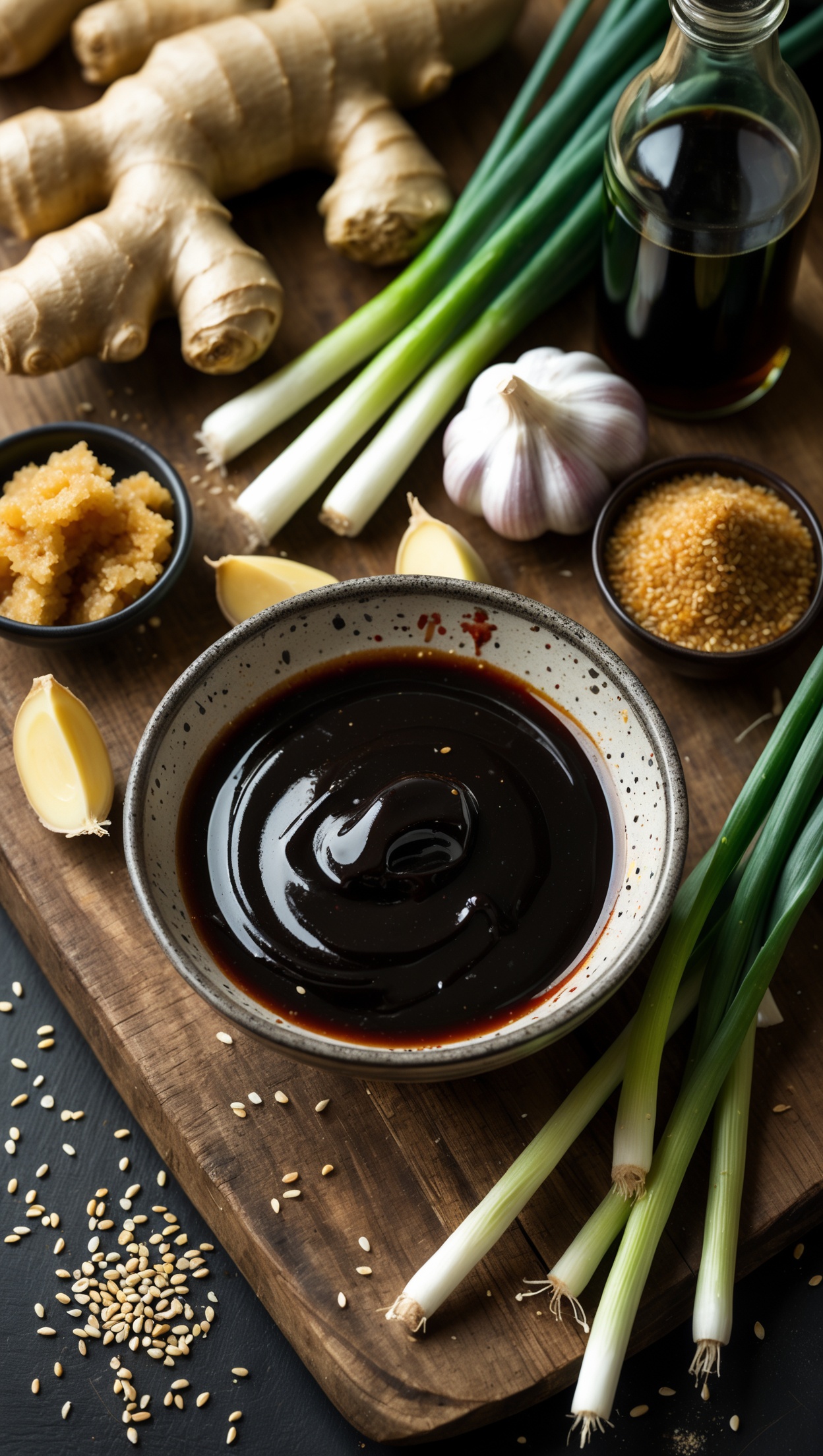
Whisk together the tamarind paste, fish sauce, palm sugar and oyster sauce in a small bowl until the sugar has dissolved. Taste and adjust: it should be sour-forward, salty, and just lightly sweet. Getting the sauce right before you start cooking is the single most important preparation step in this recipe. For the most aromatic and precisely sourced tamarind and dried spice blends to nail this sauce, Gewürzland carries an outstanding range of Asian pantry essentials.
Step 3 — Prepare Your Station
Pad Thai cooks in under four minutes once the wok is hot, so have everything measured, chopped and within arm's reach before you turn on the heat. Drain the noodles and set aside.
Step 4 — Stir-Fry the Aromatics & Protein
Heat your wok over the highest flame possible until it begins to smoke. Add the oil, then fry the garlic and shallots for 30 seconds. Add the tofu (or your chosen protein) and stir-fry until lightly golden. Push everything to the side of the wok.
Step 5 — Scramble the Eggs
Crack both eggs into the cleared space of the wok. Break the yolks and allow to set for 10 seconds before scrambling loosely. Once just cooked, mix through the protein and aromatics.
Step 6 — Add Noodles & Sauce
Add the drained noodles and pour the sauce evenly over them. Toss everything together using tongs or chopsticks, pressing the noodles flat against the wok surface occasionally to encourage charring and caramelisation — this is the wok hei effect that makes street Pad Thai so irresistible. Add the dried shrimp at this stage if using.
Step 7 — Finish & Serve
Remove from heat, fold through the bean sprouts and spring onions, and transfer to plates immediately. Top with crushed peanuts, sliced chillies and lime wedges. Serve at once — Pad Thai does not wait.
Pro Tips for Restaurant-Quality Results
- Use a carbon steel wok — it heats faster and develops better char than stainless steel or non-stick.
- Cook in single portions — doubling or tripling the recipe in one go crowds the wok and steams the noodles instead of frying them.
- Tamarind from a block is superior to paste from a jar — dissolve a piece of tamarind block in warm water, strain, and use the liquid for a brighter, more complex sourness.
- Always taste the sauce before cooking — Thai cooking is about balancing flavours to your palate, not following measurements blindly.
Make It Vegetarian or Vegan
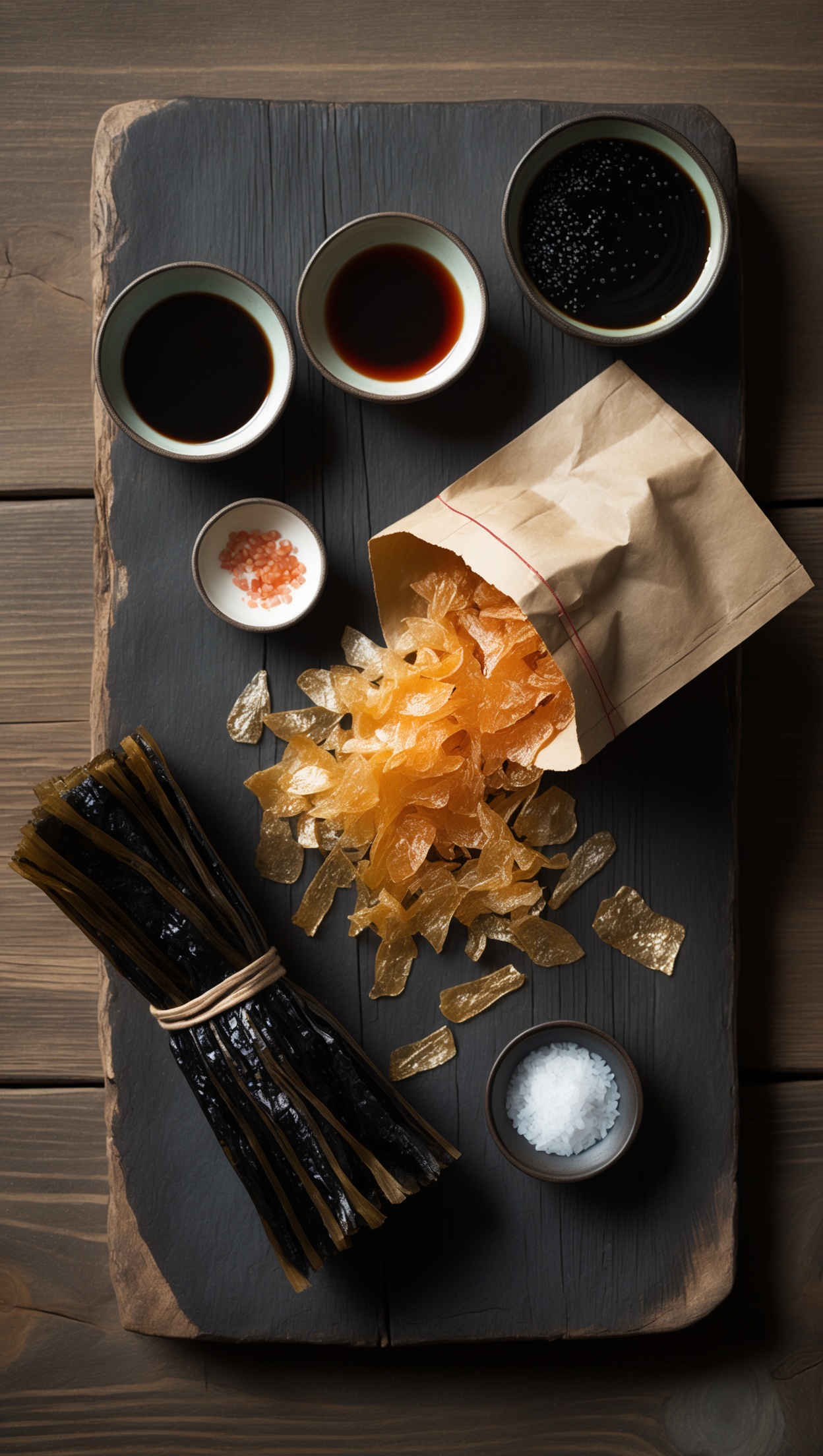
Swap the fish sauce for a combination of light soy sauce and a few drops of seaweed-infused water. Replace oyster sauce with mushroom sauce, omit the dried shrimp, and use tofu as your protein. The result is a beautifully plant-forward Pad Thai that loses none of the depth you expect from the original.
Serving Suggestions
In Thailand, Pad Thai is traditionally served with a small tray of condiments alongside: white sugar, dried chilli flakes, fish sauce and white vinegar. These allow each diner to fine-tune the dish to their own taste — a custom well worth replicating at home.
For the perfect wine pairing with this dish, Hawesko offers an outstanding selection of premium wines to complement every recipe. For the finest spices and seasonings to elevate your cooking, Gewürzland has everything you need.