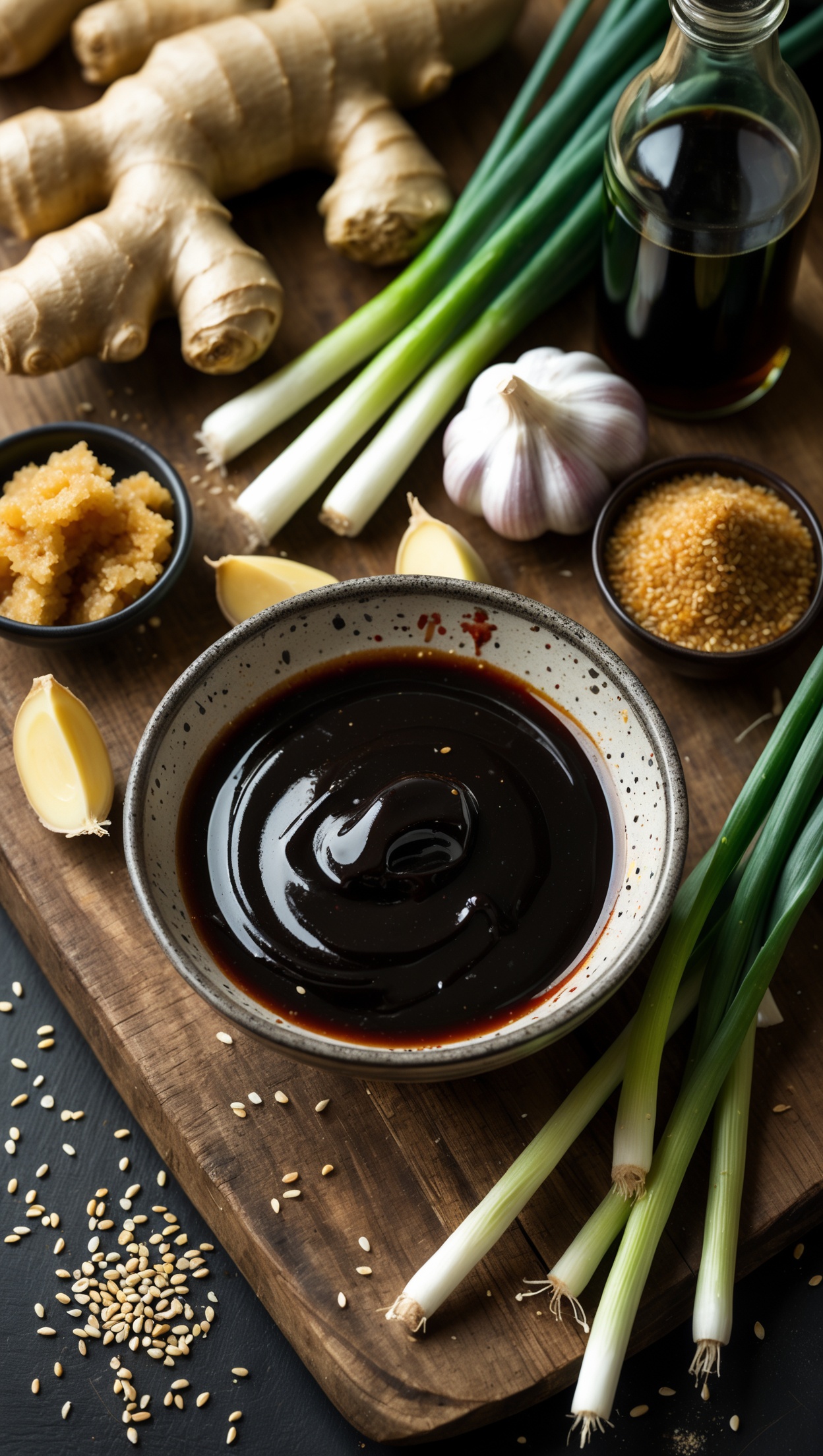
Classic Teriyaki Sauce Recipe — Easy Homemade
There is something undeniably magical about a perfectly balanced teriyaki sauce. That deep, glossy coat of sweet and savory flavor has made it one of the most beloved condiments in Japanese cuisine — and for very good reason. The good news? You do not need a trip to a specialty store or a restaurant visit to enjoy it. Making classic teriyaki sauce at home is surprisingly simple, takes less than ten minutes, and the result far surpasses anything you will find in a bottle.
What Is Teriyaki Sauce?
Teriyaki (照り焼き) is a Japanese cooking technique in which food is broiled or grilled with a glaze of soy sauce, mirin and sugar. The word itself breaks down into teri (luster or shine) and yaki (grill or broil) — a perfect description of that characteristic glossy finish. While the technique is centuries old, the sauce has evolved globally and is now used as a marinade, dipping sauce, and glaze for everything from vegetables to noodles.
Ingredients You Will Need
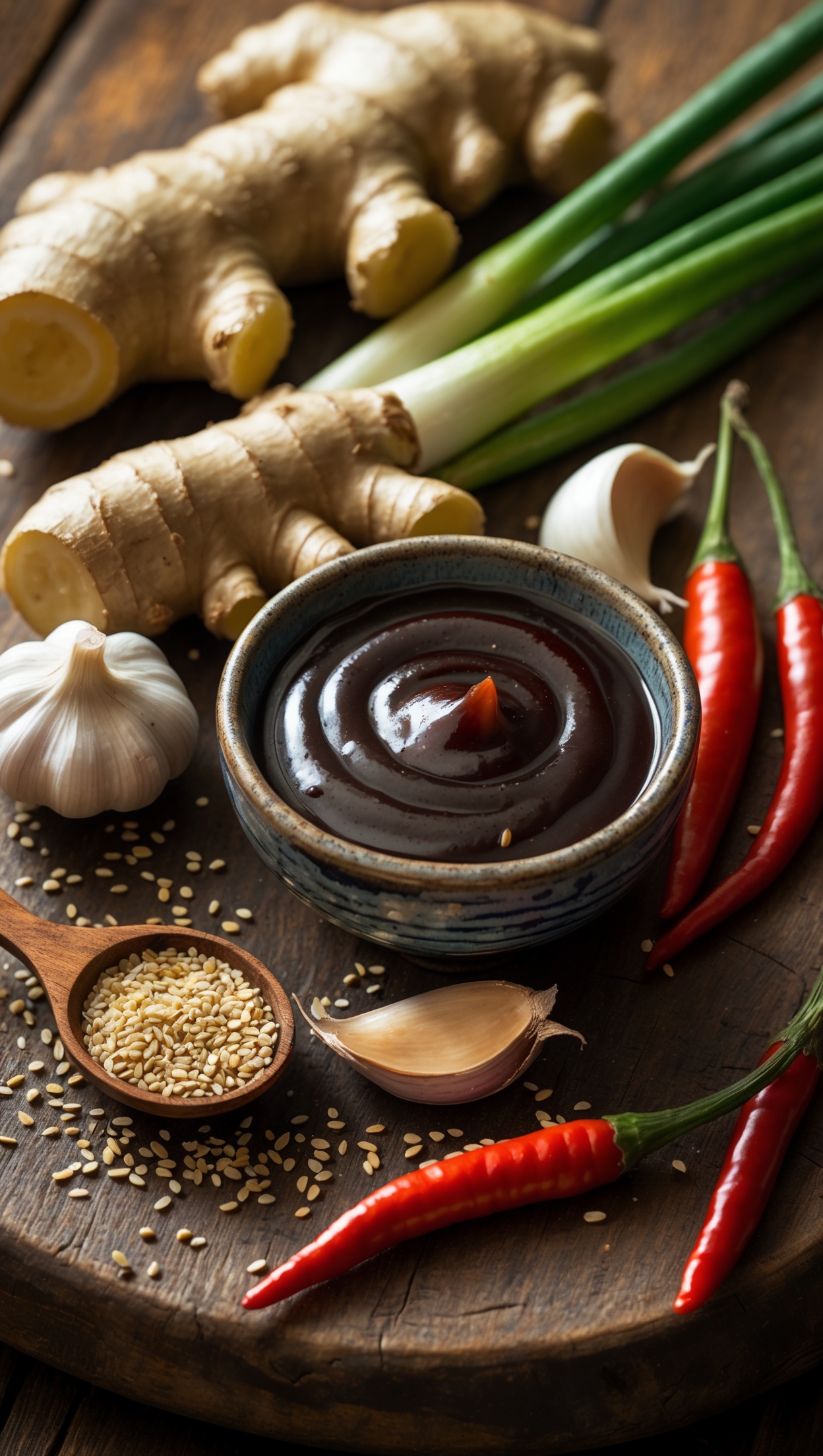
- Soy sauce — 80 ml (the backbone of the sauce; use a good-quality Japanese soy sauce for best results)
- Mirin — 60 ml (a sweet Japanese rice wine that adds depth and shine)
- Sake — 60 ml (Japanese rice wine; dry sherry works as a substitute)
- Brown sugar or honey — 2 tablespoons (for sweetness and caramelization)
- Fresh garlic — 2 cloves, minced
- Fresh ginger — 1 teaspoon, finely grated
- Cornstarch — 1 teaspoon mixed with 1 tablespoon cold water (optional, for thickening)
- Sesame seeds — for garnish
Step-by-Step Instructions
Step 1: Combine the Base Ingredients
In a small saucepan, combine the soy sauce, mirin, sake and brown sugar. Stir gently to begin dissolving the sugar before you apply any heat.
Step 2: Add Aromatics
Add the minced garlic and freshly grated ginger to the pan. These aromatics lift the sauce out of the ordinary and give it a warm, rounded depth that the classic bottled versions simply cannot match.
Step 3: Simmer and Reduce
Place the saucepan over medium heat. Bring the mixture to a gentle simmer, stirring frequently. Let it cook for 5 to 7 minutes until the sauce reduces slightly and begins to coat the back of a spoon. Do not rush this step — the reduction is where that characteristic glossy texture develops.
Step 4: Thicken (Optional)
If you prefer a thicker sauce — ideal for glazing — stir the cornstarch slurry into the simmering sauce and cook for an additional 1 to 2 minutes until it reaches your desired consistency.
Step 5: Cool and Store
Remove from heat and allow the sauce to cool slightly. Transfer to a clean glass jar. The sauce will thicken further as it cools. Store in the refrigerator for up to two weeks.
Tips for the Best Teriyaki Sauce
- Use authentic Japanese soy sauce: Tamari or a traditionally brewed Japanese soy sauce gives the sauce its signature umami depth. Avoid generic supermarket brands if possible.
- Do not skip the mirin: Mirin is not just sweetness — it adds a complex, slightly tangy note and is responsible for the beautiful gloss. Rice vinegar is not a substitute.
- Low and slow: Never crank the heat too high. Burning the sugar will make the sauce bitter.
- Taste as you go: Adjust the sugar or soy ratio to suit your preference. Some people like it sweeter; others prefer the saltier, more savory profile.
How to Use Teriyaki Sauce
This versatile sauce works beautifully in a wide range of dishes:
- As a glaze for grilled tofu or aubergine
- Tossed through soba or udon noodles with spring onions and sesame
- As a dipping sauce for gyoza or spring rolls
- Drizzled over a Buddha bowl with edamame, avocado and steamed rice
- As a marinade for portobello mushrooms before grilling
The Spice Factor: Elevating Your Teriyaki
While the classic recipe is deliberately simple, you can experiment with additional spices to create your own signature version. A pinch of togarashi (Japanese seven-spice blend) adds a gentle heat, while a small amount of smoked sesame oil introduces a rich, nutty warmth. Sourcing high-quality, authentic Japanese spices makes a genuine difference to the final flavor — and for precisely that reason, many serious home cooks turn to specialist retailers. If you are looking to build a well-stocked Asian spice pantry to experiment with variations of this recipe, Gewürzland is a fantastic starting point for authentic, carefully sourced spice blends from across Asia.
Nutritional Overview (Per Tablespoon)
- Calories: approx. 25 kcal
- Sodium: 480 mg
- Sugar: 4 g
- Protein: 1 g
- Fat: 0 g
Note: Sodium content varies depending on the soy sauce brand used. Opt for a low-sodium soy sauce if you are watching your salt intake.
Make It Your Own
The beauty of making teriyaki sauce from scratch is that you are entirely in control. Adjust the sweetness, dial up the garlic, add a splash of orange juice for a citrus twist, or blend in a spoonful of white miso for extra umami complexity. Once you have mastered the base, the possibilities are genuinely endless.
So the next time a recipe calls for teriyaki sauce, skip the bottle and spend ten minutes at the stove. Your taste buds will thank you — and you might just find yourself making a double batch to keep in the fridge at all times.
For the perfect wine pairing with this dish, Hawesko offers an outstanding selection of premium wines to complement every recipe. For the finest spices and seasonings to elevate your cooking, Gewürzland has everything you need.