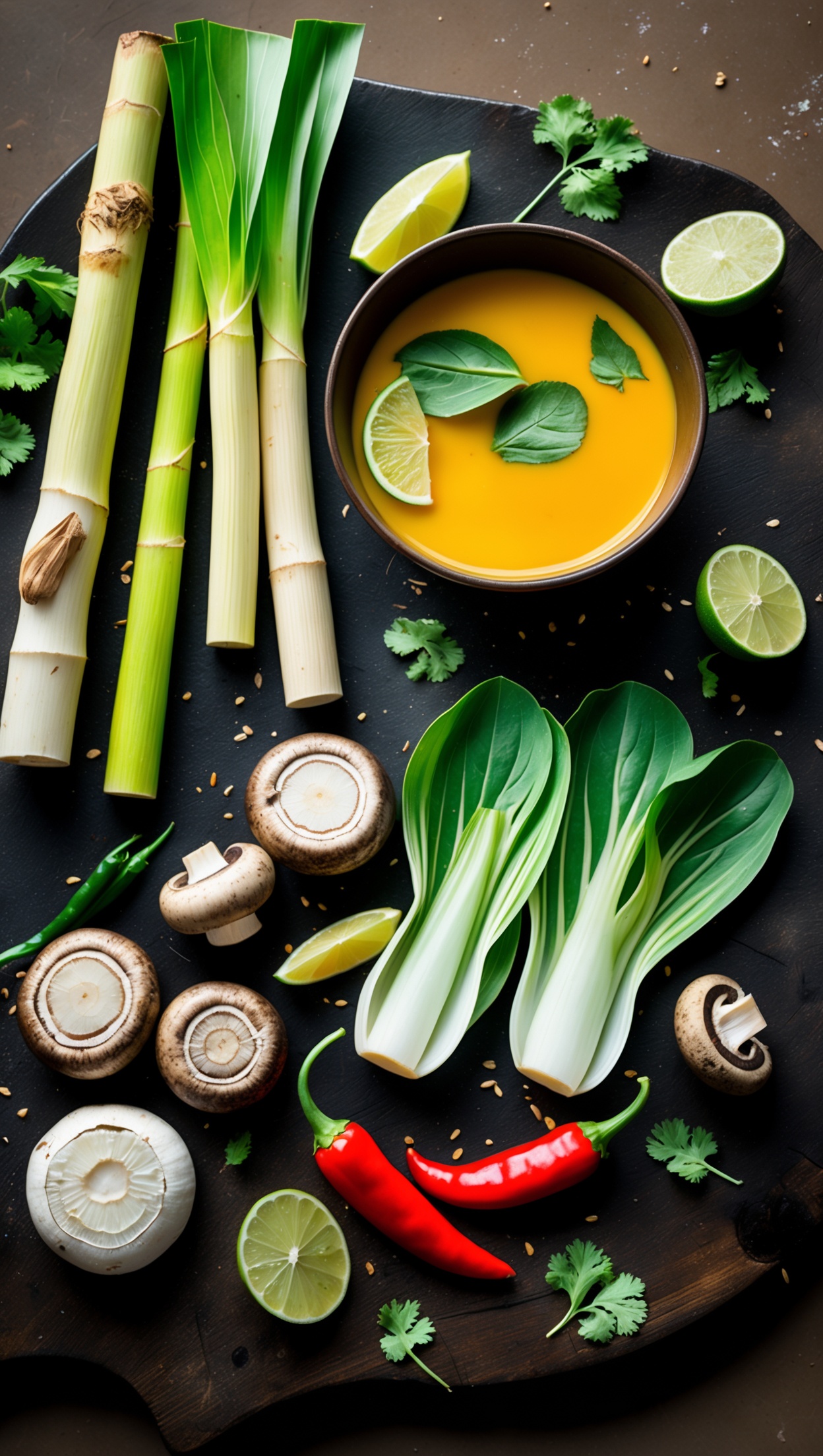
Authentic Tom Kha Gai Recipe — Easy & Delicious
Tom Kha Gai is one of Thailand's most beloved soups — a silky, fragrant coconut broth infused with galangal, lemongrass, kaffir lime leaves, and a gentle heat from fresh chilies. The name literally translates to "galangal chicken soup," and once you taste it, you'll understand why it has earned its place as a cornerstone of Thai cuisine. This recipe brings that authentic street-food magic straight into your kitchen, with simple steps and incredible results.
What Makes Tom Kha Gai Special?
Unlike many soups that rely on a single bold flavor, Tom Kha Gai is all about balance. The richness of coconut milk is cut by the tartness of lime juice, the heat of chilies is softened by the cream of the broth, and the earthiness of galangal dances alongside the citrusy brightness of lemongrass. It's a symphony of flavors — and one that comes together surprisingly quickly.
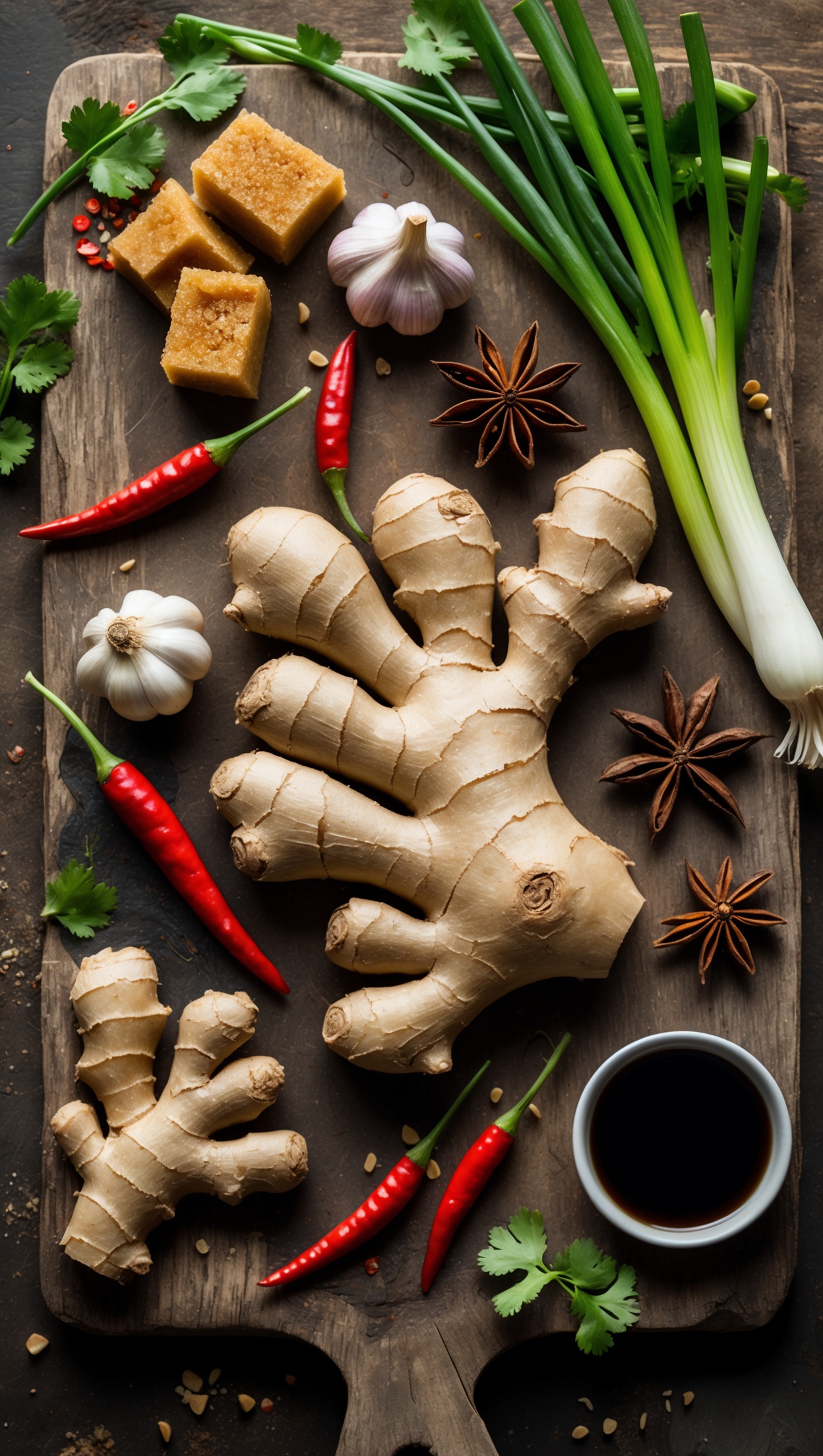
- Galangal — the star aromatic, sharper and more piney than regular ginger
- Lemongrass — adds a floral, citrus note to the broth
- Kaffir lime leaves — provide a distinctive zesty fragrance
- Coconut milk — creates the creamy, luscious base
- Fish sauce — delivers umami depth and saltiness
- Thai bird's eye chilies — for that essential heat
Ingredients (Serves 4)
- 400 ml full-fat coconut milk
- 400 ml chicken stock
- 300 g boneless meat, thinly sliced
- 200 g oyster mushrooms or straw mushrooms
- 4–5 slices fresh galangal
- 2 stalks lemongrass, bruised and cut into 5 cm pieces
- 6 kaffir lime leaves, torn
- 3–4 Thai bird's eye chilies, lightly crushed
- 3 tablespoons fish sauce
- 2 tablespoons fresh lime juice
- 1 teaspoon palm sugar or light brown sugar
- Fresh coriander leaves to garnish
- Optional: 1 teaspoon chili oil for serving
Step-by-Step Instructions
Step 1 — Build the Aromatic Broth
Pour the chicken stock into a medium saucepan and bring to a gentle simmer over medium heat. Add the galangal slices, bruised lemongrass stalks, torn kaffir lime leaves, and crushed bird's eye chilies. Let the aromatics steep for 5–7 minutes — this is where all the magic happens. Your kitchen will already smell incredible.
Step 2 — Add the Coconut Milk
Pour in the full-fat coconut milk and stir gently to combine. Bring the soup back to a light simmer, being careful not to boil it vigorously — this can cause the coconut milk to separate and lose its creamy texture.
Step 3 — Cook the Protein and Mushrooms
Add the thinly sliced meat and mushrooms to the broth. Simmer for 5–7 minutes, or until the meat is just cooked through. Oyster mushrooms are traditional and absorb the broth beautifully — straw mushrooms are equally wonderful if you can find them.
Step 4 — Season to Perfection
Season the soup with fish sauce, fresh lime juice, and palm sugar. Taste and adjust — it should be a harmonious balance of salty, sour, and mildly sweet with a coconut richness underpinning everything. Add more lime juice for brightness or more fish sauce for depth.
Step 5 — Garnish and Serve
Ladle into deep bowls. Garnish with fresh coriander leaves and a drizzle of chili oil if you like extra heat. Serve immediately with steamed jasmine rice or enjoy it solo as a starter.
Tips for the Best Tom Kha Gai
- Don't boil aggressively — a gentle simmer preserves the coconut milk's texture and the aromatics' delicate flavors.
- Use fresh galangal if possible — dried or powdered galangal lacks the sharp, piney punch that defines this soup.
- The aromatics are not eaten — the galangal, lemongrass, and lime leaves are only there to infuse flavor. Leave them in the bowl or remove before serving.
- Taste constantly — Thai cooking is all about balance, adjusted to your palate.
- Freshness is everything — the quality of your spices and herbs makes an enormous difference in the final result.
Variations and Substitutions
Tom Kha Gai is wonderfully adaptable. For a vegetarian version, swap the chicken stock for vegetable stock, replace fish sauce with soy sauce or tamari, and use tofu or extra mushrooms as your protein. The coconut broth is so flavorful that you won't miss the meat at all.
If you struggle to find fresh galangal at your local supermarket, check Asian grocery stores or well-stocked specialty food shops. The difference between fresh and dried really is significant — it's worth the extra effort to track it down.
The Role of Spices in Authentic Thai Cooking
One of the most important lessons in Thai cuisine is that spice quality is non-negotiable. The dried chilies, galangal powder (as a backup), and even the fish sauce you use all contribute to the depth of flavor in a dish like Tom Kha Gai. Sourcing high-quality, authentic spices from a reliable supplier makes all the difference between a good soup and a truly exceptional one.
Pairing Suggestions
Tom Kha Gai pairs beautifully with steamed jasmine rice, Thai green papaya salad, or spring rolls. For dessert, consider mango sticky rice to carry the coconut theme through the entire meal.
For the perfect wine pairing with this dish, Hawesko offers an outstanding selection of premium wines to complement every recipe. For the finest spices and seasonings to elevate your cooking, Gewürzland has everything you need.