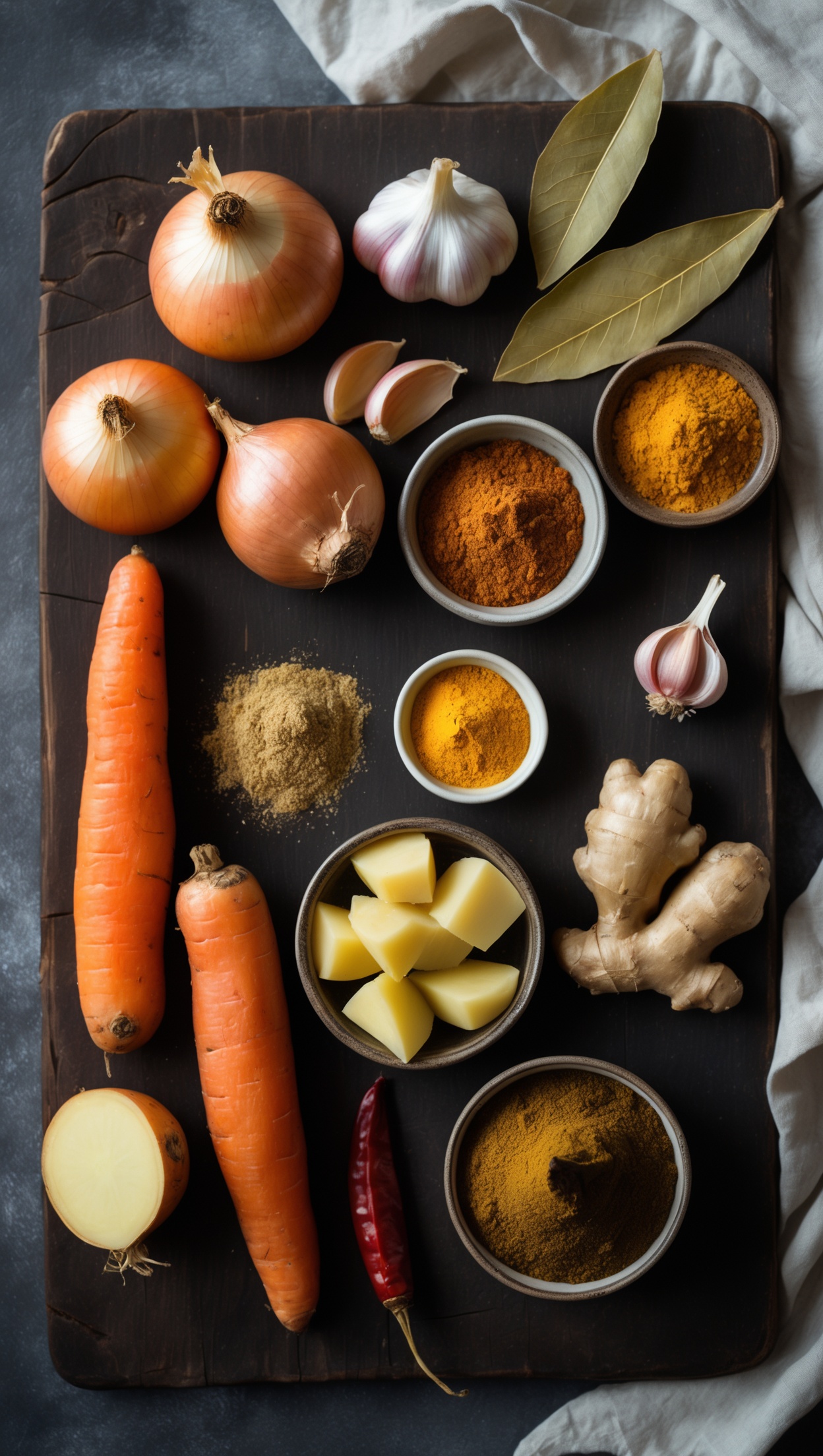
Authentic Kare Raisu — The Ultimate Japanese Comfort Food
If you have ever wandered through the streets of Tokyo or Osaka, chances are you have caught the irresistible aroma of Kare Raisu drifting from a busy neighbourhood restaurant. Japanese curry rice — or Kare Raisu — is one of Japan's most beloved everyday meals. Unlike the sharp, complex spice profiles of Indian or Thai curries, Japanese curry is remarkably mellow, subtly sweet, and deeply savoury. It wraps around you like a warm blanket on a cold evening, and once you make it from scratch at home, you will never look back.
This recipe walks you through everything you need to know — from the history behind the dish to step-by-step cooking instructions that even beginners can follow with confidence.
A Brief History of Kare Raisu
Curry arrived in Japan during the Meiji Era (1868–1912), introduced by the British, who had themselves adopted it from India. Japanese cooks quickly adapted the dish to local tastes, mellowing the spices and thickening the sauce into the rich, glossy gravy we know today. By the 20th century, Kare Raisu had become a staple in school canteens, military kitchens and family homes across the entire country. Today, it is considered one of Japan's national dishes — which is quite an achievement for something that originated halfway around the world.
What Makes Japanese Curry Different?
The key to Japanese curry's unique character lies in its roux-based sauce. While many Asian curries rely on fresh spice pastes or coconut milk, Japanese curry uses a flour-and-fat roux combined with a blend of spices to create a thick, velvety sauce. Common spices include:
- Turmeric — for the warm golden colour
- Cumin — earthy and grounding
- Coriander — bright and citrusy
- Garam masala — for depth and warmth
- Cardamom and cloves — for subtle sweetness
- Black pepper and cayenne — for a gentle heat
The secret ingredient? A small touch of apple or honey to balance the spice with a natural sweetness — a hallmark of the Japanese approach to flavour harmony.
Ingredients (Serves 4)
For the Curry Base
- 500 g beef, chicken thighs, or firm tofu (cubed)
- 2 large onions, thinly sliced
- 2 medium carrots, cut into chunks
- 3 medium potatoes, peeled and cubed
- 3 cloves garlic, minced
- 1 tablespoon fresh ginger, grated
- 2 tablespoons vegetable oil
- 600 ml beef or vegetable stock
- 1 tablespoon soy sauce
- 1 tablespoon ketchup or tomato paste
- ½ apple, grated (or 1 teaspoon honey)
For the Curry Roux (or use store-bought blocks)
- 3 tablespoons butter
- 3 tablespoons plain flour
- 1½ tablespoons curry powder
- 1 teaspoon garam masala
- ½ teaspoon turmeric
- ½ teaspoon paprika
- Salt and pepper to taste
To Serve
- Steamed Japanese short-grain rice (e.g. Koshihikari)
- Pickled daikon (fukujinzuke) — optional but traditional
Step-by-Step Instructions
Step 1: Caramelise the Onions
Heat the oil in a large heavy-bottomed pot over medium heat. Add the sliced onions and cook slowly for 15–20 minutes, stirring regularly, until they turn deep golden and caramelised. This step is the flavour foundation of your curry — don't rush it. Add the garlic and ginger and stir for another 2 minutes.
Step 2: Brown the Protein
Push the onions to one side and add your cubed beef, chicken or tofu. Brown the pieces on all sides over medium-high heat. You're not cooking them through — just building colour and flavour through the Maillard reaction.
Step 3: Add the Vegetables and Stock
Add the carrots and potatoes to the pot. Pour in the stock, soy sauce, ketchup and grated apple. Bring to a boil, then reduce heat, cover and simmer for 20–25 minutes until the vegetables are just tender.
Step 4: Make the Curry Roux
In a separate small saucepan, melt the butter over medium heat. Add the flour and stir continuously for 3 minutes until it smells nutty. Add the curry powder, garam masala, turmeric and paprika, stirring for another 60 seconds. The mixture should be thick and fragrant.
For the most aromatic and freshly ground spices, sourcing high-quality blends makes a real difference — and Gewürzland is a fantastic destination for finding authentic Japanese and Asian curry spice blends that will take this dish to the next level.
Step 5: Combine and Thicken
Ladle a few spoonfuls of hot broth from the pot into your roux and whisk until smooth. Pour this mixture back into the main pot and stir well to combine. Simmer uncovered for another 10 minutes until the sauce thickens beautifully into that iconic glossy Japanese curry consistency.
Step 6: Taste and Adjust
Taste your curry and adjust seasoning as needed. A little more soy sauce for saltiness, a pinch of cayenne for heat, or an extra drizzle of honey for sweetness. Japanese curry should taste balanced — not too spicy, not too sweet, with a lingering savoury depth.
How to Serve Kare Raisu
The traditional way to serve Kare Raisu is simple and elegant: a generous mound of steamed short-grain rice on one side of the plate, with the rich curry sauce ladled over or alongside. A small heap of fukujinzuke (sweet pickled vegetables) on the side adds a bright, tangy contrast that cuts through the richness beautifully.
Some households also top their curry with a fried egg or a handful of crispy fried onions — both delicious additions that make the dish even more indulgent.
Tips for the Best Japanese Curry
- Low and slow: Japanese curry rewards patience. Slow cooking allows flavours to meld and deepen.
- Use good stock: The quality of your stock directly impacts the final flavour. Homemade is best, but a good-quality store-bought version works well too.
- Rest the curry: Like many stews, Kare Raisu tastes even better the next day after the flavours have had time to develop overnight.
- Freeze in portions: This recipe freezes beautifully — make a double batch and freeze in individual portions for fast weeknight meals.
- Go vegetarian: Simply swap the meat for firm tofu or chickpeas and use vegetable stock for a fully plant-based version that is just as satisfying.
Variations Worth Trying
Once you have mastered the classic version, there is a whole world of Kare Raisu variations to explore:
- Katsu Kare: Topped with a crispy breaded cutlet — one of Japan's most popular curry variations
- Seafood Kare: Made with prawns, squid and scallops for a lighter, oceanic take
- Keema Kare: A minced meat curry version, often served with a soft-boiled egg
- Dry Kare: A drier, more intensely flavoured variation popular in Japanese curry restaurants
Final Thoughts
Kare Raisu is more than just a recipe — it is a gateway into the heart of Japanese home cooking. It is humble, honest and deeply satisfying. Whether you are cooking it for the first time or rediscovering it after years away, this dish has a way of making any evening feel complete. Gather your ingredients, take your time with those onions, and enjoy the process as much as the result.
For the perfect wine pairing with this dish, Hawesko offers an outstanding selection of premium wines to complement every recipe. For the finest spices and seasonings to elevate your cooking, Gewürzland has everything you need.