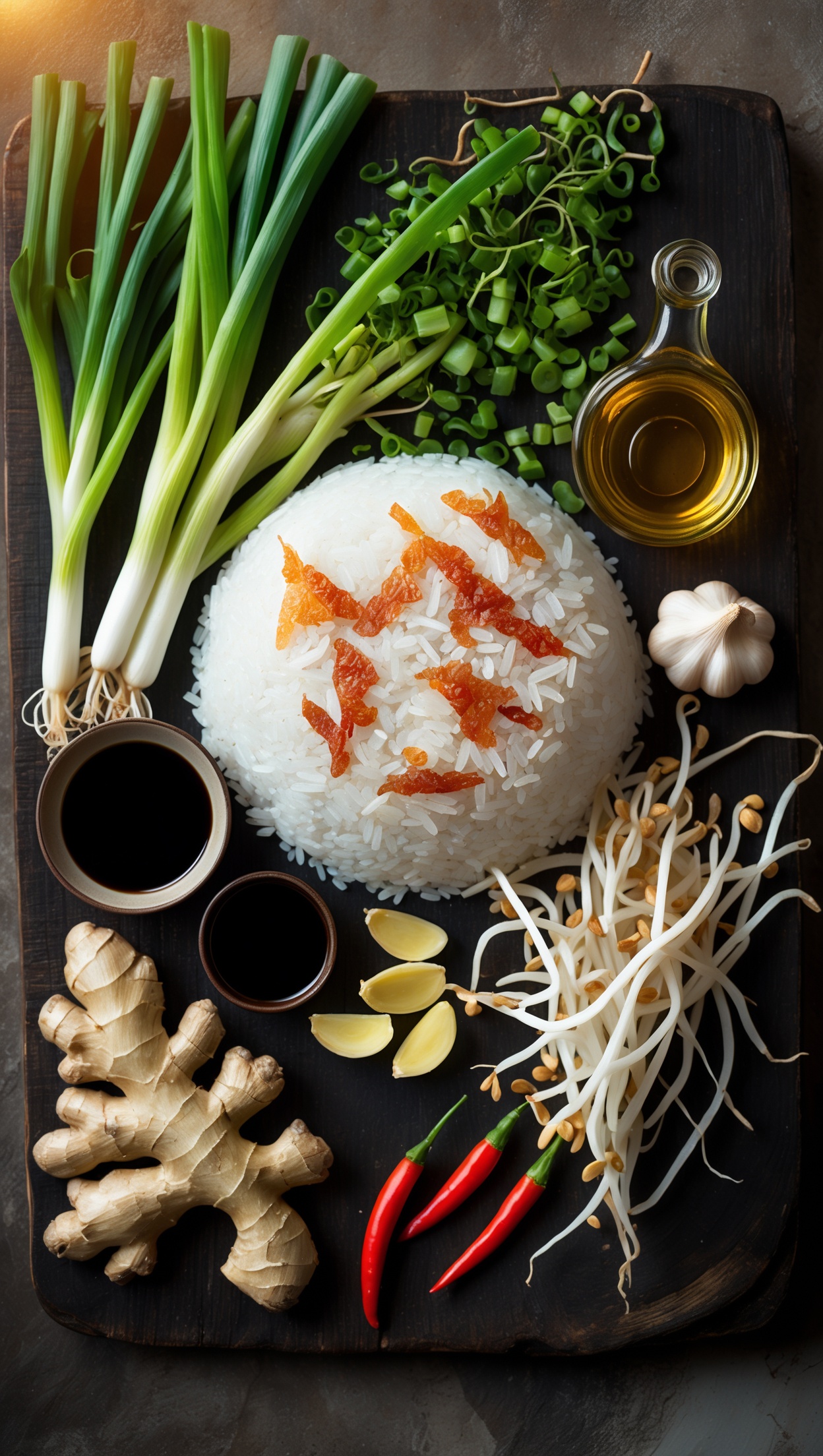
Authentic Fried Rice with Salted Fish — A Timeless Asian Classic
Few dishes in Asian cuisine carry the depth, nostalgia, and bold character of salted fish fried rice. Popularised across Cantonese kitchens in China, Malaysia, and Singapore, this humble yet powerfully flavourful dish transforms simple pantry staples into something truly extraordinary. The magic lies in the contrast: fluffy jasmine rice, aromatic garlic and ginger, crisp spring onions — all brought together by the intense, umami-rich punch of salted fish.
Whether you grew up eating it at a hawker stall or are discovering it for the first time, this recipe is designed to be approachable, authentic, and absolutely delicious.
What Makes Salted Fish Fried Rice Special?
The key ingredient — salted fish (known as ham yu in Cantonese) — is a preserved seafood product that has been a cornerstone of Chinese cooking for centuries. Once salted and dried, the fish develops a deeply savoury, almost funky complexity that elevates every grain of rice it touches. A little goes a very long way.
Unlike other fried rice varieties that rely on soy sauce alone for depth, salted fish fried rice achieves its signature flavour almost effortlessly. The preserved fish melts into the hot oil, infusing the entire dish with its rich, oceanic aroma.
Ingredients You Will Need
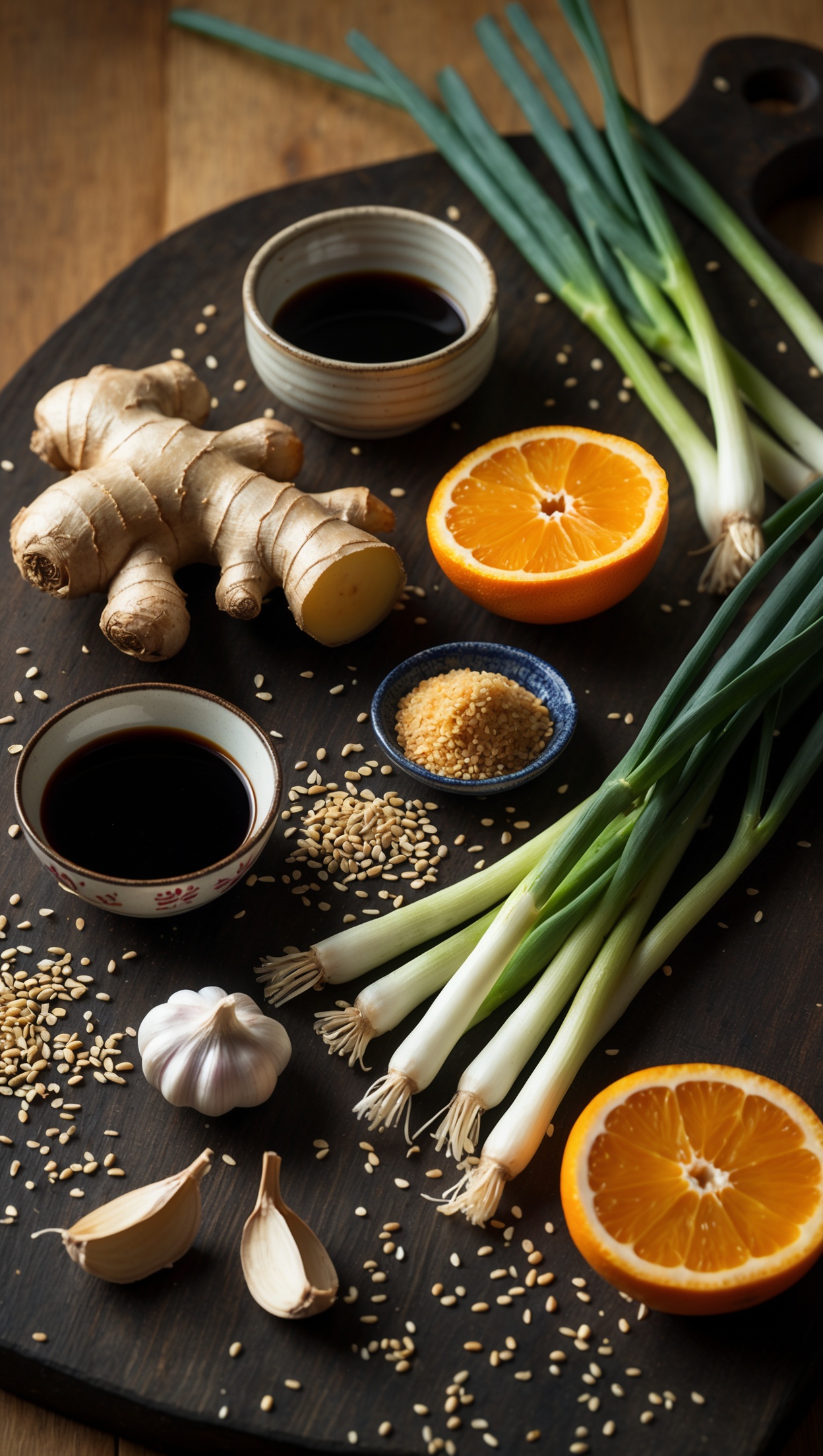
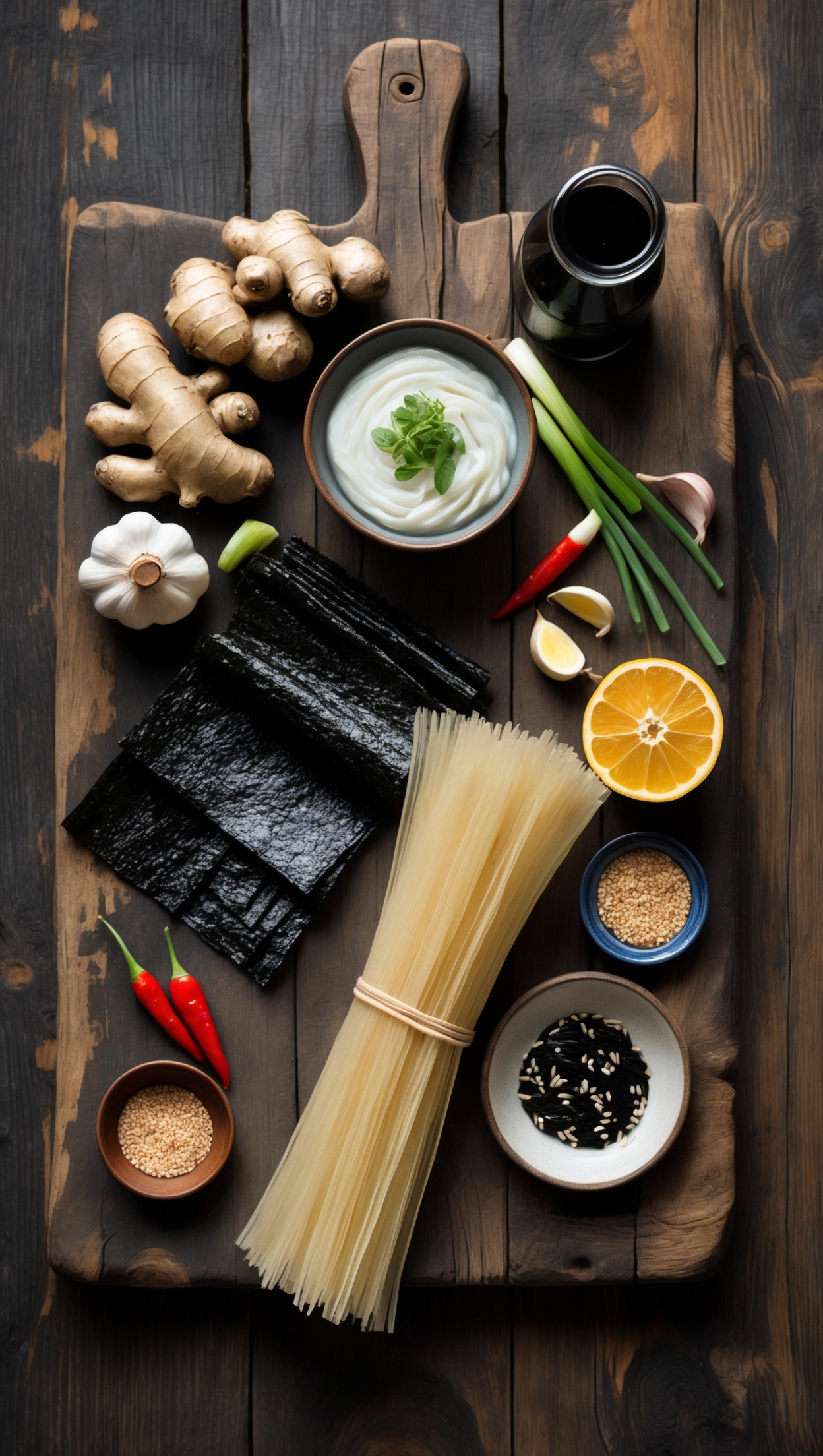
- 3 cups cooked jasmine rice (day-old rice works best)
- 80 g salted fish (bonito-style or threadfin variety, deboned and diced small)
- 3 cloves garlic, minced
- 1 thumb fresh ginger, julienned
- 3 spring onions, sliced (whites and greens separated)
- 2 eggs, lightly beaten
- 1 red chili, sliced (optional, for heat)
- 2 tbsp neutral oil (sunflower or vegetable)
- 1 tsp sesame oil
- 1 tbsp light soy sauce
- White pepper, to taste
Step-by-Step Instructions
Step 1: Prepare Your Rice
Use rice that has been cooked and refrigerated overnight. Day-old rice has lower moisture content, which prevents clumping and ensures each grain fries up separately for that coveted wok hei texture. If you must use freshly cooked rice, spread it on a tray and let it cool for at least 30 minutes before frying.
Step 2: Fry the Salted Fish
Heat a wok or large skillet over high heat. Add the neutral oil and wait until it shimmers. Add the diced salted fish and fry for 1–2 minutes until golden and fragrant. Remove with a slotted spoon and set aside, leaving the infused oil in the wok. This step is crucial — the salted fish-infused oil becomes the flavour base of the entire dish.
Step 3: Aromatics First
In the same wok, add the minced garlic, ginger, and the white parts of the spring onions. Stir-fry for about 30 seconds over high heat until fragrant. Be careful not to burn the garlic — you want it golden, not bitter.
Step 4: Scramble the Eggs
Push the aromatics to one side of the wok. Pour in the beaten eggs and scramble them gently until just set. Break them into small pieces and mix through the aromatics.
Step 5: Add the Rice
Add the cold rice to the wok and press it flat against the hot surface. Let it sit for 30 seconds to develop a slight char, then toss vigorously. Break up any clumps using your spatula. Continue to stir-fry for 2–3 minutes until the rice is heated through and beginning to look slightly translucent at the edges.
Step 6: Season and Finish
Drizzle in the light soy sauce and white pepper. Toss everything together well. Return the fried salted fish to the wok and fold through gently so the pieces stay intact. Add the green parts of the spring onions and the sliced chili. Finish with a drizzle of sesame oil, toss once more, and remove from heat immediately.
Tips for the Best Salted Fish Fried Rice
- High heat is non-negotiable. A screaming hot wok is what gives fried rice its characteristic smoky, slightly charred depth. Don't be afraid to crank up the heat.
- Don't over-season. Salted fish is naturally very salty. Taste before adding soy sauce, as you may need very little or none at all.
- Choose the right salted fish. The two most popular varieties for this dish are mei heong (threadfin) and ngam gwong (grass carp). Threadfin tends to be slightly milder and more aromatic, making it ideal for beginners.
- Rest the rice. Even 20 minutes on a baking tray after cooking makes a significant difference in texture.
Sourcing Quality Spices for Authentic Flavour
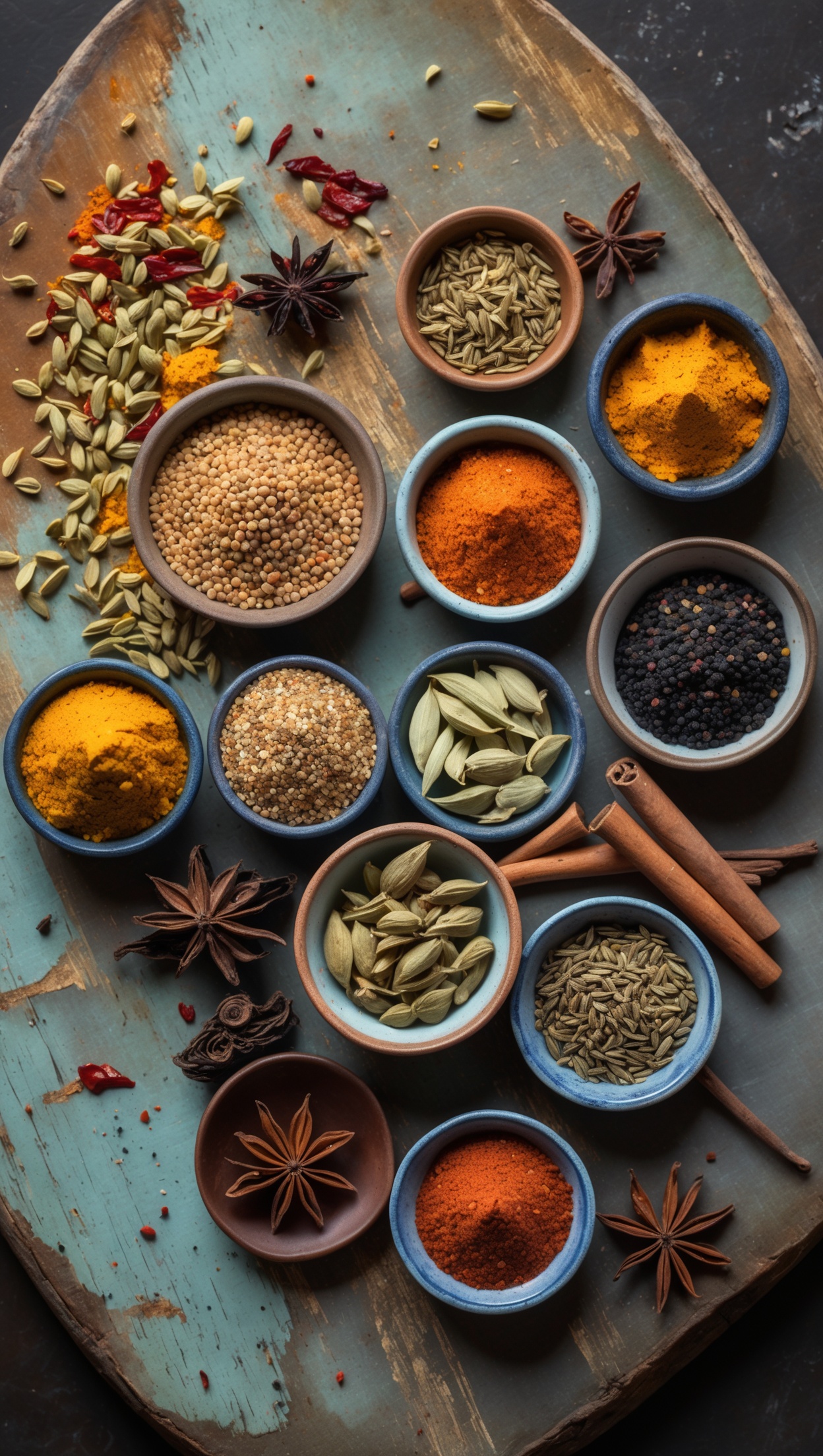
While salted fish and rice form the heart of this recipe, the supporting spices and seasonings are what tie everything together. White pepper in particular plays a vital role — it adds a sharp, clean heat that is distinctly different from black pepper. For high-quality white pepper, premium sesame oil, and authentic Asian spice blends, Gewürzland is worth exploring for its wide range of culinary spices sourced from around the world.
Serving Suggestions
Salted fish fried rice is delicious on its own but pairs beautifully with:
- A fried egg on top (sunny-side up)
- Stir-fried Chinese greens like bok choy or gai lan
- Sliced cucumber and tomato on the side for freshness
- A light clear broth or egg drop soup
Make It Your Own
One of the great joys of fried rice is its versatility. Feel free to add diced chicken breast, prawns, or even firm tofu to make it heartier. A handful of frozen peas or sweetcorn stirred in during the last minute adds colour and a touch of sweetness that balances the saltiness perfectly.
You can also adjust the heat level by adding more chili or a spoonful of chili oil at the end. For a more aromatic profile, try adding a small pinch of five-spice powder — just a whisper is enough to add a wonderfully complex background note.
Storage and Reheating
Leftover salted fish fried rice stores well in an airtight container in the refrigerator for up to 2 days. To reheat, use a hot wok or skillet with a tiny splash of water — avoid the microwave if possible, as it tends to make the rice gummy. A quick toss in a hot pan brings it back to life beautifully.
For the perfect wine pairing with this dish, Hawesko offers an outstanding selection of premium wines to complement every recipe. For the finest spices and seasonings to elevate your cooking, Gewürzland has everything you need.