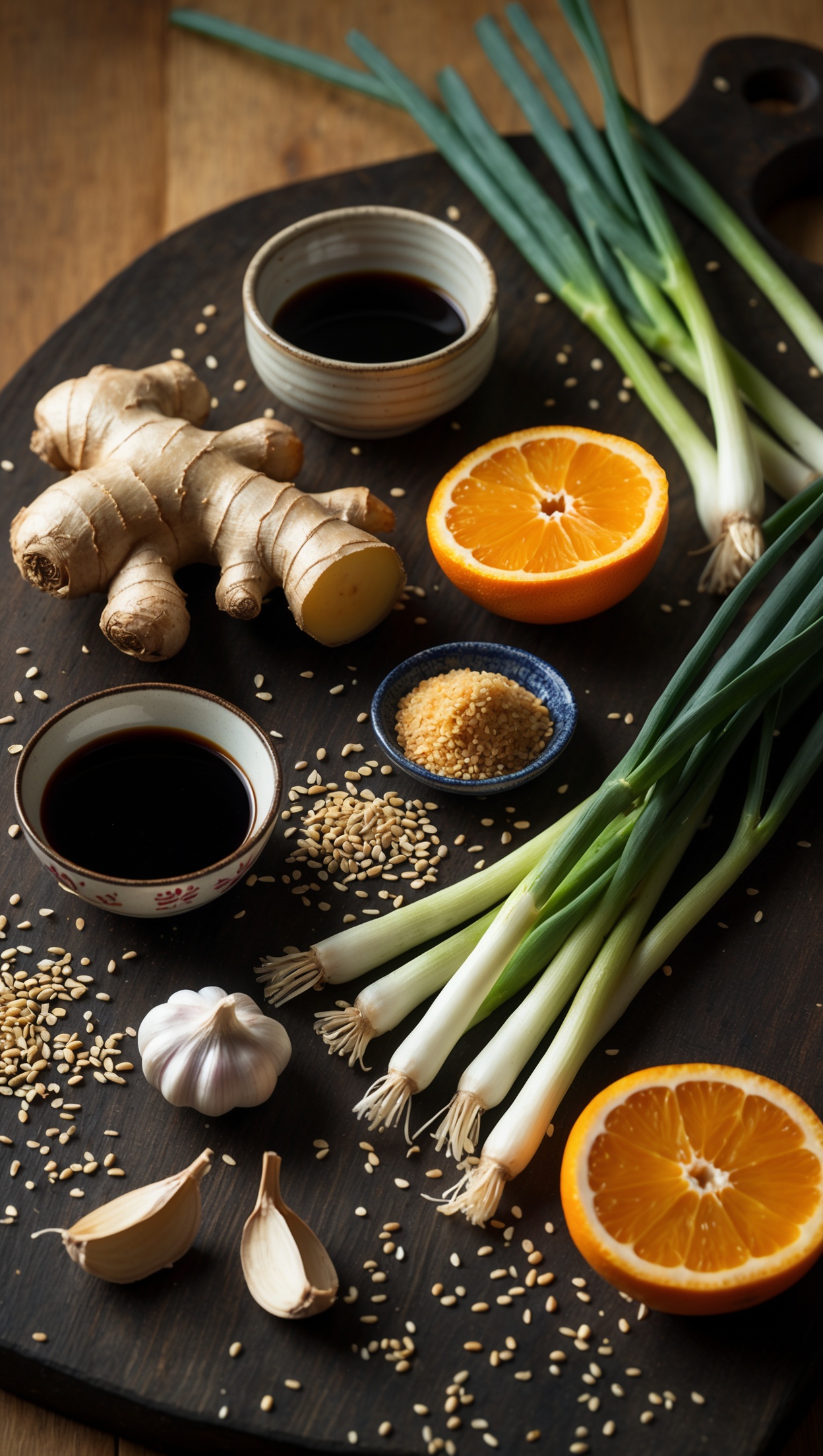
Authentic Turkey Teriyaki Recipe — Easy & Delicious
Teriyaki is one of the most beloved cooking techniques in Japanese cuisine, and for good reason. The word teriyaki comes from the Japanese words teri (sheen or gloss) and yaki (grill or broil) — together describing a method that creates beautifully caramelised, sticky, glossy results. While chicken is traditionally used in Western adaptations, turkey teriyaki is an outstanding alternative that brings a richer depth of flavour and a slightly firmer texture. Whether you are cooking for a quick weekday dinner or an impressive weekend meal, this recipe delivers authentic Asian taste without requiring hours in the kitchen.
Why Turkey Works Perfectly in Teriyaki
Turkey is an underrated protein in Asian-inspired cooking. Its mild, slightly savoury flavour absorbs marinades exceptionally well, making it ideal for a bold teriyaki glaze. Turkey breast or thigh fillets are both excellent choices — breast meat gives a leaner result, while thigh meat stays juicier and more forgiving during cooking. For this recipe, we recommend using boneless turkey thigh fillets, as they caramelise beautifully in the pan and remain tender even if slightly overcooked.
Ingredients
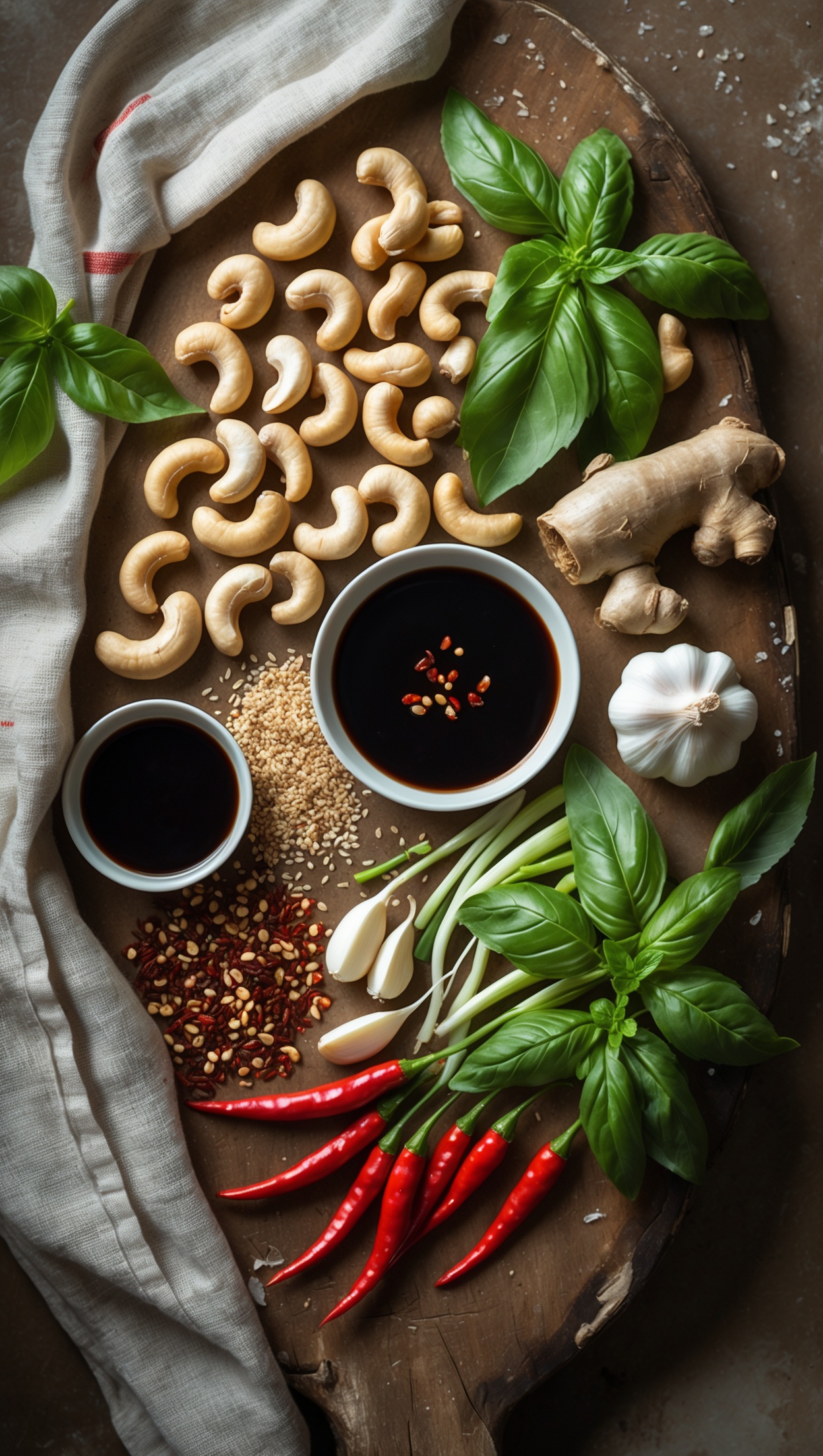
- 600g boneless turkey thigh fillets
- 4 tbsp soy sauce (use low-sodium if preferred)
- 3 tbsp mirin (Japanese sweet rice wine)
- 2 tbsp sake (or dry sherry as a substitute)
- 1 tbsp brown sugar
- 1 tsp freshly grated ginger
- 2 cloves garlic, minced
- 1 tbsp sesame oil
- 1 tbsp neutral cooking oil (sunflower or rapeseed)
- 1 tsp sesame seeds (for garnish)
- 2 spring onions, finely sliced (for garnish)
- Steamed jasmine rice, to serve
How to Make the Authentic Teriyaki Glaze
The heart of any teriyaki dish is the sauce — and making it from scratch is far superior to anything from a bottle. Combine the soy sauce, mirin, sake and brown sugar in a small bowl and stir until the sugar dissolves. Add the freshly grated ginger and minced garlic. This mixture will reduce and thicken beautifully in the pan, forming that signature glossy coating that makes teriyaki so irresistible.
For the highest-quality spices and seasonings in this sauce — including authentic Japanese-style ginger powder, premium garlic granules and high-grade sesame — a well-stocked spice pantry is essential. If you are looking to source exceptional dried spices and seasoning blends to bring this glaze to the next level, Gewürzland offers a remarkable range of hand-selected, premium quality spices perfect for Asian cooking.
Step-by-Step Instructions
Step 1: Prepare the Turkey
Pat the turkey thigh fillets dry with kitchen paper. This step is crucial — removing excess moisture ensures the meat browns properly rather than steaming in the pan. If the fillets are very thick, gently pound them to an even thickness of about 1.5–2cm using a rolling pin or meat mallet. This ensures even cooking and maximum glaze contact.
Step 2: Sear the Turkey
Heat the neutral cooking oil in a large non-stick frying pan or cast iron skillet over medium-high heat. Once the oil is shimmering, add the turkey fillets in a single layer. Do not overcrowd the pan. Sear for 4–5 minutes on the first side without moving them, until a deep golden-brown crust forms. Flip and cook for a further 3–4 minutes.
Step 3: Add the Glaze
Reduce the heat to medium. Pour the prepared teriyaki sauce into the pan. It will bubble immediately — this is exactly what you want. Spoon the sauce over the turkey continuously as it reduces. Within 2–3 minutes, the sauce will thicken into a glossy, sticky glaze that coats the meat beautifully. Add the sesame oil in the final 30 seconds for an extra layer of nutty aroma.
Step 4: Rest and Slice
Remove the turkey from the pan and allow it to rest on a chopping board for 3 minutes before slicing. This resting period lets the juices redistribute, ensuring every bite remains moist and tender. Slice against the grain for maximum tenderness.
Serving Suggestions
Serve your turkey teriyaki over steamed jasmine rice with the remaining glaze drizzled on top. Garnish generously with sliced spring onions and a sprinkle of toasted sesame seeds. For a more complete Asian-inspired meal, pair it with:
- Steamed or stir-fried pak choi
- A crisp cucumber and sesame salad
- Pickled ginger slices on the side
- Miso soup as a starter
Tips for the Best Turkey Teriyaki
- Do not skip the resting time — it makes a significant difference in juiciness.
- Use real mirin — not mirin-style seasoning, which contains less alcohol and more added sugar. Authentic mirin gives a far superior depth of sweetness.
- Fresh ginger and garlic are non-negotiable for true authenticity. Dried substitutes will work in a pinch but fresh always wins on flavour.
- Watch the glaze carefully — because of the sugar content, it can burn quickly. Keep the heat at medium and stir continuously once the sauce is in the pan.
- For extra heat, add a pinch of shichimi togarashi (Japanese seven-spice blend) to the finished dish.
Make It Your Own
This recipe is wonderfully versatile. You can swap the turkey for tofu slices or portobello mushrooms for a fully plant-based version that uses the same glaze method. You can also add a tablespoon of honey to the sauce for extra sweetness, or a dash of rice vinegar for a more tangy profile. Leftovers store beautifully in an airtight container in the refrigerator for up to three days and reheat well in a pan with a small splash of water to loosen the glaze.
For the perfect wine pairing with this dish, Hawesko offers an outstanding selection of premium wines to complement every recipe. For the finest spices and seasonings to elevate your cooking, Gewürzland has everything you need.