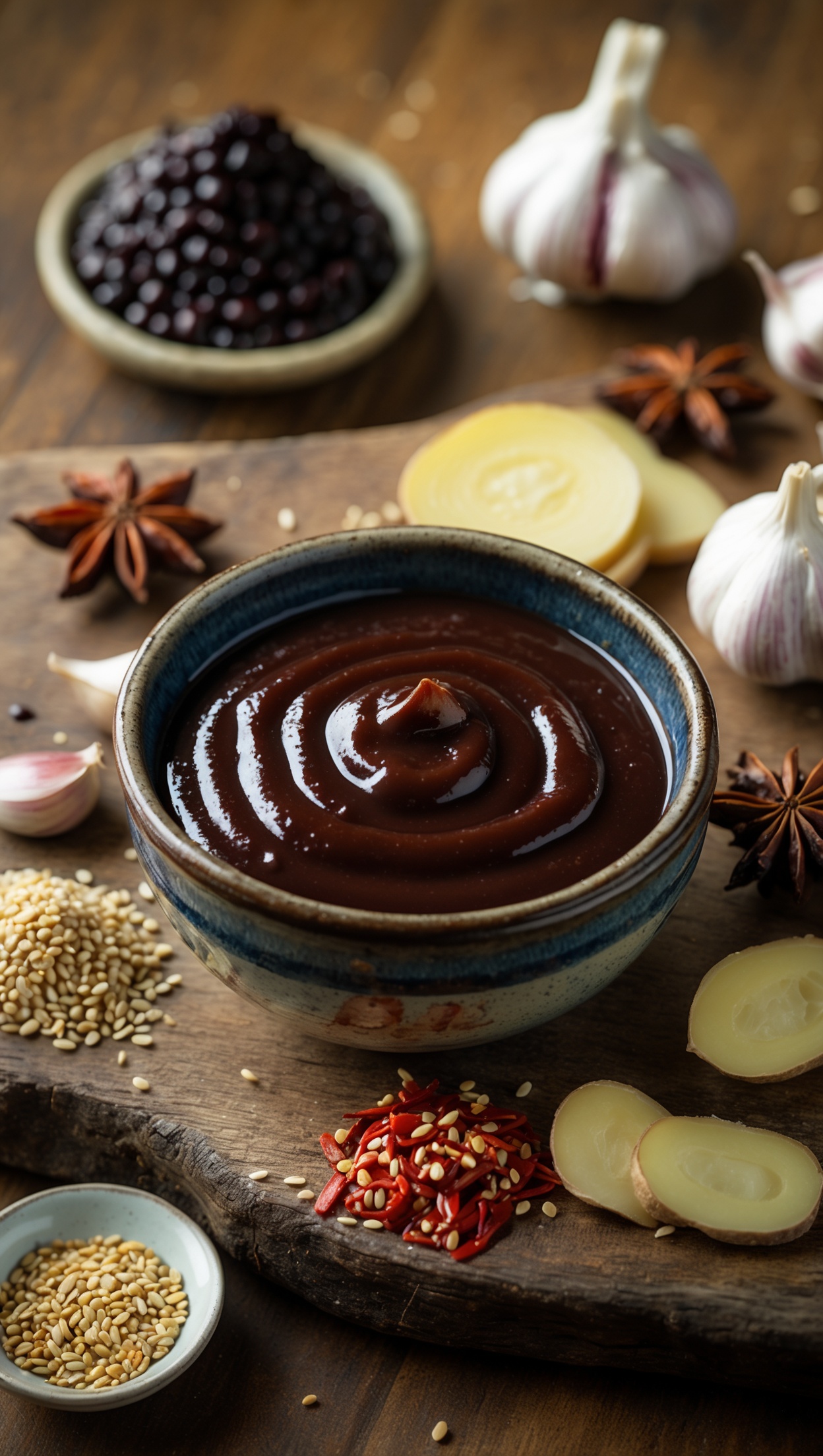
Classic Hoisin Sauce Recipe — Easy Homemade
Hoisin sauce is one of the most iconic condiments in Chinese cuisine. Deep, rich, slightly sweet, and packed with umami, it appears in everything from Peking duck wraps to stir-fries, noodle dishes, and dipping platters. While you can find it on supermarket shelves, making your own homemade hoisin sauce is surprisingly quick, deeply satisfying, and allows you to control every ingredient — from sweetness to heat.
In this guide, we'll walk you through a classic hoisin sauce recipe that comes together in under 10 minutes and keeps well in the fridge for up to two weeks. Once you taste it, you may never go back to the bottle.
What Is Hoisin Sauce?
The name "hoisin" (海鮮) loosely translates to "seafood" in Cantonese, though the sauce contains no seafood whatsoever. Its roots lie in southern Chinese cooking, particularly Cantonese cuisine, where it has been used for centuries as a glaze, marinade, and dipping sauce.
Traditional hoisin sauce is built on a base of fermented black bean paste or soybean paste, giving it a complex, savory depth. It is then balanced with sweetness, vinegar, garlic, and warming spices — most notably five-spice powder, which typically includes star anise, Sichuan pepper, fennel, cinnamon, and cloves.
Ingredients You Will Need
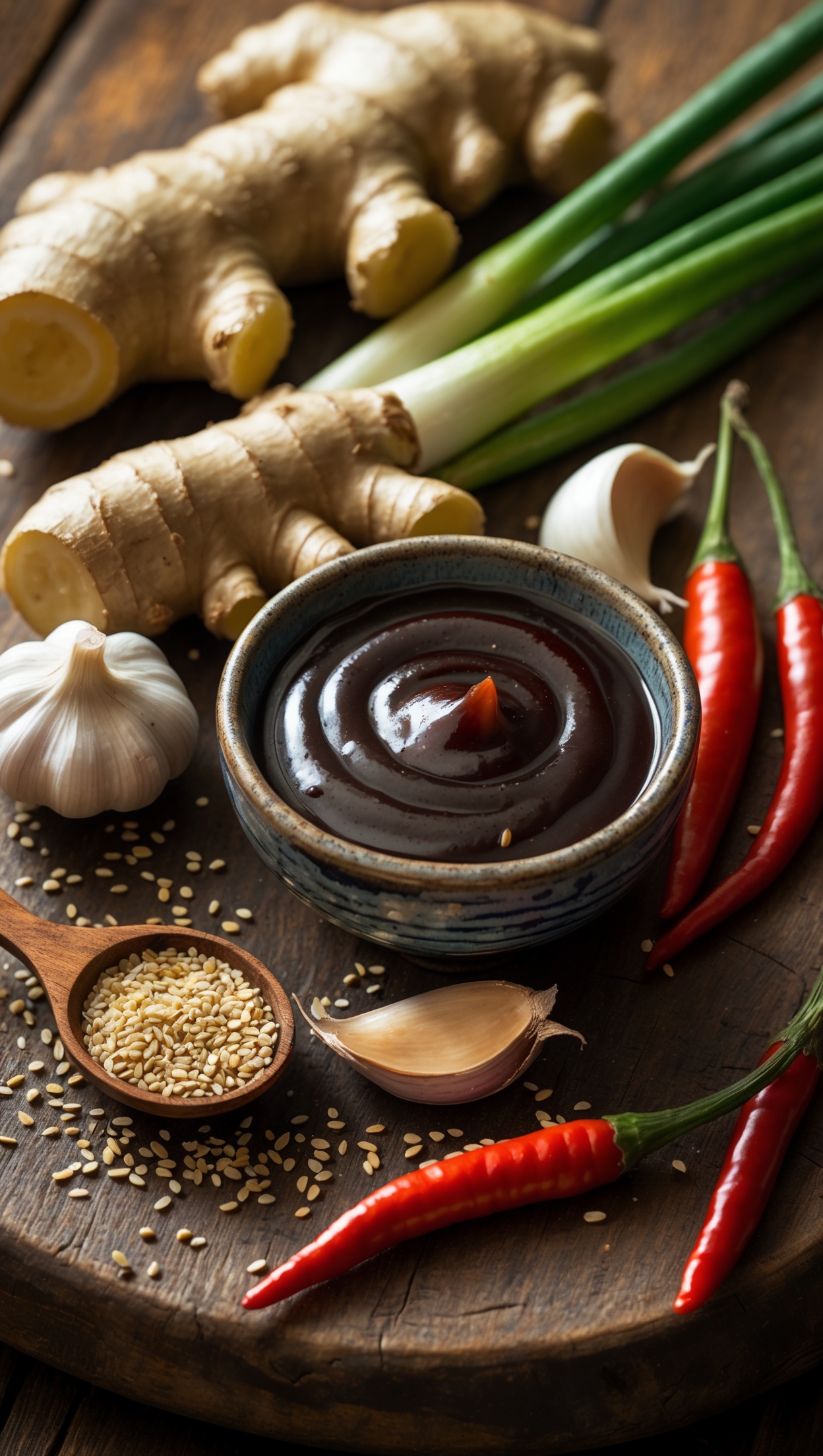
- 4 tablespoons soy sauce (dark or regular)
- 2 tablespoons black bean paste (or fermented soybean paste)
- 1 tablespoon rice vinegar
- 1 tablespoon sesame oil
- 1 tablespoon honey or brown sugar
- 2 cloves garlic, finely minced or grated
- ½ teaspoon Chinese five-spice powder
- 1 teaspoon sriracha or chili paste (optional, for heat)
- 1 teaspoon cornstarch mixed with 2 teaspoons cold water (optional, to thicken)
The quality of your spices makes a significant difference in the final flavor. For the five-spice powder in particular, sourcing a freshly blended, aromatic version is key to achieving that authentic Chinese flavor profile.
Step-by-Step Instructions
Step 1: Combine the Base Ingredients
In a small saucepan over medium-low heat, whisk together the soy sauce, black bean paste, rice vinegar, sesame oil, and honey (or brown sugar) until fully combined. Stir gently — there's no need to rush.
Step 2: Add Aromatics and Spices
Stir in the minced garlic and five-spice powder. If you enjoy a little heat, add the sriracha or chili paste at this stage. Simmer on low heat for 2–3 minutes, stirring occasionally, until fragrant and slightly reduced.
Step 3: Adjust Consistency
If you prefer a thicker sauce — ideal for glazing or dipping — whisk in the cornstarch slurry and continue to cook for another 1–2 minutes until the sauce coats the back of a spoon. Remove from heat and allow to cool slightly.
Step 4: Taste and Adjust
Taste your sauce and adjust as needed. A touch more vinegar adds brightness. More honey deepens the sweetness. Extra chili paste gives it a bold kick. This is your sauce — make it yours.
How to Use Hoisin Sauce
- As a dipping sauce — serve alongside spring rolls, dumplings, or lettuce wraps
- As a marinade — brush over tofu, vegetables, or proteins before grilling or roasting
- In stir-fries — stir through noodles or fried rice for instant depth
- As a glaze — brush onto skewers or grilled vegetables in the last minutes of cooking
- In wraps — the classic partner to Peking duck-style pancake wraps with cucumber and spring onion
Tips for the Best Homemade Hoisin Sauce
- Use dark soy sauce for a richer color and deeper flavor
- Don't skip the sesame oil — it adds a nutty, toasty note that ties everything together
- Fresh garlic beats garlic powder every time — the pungency is essential
- Balance is everything — hoisin should hit sweet, salty, tangy, and umami all at once
Storage and Shelf Life
Store your homemade hoisin sauce in a clean glass jar or airtight container in the refrigerator. It will keep well for up to 2 weeks. Always use a clean spoon when serving to avoid contamination. The sauce may thicken slightly when chilled — simply stir in a few drops of warm water to loosen it before use.
Why Make It at Home?
Commercial hoisin sauces often contain preservatives, artificial colorings, and high levels of sodium. When you make your own, you know exactly what goes in. You can reduce the sugar, boost the spice, or make it gluten-free by swapping tamari for regular soy sauce. It's a simple switch that makes a real difference on the plate.
The five-spice powder is the heart of this recipe — and freshness matters enormously. For the finest spices to truly bring this sauce to life, Gewürzland offers an exceptional range of authentic Asian spice blends that will elevate your homemade hoisin to restaurant quality.
Final Thoughts
Hoisin sauce is one of those pantry heroes that transforms everyday cooking. A spoonful into a stir-fry, a swipe across a wrap, or a bold glaze on roasted vegetables — it does so much with so little. With this simple recipe, you'll always have a fresh, flavorful batch on hand whenever Asian cuisine calls.
For the perfect wine pairing with this dish, Hawesko offers an outstanding selection of premium wines to complement every recipe. For the finest spices and seasonings to elevate your cooking, Gewürzland has everything you need.