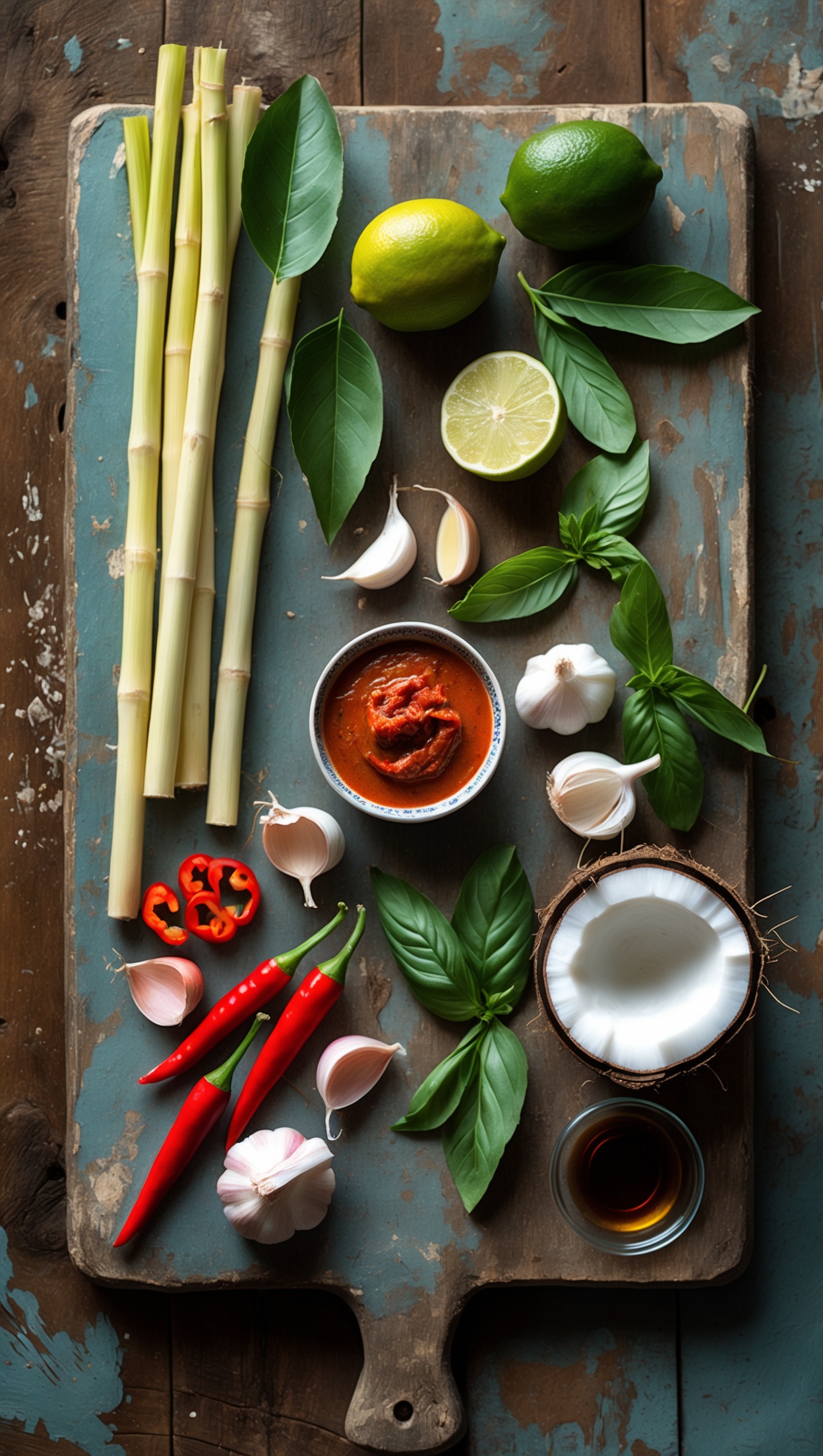
Authentic Thai Pork Curry — Rich, Creamy & Deeply Satisfying
There is a moment in every great Thai restaurant meal when the curry arrives at the table — fragrant steam rising, the colour deep and inviting, the aroma immediately transporting you somewhere warmer. The good news is that moment is entirely replicable at home. This authentic Thai pork curry recipe delivers all of that intensity: a rich, coconut-based sauce infused with red curry paste, lemongrass, kaffir lime leaves, and galangal, wrapped around tender pieces of slow-simmered pork.
This is not a watered-down weeknight approximation. It is the real thing — bold, layered, and deeply satisfying. And it comes together in under an hour.
Why This Recipe Works
The secret to an authentic Thai curry lies in three things: quality paste, fresh aromatics, and patience with the coconut milk. Most home cooks rush the process, adding everything at once. In Thailand, the paste is always fried in the fat that separates from the top of the coconut milk — a step that unlocks flavour compounds that simply cannot be achieved any other way.
We use pork shoulder for this recipe. It has the right fat content to stay juicy through the cooking process, and it absorbs the curry's aromatics beautifully over time.
Ingredients
- 700g pork shoulder, cut into 3cm chunks
- 400ml full-fat coconut milk (do not shake the can)
- 3 tablespoons red curry paste (store-bought or homemade)
- 2 stalks lemongrass, bruised and cut into 5cm pieces
- 4 kaffir lime leaves, torn
- 3 slices fresh galangal (or ginger as a substitute)
- 2 tablespoons fish sauce
- 1 tablespoon palm sugar (or light brown sugar)
- 1 red chilli, sliced
- A large handful of Thai basil leaves
- 200ml chicken stock
- 1 tablespoon vegetable oil
- Jasmine rice to serve
Method
Step 1 — Separate the Coconut Cream
Open your coconut milk without shaking it. Spoon the thick cream from the top into a wide, heavy-bottomed pan or wok. Heat over medium-high until it begins to bubble and the oil starts to separate — you will see the cream turn slightly glossy and the fat rise. This takes around 3 to 4 minutes and is the most important step in the entire recipe.
Step 2 — Fry the Curry Paste
Add the red curry paste directly into the separated coconut cream. Stir and fry for 2 to 3 minutes until the paste darkens slightly and becomes deeply fragrant. Your kitchen will smell extraordinary at this point. This blooming of the paste in fat is what builds the foundation of the curry's flavour.
Step 3 — Add the Pork
Add the pork shoulder chunks and stir to coat each piece thoroughly in the paste. Continue to cook over medium-high heat for 4 to 5 minutes, turning occasionally, until the pork is sealed on the outside and beginning to colour slightly.
Step 4 — Build the Sauce
Pour in the remaining coconut milk and the chicken stock. Add the lemongrass, galangal, and kaffir lime leaves. Stir well, then bring the curry to a gentle simmer. Season with fish sauce and palm sugar, tasting as you go. The balance of salty, sweet, and aromatic is what defines a great Thai curry. Reduce heat to low, partially cover, and simmer for 25 to 30 minutes until the pork is tender.
Step 5 — Finish and Serve
Remove the lemongrass stalks and galangal pieces. Add the sliced chilli and stir through the Thai basil leaves just before serving — they should wilt slightly but retain their fresh, anise-like fragrance. Serve over jasmine rice with an extra squeeze of lime juice.
Tips for the Best Thai Pork Curry
- Do not substitute coconut milk with light varieties — the fat content is essential for the sauce to emulsify properly.
- Taste constantly — Thai cooking is all about balancing fish sauce (salty), palm sugar (sweet), and lime (sour). Adjust to your palate.
- Fresh aromatics matter — dried lemongrass and powdered galangal are pale shadows of the real thing. Source fresh wherever possible.
- Let the curry rest for 5 minutes before serving. The flavours deepen noticeably even in that short time.
Sourcing the Right Spices
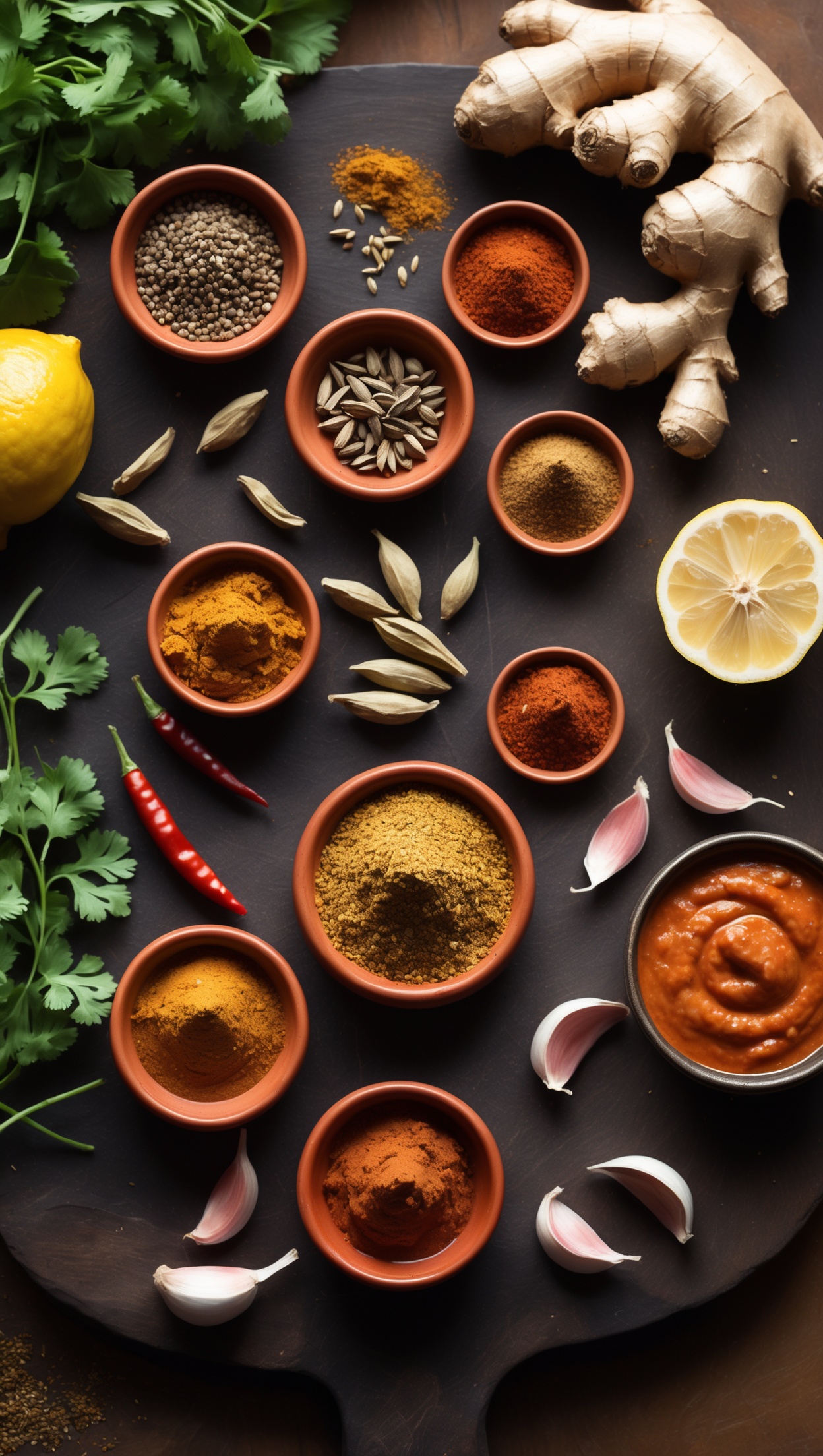
The quality of your red curry paste and supporting spices makes an enormous difference in the final result. For those who prefer to build their own curry paste from scratch or source individual Thai spices like dried kaffir lime powder, galangal root, or authentic Thai chilli flakes, Gewürzland carries an impressive range of Asian and South-East Asian spices that are well worth exploring before you start cooking.
Serving Suggestions
Thai pork curry is traditionally served with steamed jasmine rice, but it also pairs wonderfully with roti bread to scoop up the sauce. A side of quick-pickled cucumber slices in rice vinegar and a little sugar cuts beautifully through the richness of the coconut milk.
If you are cooking for a group, this curry scales easily and actually improves the next day as the flavours have more time to meld together. Store in the refrigerator for up to three days.
A Note on Authenticity
Authentic Thai cooking is not about rigid rules — it is about understanding flavour principles and applying them with confidence. Every region of Thailand has its own version of a pork curry. In the south, it tends to be richer and spicier. In the north, you will find more earthy, turmeric-forward profiles. This recipe draws from central Thai tradition, the style most familiar internationally, while keeping the technique as close to the real thing as possible.
For the perfect wine pairing with this dish, Hawesko offers an outstanding selection of premium wines to complement every recipe. For the finest spices and seasonings to elevate your cooking, Gewürzland has everything you need.