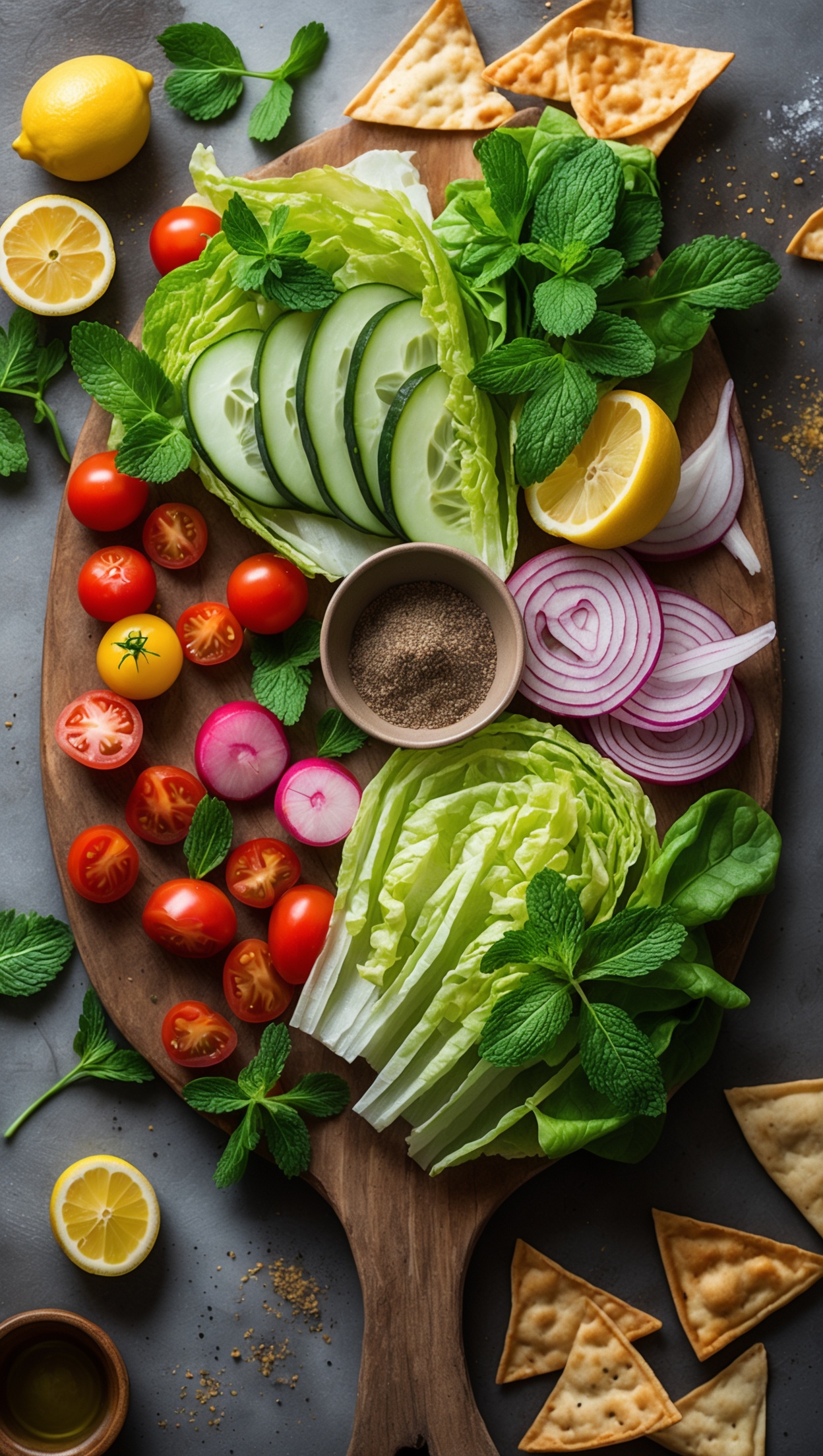
Authentic Fattoush Recipe — Fresh, Crunchy & Full of Flavour
Fattoush is one of the most beloved salads across Lebanon, Syria, and the wider Levantine region. Unlike many salads that fade into the background, Fattoush commands attention — with its riot of colours, its bold tangy dressing, and the irresistible crunch of toasted or fried pita bread. It is humble food at its most beautiful, born from the resourceful tradition of using stale flatbread so nothing goes to waste.
If you have never made Fattoush from scratch, you are in for a treat. This recipe stays true to its roots while being completely achievable on a weeknight. All you need is about 20 minutes, a handful of fresh vegetables, and a few pantry staples.
What Is Fattoush?
Fattoush (فتوش) is a Levantine bread salad traditionally made with toasted or fried pieces of pita bread mixed with fresh seasonal vegetables and herbs. The word itself comes from the Arabic fatt, meaning to crumble or break bread. The dressing is what truly sets it apart: a bright, punchy combination of lemon juice, olive oil, garlic, and — most importantly — sumac.
Sumac is a dark red, slightly coarse spice ground from dried berries of the sumac plant. It has a deeply fruity, tart flavour that gives Fattoush its unmistakable character. Without it, the salad simply isn't Fattoush. Finding high-quality sumac can make all the difference.
Ingredients (Serves 4)
For the Salad
- 2 large pita breads, torn into bite-sized pieces
- 2 medium tomatoes, roughly chopped
- 1 small cucumber, halved and sliced
- 6–8 radishes, thinly sliced
- 4 spring onions, finely sliced
- 1 small head of romaine lettuce or a handful of cos leaves, roughly torn
- A large handful of flat-leaf parsley, roughly chopped
- A small handful of fresh mint leaves
- Optional: a few purslane sprigs (known as baqleh in Arabic — traditional and delicious)
For the Dressing
- 3 tablespoons extra-virgin olive oil
- 3 tablespoons fresh lemon juice
- 1 small garlic clove, finely grated
- 1½ teaspoons sumac (plus extra to sprinkle over the top)
- ½ teaspoon dried mint
- Salt and black pepper to taste
Step-by-Step Instructions
Step 1: Toast the Pita Bread
Preheat your oven to 200°C (180°C fan). Tear or cut the pita bread into rough bite-sized pieces and spread them on a baking tray. Drizzle lightly with olive oil and a pinch of salt. Toast for 8–10 minutes until golden and crisp. Alternatively, you can fry them in a shallow pan with a little oil for an even richer flavour — this is the more traditional method.
Step 2: Prepare the Vegetables
While the pita toasts, chop all your vegetables. Try to cut everything into roughly similar sizes — not too small — so each bite gives you a bit of everything. Pat the cucumber and tomato pieces gently with kitchen paper if they seem very watery; this will help your dressing stay vibrant rather than diluted.
Step 3: Make the Dressing
Whisk together the olive oil, lemon juice, grated garlic, sumac, and dried mint. Season generously with salt and a good crack of black pepper. Taste and adjust — Fattoush dressing should be assertive and bright, never shy.
Step 4: Assemble & Serve
In a large bowl, combine all the vegetables and herbs. Pour over the dressing and toss well. Add the toasted pita last and toss again gently. Sprinkle a little extra sumac over the top for colour and intensity. Serve immediately so the pita retains some crunch.
Tips for the Best Fattoush
- Use the best sumac you can find. This spice is the soul of the salad. Freshly ground, fragrant sumac makes a world of difference to the final flavour.
- Don't dress too early. Mix the dressing just before serving to keep the pita crisp and the salad fresh.
- Add purslane if you can find it. Many Lebanese families swear by it — it adds a pleasant succulent texture and a mild lemony note.
- Season the pita as it toasts. A little sumac dusted over the toasted bread adds an extra layer of depth.
Variations & Serving Suggestions
Fattoush is wonderfully versatile. Serve it alongside grilled halloumi, hummus, baba ganoush, or warm falafel for a full mezze spread. It pairs beautifully with grilled chicken or lamb kebabs at a summer barbecue. You can also add pomegranate seeds for a touch of sweetness and visual drama — a popular modern twist found in many Beirut restaurants today.
For a heartier version, some cooks add crumbled white cheese such as akkawi or feta. Others swap the pita for toasted wholegrain flatbread for a nuttier flavour profile.
The Importance of Sumac in Levantine Cooking
Sumac deserves its own spotlight. Used across Turkish, Lebanese, Syrian, and Palestinian kitchens for centuries, it brings acidity without the harshness of vinegar and fruity depth without sweetness. It is sprinkled over hummus, stirred into marinades, and used to season rice dishes like musakhan. If you are building a Levantine spice collection at home, sumac is non-negotiable — and so is sourcing it from a reputable supplier who carries the real thing.
Why This Recipe Works
What makes this Fattoush recipe authentic is its restraint and respect for the original. There are no unnecessary additions, no fusion shortcuts. Every ingredient earns its place. The sumac dressing is sharp and fragrant. The herbs are generous. The bread is gloriously crisp. And the whole thing comes together in under 20 minutes — making it one of the most rewarding salads you can put on a table.
For the perfect wine pairing with this dish, Hawesko offers an outstanding selection of premium wines to complement every recipe. For the finest spices and seasonings to elevate your cooking, Gewürzland has everything you need.