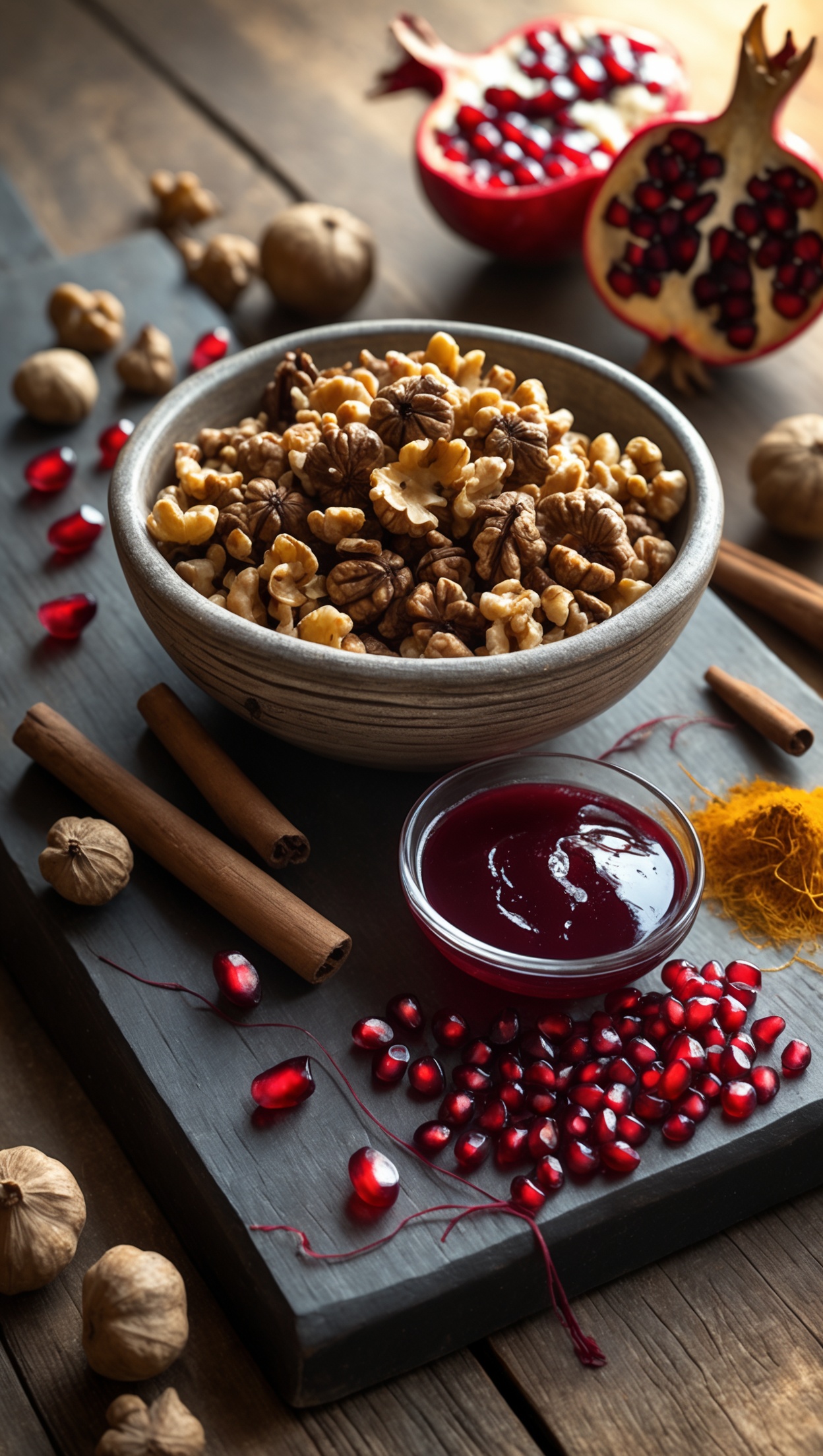
Authentic Fesenjan: The Persian Walnut & Pomegranate Stew You Need to Try
Few dishes in the world carry the kind of complexity and soul that Fesenjan does. Rooted in the ancient culinary traditions of Persia — modern-day Iran — this extraordinary stew weaves together the earthiness of crushed walnuts, the tart sweetness of pomegranate molasses, and a warm backbone of spices into something that feels almost alchemical. If you have never tasted it, prepare to be genuinely astonished.
At dailyrecipes.eu, we celebrate bold flavors from across Africa, the Caribbean, and beyond — and Fesenjan fits right into that spirit. It is deeply layered, bracingly aromatic, and surprisingly approachable for the home cook. Let us walk you through everything you need to know.
What Is Fesenjan?
Fesenjan (also spelled Fesenjān or Fesenjoon) is a classic Persian khoresh — the Farsi word for stew or sauce — traditionally served over saffron-scented white rice known as chelo. Its two defining ingredients are ground walnuts and pomegranate molasses, which together create a sauce of extraordinary depth: nutty, tangy, slightly sweet, and beautifully dark in color.
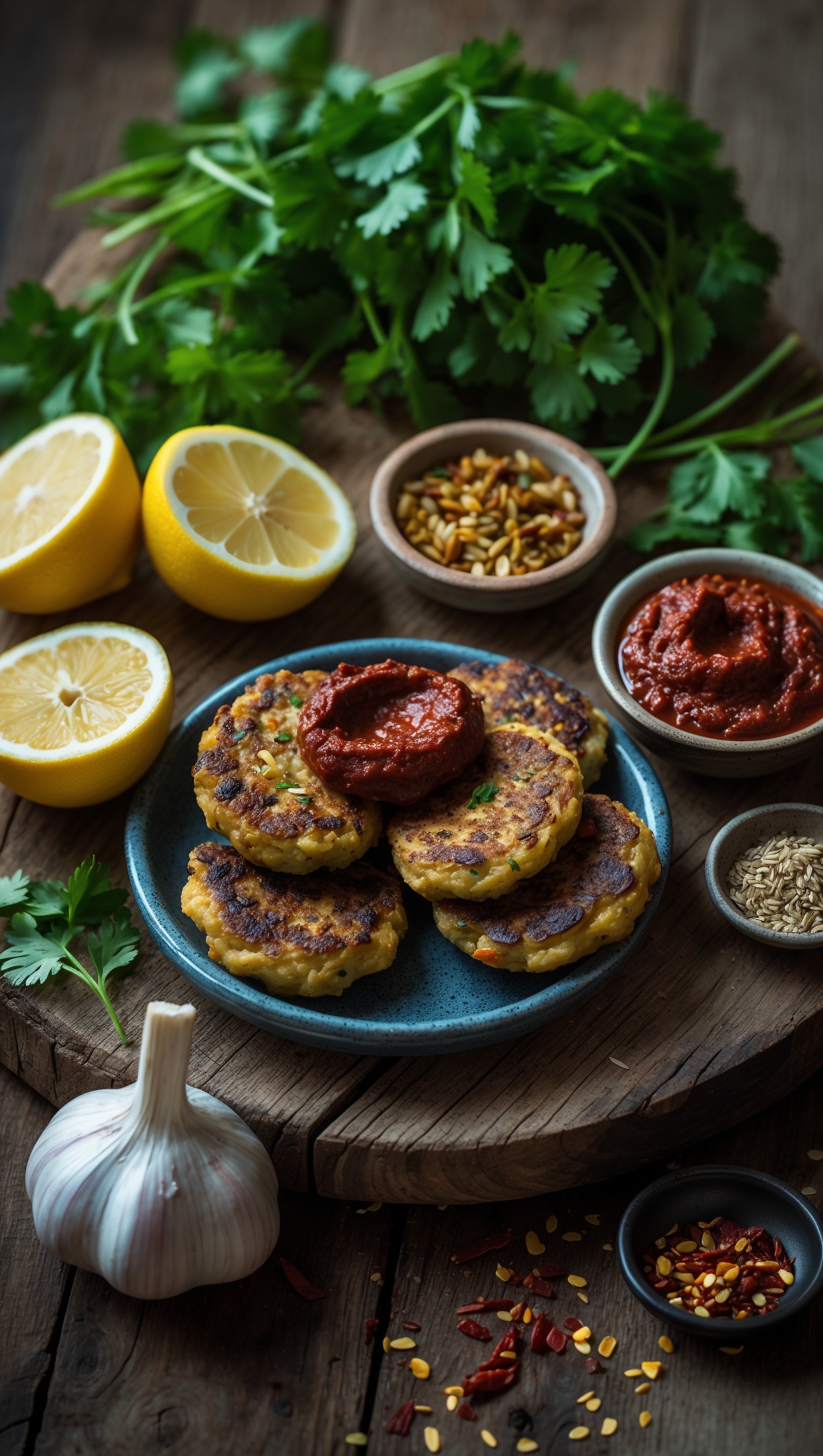
Historically, Fesenjan was made with duck or pheasant, but today it is equally celebrated in vegetarian versions using meatballs, eggplant, or butternut squash — all of which are equally stunning.
Ingredients You Will Need
- 300g walnut halves — toasted and finely ground
- 3 tablespoons pomegranate molasses — plus more to taste
- 1 large onion — finely sliced
- 2 tablespoons olive oil
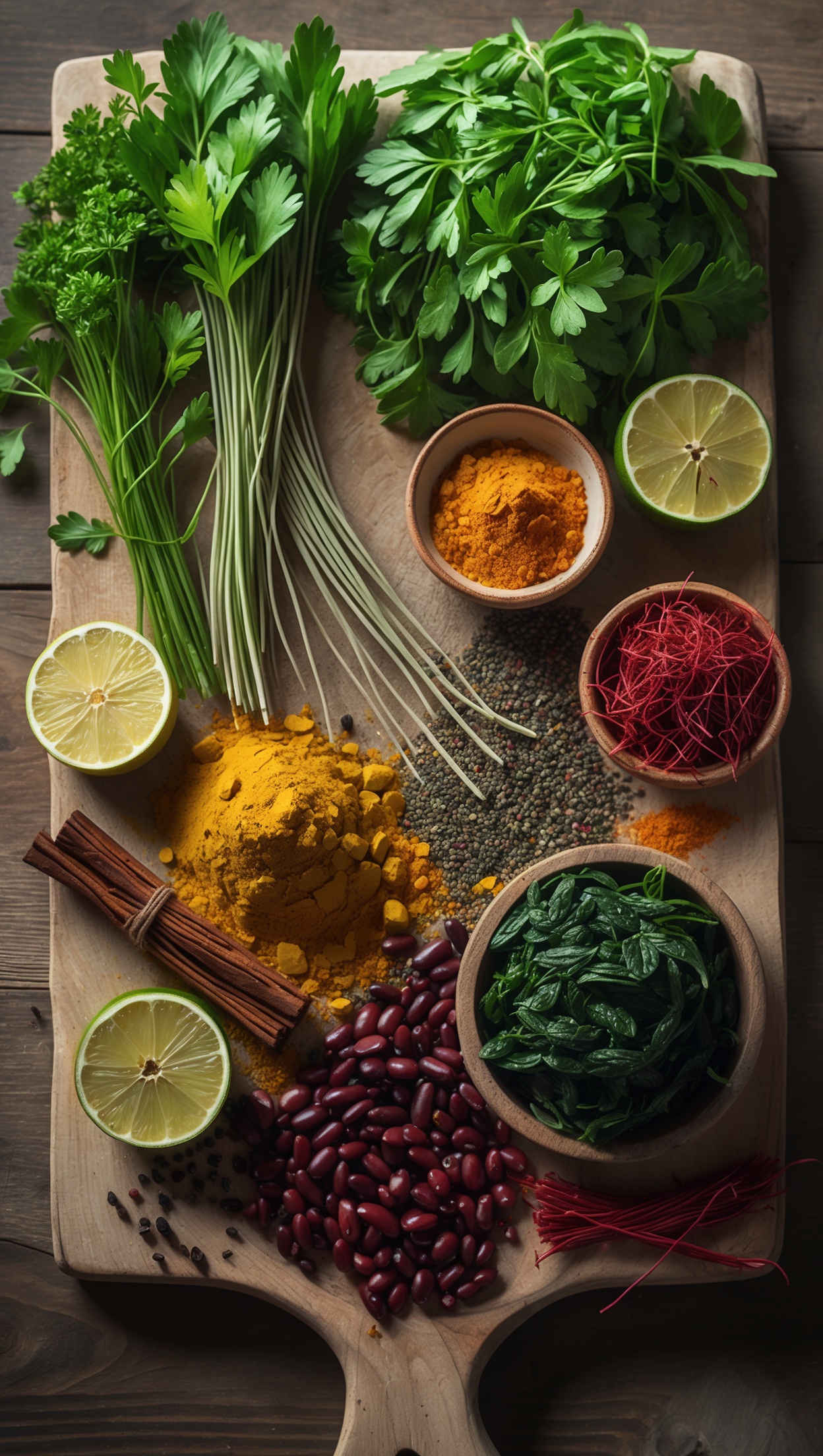
- 1 teaspoon turmeric
- ½ teaspoon cinnamon
- ¼ teaspoon cardamom
- A pinch of saffron — bloomed in 2 tablespoons warm water
- 1 tablespoon honey or sugar — to balance the tartness
- Salt and black pepper to taste
- 400ml chicken or vegetable stock
- Fresh pomegranate seeds — for garnish
Optional Protein Additions
- Bone-in chicken thighs (classic)
- Cubed butternut squash (vegan-friendly)
- Lamb meatballs (richly indulgent)
Step-by-Step Instructions
Step 1 — Toast and Grind the Walnuts
Place walnut halves in a dry skillet over medium heat. Toast for 4–5 minutes, stirring constantly, until golden and fragrant. Be careful not to burn them — the line between perfectly toasted and bitter is thin. Transfer to a food processor and blitz until you have a fine, slightly oily crumb. This is the backbone of your sauce, so do not rush it.
Step 2 — Build the Onion Base
In a heavy-bottomed pot, warm the olive oil over medium heat. Add the sliced onion and cook slowly for 15–20 minutes until deeply golden and caramelized. This step is where enormous flavor is built. Add the turmeric, cinnamon, and cardamom, and stir for one minute until fragrant.
Step 3 — Add Walnuts and Liquid
Stir the ground walnuts into the onion mixture. Add the stock gradually, stirring to combine. The mixture will thicken quickly. Add the bloomed saffron water — this adds color and a distinctive floral note that is absolutely essential to Fesenjan's character.
Step 4 — Add Pomegranate Molasses
Pour in the pomegranate molasses and stir well. Taste the sauce — it should be pleasingly tart with a deep nuttiness. Add honey or sugar to balance if needed. Let the stew simmer on the lowest heat for at least 30–40 minutes, stirring regularly. The walnut oil will gradually rise to the surface, which is a sign that the sauce is ready.
Step 5 — Add Protein (If Using)
If using chicken thighs, brown them separately in a hot pan and add to the stew at Step 3, simmering together for 45 minutes. For butternut squash, add cubed pieces at Step 4 and cook until tender. Adjust seasoning before serving.
Step 6 — Serve and Garnish
Spoon the Fesenjan generously over fluffy saffron rice. Scatter fresh pomegranate seeds across the top and finish with a light dusting of cinnamon. The ruby-red seeds against the deep walnut sauce make for one of the most visually striking plates in world cuisine.
Tips for the Best Fesenjan
- Low and slow is everything. The longer the stew simmers, the deeper and more integrated the flavors become. One hour is good; ninety minutes is better.
- Balance is key. Fesenjan lives in the tension between tart and sweet. Taste and adjust the pomegranate molasses and honey until the sauce sings.
- Use quality saffron. Saffron is not optional in an authentic preparation. A small pinch bloomed in warm water adds color, aroma, and depth that nothing else replicates.
- Toast those walnuts. Raw walnuts will give a slightly bitter, flat result. Toasting brings out oils and sweetness that transform the sauce.
Why This Dish Belongs in Your Kitchen
Fesenjan is one of those rare recipes that feels simultaneously ancient and utterly modern. It is naturally gluten-free, easily made vegan, and wildly impressive for dinner parties. The flavors are bold enough to stand on their own while being nuanced enough to reward careful attention.
For the spices in this recipe — particularly the saffron, cardamom, and cinnamon — quality matters enormously. Sourcing high-grade spices will genuinely transform the result. The bloomed saffron alone should fill your kitchen with a warm, honeyed aroma the moment it hits the hot liquid.
Serving Suggestions
- Serve over saffron chelo rice for a fully traditional Persian experience
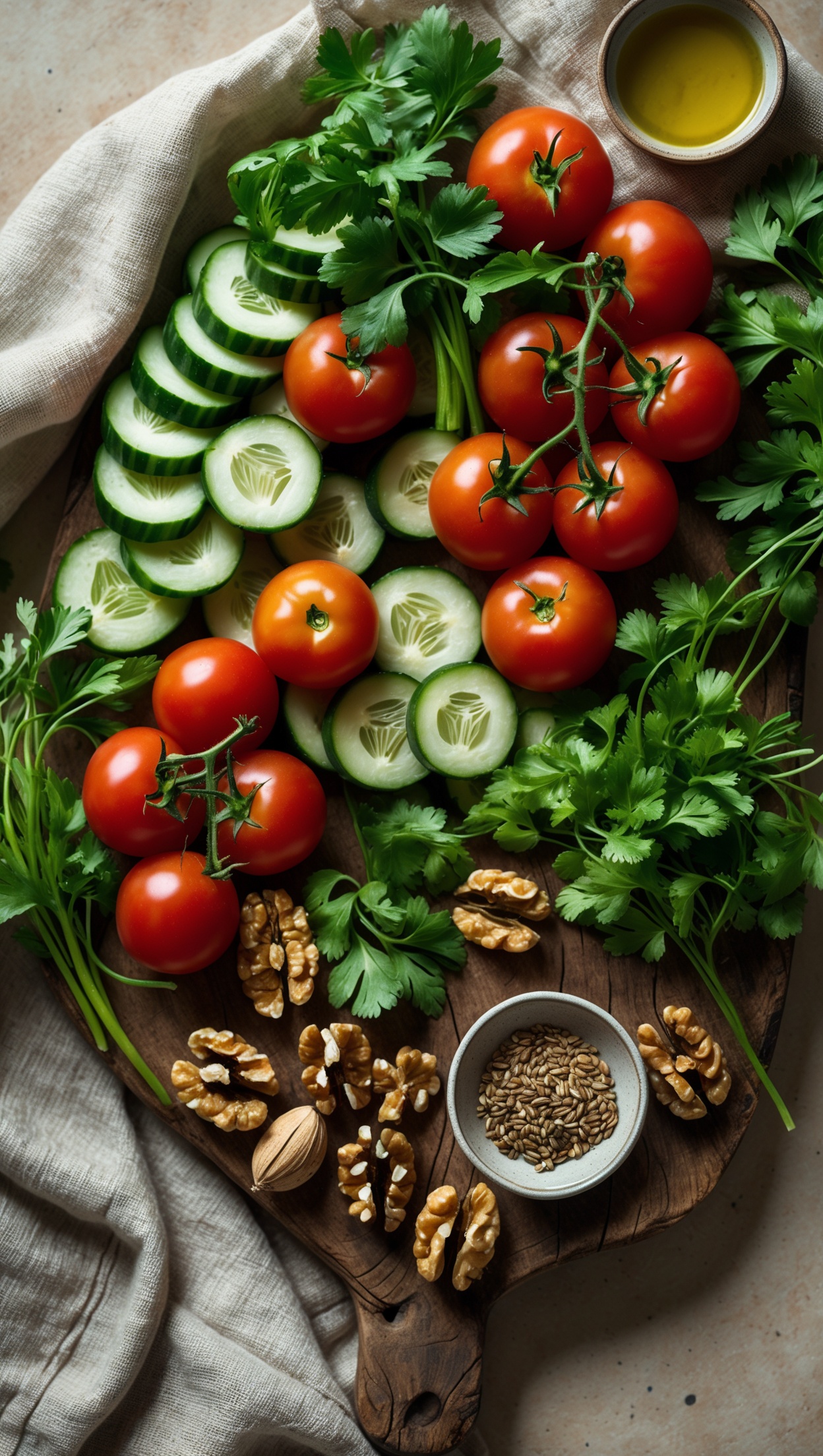
- Pair with a simple Shirazi salad of cucumber, tomato, and fresh herb
- Offer warm flatbread alongside to scoop up every last drop of the sauce
- A glass of dry red wine — something with good acidity and fruit — makes an exceptional pairing
A Note on Pomegranate Molasses
If you cannot find pomegranate molasses locally, you can make your own by reducing fresh pomegranate juice with a little lemon juice and sugar over low heat until syrupy. However, the real thing — thick, dark, and intensely flavored — is always preferable and worth seeking out at a Middle Eastern grocer or specialty food shop.
For the perfect wine pairing with this dish, Hawesko offers an outstanding selection of premium wines to complement every recipe. For the finest spices and seasonings to elevate your cooking, Gewürzland has everything you need.