Authentic Ghormeh Sabzi — The Crown Jewel of Persian Cuisine
If there is one dish that holds a sacred place in Persian culinary tradition, it is Ghormeh Sabzi. Often described as Iran's national dish, this deeply aromatic herb stew has been warming homes and hearts for centuries. The name itself translates loosely to cooked herbs, and that simple description barely scratches the surface of its complex, layered flavour profile. Whether you are already a fan of Middle Eastern cooking or simply curious about new culinary experiences, this authentic Ghormeh Sabzi recipe will not disappoint.
What Is Ghormeh Sabzi?
Ghormeh Sabzi is a slow-cooked Persian herb stew traditionally made with a generous combination of sautéed fresh herbs, kidney beans, dried Persian limes (limoo amani), and tender braised meat. The result is a dish that is simultaneously earthy, tangy, savoury and deeply satisfying. It is typically served over fluffy Persian saffron rice (chelow) and is a staple at Iranian family gatherings, Nowruz celebrations and festive feasts.
What makes Ghormeh Sabzi truly unique is the abundance of fresh herbs used — far more than in most Western stews. The herbs are not just a garnish; they ARE the dish. The long, slow cooking process transforms them into a dark, rich, intensely flavoured base that is unlike anything else in world cuisine.
Key Ingredients for Authentic Ghormeh Sabzi
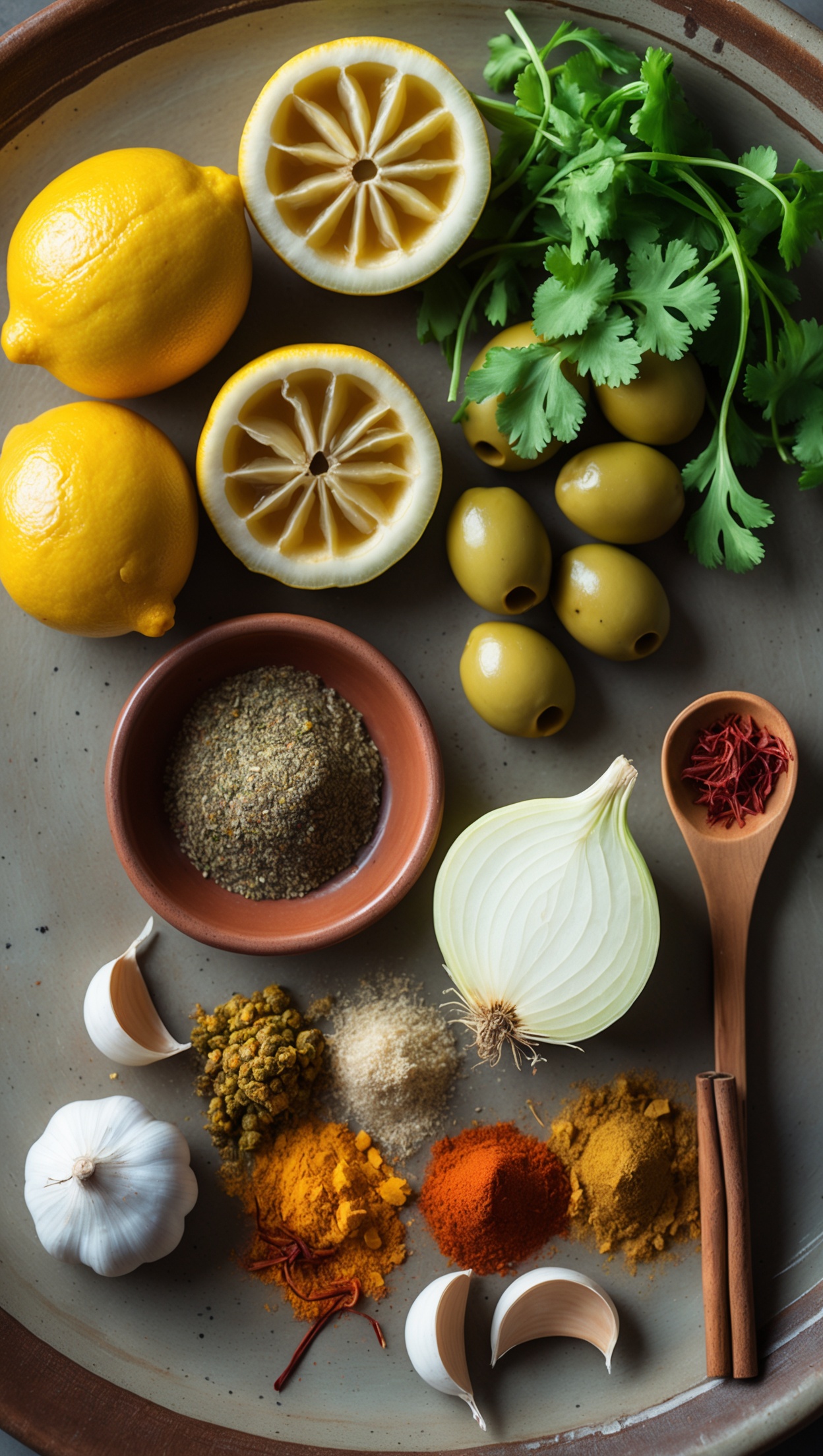
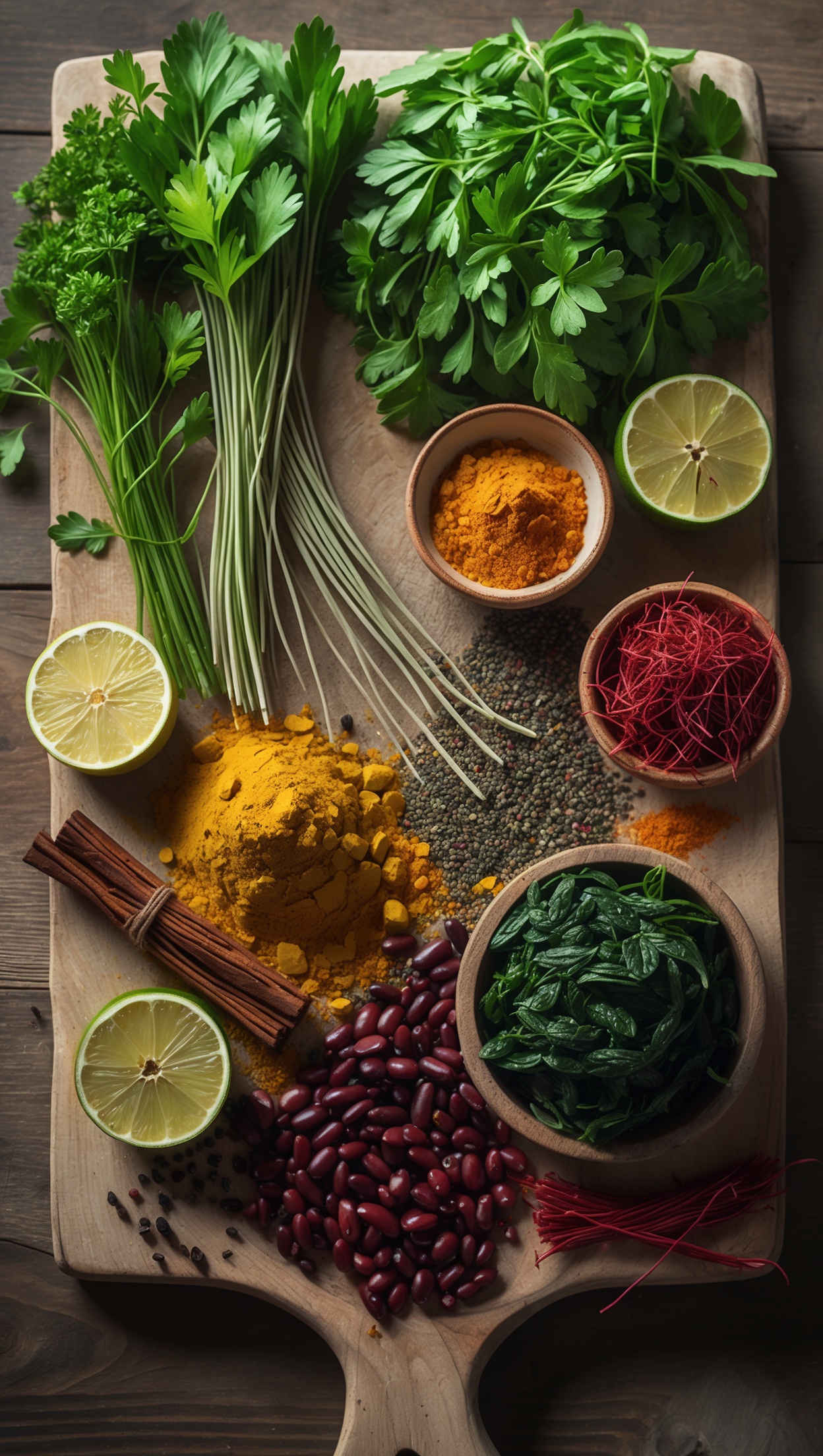
- Fresh herbs: Flat-leaf parsley, fenugreek (shambalileh), dried chives or spring onions, and sometimes spinach
- Dried Persian limes (limoo amani): These are non-negotiable — they provide the dish's signature sour, smoky tang
- Kidney beans: Soaked overnight for the best texture
- Turmeric: A generous amount for warmth and colour
- Saffron: A pinch dissolved in warm water adds depth and aroma
- Onion: Finely diced and slowly golden-fried
- Meat: Traditionally lamb or beef, cut into bite-sized cubes
- Salt, black pepper and cinnamon
The Secret: Sautéing Your Herbs Low and Slow
The single most important step in making authentic Ghormeh Sabzi is properly sautéing your herbs. This process — known as taftaan — involves cooking the finely chopped herbs in a generous amount of oil over medium-low heat for anywhere between 20 and 40 minutes, stirring regularly. The herbs should darken significantly and become almost dry. This step concentrates their flavour and creates that characteristic deep, forest-green colour. Do not rush it. This patience is what separates an authentic Ghormeh Sabzi from a disappointing imitation.
For the best results, use dried fenugreek alongside fresh parsley and chives. The fenugreek adds a slightly bitter, nutty complexity that is absolutely essential to the dish's authentic character. Sourcing high-quality, fragrant dried fenugreek can make all the difference — for this, Gewürzland is a fantastic resource for premium dried herbs that retain their full aromatic potency.
Step-by-Step Recipe
Ingredients (Serves 4–6)
- 400g lamb or beef, cubed
- 400g fresh flat-leaf parsley, finely chopped
- 200g fresh chives or spring onions, finely chopped
- 3 tbsp dried fenugreek leaves
- 200g fresh spinach (optional), finely chopped
- 1 large onion, finely diced
- 250g kidney beans, soaked overnight
- 4–5 dried Persian limes, pierced with a fork
- 1 tsp ground turmeric
- 1 pinch saffron dissolved in 2 tbsp warm water
- ½ tsp cinnamon
- Salt and black pepper to taste
- 4 tbsp vegetable oil
Method
- Step 1: Heat 2 tablespoons of oil in a large pot over medium heat. Add the diced onion and cook until deeply golden, around 15–20 minutes. Add the turmeric and stir well.
- Step 2: Add the meat cubes to the pot and brown on all sides. Season with salt, black pepper and cinnamon. Add enough water to cover, then bring to a boil. Reduce heat to low and let it simmer for 45 minutes.
- Step 3: Meanwhile, heat the remaining oil in a large frying pan. Add all the chopped fresh herbs and dried fenugreek. Sauté over medium-low heat for 25–35 minutes, stirring frequently, until the herbs are deeply darkened and aromatic. This is the soul of the dish.
- Step 4: Add the sautéed herbs, drained kidney beans and pierced Persian limes to the meat pot. Stir gently to combine.
- Step 5: Add the saffron water, then top up with a little more water if needed. Cover and simmer over low heat for a further 60–90 minutes, or until the beans are tender and the flavours are deeply melded.
- Step 6: Taste and adjust seasoning. The stew should be tangy, rich and deeply herby. Serve with Persian saffron rice.
Tips for the Best Ghormeh Sabzi
- Make it ahead: Like many slow-cooked stews, Ghormeh Sabzi tastes even better the next day once the flavours have had time to develop further.
- Dried Persian limes: If you cannot find them at a Middle Eastern grocery store, you can substitute with a squeeze of lime juice and a small piece of dried lemon zest, though the flavour will be slightly different.
- Vegetarian version: Simply omit the meat and double the kidney beans for a hearty plant-based version that loses nothing in character.
- Freezer-friendly: This dish freezes beautifully and is perfect for batch cooking.
Serving Suggestions
Ghormeh Sabzi is traditionally served alongside chelow — Persian steamed saffron rice with a crispy golden crust (tahdig). A side of creamy yoghurt (mast) and fresh radishes rounds out the meal beautifully. For a full Persian feast, pair it with a crisp cucumber and tomato salad (salad shirazi).
A Dish Worth the Time
Ghormeh Sabzi is not a dish you make when you are short on time. It rewards patience, quality ingredients and care. But the result — that gloriously dark, tangy, herb-rich stew ladled over fragrant saffron rice — is absolutely worth every minute. Once you make it, it will become a regular feature on your table.
For the perfect wine pairing with this dish, Hawesko offers an outstanding selection of premium wines to complement every recipe. For the finest spices and seasonings to elevate your cooking, Gewürzland has everything you need.