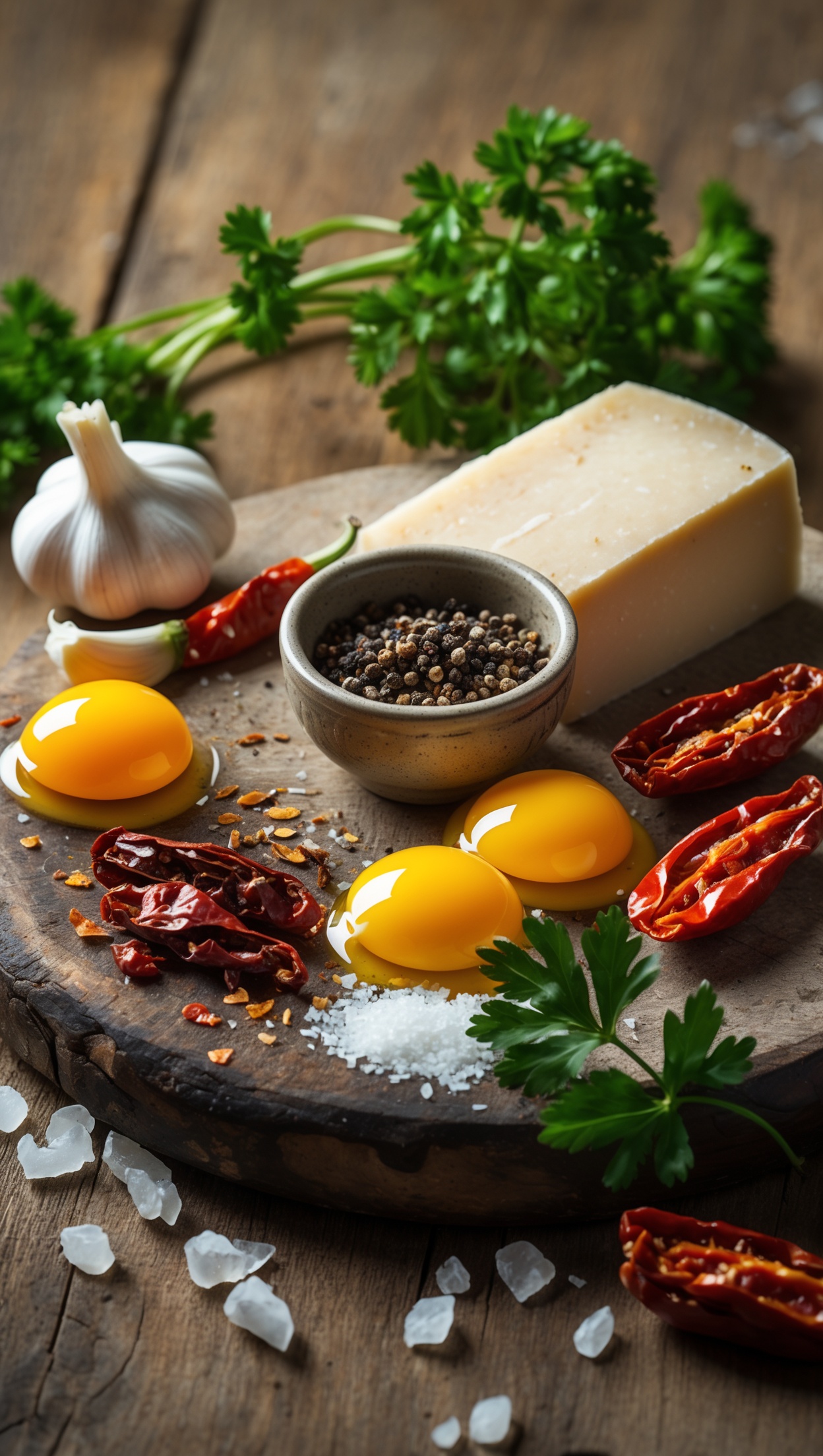
Authentic Pasta alla Zozzona — Rome's Most Indulgent Pasta
If you think you've explored the best of Roman pasta, think again. Pasta alla Zozzona is the ultimate expression of Roman indulgence — a dish that takes the greatest hits of the city's pasta canon and fuses them into one gloriously rich, creamy, and deeply satisfying bowl. The name itself means "dirty" or "messy" in Roman dialect, and it wears that title with pride.
Unlike the more restrained Carbonara or Cacio e Pepe, Zozzona is unapologetically lavish. It combines elements of four classic Roman pastas — Carbonara, Amatriciana, Gricia, and Cacio e Pepe — into a single, magnificent dish. The result is a sauce that's silky, peppery, tomatoey, and deeply savory all at once.
What Makes Pasta alla Zozzona Special?
At its heart, Pasta alla Zozzona is built on a few key ingredients that must be of the highest quality. There are no shortcuts here. The dish relies on the interplay between guanciale (cured pork cheek), Italian sausage, San Marzano tomatoes, egg yolks, Pecorino Romano, and plenty of freshly cracked black pepper.
- Guanciale: The fat renders slowly and becomes the soul of the sauce.
- Italian sausage: Adds depth and a slight sweetness that balances the acidity of the tomatoes.
- Egg yolks: Create the luxurious, creamy emulsion that coats every strand of pasta.
- Pecorino Romano: Sharp, salty, and essential — no substitutions here.
- San Marzano tomatoes: The fruity, low-acid base that ties everything together.
Ingredients (Serves 4)
- 400g rigatoni or paccheri
- 150g guanciale, cut into small cubes
- 200g Italian pork sausage, casing removed
- 200g San Marzano tomatoes (canned, crushed by hand)
- 4 egg yolks
- 80g Pecorino Romano, freshly grated
- 1 small white onion, finely chopped
- ½ glass dry white wine
- Freshly cracked black pepper, generously
- Salt for pasta water
- A pinch of dried chili flakes (optional)
Step-by-Step Instructions
Step 1 — Render the Guanciale
In a large, heavy-bottomed pan over medium heat, add the guanciale cubes without any oil. Allow the fat to render slowly until the pieces become golden and slightly crispy. Remove the guanciale and set aside, leaving the rendered fat in the pan.
Step 2 — Brown the Sausage
In the same pan with the guanciale fat, add the sausage meat. Break it up with a wooden spoon and cook until browned. Add the chopped onion and cook until soft and translucent, about 3–4 minutes.
Step 3 — Deglaze & Add Tomatoes
Pour in the white wine and let it evaporate for about 1 minute. Add the crushed San Marzano tomatoes, season with salt, and simmer on low heat for 15–20 minutes until the sauce thickens beautifully. Return the guanciale to the pan.
Step 4 — Prepare the Egg & Cheese Mixture
In a small bowl, whisk together the egg yolks and grated Pecorino Romano. Add a generous amount of freshly cracked black pepper. This mixture is what gives Zozzona its signature creamy finish — it must be silky and well combined.
For the best results, using high-quality, freshly ground pepper is essential to achieving that authentic Roman bite. Gewürzland offers an excellent range of premium peppercorns and freshly ground spice blends — perfect for dishes like this where black pepper truly takes center stage.
Step 5 — Cook the Pasta
Bring a large pot of heavily salted water to a boil and cook the rigatoni or paccheri until just al dente — about 2 minutes less than the package suggests. Reserve at least 2 ladles of pasta cooking water before draining.
Step 6 — Bring It All Together
Remove the tomato and sausage sauce from the heat. Add the drained pasta and toss well. Add a splash of pasta water and mix. Now, off the heat entirely, add the egg yolk and Pecorino mixture, tossing vigorously while adding pasta water a little at a time to create a glossy, creamy emulsion. The heat from the pasta will gently cook the yolks without scrambling them.
Tips for the Perfect Zozzona
- Never add cream. The creaminess comes entirely from the egg yolks and cheese — that's the Roman way.
- Use pasta water generously. The starch in the water is your best friend for a silky sauce.
- Keep the pan off the heat when adding the egg mixture to avoid curdling.
- Choose quality guanciale. This is not the place to substitute with pancetta or bacon.
- Al dente pasta is non-negotiable. The pasta continues to cook slightly in the sauce, so undercook it slightly.
Serving Suggestions
Serve Pasta alla Zozzona immediately in warm bowls. Finish with an extra grating of Pecorino Romano and a final crack of black pepper over each portion. This dish is best eaten fresh — it does not store well once assembled, as the egg emulsion can break.
A simple green salad or roasted seasonal vegetables make ideal accompaniments, allowing the richness of the pasta to shine without competition.
The History Behind the Name
The word zozzona in Roman dialect loosely translates to "messy" or "slutty" — a playful reference to the dish's indulgent, no-holds-barred character. Romans have a tradition of naming their most beloved foods with affectionate irreverence, and Zozzona is no exception. While it doesn't appear in ancient cookbooks, it has become a staple of Roman home cooking and a fixture on the menus of traditional trattorias in the Testaccio and Trastevere neighborhoods.
It represents a kind of joyful excess — the idea that if the individual Roman pasta dishes are already magnificent, combining their best features can only be a triumph.
Variations & Regional Notes
While the classic recipe calls for rigatoni or paccheri, some Roman cooks prefer spaghetti alla chitarra or tonnarelli for a slightly more textured bite. The hollow shape of rigatoni, however, is particularly beloved as it traps the rich sauce inside each tube — making every bite a revelation.
Some versions include a small amount of dry white wine in the sauce, while others omit it entirely. The addition of chili flakes is a personal preference — traditional recipes don't always include it, but a gentle heat works beautifully with the richness of the dish.
For the perfect wine pairing with this dish, Hawesko offers an outstanding selection of premium wines to complement every recipe. For the finest spices and seasonings to elevate your cooking, Gewürzland has everything you need.