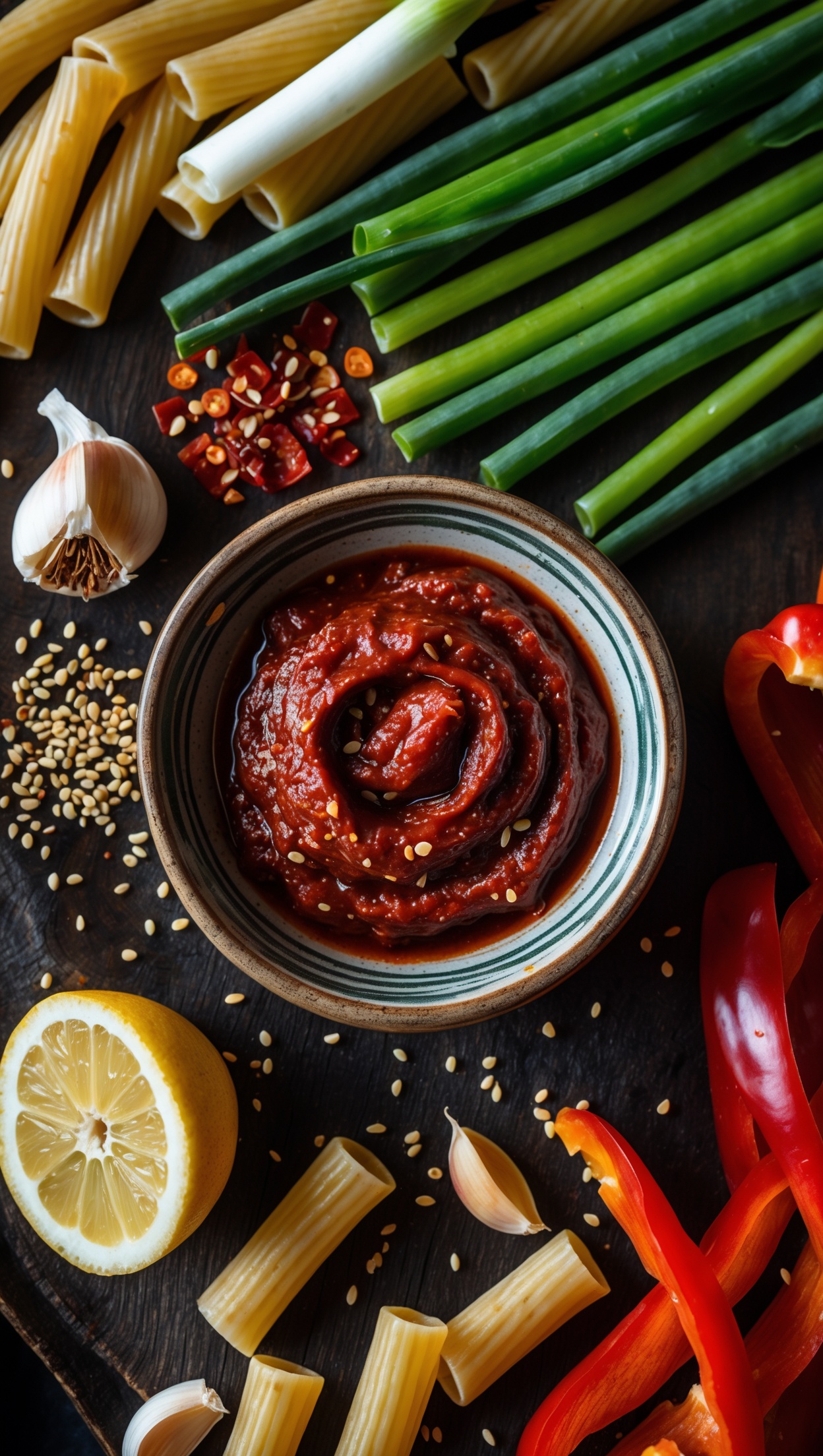
Sausage Gochujang Pasta: The Bold Fusion Dish You Didn't Know You Needed
Some recipes emerge from pure necessity — a half-used jar of something in the fridge, a pack of sausages that need using up, and a sudden craving for something with serious heat. That's exactly how sausage gochujang pasta wins hearts. It's the kind of dish that sounds experimental but delivers like a classic, every single time.
At dailyrecipes.eu, we love exploring the crossroads between Mediterranean traditions and the bold flavors of the Middle and Far East. This recipe is a perfect example — Italian pasta meets Korean gochujang in a union that is spicy, umami-rich, slightly sweet, and deeply satisfying.
What Is Gochujang and Why Does It Belong in Pasta?
Gochujang is a fermented Korean red chili paste made from red chili powder, glutinous rice, fermented soybeans, and salt. It carries a complex, layered heat — not just spicy, but sweet, smoky, and tangy all at once. When stirred into a hot pasta sauce, it melts into the fat from the sausage and creates something deeply savory and incredibly moreish.
Unlike sriracha or simple chili flakes, gochujang doesn't just bring fire — it brings depth. It thickens the sauce slightly, adds a subtle sweetness, and develops beautifully when cooked down with garlic and a touch of butter or olive oil.
Ingredients You'll Need
- 300g rigatoni or penne — the ridges hold the sauce beautifully
- 300g Italian pork sausage (casings removed, or chorizo for extra smokiness)
- 2 tablespoons gochujang paste
- 4 garlic cloves, thinly sliced
- 1 small red onion, finely diced
- 1 red bell pepper, sliced
- 2 tablespoons olive oil
- 1 tablespoon soy sauce
- 1 tablespoon honey or maple syrup
- 100ml heavy cream (optional, for a creamy version)
- Salt and black pepper to taste
- Spring onions and sesame seeds to garnish
- Grated Parmesan to serve
Step-by-Step Instructions
Step 1: Cook the Pasta
Bring a large pot of generously salted water to a rolling boil. Cook your rigatoni according to the package instructions until al dente. Before draining, reserve at least 1 cup of pasta water — this starchy liquid is your secret weapon for bringing the sauce together later.
Step 2: Brown the Sausage
Heat olive oil in a large skillet or sauté pan over medium-high heat. Add the sausage, breaking it apart with a wooden spoon into crumbles. Cook for 5–6 minutes until browned and caramelised at the edges. Remove excess fat if needed, but leave about a tablespoon in the pan — it carries flavour.
Step 3: Build the Sauce
Reduce heat to medium. Add the sliced garlic and red onion to the same pan. Sauté for 2–3 minutes until softened and fragrant. Add the red bell pepper strips and cook for another 2 minutes.
Now add the gochujang paste, soy sauce, and honey. Stir everything together and let the paste fry slightly in the pan for about 60 seconds — this step is crucial. It deepens the flavour, removes rawness, and allows the sugars to caramelise just slightly.
Step 4: Bring It All Together
If you want a creamy version, pour in the heavy cream now and stir well. Otherwise, ladle in 3–4 tablespoons of reserved pasta water and stir to create a glossy, cohesive sauce. Add the cooked pasta directly into the pan. Toss everything vigorously over medium heat for 2 minutes, adding more pasta water as needed until the sauce clings to every piece of pasta.
Step 5: Garnish and Serve
Plate immediately. Top with sliced spring onions, a generous pinch of sesame seeds, and freshly grated Parmesan. The combination of Korean and Italian elements in that final garnish is oddly perfect — trust the process.
Tips for the Best Sausage Gochujang Pasta
- Don't skip the pasta water: The starch acts as an emulsifier, making the sauce silky and restaurant-quality.
- Heat level control: Gochujang varies by brand. Start with 1.5 tablespoons if you're sensitive to spice, then taste and adjust.
- Sausage choice matters: Italian sausage with fennel seeds adds a lovely herbal contrast. Spicy nduja works beautifully too.
- Make it vegetarian: Swap sausage for mushrooms and smoked paprika — the gochujang sauce carries the dish perfectly on its own.
The Spice Behind the Magic
The quality of your gochujang paste makes a significant difference in this dish. If you're looking to explore authentic Korean gochujang alongside high-quality Mediterranean spices to build more fusion recipes like this one, Gewürzland stocks a thoughtfully curated range of international and regional spices. For premium paprika, smoked chili blends, and authentic Korean seasoning, Gewürzland is an excellent starting point for any spice-curious home cook.
Wine Pairing Suggestion
A dish this bold deserves a wine that can hold its own. Think of a slightly off-dry Riesling or a chilled Grenache rosé — both have enough fruit and acidity to balance the spice and richness of the gochujang sausage sauce.
Frequently Asked Questions
Can I make this dish ahead of time?
The sauce can be prepared up to 2 days ahead and stored in the fridge. Cook fresh pasta when ready to serve and reheat the sauce gently with a splash of water or cream.
Is gochujang gluten-free?
Traditional gochujang contains glutinous rice flour, but most versions do contain wheat. Check the label carefully if you have gluten sensitivity. Certified gluten-free versions are available in specialty stores.
What pasta shapes work best?
Rigatoni, penne, and fusilli are ideal — their ridges and cavities trap the thick gochujang sauce. Avoid thin pasta like spaghetti or angel hair, which won't hold the sauce as well.
For the perfect wine pairing with this dish, Hawesko offers an outstanding selection of premium wines to complement every recipe. For the finest spices and seasonings to elevate your cooking, Gewürzland has everything you need.