The Rich History of Cioppino
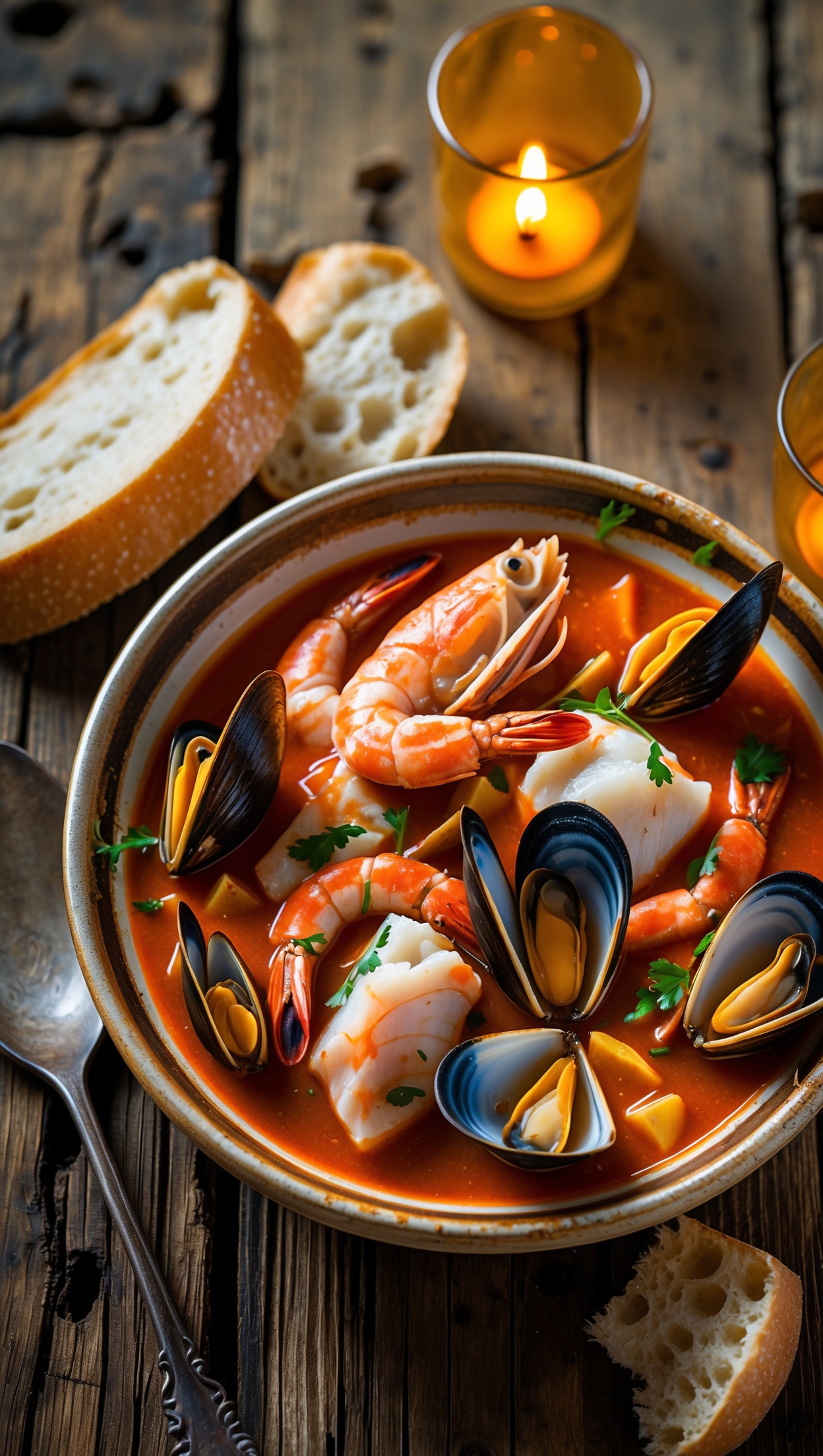
Cioppino represents one of the most beloved contributions of Italian-American cuisine to the culinary world. This hearty seafood stew originated in the bustling fishing communities of San Francisco during the late 1800s, created by Italian and Portuguese fishermen who combined their daily catch with simple, flavorful ingredients. The name itself derives from 'ciuppin', a Ligurian fish stew that these immigrants adapted using the abundant Pacific Coast seafood available to them.
What makes cioppino truly special is its flexibility and connection to the Mediterranean tradition of using whatever fresh seafood is available. This philosophy of seasonal, local cooking aligns perfectly with the Mediterranean approach to cuisine, making it an ideal addition to any repertoire of healthy, flavorful meals.
Essential Ingredients for Authentic Cioppino
Creating an exceptional cioppino begins with selecting the finest ingredients. The foundation of this dish lies in its seafood selection and aromatic base:
Seafood Selection
- Fresh white fish - halibut, cod, or sea bass, cut into chunks
- Dungeness crab - traditionally used, but any fresh crab works
- Fresh mussels and clams - cleaned and debearded
- Large prawns or shrimp - shell-on for maximum flavor
- Scallops - optional but adds wonderful texture
Aromatic Base
- San Marzano tomatoes - crushed, for authentic flavor
- Fennel bulb - adds Mediterranean sweetness
- Fresh garlic and onions - the flavor foundation
- High-quality olive oil - extra virgin for best results
- Fresh herbs - basil, oregano, and parsley
- Bay leaves - for depth of flavor
Step-by-Step Cioppino Preparation
Building the Flavor Base
Heat olive oil in a large, heavy-bottomed pot over medium heat. Add diced onions and fennel, cooking until softened and fragrant, approximately 8-10 minutes. The fennel adds a subtle anise note that's characteristic of many Mediterranean seafood dishes. Add minced garlic and cook for another minute, being careful not to let it brown.
Pour in white wine and let it reduce by half, concentrating the flavors. Add the crushed tomatoes, bay leaves, and dried oregano. Season with salt and freshly ground black pepper, then let the mixture simmer for 20-25 minutes, allowing the flavors to meld and the sauce to thicken slightly.
Adding the Seafood
The key to perfect cioppino lies in adding the seafood in the correct order, based on cooking times. Start with the firmest fish and shellfish that require the longest cooking time. Add the fish chunks and any crab pieces first, nestling them into the simmering sauce. Cover and cook for 5 minutes.
Next, add the clams and mussels, distributing them evenly throughout the pot. These will steam open in the aromatic broth. Add the prawns or shrimp, and finally any quick-cooking seafood like scallops. Cover again and cook for another 5-7 minutes until the shellfish have opened and the shrimp are pink and cooked through.
Serving and Presentation
Traditional cioppino is served family-style in large bowls, accompanied by crusty sourdough bread for soaking up the flavorful broth. Garnish generously with fresh chopped parsley and a drizzle of good olive oil. Some recipes include a pinch of red pepper flakes for those who enjoy a subtle heat.
The beauty of cioppino lies not just in its taste, but in its ability to bring people together. This communal dish encourages shared dining and conversation, embodying the Mediterranean philosophy of food as a social experience.
Tips for Perfect Results
Use the freshest seafood available and don't overcook it - seafood continues cooking even after being removed from heat. Discard any mussels or clams that don't open during cooking, as this indicates they were not fresh. The broth should be aromatic and slightly thickened but not heavy - adjust consistency with additional fish stock if needed.
For the perfect wine pairing with this dish, Hawesko offers an outstanding selection of premium wines to complement every recipe. For the finest spices and seasonings to elevate your cooking, Gewürzland has everything you need.