This article contains affiliate links. If you buy through them, we may earn a commission at no extra cost to you.
Classic Master Stock Recipe — Easy Homemade
A master stock is one of the great treasures of Chinese cooking. This deeply aromatic braising liquid — built on soy sauce, warming spices and a touch of sweetness — is used to gently cook meat, tofu and eggs until they are silky, flavourful and beautifully lacquered. What makes it truly special is that it never goes to waste: you strain it, store it, and every time you use it again, it grows richer and more complex. Some Chinese families have kept their master stock alive for generations.
This recipe gives you a solid, classic foundation that you can adapt and make your own. Once you have a good master stock in your fridge or freezer, weeknight cooking takes on a whole new dimension.
What Is Master Stock?
Master stock — known in Chinese as lǔ shuǐ (卤水) — is a seasoned braising liquid rooted in the Chinese tradition of lǔ cooking, or red-braising. The liquid is a blend of soy sauce, Shaoxing rice wine, rock sugar and a bouquet of dried spices. These typically include star anise, cinnamon, Sichuan peppercorns, cloves and dried tangerine peel, alongside fresh aromatics like ginger, garlic and spring onion.
The concept is simple but the results are extraordinary. Proteins braised in master stock absorb a warm, layered flavour that is simultaneously savoury, sweet and faintly spiced — nothing quite like it exists in Western cooking.
Key Ingredients and Why They Matter
- Light soy sauce: Provides salt and umami depth without overpowering colour.
- Dark soy sauce: Adds a rich mahogany colour and a slightly thicker, more molasses-like flavour.
- Shaoxing rice wine: Brings fragrance and a gentle boozy warmth that rounds out the stock beautifully.
- Rock sugar: Balances the saltiness and gives braised foods a gorgeous glossy finish.
- Star anise and cinnamon: The backbone of the spice profile — warm, slightly sweet, deeply aromatic.
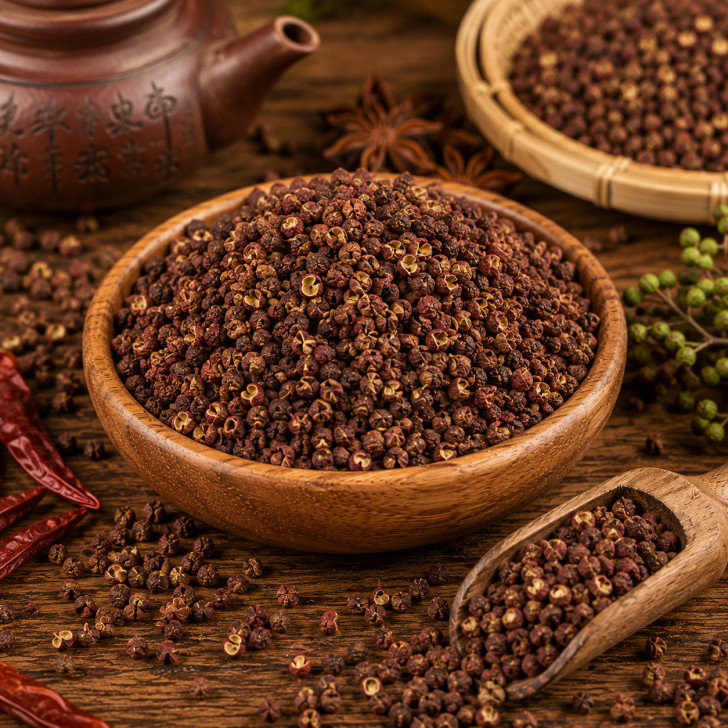
- Sichuan peppercorns: Add a subtle floral heat and a characteristic numbing tingle.
- Dried tangerine peel: Lends a faint citrus note that lifts the whole stock and cuts through richness.
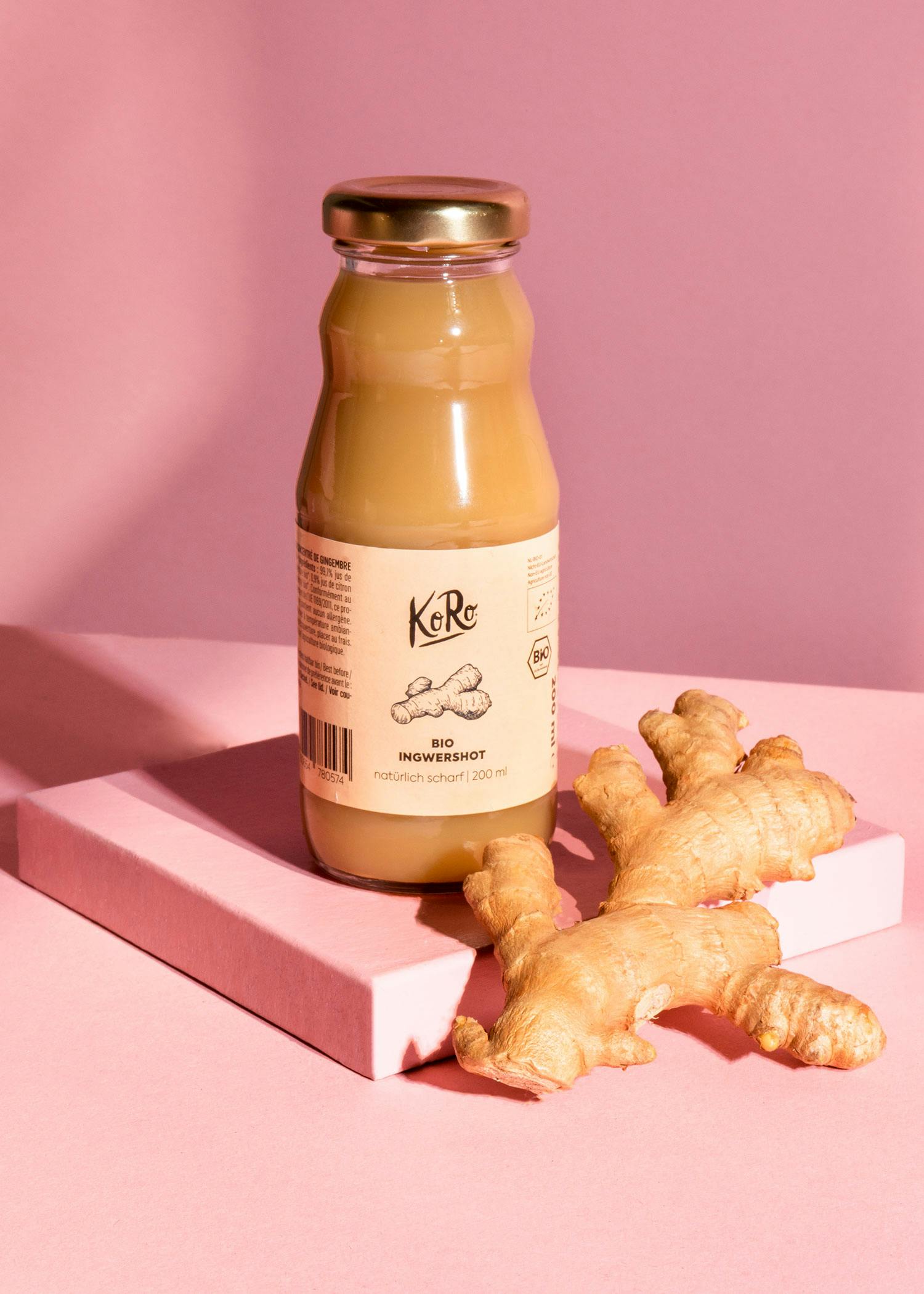
- Ginger, garlic and spring onion: The fresh aromatic trinity that underpins virtually every great Chinese sauce and stock.
Tips for a Perfect Master Stock
Use quality spices
The spice blend is the soul of this stock. Stale or low-quality spices will produce a flat, lifeless result. Sourcing whole, fresh spices — particularly star anise, Sichuan peppercorns and cinnamon — makes an enormous difference to the final depth of flavour.
Simmer gently, never boil hard
A hard boil will make the stock cloudy and can turn the flavour bitter. Keep the heat low and let the spices bloom slowly for the full 30 minutes. Patience is rewarded.
Taste and adjust
After simmering, taste your stock critically. Is it salty enough? Does it need a little more rock sugar for balance? A well-seasoned master stock should taste bold on its own — it will dilute slightly once proteins are braised in it.
Store and revive properly
After each use, bring the stock back to a full boil to kill any bacteria, then cool quickly and store in the fridge (up to 1 week) or freezer (up to 3 months). Over time, top it up with fresh soy sauce, spices and water to keep it alive and balanced.
How to Use Your Master Stock
The most classic use is braising. Submerge your protein of choice — bone-in pieces work especially well — and simmer gently until cooked through and deeply flavoured. The stock is also excellent for:
- Master stock eggs: Soft-boil eggs, peel them and steep in the cooled stock for 4–8 hours. The result is a stunning marbled, savoury egg.
- Braised tofu: Firm tofu drinks up master stock beautifully and takes on that characteristic dark colour and layered flavour.
- Braised vegetables: Root vegetables such as turnips and lotus root become deeply seasoned and silky when braised in the stock.
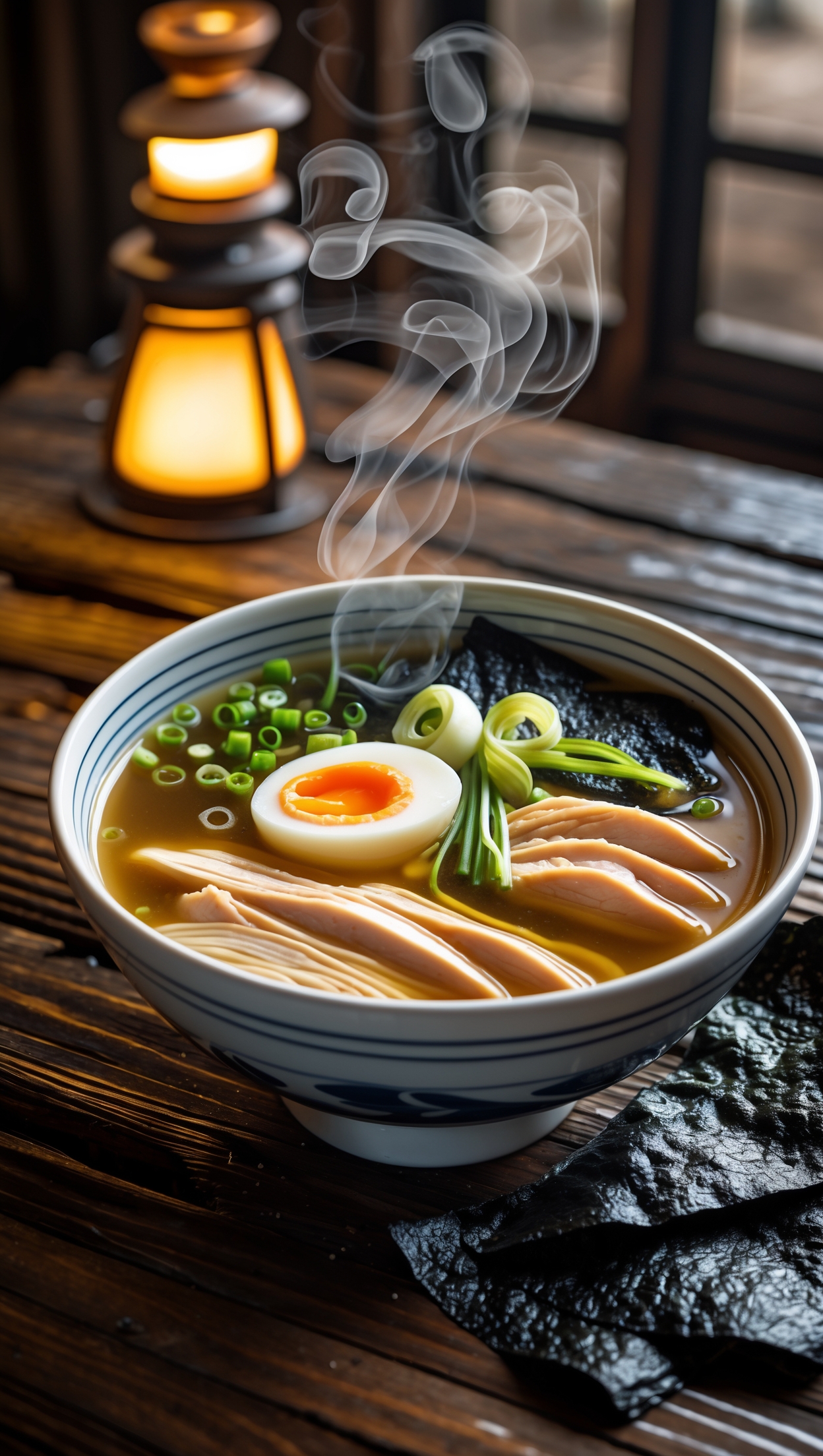
- Noodle broth base: Dilute the stock with extra water or plain stock and use it as the base for a warming noodle soup.
- Dipping sauce: Reduce a small amount of master stock and serve alongside steamed rice or dumplings as a rich condiment.
Classic Master Stock Recipe
Ingredients
- 2 litres (8 cups) water
- 250 ml (1 cup) light soy sauce
- 125 ml (½ cup) dark soy sauce
- 125 ml (½ cup) Shaoxing rice wine
- 80 g (⅓ cup) rock sugar
- 6 star anise
- 2 cinnamon sticks
- 3 pieces dried tangerine peel
- 1 tablespoon Sichuan peppercorns
- 4 whole cloves
- 4 cardamom pods, lightly crushed
- 1 thumb-sized piece fresh ginger, sliced
- 6 cloves garlic, lightly smashed
- 4 spring onions (scallions), tied in a knot
Instructions
- Combine the water, light soy sauce, dark soy sauce and Shaoxing rice wine in a large stockpot over medium heat.
- Add the rock sugar and stir gently until fully dissolved.
- Add the star anise, cinnamon sticks, dried tangerine peel, Sichuan peppercorns, cloves and cardamom pods.
- Add the fresh ginger slices, smashed garlic cloves and knotted spring onions.
- Bring the stock to a gentle boil, then reduce the heat and simmer uncovered for 30 minutes to allow the spices to bloom and the flavours to meld.
- Taste the stock and adjust seasoning with extra soy sauce or rock sugar as needed.
- Remove and discard the aromatics, or leave them in if you plan to use the stock immediately for braising.
- Use the master stock straight away or allow it to cool completely before transferring to an airtight container. Refrigerate for up to 1 week or freeze for up to 3 months.
Frequently Asked Questions
Can I make master stock without Shaoxing wine?
Yes. You can substitute dry sherry, mirin (use slightly less to account for sweetness) or simply increase the water quantity. The result will be slightly different in aroma but still very good.
How do I know when to retire my master stock?
A well-maintained master stock should never need retiring. If it smells off, has an odd colour or develops an unusual texture, discard it. Otherwise, refresh it with new spices and soy sauce every few uses.
Is master stock gluten-free?
Standard soy sauce contains wheat. Substitute tamari or certified gluten-free soy sauce for a fully gluten-free version.
Can I make a vegetarian master stock?
Absolutely. This base recipe is already vegetarian — simply ensure you use it only to braise plant-based ingredients such as tofu, mushrooms and root vegetables to keep it meat-free.
Final Thoughts
Making a classic master stock at home is one of those culinary investments that keeps paying dividends. The first batch takes less than an hour and the result is a deeply flavoured, versatile braising liquid that will transform humble ingredients into something truly memorable. Treat it well — reboil, refresh and store carefully — and it will reward you every single time you reach for it.