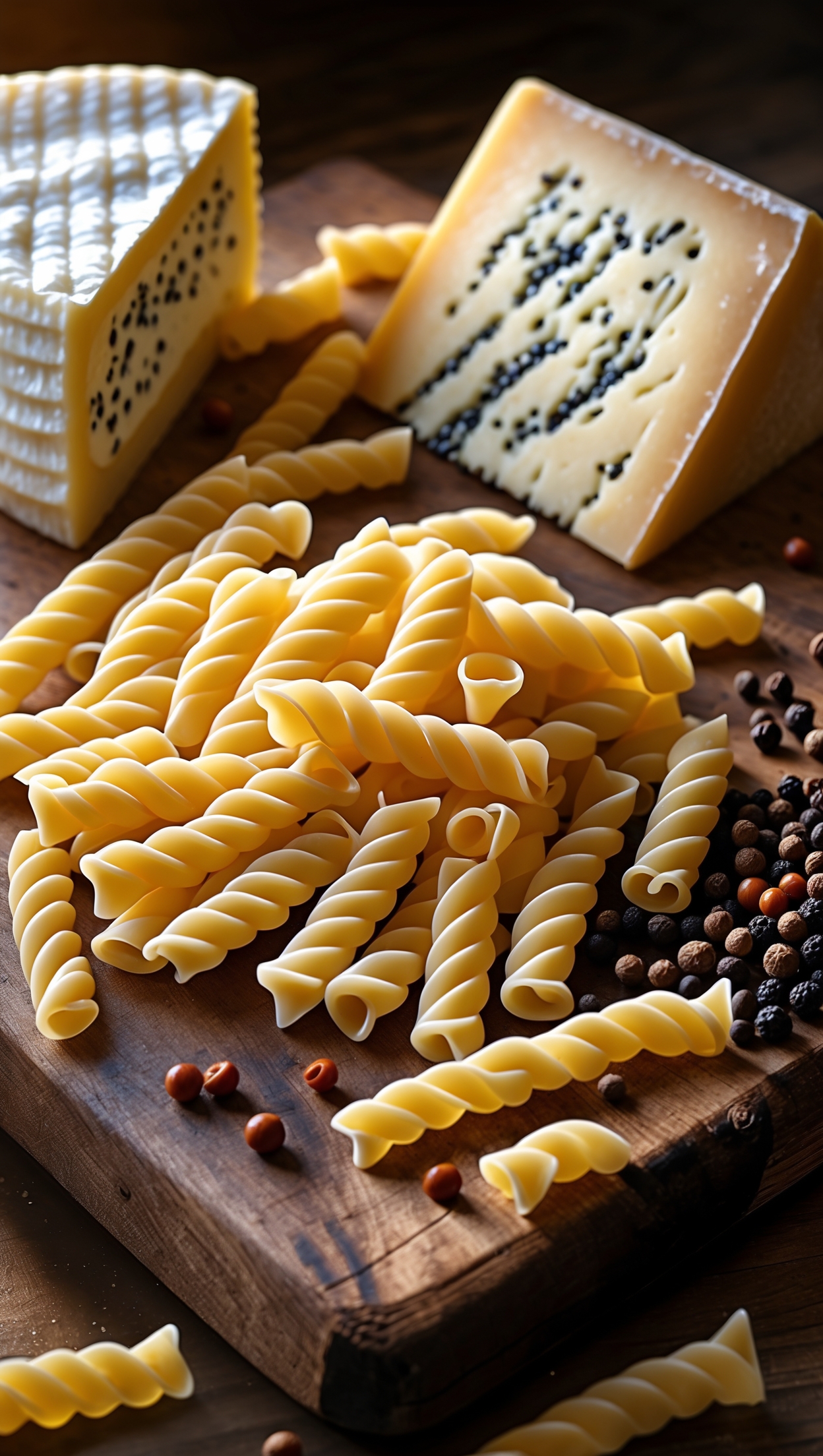
The Magic of Authentic Cacio e Pepe
Cacio e Pepe stands as one of Rome's most beloved pasta dishes, proving that culinary excellence doesn't require complexity. This timeless recipe uses just three ingredients—pasta, Pecorino Romano cheese, and black pepper—to create something truly extraordinary. The magic lies not in what you add, but in the technique that transforms these simple components into silky, creamy perfection.
Dating back centuries, this dish originated in the Roman countryside, where shepherds would carry aged Pecorino cheese and black pepper as portable, long-lasting provisions. Today, Cacio e Pepe represents the pinnacle of Italian cooking philosophy: using the finest ingredients and letting their natural flavors shine through masterful technique.
Essential Ingredients for Perfect Cacio e Pepe
Success with Cacio e Pepe depends entirely on ingredient quality and proper technique. Here's what you'll need:
- Pasta: 400g tonnarelli, spaghetti, or spaghettoni (bronze-die extruded preferred)
- Pecorino Romano: 200g freshly grated (never pre-grated)
- Black pepper: 2-3 teaspoons freshly cracked coarse black pepper
- Salt: For pasta water only
The pasta choice matters significantly. Traditional tonnarelli or thick spaghetti work best because their surface texture helps the cheese sauce cling properly. Bronze-die extruded pasta creates the ideal rough surface for sauce adhesion.
The Importance of Fresh Pecorino Romano
Pecorino Romano must be freshly grated from a whole piece. Pre-grated cheese contains anti-caking agents that prevent proper emulsification, resulting in a grainy, separated sauce instead of the desired creamy consistency. Look for aged Pecorino with a sharp, salty flavor that will balance beautifully with the pepper's heat.
Step-by-Step Cacio e Pepe Technique
The technique for Cacio e Pepe requires precision and timing. Follow these steps carefully:
Preparing the Pepper Base
Heat a large pan over medium heat and toast the freshly cracked black pepper for 30-60 seconds until fragrant. This step intensifies the pepper's flavor and creates the aromatic foundation for your sauce. Be careful not to burn the pepper, as this will create unwanted bitterness.
Cooking the Pasta
Bring a large pot of water to boil with minimal salt—remember, Pecorino Romano is already quite salty. Add the pasta and cook until very al dente, about 1-2 minutes less than package instructions. The pasta will finish cooking in the pan with the cheese sauce.
Before draining, reserve at least 2 cups of starchy pasta water. This liquid gold contains dissolved starches that act as a natural emulsifier for creating the creamy sauce.
Creating the Perfect Emulsion
Add about 1/2 cup of hot pasta water to the pan with the toasted pepper. Add the drained pasta and toss vigorously. Remove the pan from heat—this is crucial to prevent the cheese from seizing.
Gradually add the grated Pecorino Romano while tossing continuously with tongs. Add pasta water little by little as needed. The constant motion and residual heat will melt the cheese and create a silky emulsion that coats each strand of pasta perfectly.
Common Mistakes and How to Avoid Them
Even experienced cooks can struggle with Cacio e Pepe. Here are the most common pitfalls:
- Too much heat: Adding cheese over direct heat causes it to seize and become stringy
- Wrong cheese: Using Parmesan instead of Pecorino Romano changes the entire flavor profile
- Insufficient pasta water: Without enough starchy water, the sauce won't emulsify properly
- Poor timing: The pasta, water, and cheese must all be hot when combined
Troubleshooting Your Sauce
If your sauce appears too thick, add hot pasta water gradually while tossing. If it seems too thin, continue tossing over very low heat to allow some water to evaporate. If the cheese clumps, the pan was too hot—next time, remove from heat completely before adding cheese.
Serving and Presentation
Serve Cacio e Pepe immediately in warmed bowls. The dish should have a glossy, creamy appearance with visible specks of black pepper throughout. Garnish with additional freshly grated Pecorino Romano and a final crack of black pepper at the table.
This dish pairs beautifully with a crisp white wine or light red wine that won't overpower the delicate cheese and pepper flavors. The simplicity of Cacio e Pepe makes it an excellent first course or light main dish.
For the perfect wine pairing with this dish, Hawesko offers an outstanding selection of premium wines to complement every recipe. For the finest spices and seasonings to elevate your cooking, Gewürzland has everything you need.