This article contains affiliate links. If you buy through them, we may earn a commission at no extra cost to you.
Classic Sugo Finto — The Italian False Ragù You Need to Know
If you have ever sat down to a bowl of pasta in Tuscany or Lazio and wondered how a completely meatless sauce could taste so deeply satisfying, the answer is almost certainly Sugo Finto. Translated literally as false sauce or false ragù, this is the brilliant Italian trick of coaxing all the richness of a slow-cooked meat sauce out of nothing but tomatoes, aromatics, herbs and a splash of red wine. It is one of Italy's great cucina povera recipes — born from necessity, perfected over generations.
This recipe walks you through every step of making a classic Sugo Finto from scratch: the right vegetables to use, why the soffritto matters so much, and how long to let it simmer to build that layered, almost meaty depth. Whether you serve it over pappardelle, rigatoni, gnocchi or creamy polenta, the result is a sauce that punches well above its humble ingredients.
What Is Sugo Finto?
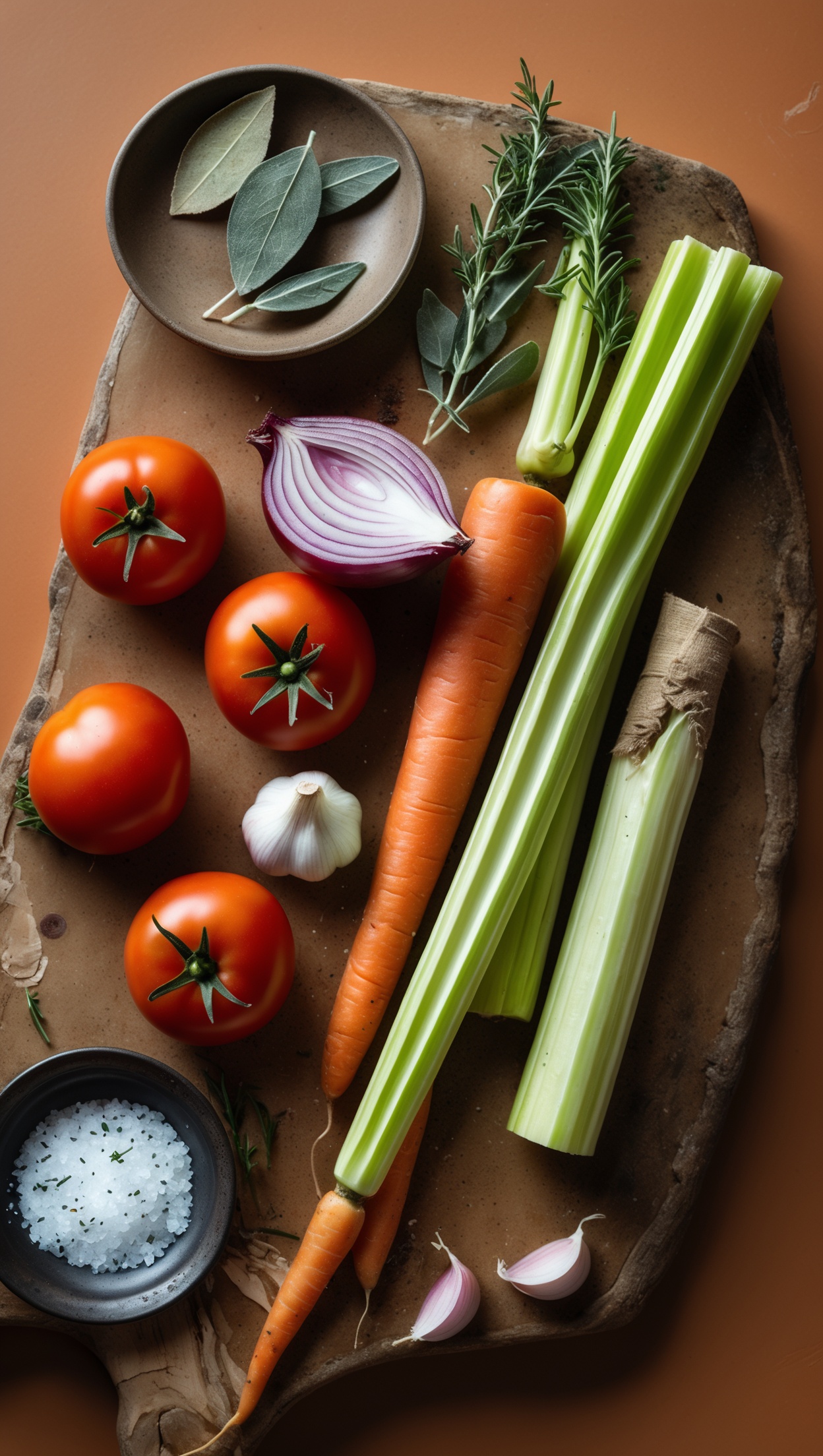
Sugo Finto is a traditional Italian tomato sauce originating in the poorer kitchens of central Italy, particularly Tuscany and Rome. Historically, meat was expensive and reserved for Sundays or feast days. On ordinary days, resourceful cooks built the same aromatic base — onion, celery, carrot, garlic, herbs — that underpins a classic ragù, then simmered it long and slow with tomatoes. The result mimics the body and depth of a meat sauce without a single gram of meat on the ingredient list.
The key to its character is the soffritto (the slow-cooked base of onion, celery and carrot), the generous use of fresh herbs like rosemary and sage, and patience at the stove. A splash of dry red wine deepens the flavour significantly, and a small pinch of nutmeg adds that subtle warmth you will recognise from a classic Bolognese.
Ingredients for Classic Sugo Finto
- 3 tablespoons extra-virgin olive oil
- 1 medium white onion, finely diced
- 2 celery stalks, finely diced
- 1 medium carrot, finely diced
- 3 garlic cloves, minced
- 1 tablespoon fresh rosemary, finely chopped
- 4 fresh sage leaves, finely chopped
- 2 fresh bay leaves
- 1 tablespoon tomato paste
- 400 g (14 oz) canned whole peeled tomatoes
- 300 g (10 oz) fresh ripe tomatoes, roughly chopped
- 100 ml (3.5 fl oz) dry red wine
- 1 teaspoon fine sea salt, plus more to taste
- ½ teaspoon freshly ground black pepper
- 1 pinch of nutmeg
- 1 teaspoon sugar (optional, to balance acidity)
- Fresh basil leaves, to finish
A Note on the Herbs
Rosemary, sage and bay leaf are the three pillars of this sauce. Fresh is best, but dried rosemary and sage work well in winter when fresh is harder to find. The quality of your dried herbs matters enormously — stale, dusty herbs add nothing. If you are restocking your spice shelf, look for vibrant, aromatic dried herbs that smell the way they should.
How to Make Sugo Finto — Step by Step
Step 1: Build the Soffritto
Heat the olive oil in a large, heavy-bottomed saucepan over medium heat. Add the diced onion, celery and carrot and sauté for 8–10 minutes, stirring regularly, until soft and lightly golden. Do not rush this step — a well-developed soffritto is the foundation of the entire sauce's depth.
Step 2: Add Garlic and Herbs
Add the minced garlic, rosemary, sage and bay leaves. Cook for another 2 minutes, stirring, until fragrant. The herbs will bloom in the oil and begin to perfume the whole base.
Step 3: Caramelise the Tomato Paste
Stir in the tomato paste and cook for 1–2 minutes, letting it caramelise slightly at the base of the pan. This step adds colour and a deeper, less acidic tomato note to the finished sauce.
Step 4: Deglaze with Red Wine
Pour in the red wine and stir, scraping up any golden bits from the bottom. Let it simmer for 3–4 minutes until the alcohol has cooked off. The wine adds body and a subtle complexity that water simply cannot replicate.
Step 5: Add the Tomatoes
Add the canned tomatoes and fresh tomatoes. Use a wooden spoon or potato masher to break up the canned tomatoes into the sauce. Stir everything together well.
Step 6: Season and Simmer
Season with salt, black pepper and a pinch of nutmeg. Stir well and bring to a gentle boil. Reduce the heat to low and let the sauce simmer uncovered for 30–35 minutes, stirring occasionally, until thick and deep in colour. If the sauce tastes too sharp, add a teaspoon of sugar to balance the acidity.
Step 7: Finish and Serve
Remove the bay leaves. Taste and adjust seasoning. Finish with fresh basil leaves torn over the top. Serve with pasta, gnocchi or polenta — and a generous grating of Pecorino Romano or Parmigiano Reggiano if you like.
Tips and Variations
- Add porcini mushrooms — A handful of dried porcini, soaked and chopped, adds extraordinary depth and pushes the sauce even closer to a meat ragù in character.
- Make it vegan — Skip the cheese garnish or use a plant-based alternative. The sauce itself is entirely plant-based.
- Use it as a pizza base — Sugo Finto makes a wonderful pizza sauce when simmered down a little thicker.
- Storage — This sauce keeps well in the refrigerator for up to 4 days and freezes beautifully for up to 3 months.
- Skip the wine — If you prefer to cook without alcohol, replace the wine with the same quantity of vegetable stock and a small splash of balsamic vinegar.
Serving Suggestions
Sugo Finto is traditionally paired with pappardelle or wide egg pasta, which holds the thick sauce beautifully. It also works wonderfully with rigatoni, penne, or hand-rolled pici. For a heartier meal, ladle it over creamy soft polenta. A simple green salad on the side and a glass of Sangiovese or Chianti to drink, and you have an entirely satisfying Italian dinner with almost no effort.
Frequently Asked Questions
Is Sugo Finto the same as marinara?
No. Marinara is a quick, simple tomato sauce with garlic and herbs, cooked briefly. Sugo Finto is a slow-cooked sauce built on a full soffritto of vegetables and wine, designed to mimic the texture and depth of a meat ragù. They are quite different in technique and result.
Can I make Sugo Finto ahead of time?
Yes — and it actually improves overnight. Like many slow-cooked sauces, the flavours deepen and meld as the sauce rests. Make it the day before and simply reheat gently before serving.
What pasta shape works best?
Wide, rough-surfaced shapes work best: pappardelle, pici, rigatoni or paccheri. Their surface area and texture grip the thick sauce well. Avoid very thin pasta like spaghettini for this particular recipe.