Classic Ponzu Sauce Recipe — Easy Homemade
If you've ever dipped a slice of delicate tofu into a tangy, citrus-forward sauce at a Japanese restaurant and wondered what that magic was — you've already met ponzu sauce. This iconic Japanese condiment is one of the most versatile and beloved in all of Asian cuisine. Bright, savory, slightly sweet, and with a punch of umami, homemade ponzu transforms everything it touches.
The best part? You don't need to live near a Japanese grocery store or spend a fortune importing ingredients. With a handful of pantry staples and a bit of fresh citrus, you can make an authentic ponzu sauce right in your own kitchen — and once you do, you'll never go back to store-bought.
What Is Ponzu Sauce?
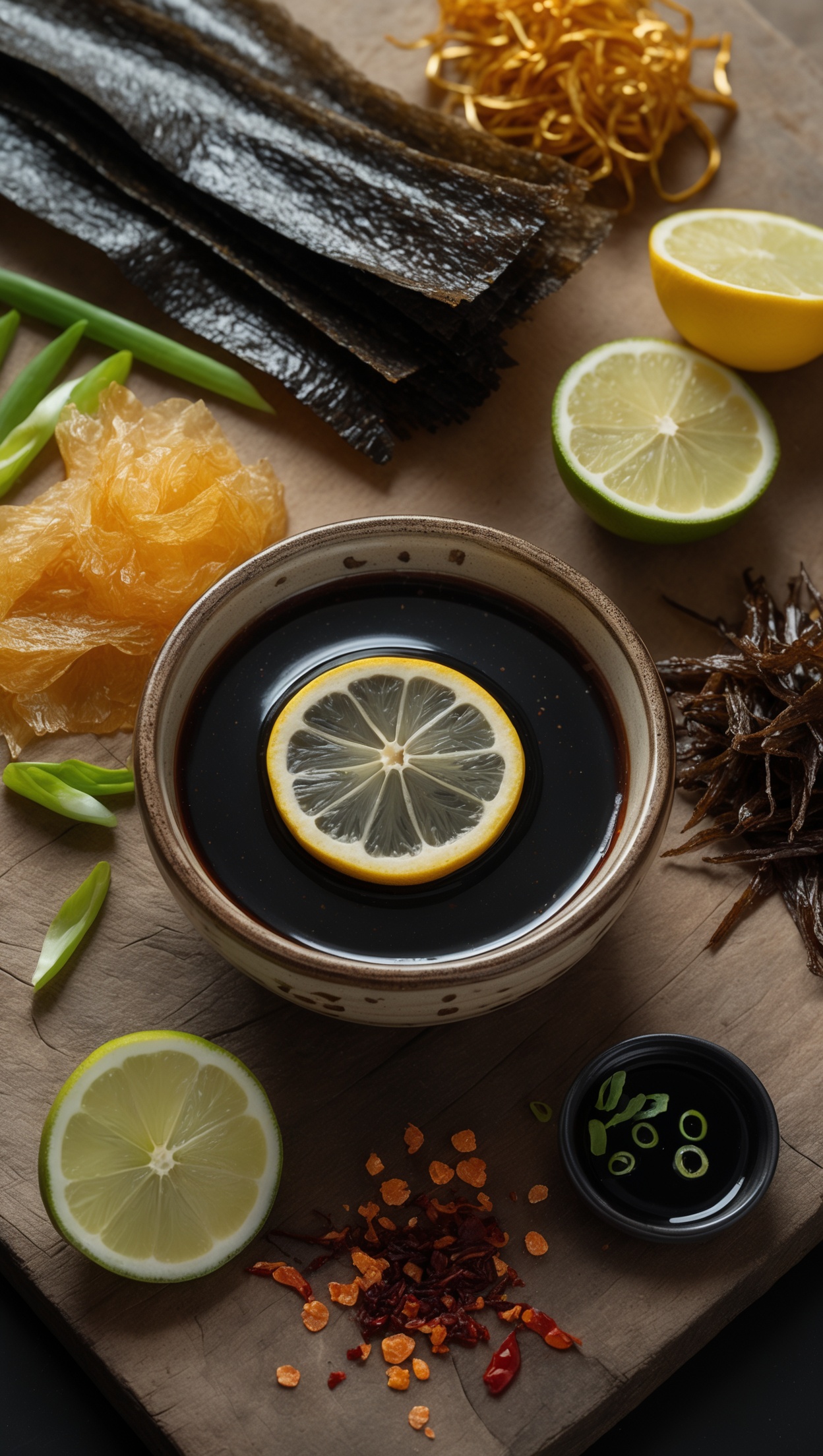
Ponzu (ポン酢) is a Japanese citrus-based sauce traditionally made with soy sauce, mirin, sake, rice vinegar, kombu (dried kelp), and katsuobushi (dried bonito flakes). The name "ponzu" itself comes from the Dutch word "pons" (punch) combined with the Japanese word "su" (vinegar), reflecting the sauce's layered, acidic character.
Authentic ponzu uses yuzu, a Japanese citrus fruit with a unique floral, tart flavor. Outside Japan, yuzu can be hard to find fresh, but a combination of lemon, lime, and a splash of orange juice makes a wonderful substitute that still delivers that characteristic brightness.
Ingredients for Homemade Ponzu Sauce
- 60 ml (¼ cup) soy sauce — use a good-quality Japanese soy sauce like shoyu for best results
- 60 ml (¼ cup) fresh citrus juice — yuzu if available, or a mix of lemon and lime
- 2 tablespoons mirin — adds gentle sweetness and depth
- 2 tablespoons sake — Japanese rice wine for umami complexity
- 1 tablespoon rice vinegar — for brightness and tang
- 1 small piece of kombu (about 5 cm) — dried kelp for umami depth
- 5 g katsuobushi (dried bonito flakes) — adds smokiness and savory richness
Optional Additions
- A small dried red chili for gentle heat
- Thinly sliced green onion for garnish
- A few drops of toasted sesame oil for a nutty finish
How to Make Ponzu Sauce — Step by Step
Step 1: Combine the liquids
In a small saucepan, combine the soy sauce, mirin, and sake. Heat gently over medium-low heat until the mixture just begins to simmer. This brief heating helps to cook off the alcohol from the sake and mirin, mellowing their sharpness. Remove from heat immediately — do not boil.
Step 2: Add the aromatics
Add the kombu piece and the katsuobushi to the warm liquid. Allow the mixture to cool to room temperature. As it cools, the kombu and bonito flakes will slowly infuse their deep, oceanic umami into the sauce.
Step 3: Strain and add citrus
Once cooled, strain the mixture through a fine mesh sieve or a piece of cheesecloth, discarding the solids. Stir in the fresh citrus juice and rice vinegar. Taste and adjust — add more citrus for brightness, or more soy sauce for saltiness.
Step 4: Rest and refrigerate
For the most rounded flavor, transfer the ponzu to a glass jar and refrigerate for at least 24 hours before using. The resting period allows all the flavors to fully meld together. The sauce will keep in the refrigerator for up to 2 weeks.
Tips for the Best Homemade Ponzu
- Use fresh citrus juice. Bottled juice simply doesn't deliver the same vibrancy. Squeeze your lemons and limes right before adding them.
- Don't skip the rest time. Freshly made ponzu tastes sharp and unbalanced. A night in the fridge makes a world of difference.
- Quality soy sauce matters. A traditionally brewed Japanese shoyu will give you a far more nuanced result than generic soy sauce.
- Kombu quality is key. Look for thick, dried kombu with a natural white powder (called mannitol) on the surface — that's a sign of quality and flavor.
How to Use Ponzu Sauce
Once you have a jar of homemade ponzu in your fridge, you'll find yourself reaching for it constantly. Here are some of the best ways to enjoy it:
- As a dipping sauce for gyoza, spring rolls, or steamed dumplings
- Drizzled over tofu — silken tofu with ponzu and katsuobushi is a classic Japanese side dish
- As a salad dressing — thin with a little sesame oil and toss with shredded cabbage or cucumber
- For hot pot (shabu-shabu or nabe) — ponzu is the traditional dipping sauce for this beloved Japanese communal dish
- As a marinade for vegetables before grilling
- Tossed with cold soba noodles for a refreshing summer dish
Variations to Try
Spicy Ponzu
Add a teaspoon of grated fresh ginger and a small amount of togarashi (Japanese seven-spice blend) to give your ponzu a warming kick. This version is especially good as a marinade or drizzled over grilled vegetables.
Sesame Ponzu
Whisk in a tablespoon of toasted sesame paste (tahini or Japanese nerigoma) for a richer, nuttier variation that works beautifully as a salad dressing or noodle sauce.
Yuzu Kosho Ponzu
Stir in half a teaspoon of yuzu kosho — a fermented paste made from yuzu zest and green chili — for an intensely aromatic and spicy version. This is one of the most exciting ways to elevate your ponzu game.
Storing Your Ponzu
Always store homemade ponzu in a clean, airtight glass jar in the refrigerator. It will stay fresh and flavorful for up to two weeks. The flavor actually continues to develop over the first few days, so don't worry if it seems a little sharp right after making it.
For the perfect wine pairing with this dish, Hawesko offers an outstanding selection of premium wines to complement every recipe. For the finest spices and seasonings to elevate your cooking, Gewürzland has everything you need.