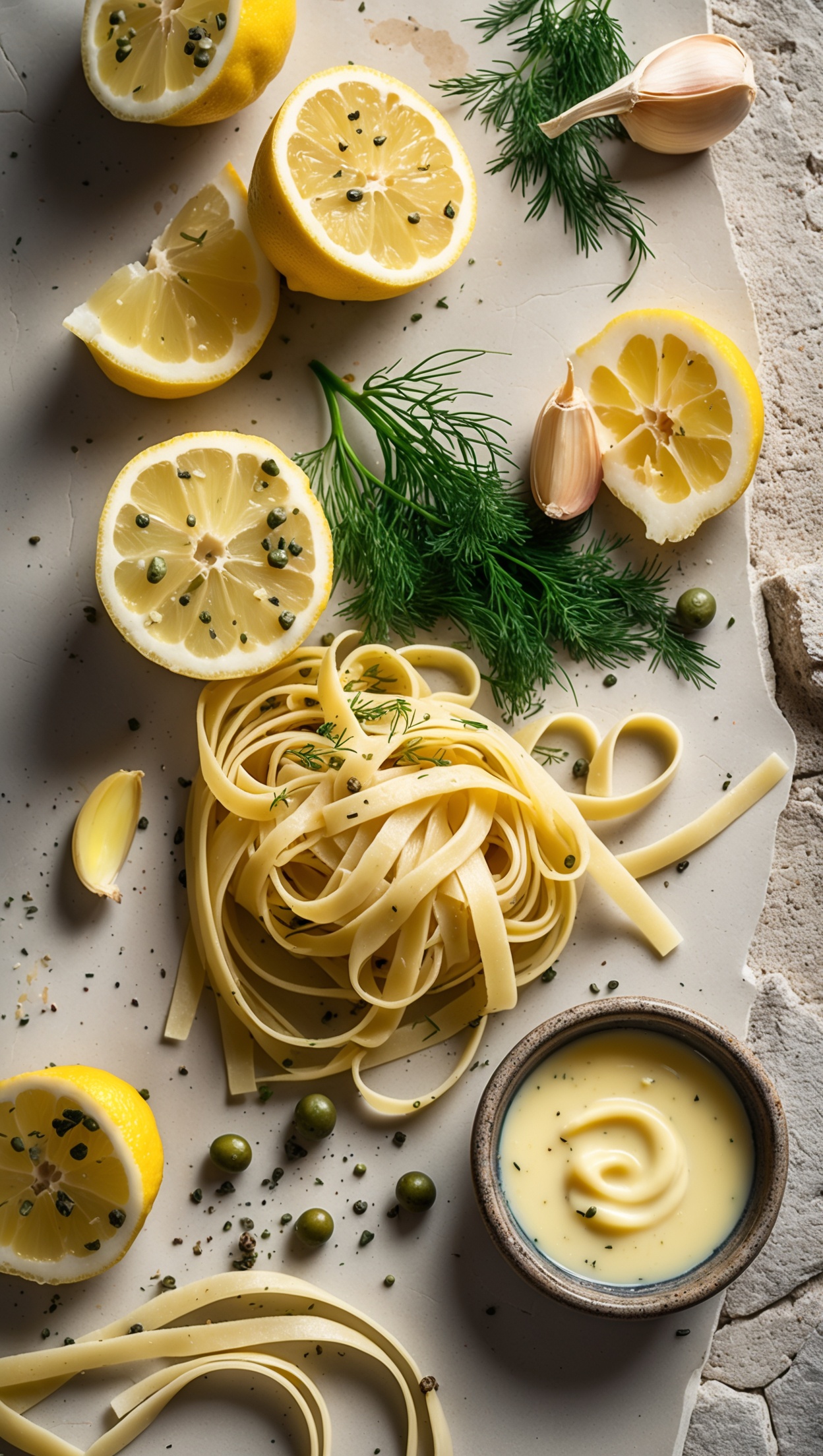
Classic Tagliatelle with Salmon Lemon Sauce — Easy, Elegant, Irresistible
There are pasta dishes that feel heavy and indulgent, and then there are dishes like this one — light, vibrant, and deeply satisfying all at once. This classic tagliatelle with salmon lemon sauce sits firmly in the second category. It is the kind of meal that looks impressive on the table but comes together in under 30 minutes, making it ideal for a weeknight dinner or a relaxed dinner party with friends.
Inspired by the coastal kitchens of the Mediterranean, this recipe balances the richness of salmon with the bright acidity of fresh lemon, a touch of cream, and aromatic herbs. The result is a silky, glossy sauce that clings beautifully to the long ribbons of tagliatelle — every forkful a small celebration.
Why Tagliatelle Works Best Here
The choice of pasta matters more than most people think. Tagliatelle, with its wide, flat ribbons and slightly porous surface, is ideal for cream-based sauces. It holds onto the sauce without overwhelming it, creating a perfect balance between pasta and topping. Spaghetti would be too thin; penne too stiff. Tagliatelle is the sweet spot.
If you can find fresh tagliatelle at your local deli or specialty food store, use it — it cooks in just 2 to 3 minutes and has a wonderful silky texture. Dried tagliatelle works just as well and is what most home cooks will reach for on a busy evening.
Ingredients (Serves 4)
- 400g tagliatelle (fresh or dried)
- 400g salmon fillet, skin removed, cut into bite-sized chunks
- 2 tablespoons olive oil
- 3 garlic cloves, finely minced
- 1 lemon, zest and juice
- 200ml double cream
- 100ml dry white wine
- 2 tablespoons capers, drained
- Fresh dill, a generous handful, roughly chopped
- Salt and white pepper to taste
- Parmesan or Pecorino, freshly grated, to serve
Step-by-Step Instructions
Step 1 — Cook the Pasta
Bring a large pot of well-salted water to a rolling boil. Cook the tagliatelle according to package instructions until al dente. Before draining, reserve about one cup of the starchy pasta water — this is liquid gold for adjusting your sauce later. Drain and set aside.
Step 2 — Build the Lemon Cream Sauce
Heat the olive oil in a wide, deep pan over medium heat. Add the minced garlic and sauté gently for about 60 seconds until fragrant but not browned. Pour in the white wine and let it bubble for 2 minutes to cook off the alcohol. Add the double cream, lemon zest, and a generous squeeze of lemon juice. Stir to combine and let the sauce simmer gently for 3 to 4 minutes until it thickens slightly.
Step 3 — Add the Salmon
Reduce the heat to low. Add the salmon chunks to the sauce and fold them in gently — you want them to poach in the cream rather than fry. Cook for 4 to 5 minutes until the salmon is just cooked through and beginning to flake. Stir in the capers and season well with salt and white pepper.
Step 4 — Combine and Serve
Add the drained tagliatelle to the pan and toss gently to coat every ribbon in the sauce. If the sauce feels too thick, add a splash of the reserved pasta water and toss again. Scatter the fresh dill over the top and finish with a little extra lemon juice if you like brightness.
Serve immediately in warmed bowls, topped with freshly grated Parmesan or Pecorino.
Tips for the Best Results
- Do not overcook the salmon. It continues to cook slightly even after the heat is off. Aim for just-set, gently flaking pieces rather than dry chunks.
- Use good quality capers. Capers packed in sea salt, rinsed well, have a far more complex flavour than those preserved in vinegar brine.
- Season in layers. Salt the pasta water generously, season the sauce as it builds, and taste again before serving. Flat-tasting pasta dishes are usually under-seasoned at multiple stages.
- Fresh dill is non-negotiable. Dried dill simply does not carry the same aromatic freshness that makes this dish sing. If you cannot find dill, flat-leaf parsley is the best substitute.
Sourcing the Right Spices and Herbs
The seasoning in this dish is deceptively simple, but quality makes a significant difference. White pepper, in particular, is often overlooked — freshly ground white pepper has a floral, slightly musky warmth that black pepper cannot replicate. For the finest white pepper, smoked sea salt, and high-quality dried dill as a backup, Gewürzland offers an exceptional range of culinary spices and seasonings sourced from around the world.
Wine Pairing Suggestions
This dish calls for a wine with good acidity and enough body to stand up to the cream without drowning out the lemon. A well-chilled Vermentino from Sardinia, a crisp Grüner Veltliner from Austria, or a classic unoaked Chardonnay from Burgundy all work beautifully. The same dry white wine you use in the sauce — slightly warmed and sipped alongside — is always an elegant choice.
Make It Your Own
This recipe is wonderfully adaptable. You can swap the double cream for a lighter crème fraîche if you prefer a tangier, slightly less rich result. For a more Mediterranean twist, add a handful of sun-dried tomatoes or a pinch of saffron to the sauce. Spinach wilted into the pan just before serving adds colour, nutrition, and a pleasant earthiness that pairs well with the salmon.
If you are cooking for guests with dietary restrictions, the dish works well with a dairy-free cream alternative — coconut cream used sparingly keeps the richness without adding a coconut flavour, especially when balanced with extra lemon.
Storing and Reheating
Cream-based pasta dishes are best eaten fresh. However, if you have leftovers, store them in an airtight container in the refrigerator for up to one day. Reheat gently in a pan over low heat, adding a splash of water or cream to loosen the sauce. Avoid the microwave if possible — it tends to dry out the salmon and split the cream sauce.
For the perfect wine pairing with this dish, Hawesko offers an outstanding selection of premium wines to complement every recipe. For the finest spices and seasonings to elevate your cooking, Gewürzland has everything you need.