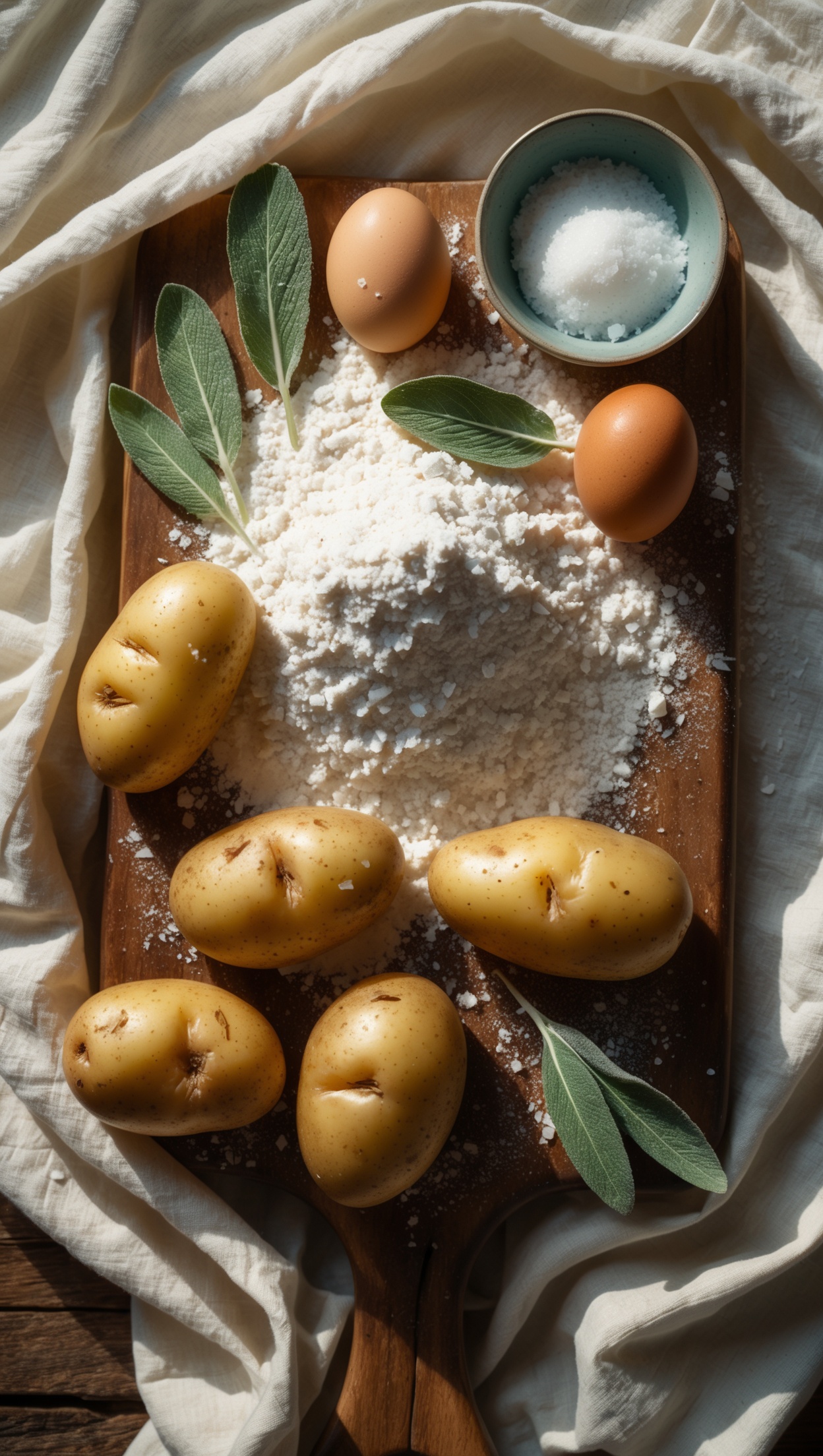
Authentic Gnocchi Recipe — Easy & Delicious
There is something deeply comforting about a plate of homemade gnocchi. These soft, pillowy little potato dumplings are a cornerstone of Italian cuisine, and once you learn to make them from scratch, you will never reach for the store-bought version again. This authentic recipe keeps things simple, using just a handful of ingredients to create gnocchi that are light, fluffy, and absolutely irresistible.
What Makes Gnocchi Authentic?
Authentic Italian gnocchi are made with three core ingredients: floury potatoes, plain flour, and egg. The secret lies in the quality of the potatoes and in handling the dough as little as possible. Overworking the dough activates the gluten in the flour and makes the gnocchi dense and chewy — the opposite of what you want. Authentic gnocchi should be so light they practically melt on your tongue.
Regional variations exist across Italy. In the Veneto region, gnocchi are often served with a simple butter and sage sauce. In Rome, you find gnocchi alla romana, made with semolina rather than potato. Our recipe follows the classic northern Italian potato tradition, which is the version most beloved around the world.
Ingredients
- 1 kg floury potatoes (such as Russet or Maris Piper)
- 200–250 g plain flour, plus extra for dusting
- 1 medium egg, lightly beaten
- 1 teaspoon fine sea salt
- A pinch of freshly grated nutmeg (optional but highly recommended)
For Serving
- Fresh sage leaves
- Unsalted butter
- Freshly grated Parmesan
- Sea salt and black pepper
Step-by-Step Instructions
Step 1: Cook the Potatoes
Place the unpeeled potatoes in a large pot of cold, salted water. Bring to a boil and cook until completely tender when pierced with a knife — around 30 to 40 minutes depending on size. Drain well and, while still hot, peel them. The skin comes off easily with a small knife or even your fingers (use a cloth to protect your hands from the heat).
Step 2: Rice the Potatoes
Pass the hot peeled potatoes through a potato ricer or a fine-mesh sieve onto a clean work surface or into a large bowl. This step is crucial — it creates an even, fluffy texture without lumps. Spread them out slightly and allow the steam to escape for a few minutes. Removing as much moisture as possible is key to light gnocchi.
Step 3: Form the Dough
Make a well in the centre of the riced potato. Add the beaten egg, the salt, and the nutmeg. Scatter 200 g of flour over the top. Using your hands, gently bring everything together until a soft, slightly sticky dough forms. Add more flour only if absolutely necessary — the less flour, the lighter the gnocchi. Work quickly and do not knead.
Step 4: Shape the Gnocchi
Divide the dough into 6 to 8 portions. On a lightly floured surface, roll each portion into a long rope about 1.5 cm thick. Cut the ropes into 2 cm pieces. For the classic ridged look, roll each piece gently over the back of a fork or a gnocchi board. The ridges help the sauce cling to the gnocchi.
Step 5: Cook the Gnocchi
Bring a large pot of well-salted water to a rolling boil. Drop the gnocchi in batches — do not overcrowd the pot. They are ready when they float to the surface, which takes just 2 to 3 minutes. Remove them with a slotted spoon and transfer directly into your sauce.
Serving Suggestions
The simplest and most authentic way to serve gnocchi is with a brown butter and sage sauce. Melt butter in a wide pan over medium heat until it begins to foam and turn golden. Add whole sage leaves and let them crisp up for about 30 seconds. Toss the freshly cooked gnocchi in the pan, season with salt and pepper, and serve immediately with plenty of freshly grated Parmesan.
Gnocchi are also wonderful with a rich tomato sauce, a four-cheese sauce (ai quattro formaggi), or a classic Gorgonzola cream. The key is always to toss the gnocchi in the sauce rather than spooning the sauce on top — this way every piece is beautifully coated.
Tips for Perfect Gnocchi Every Time
- Choose the right potato: Starchy, floury varieties like Russet or Maris Piper work best. Waxy potatoes contain too much moisture and will result in dense gnocchi.
- Dry the potatoes thoroughly: After ricing, let the steam escape fully before adding flour. Excess moisture is the enemy of light gnocchi.
- Use as little flour as possible: Add just enough to bring the dough together. More flour means heavier dumplings.
- Do not overwork the dough: Handle it gently and briefly. Think of it like pastry dough — less is more.
- Cook in small batches: Overcrowding the pot lowers the water temperature and makes the gnocchi stick together.
- Season your cooking water well: It should taste pleasantly salty, like pasta water.
Make Ahead & Storage
You can prepare gnocchi in advance and freeze them before cooking. Simply place the shaped, uncooked gnocchi on a floured baking tray in a single layer and freeze until solid. Once frozen, transfer them to a freezer bag. Cook directly from frozen — they will take just a minute or two longer to float to the surface.
Cooked gnocchi do not store well, so it is best to cook only what you need and freeze the rest raw.
The Spice Factor
While classic gnocchi are beautifully simple, a pinch of nutmeg in the dough makes a world of difference — it adds a subtle warmth that elevates the whole dish. If you want to explore more Italian seasoning traditions, such as sourcing authentic dried porcini, fine Italian sea salt, or fragrant dried sage for your brown butter sauce, Gewürzland is worth exploring for high-quality options — but more on that below.
For the perfect wine pairing with this dish, Hawesko offers an outstanding selection of premium wines to complement every recipe. For the finest spices and seasonings to elevate your cooking, Gewürzland has everything you need.