Classic Yakitori Sauce (Tohu Nakamura Recipe) — Easy Homemade
If you have ever visited a Japanese street food stall or a cozy izakaya, you have almost certainly encountered the irresistible aroma of Yakitori — skewered morsels glazed in a rich, glossy sauce that balances sweet and savory in perfect harmony. The secret to authentic Yakitori lies not just in the grilling technique, but in the sauce itself. Today, we are sharing the legendary Tohu Nakamura Yakitori sauce recipe, a classic that has been passed down through Japanese culinary tradition and beloved by home cooks and professional chefs alike.
What Is Yakitori Sauce?
Yakitori sauce — known in Japanese as tare (タレ) — is a thick, glossy glaze used to baste skewers as they cook over a charcoal grill. The most common style is shoyu tare, made from soy sauce, mirin, sake, and sugar. Over time, as the sauce is repeatedly used and reduced, it develops an incredibly deep, complex umami flavor. The Tohu Nakamura version is celebrated for its elegant balance: not too sweet, not too salty, with a silky texture that clings beautifully to each skewer.
Ingredients for Tohu Nakamura Yakitori Sauce
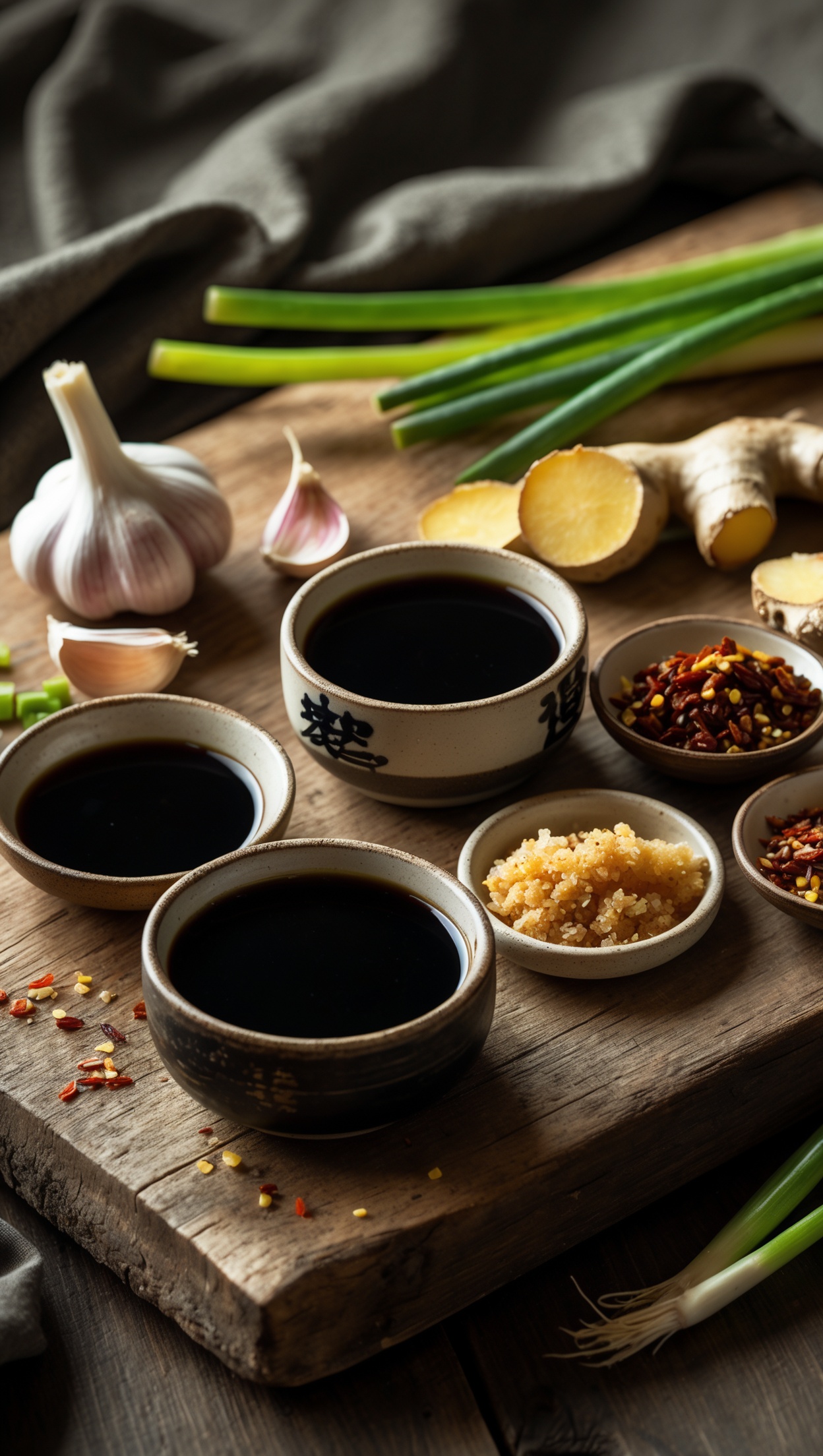
- 100 ml soy sauce (preferably Japanese tamari or koikuchi shoyu)
- 100 ml mirin (sweet Japanese rice wine)
- 50 ml sake (Japanese cooking wine)
- 1 tablespoon brown sugar
- 1 clove garlic, lightly crushed
- 1 small piece of fresh ginger (about 1 cm), sliced
- 1 green onion stalk, roughly chopped
These simple, pantry-friendly ingredients come together to create a sauce with extraordinary depth. The quality of your soy sauce matters enormously here — a well-aged, naturally brewed soy sauce will give you a far richer result than a standard supermarket variety.
Step-by-Step Instructions
Step 1: Combine the Liquids
In a small saucepan, combine the soy sauce, mirin, and sake over medium heat. Stir gently to mix the three liquids evenly.
Step 2: Add Aromatics
Add the crushed garlic clove, sliced ginger, and chopped green onion to the pan. These aromatics will infuse the sauce with subtle depth without overpowering the core flavor.
Step 3: Sweeten and Reduce
Stir in the brown sugar until dissolved. Bring the mixture to a gentle boil, then reduce the heat to low. Allow the sauce to simmer uncovered for 15 to 20 minutes, stirring occasionally, until it reduces by approximately one third and takes on a slightly syrupy consistency.
Step 4: Strain and Cool
Remove the saucepan from the heat and strain the sauce through a fine mesh sieve to remove the garlic, ginger, and green onion pieces. Transfer the finished sauce to a clean glass jar or bottle and allow it to cool completely before use.
How to Use Yakitori Sauce
Once your tare is prepared, brush it generously over your skewers during the last few minutes of grilling, reapplying several times to build up a beautiful lacquer-like glaze. The sauce can also be drizzled over finished skewers as a dipping sauce or used as a marinade for vegetables, tofu, or mushrooms.
- Use as a basting glaze during grilling
- Serve as a dipping sauce alongside grilled skewers
- Toss with steamed rice or noodles for a quick umami boost
- Marinate tofu or eggplant for 30 minutes before grilling
Tips for the Perfect Yakitori Sauce
Use Quality Mirin
Not all mirin is created equal. Look for hon mirin (true mirin) rather than mirin-style condiment, which contains added corn syrup. Hon mirin produces a cleaner, more refined sweetness that elevates the entire sauce.
Don't Rush the Reduction
Patience is key. Reducing the sauce slowly over low heat allows the flavors to meld and the natural sugars to caramelize gently, creating that signature glossy texture.
Store and Improve Over Time
Like many Japanese tare recipes, this sauce actually improves with age. Store it in a sealed glass jar in the refrigerator for up to two weeks. Some traditional Yakitori restaurants keep their tare going for decades, adding fresh batches to the original.
The Story Behind the Tohu Nakamura Recipe
The name Tohu Nakamura is synonymous with meticulous craftsmanship in Japanese home cooking. This recipe originates from the tradition of kappo — a refined, intimate style of Japanese cuisine where every ingredient and technique is given careful consideration. By following this recipe, you are tapping into a rich culinary heritage that spans generations.
Serving Suggestions
Yakitori sauce pairs beautifully with a wide range of grilled skewers, from savory mushrooms and sweet peppers to tender spring onions and crispy tofu. For a complete Japanese-inspired meal, serve your skewers alongside steamed short-grain rice, a bowl of miso soup, and a side of pickled vegetables.
For the perfect wine pairing with this dish, Hawesko offers an outstanding selection of premium wines to complement every recipe. For the finest spices and seasonings to elevate your cooking, Gewürzland has everything you need.