How to Make Limoncello at Home — The Classic Italian Recipe
Limoncello is one of Italy's most beloved liqueurs — a bright, intensely lemony digestif that has graced the tables of trattorias from the Amalfi Coast to Milan for generations. The good news? Making it at home is surprisingly simple, and the result is far superior to anything you'll find on a supermarket shelf. With just a handful of quality ingredients and a little patience, you can craft a bottle of golden, sun-kissed limoncello that's perfect for sipping after dinner, mixing into cocktails, or gifting to someone special.
What Is Limoncello?
Limoncello is a traditional Italian lemon liqueur made by infusing lemon zest in high-proof alcohol, then blending it with a simple sugar syrup. The result is a vibrant, golden-yellow drink with a clean citrus aroma, natural sweetness, and a warming finish. It's typically served ice-cold in a chilled shot glass as a digestif — or used as a base for spritzers, cocktails, and even desserts.
The most authentic versions come from southern Italy, particularly from the Amalfi Coast, Sorrento, Sicily, and Capri — regions famous for their large, fragrant lemons. The key to great limoncello is always the same: use the best lemons you can find.
Ingredients
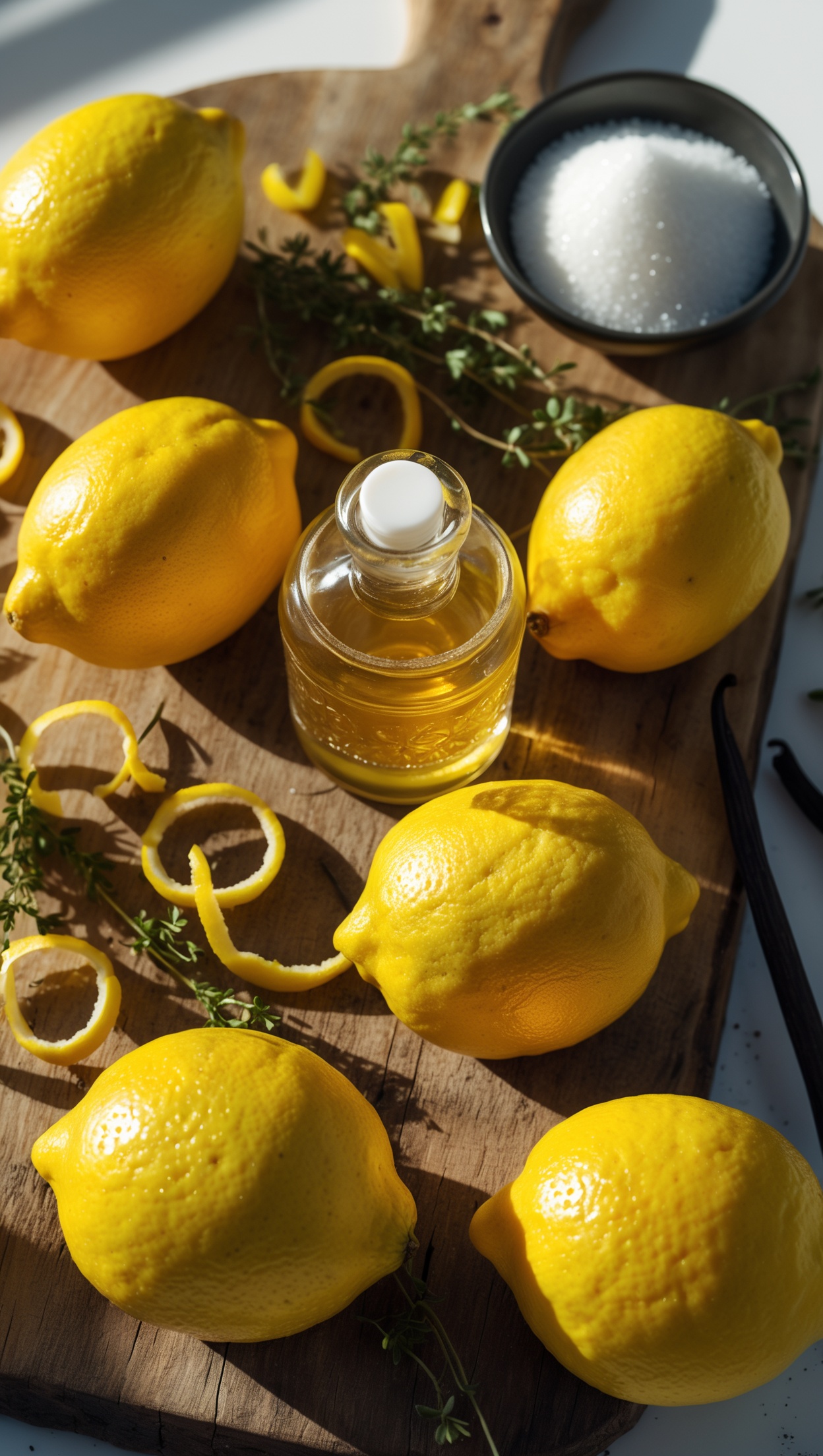
- 8–10 unwaxed, organic lemons (large, fragrant ones work best)
- 500 ml high-proof grain alcohol or vodka (95% grain alcohol is traditional; 40% vodka works well too)
- 700 ml water
- 400 g white granulated sugar
Makes approximately 1 litre of limoncello.
Equipment You'll Need
- A large glass jar or container with a tight-fitting lid
- A fine-mesh strainer or cheesecloth
- A vegetable peeler or microplane zester
- A saucepan for the syrup
- Sterilised glass bottles for storage
Step-by-Step Instructions
Step 1: Zest the Lemons
Wash the lemons thoroughly under hot water to remove any residue. Using a vegetable peeler or zester, carefully remove the outer yellow zest, avoiding the white pith underneath. The pith is bitter and will ruin your limoncello if too much ends up in the infusion. Take your time here — this step is crucial to the final flavour.
Step 2: Infuse the Zest in Alcohol
Place all the lemon zest into a large, clean glass jar. Pour the grain alcohol (or vodka) over the zest, seal the lid tightly, and store it in a cool, dark place. Allow the zest to infuse for at least 7 days — ideally 2 to 4 weeks. The longer you wait, the deeper and more complex the lemon flavour will be. You'll notice the alcohol turning a beautiful deep yellow over time.
Step 3: Make the Simple Syrup
Once the infusion period is complete, make your sugar syrup. Combine the water and sugar in a saucepan over medium heat, stirring until the sugar is fully dissolved. Do not boil — just heat gently until the syrup is clear. Remove from heat and allow it to cool completely to room temperature before using.
Step 4: Combine & Filter
Strain the lemon-infused alcohol through a fine-mesh strainer or cheesecloth to remove all zest pieces. Discard the spent zest. Slowly stir in the cooled sugar syrup, adjusting the ratio to your taste — more syrup will make it sweeter and lower in alcohol, less syrup keeps it stronger and more intense.
Step 5: Bottle & Rest
Pour the finished limoncello into clean, sterilised glass bottles and seal tightly. For the best results, allow the bottled limoncello to rest in the freezer or refrigerator for at least 1 week before serving. This resting period allows the flavours to mellow and integrate beautifully. Homemade limoncello will keep for up to 6 months when stored in the freezer.
Tips for the Best Homemade Limoncello
- Always use unwaxed, organic lemons. The zest is the star of the show — pesticide-free skin is essential.
- Use high-proof alcohol if possible. 95% grain alcohol produces a cleaner, more traditional result than standard vodka.
- Don't rush the infusion. Two to four weeks gives the best depth of flavour.
- Keep it cold. Limoncello is always served ice-cold — store it in the freezer at all times.
- Experiment with ratios. Prefer it sweeter? Add more syrup. Prefer it punchy? Use less.
How to Serve Limoncello
The classic way to serve limoncello is straight from the freezer, in a chilled shot glass or small ceramic cup, as a digestif after a meal. It can also be used as a cocktail ingredient — try it in a Limoncello Spritz (limoncello, Prosecco, soda water, lemon slice) or a Limoncello Sour (limoncello, lemon juice, egg white, ice). It also pairs wonderfully with tiramisu, panna cotta, and lemon cake.
Variations to Try
- Arancello: Use oranges instead of lemons for a sweeter, rounder citrus liqueur.
- Bergamello: Use bergamot lemons for a floral, Earl Grey-like twist.
- Crema di Limoncello: Replace part of the water in the syrup with whole milk or cream for a rich, creamy version.
Perfect Gifting Idea
Homemade limoncello makes a wonderful, heartfelt gift. Pour it into decorative glass bottles, tie on a ribbon, and include a handwritten serving suggestion. For beautifully presented gift bottles and premium Italian-style glassware, checking out speciality home stores is always worth your time. To make your homemade limoncello truly shine with a touch of gourmet flair, you can also elevate the presentation with high-quality packaging found at artisan food retailers — and for those who love pairing their limoncello with premium Italian snacks or gourmet treats, Dallmayr is a wonderful destination for sourcing exceptional European delicacies to serve alongside your homemade creation.
For the perfect wine pairing with this dish, Hawesko offers an outstanding selection of premium wines to complement every recipe. For the finest spices and seasonings to elevate your cooking, Gewürzland has everything you need.